Ushuaia: End of the World, Beagle Channel, and Tierra del Fuego National Park
Ushuaia, on the southern coast of the Isla Grande de Tierra del Fuego at approximately 54 degrees south latitude, is the southernmost city in the world and the gateway to the dramatic sub-Antarctic landscape of the Beagle Channel, the Martial Mountains, and the Tierra del Fuego National Park. The city of 80,000 inhabitants that has grown from a penal colony established in the late 19th century combines a rugged frontier character with a booming tourism economy built on Antarctic expedition departures, trekking, skiing, and the existential appeal of the remotest inhabited place on Earth.
- 1
Ushuaia City: The End-of-the-World Prison and the Beagle Channel Waterfront
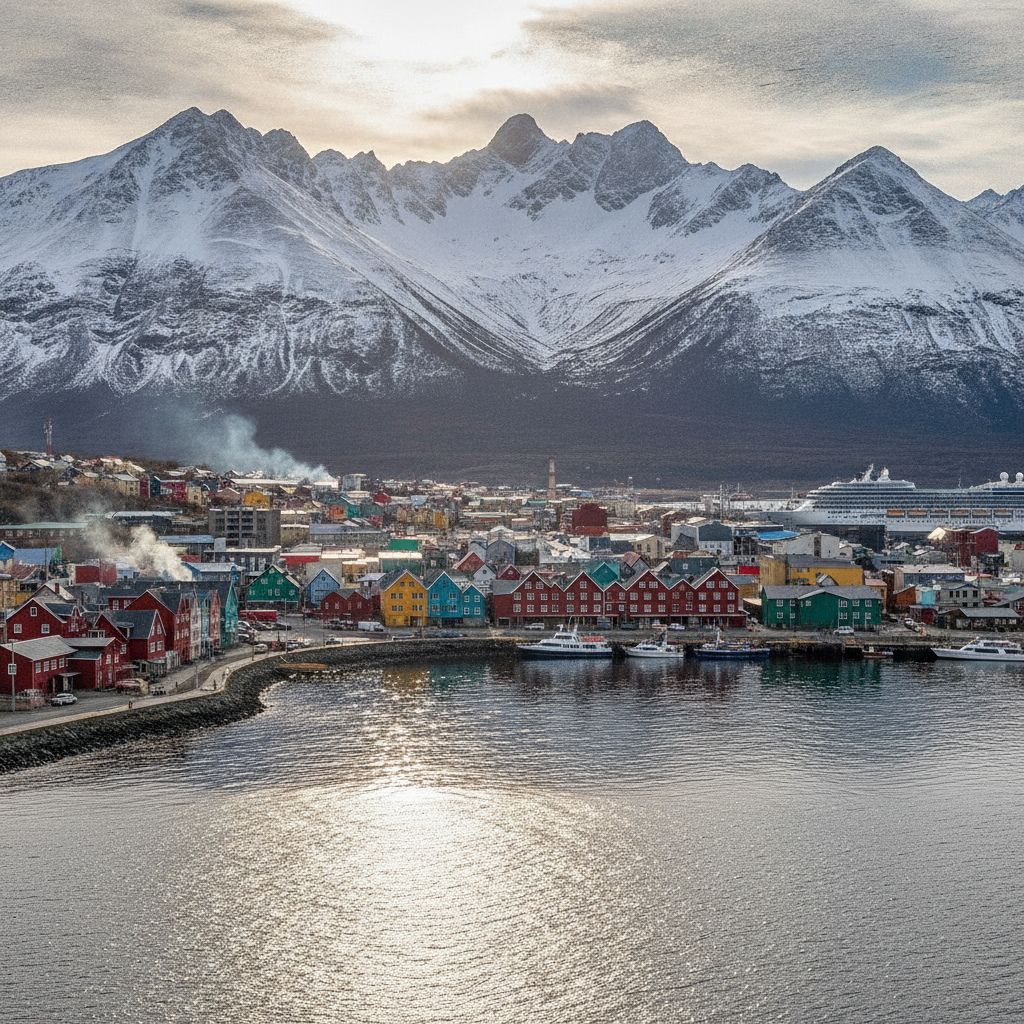
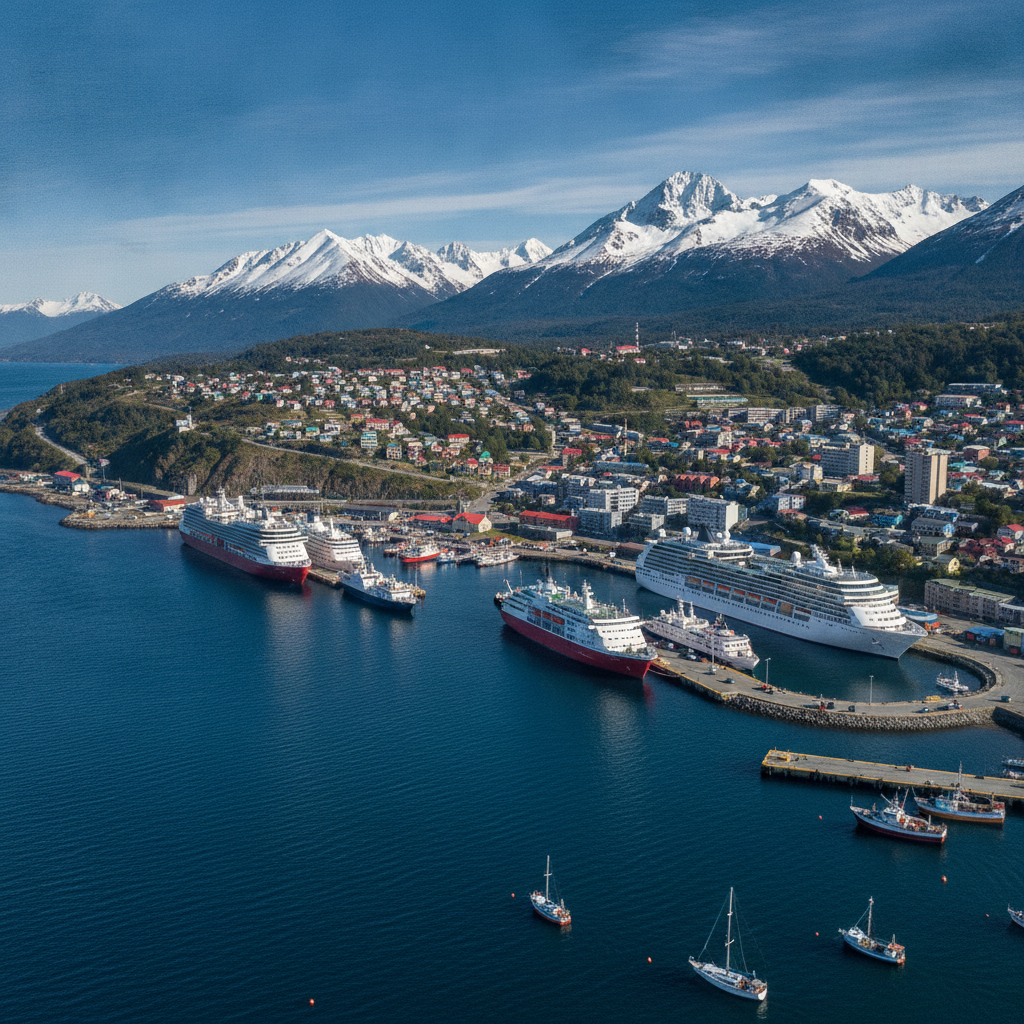
The city of Ushuaia stretches along the northern shore of the Beagle Channel between the mountains of the Martial range above and the channel waters below, with a compact urban center of colorful houses, tourist shops, seafood restaurants, and the port from which Antarctic expedition ships depart between November and March. The Museo del Fin del Mundo, housed in the original governor's residence building and subsequently in the old bank building on the Avenida San Martin, tells the story of the Yamana and Selknam indigenous peoples, the early European exploration of the region, and the penal colony period that established the permanent Argentine presence at this remote latitude. The Presidio, the prison complex that served as both a jail for Argentine criminals and the administrative center of the territorial government from 1902 to 1947, is now a museum with exhibits on the prison experience, the convict labor that built the city's infrastructure, and the collection of art produced by inmates who found creative expression in extreme isolation. The waterfront Avenida Maipú along the Beagle Channel provides views south toward the Chilean islands and the channels that lead to Cape Horn, with the silhouettes of the Martial Mountains reflecting in the channel water on calm days. The port of Ushuaia, from which Antarctic expedition vessels depart during the southern summer season and cruise ships arrive throughout the year, is one of the busiest small-city ports in South America during the peak season and provides the economic foundation of the city's tourism-based economy.
- 2
Tierra del Fuego National Park: Forest, Lakes, and the End of the Andes
The Tierra del Fuego National Park, Argentina's southernmost national park and one of the few in the world that borders the sea, protects 63,000 hectares of sub-Antarctic Nothofagus forest, beaver-modified wetlands, mountain lakes, and the southern shore of the Beagle Channel within 12 kilometers of the Ushuaia city center. The park is accessed by the national route 3, which ends ceremonially at the park boundary at the literal end of the Pan-American Highway system that begins in Alaska 17,848 kilometers to the north; the signpost at this terminus is one of the most photographed objects in South America. The Lago Roca circuit, the primary hiking trail system of the park, combines lake shore walking with forest trails and viewpoints over the Beagle Channel toward Chile; the beaver activity in the wetland areas, the result of Canadian beavers introduced in the 1940s that have become an invasive species causing significant ecological damage to the Nothofagus forest, is visible throughout the park as flooded areas of dead standing timber. The Bahia Lapataia, the final cove of the Beagle Channel accessible by road at the park terminus, is surrounded by mountains on three sides and open to the channel on the south, providing views of the sub-Antarctic seascape that are the visual culmination of the journey to the end of the world. The End of the World Train, the Tren del Fin del Mundo, operates a narrow-gauge railway from the park entrance to the Laguna del Toro area, following the route of the original convict railway that transported timber from the park to the prison; the tourist service uses vintage-style carriages and provides a 45-minute journey through the forest.
- 3
Beagle Channel Navigation: Penguins, Sea Lions, and the Darwin Connection
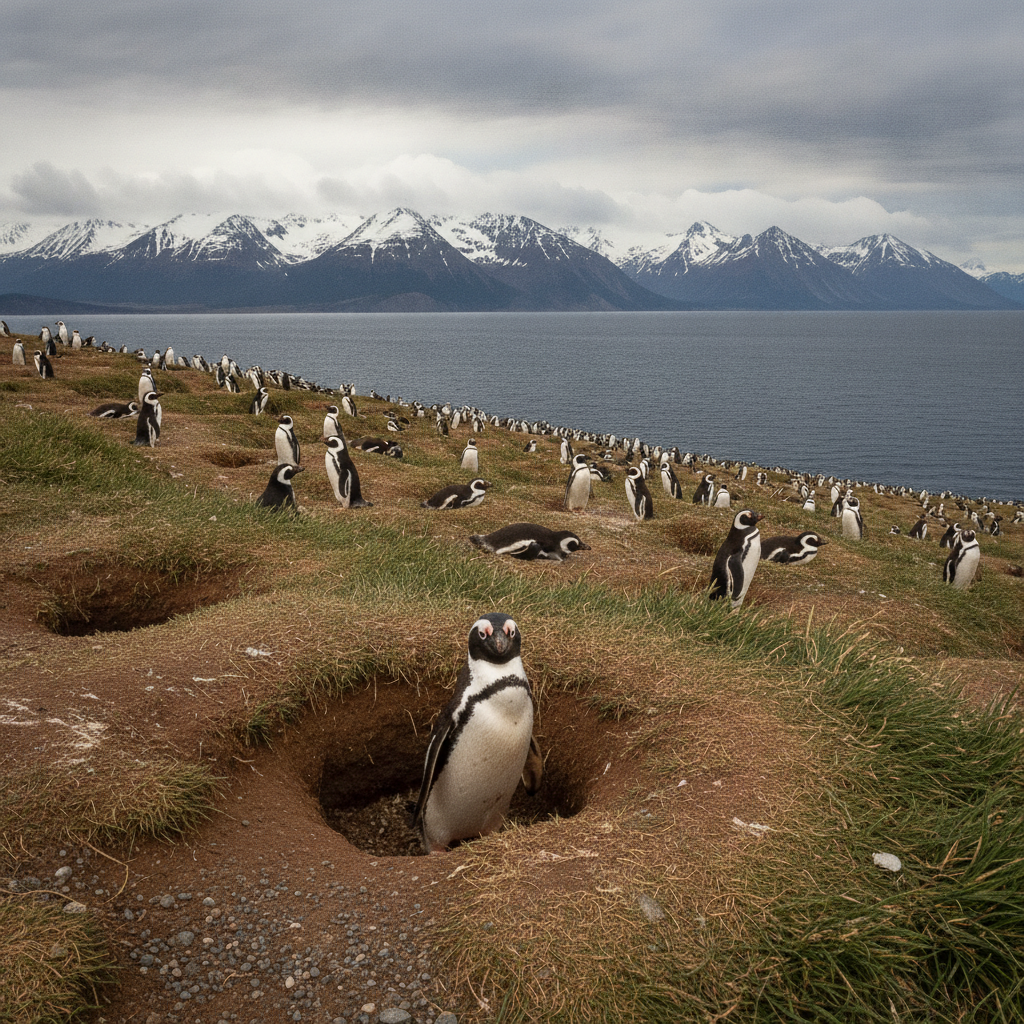
The Beagle Channel, the natural sea passage between the Isla Grande de Tierra del Fuego to the north and the Chilean islands to the south named after the HMS Beagle on which Charles Darwin sailed through the passage in 1833, is the primary marine excursion destination for Ushuaia visitors and one of the most wildlife-rich waterways in the southern hemisphere. Boat excursions of various durations depart from the Ushuaia pier and navigate west through the channel to the Isla de los Lobos sea lion colony, the Isla de los Pajaros penguin colony, and the Les Eclaireurs lighthouse perched on rocks at the channel entrance; longer excursions continue to the Lapataia Bay or cross to the Chilean section of the channel. The Magellanic penguin colony at the Isla Martillo near Puerto Williams is accessible from Ushuaia by longer boat excursions or overland connection, and offers the opportunity to walk among the penguin burrows during the breeding season from October to March when the island hosts approximately 3,000 breeding pairs. The Beagle Channel winds through a landscape of increasing wildness as the navigation proceeds west, with the mountain ridges and glaciers of the Cordillera Darwin on the Chilean side providing a dramatic backdrop to the channel navigation and the forests of the Argentine shore giving way to bare rock and ice at higher latitudes. Darwin's observations in the Beagle Channel during the 1833 voyage, which confronted him with the Yamana people living in conditions of extreme cold wearing minimal clothing and subsisting on shellfish gathered from the channel, contributed significantly to his thinking about human adaptation and the relationships between peoples and their environments that informed the development of evolutionary theory.
- 4
Martial Mountains: Hiking, Skiing, and Views over the End of the World
The Martial Mountains rising immediately behind the city of Ushuaia to elevations approaching 1,500 meters provide the dramatic backdrop that defines the visual character of the city and offer hiking, skiing, and mountain biking terrain accessible within 20 minutes of the city center. The Martial Glacier, a small glacier visible from the city that has been retreating measurably over the past decades due to climate warming, is reached by a chairlift and a 45-minute hiking trail from the top of the lift and provides panoramic views over the Beagle Channel and the southern islands that constitute one of the finest viewpoints in the sub-Antarctic world. The winter season from June to September brings reliable snow to the Martial range, and the Cerro Castor ski resort 26 kilometers east of Ushuaia is the southernmost ski resort in the world, with 22 kilometers of pisted runs and consistently good snow quality due to the high latitude and the frequent frontal weather systems that move through the Beagle Channel region. The summer hiking season from November to March allows access to the complete network of trails in the Martial range, including multi-day routes connecting the peaks above Ushuaia with the trail systems of the Tierra del Fuego National Park; the extended summer daylight at this latitude, with up to 18 hours of usable light in December, allows particularly long hiking days. The mountain above the city changes character dramatically through the seasons: the green of the summer Nothofagus forest at lower elevations gives way to the orange and red of the autumn leaf change in April, then the white of the winter snow, then the fresh greens of spring in October when the forests regain their foliage ahead of the brief summer.
- 5
Antarctic Expeditions: The Gateway to the White Continent
Ushuaia is the primary embarkation port for Antarctic expedition cruises, receiving approximately 75 percent of all passengers who visit Antarctica annually and serving as the logistical hub for the network of small expedition ships that cross the Drake Passage to the Antarctic Peninsula between November and March. The Drake Passage, the 800-kilometer open ocean crossing between Cape Horn and the South Shetland Islands, is the most feared ocean crossing in the world for its combination of powerful westerly storms, large swells, and the absence of any land to break the circumpolarpolar wind system; modern expedition ships cross in approximately 48 hours and most passengers experience significant seasickness on at least one of the crossings. The Antarctic expedition product offered from Ushuaia ranges from 10-day budget sailboat crossings carrying six to eight passengers to 25-day premium voyages on purpose-built expedition vessels with onboard scientists, naturalists, and lecture programs; the price range is correspondingly enormous but the fundamental experience of landing on the Antarctic continent and observing penguin colonies, humpback whales, and the ice landscape is available at all budget levels. The planning of an Antarctic expedition from Ushuaia typically requires advance booking of six months to a year for premium dates, or the risk of last-minute booking from the Ushuaia port offices in the days before departure; the last-minute prices can be significantly discounted but the choice of vessel, itinerary, and cabin is limited. The environmental protocols for Antarctic visits, governed by the Antarctic Treaty and the International Association of Antarctica Tour Operators, limit group sizes at landing sites, prohibit the introduction of non-native materials, and require specific wildlife approach distances that are strictly enforced by expedition staff.
- 6
Yamana and Selknam: The Original People of Tierra del Fuego
The Yamana and Selknam peoples, who inhabited the Tierra del Fuego archipelago and the surrounding islands for approximately 10,000 years before European contact, developed cultures of extraordinary sophistication and resilience adapted to one of the most demanding environments inhabited by any human population on Earth. The Yamana, also known as the Yaghan, inhabited the channels and islands of the southern Fuegian archipelago in a maritime hunter-gatherer economy based on the canoe, the seal, the shellfish of the channel beds, and the guanaco; they occupied one of the coldest habitats ever inhabited by a non-clothing-insulated human population, surviving the sub-Antarctic cold through physiological adaptation, constant movement, and the strategic use of small fires in their dugout canoes. The Selknam, also known as the Ona, inhabited the interior grasslands of the Isla Grande in a terrestrial hunter-gatherer economy based primarily on the guanaco, with a complex ceremonial life centered on the Hain ceremony of male initiation that was one of the most elaborate rituals documented in any hunter-gatherer culture. The devastating impact of European contact on both peoples, through introduced disease, violent dispossession of hunting territories, and the systematic disruption of cultural transmission, reduced the Yamana from a population estimated at several thousand to a single surviving fluent speaker of the Yamana language as of the early 21st century. The Museo Yamana in Ushuaia contains a reconstruction of a Yamana settlement and the most complete available documentation of the material culture and social practices of the people whose thousand-year occupation of the southern channels preceded and has outlasted in memory the short Argentine penal colony period that most visitors associate with the city's history.
Walk this route with audio
Stories play automatically as you reach each stop — no tapping needed.
More in Ushuaia
Ushuaia History: Penal Colony, Missionaries, Darwin, and Argentine Sovereignty
Ushuaia Practical Guide: Getting There, Costs, Booking Antarctica, and Circuit Planning
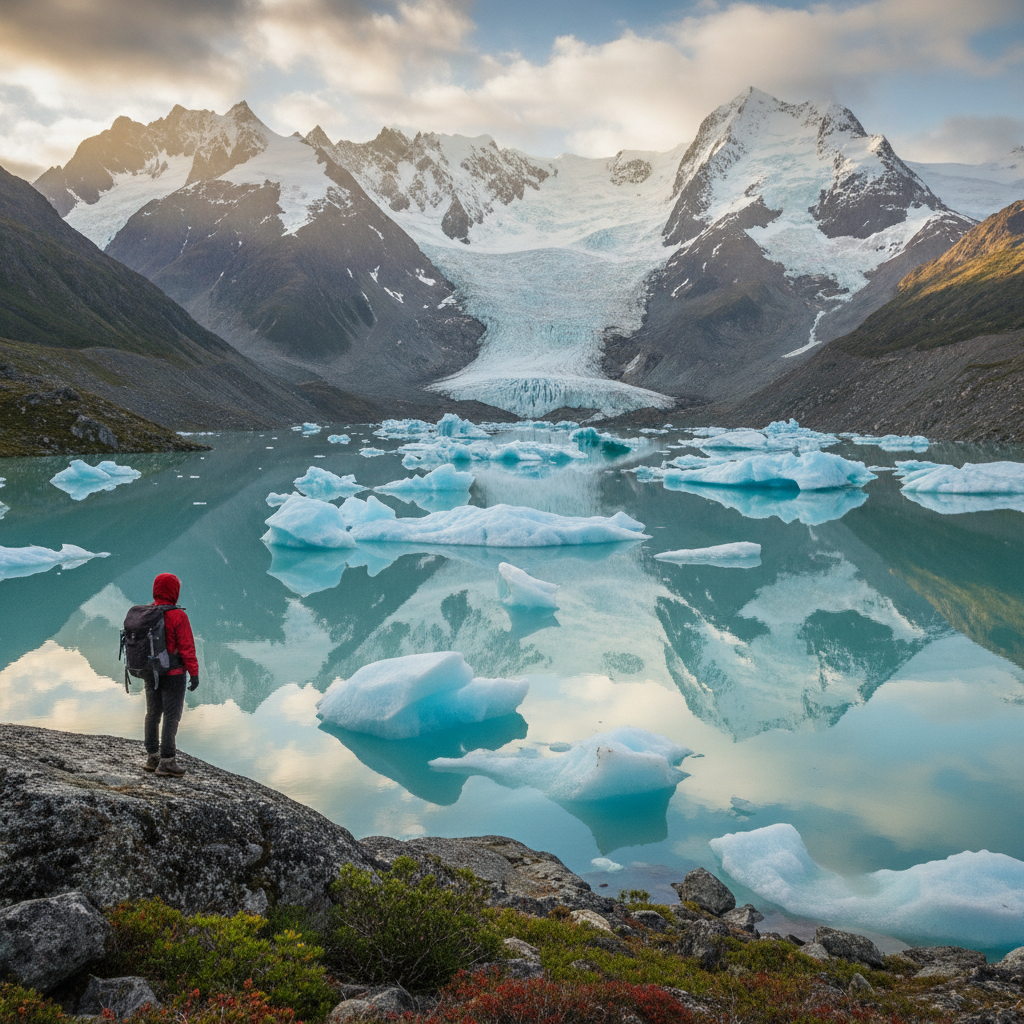
Ushuaia Hiking: Glaciers, Peaks, and Multi-Day Treks in the Fuegian Andes
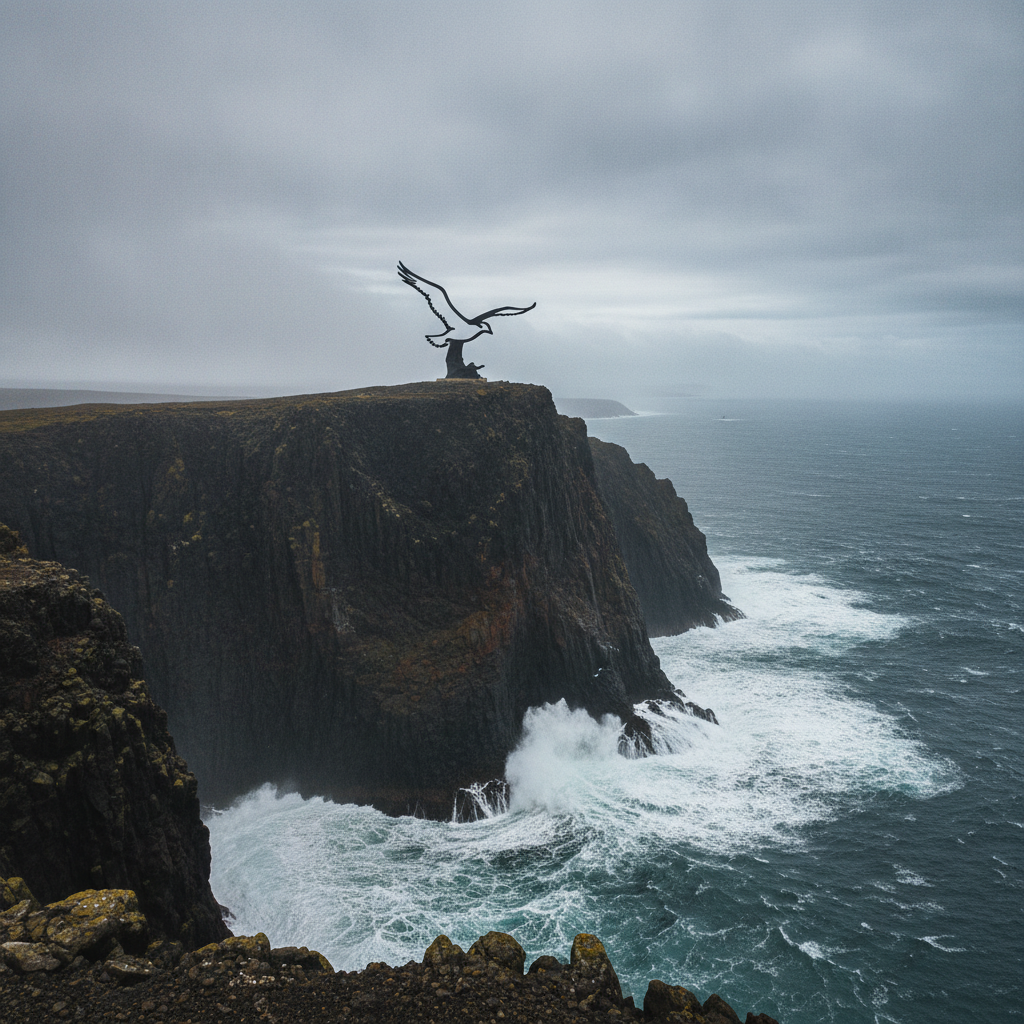
Cape Horn and the Drake Passage: The Bottom of the World
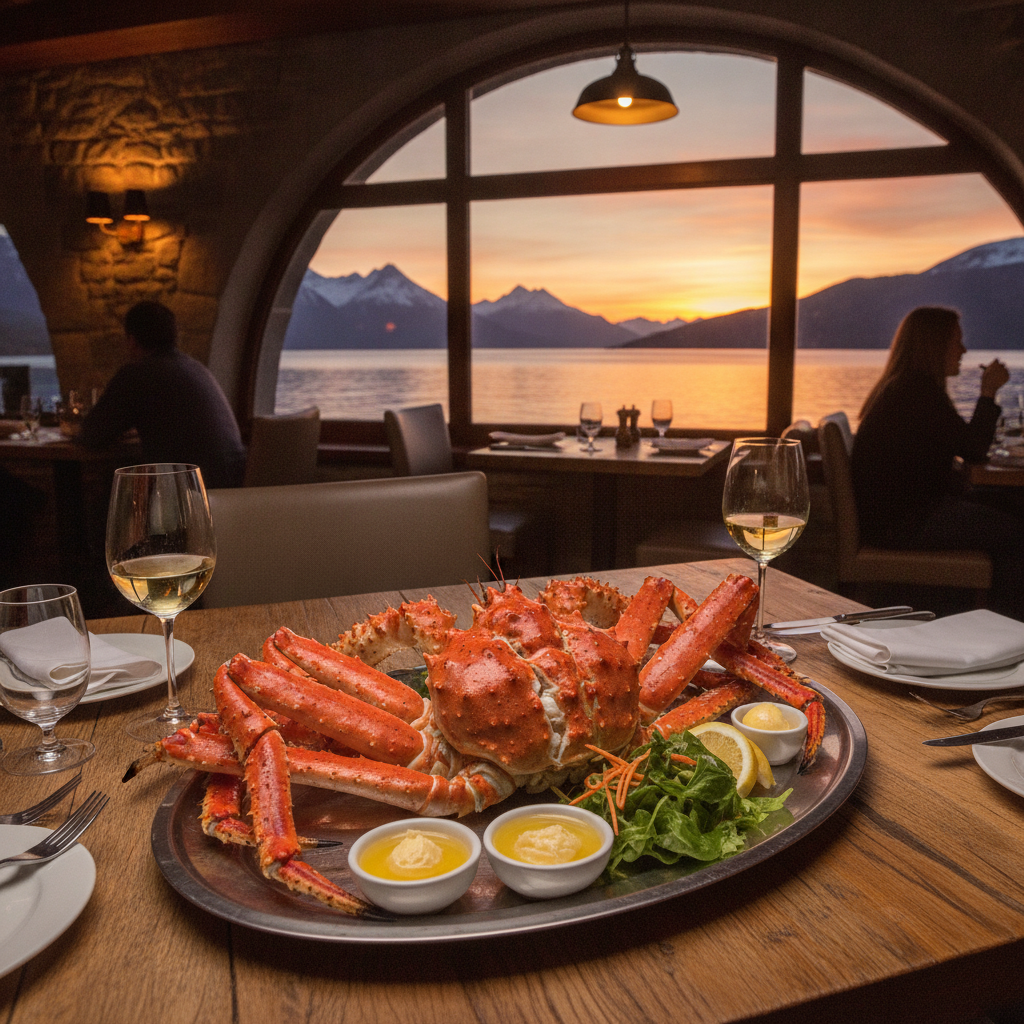
Ushuaia Food, Culture, and the Frontier City Social Life