Ushuaia Seasons: Summer Midnight Sun, Autumn Colors, Winter Snow, and Spring Wildflowers
The seasonal character of Ushuaia changes more dramatically than almost any other inhabited place at comparable latitude, swinging from 18 hours of summer daylight in December to fewer than 6 hours in June, with the Nothofagus forest transforming from the deep green of summer through the spectacular orange and red of the autumn foliage change to the bare skeleton branches of winter and back to the fresh lime green of the spring leaf emergence.
- 1
December and January: Midnight Twilight and Antarctic Expeditions
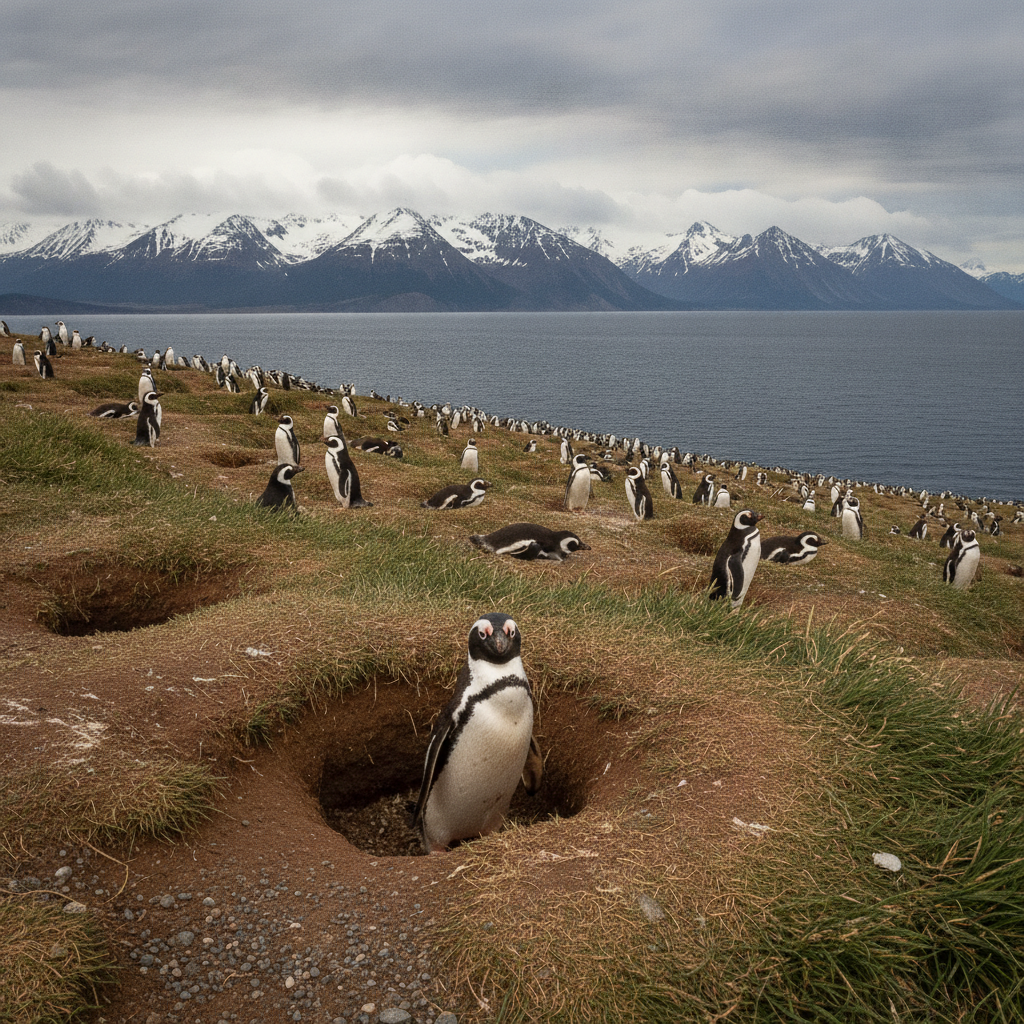
The summer solstice period of December and January brings the maximum daylight to Ushuaia, with approximately 18 hours of direct sunlight and a civil twilight that means true darkness is never achieved around the solstice; the effect on the city is a social extension of the active hours into what would be the night in more northerly locations, with restaurants and bars busy until midnight and outdoor activities possible at any hour. The Antarctic expedition season is at its peak from mid-November through February, with the Ushuaia harbor busy with expedition vessels embarking and disembarking passengers, and the city's accommodation and restaurant infrastructure at full capacity serving the expedition community. The national park and mountain trails are at their busiest during this period, with visitor numbers that can make the most popular routes crowded on fine weekends; early morning starts and the less-popular trails of the park interior offer a quieter experience. The penguin colonies at Isla Martillo are active with breeding pairs incubating eggs and feeding chicks in January and February, providing the most complete behavioral observation of the Magellanic penguin breeding cycle.
- 2
March and April: The Autumn Transformation
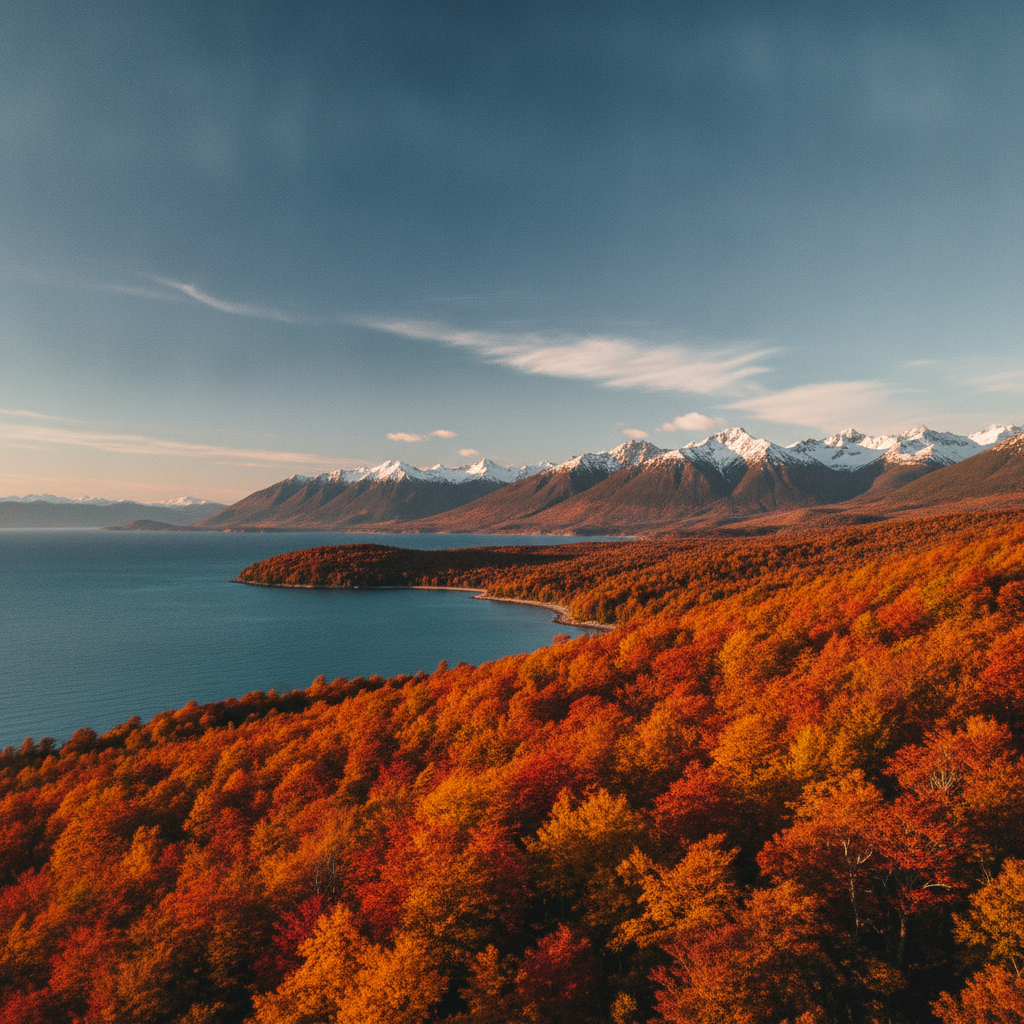
The autumn foliage change of the Nothofagus forest in March and April is considered by many experienced travelers to be the most visually spectacular season in Ushuaia, when the beech leaves turn from green to a range of oranges, reds, and golds that transform the mountain slopes from the uniform green of summer to a tapestry of color against the dark rock faces and snow-dusted peaks. The photographic opportunities of the autumn season are extraordinary: the combination of the colored foliage, the blue water of the Beagle Channel, and the snowline descending gradually on the Martial Mountains creates a visual palette unique to the sub-Antarctic Nothofagus zone. The tourist crowds diminish significantly in March and April as the Antarctic expedition season winds down and the summer holiday visitors return home; accommodation prices drop and the restaurants and trails of the city are significantly less congested. The weather becomes more variable in autumn with an increasing frequency of storm systems moving through from the west, but the clear days between storms provide exceptional photography light and the autumn storms themselves can be visually dramatic in the channel and mountain landscape.
- 3
May and June: Entering the Long Night
The transition from autumn to winter in May and June brings a rapid reduction in daylight hours and the first significant snowfalls on the Martial Mountains above the city, creating the winter landscape that dominates Ushuaia for approximately four months. The city empties of tourists to its lowest annual point in May and June, and the social life contracts around the local population and the ski resort workers who begin preparing Cerro Castor for the winter season. The long winter nights create optimal conditions for aurora australis observation, with the clear, cold winter air providing transparency that makes the displays visible on nights when the solar wind activity is sufficient to drive auroral emission at southern latitudes. The bare Nothofagus forest of the national park in winter creates a skeletal landscape of branch patterns against the white snow that has its own austere beauty; the absence of summer vegetation reveals rock formations and glacial features that are obscured by foliage in the warmer months.
- 4
July and August: Ski Season and the Southern Winter
July and August are the heart of the Ushuaia ski season, with Cerro Castor operating at full capacity and the city receiving a different demographic of domestic Argentine ski tourists who bring a lively social atmosphere to the hotels and bars of the Avenida San Martin. The winter storms of this period can be dramatic, with the Beagle Channel whipped by the westerlies into short, steep waves and the city occasionally receiving significant snowfall that transforms the urban landscape while complicating travel and logistics. The wildlife of the channel in winter includes the sea lions at Isla de los Lobos in their non-breeding season social configuration, the steamer ducks and kelp geese that are resident year-round, and the occasional orca that patrols the channel in search of sea lion prey. The winter restaurant culture in Ushuaia revolves around warming dishes of centolla bisque, Fuegian lamb stew, and the hearty Argentine meat preparations that are particularly satisfying after a day of skiing or winter hiking; the shorter evenings create an earlier dinner culture than the extended summer nights.
- 5
September and October: Spring Emergence and Wildlife Return
The spring transition in September and October brings the first warming days and the gradual return of the migratory species that winter in more northerly latitudes; the arrival of the penguin pairs at the Isla Martillo colony to establish their burrows in October marks the beginning of the southern summer wildlife season. The spring leaf emergence of the Nothofagus forest is one of the most beautiful natural events in the Fuegian calendar, with the lime green of the new leaves providing a vivid contrast to the dark trunks and branches and creating a forest color that is completely different from both the deep green of summer and the gold of autumn. The hiking trails of the national park and the Martial range are mostly clear of winter snow by October, but the higher terrain may retain significant snowpack until November; checking current conditions with the park rangers before attempting high-altitude routes is advisable in the shoulder season. The arrival of the first Antarctic expedition vessels in November, after the end of the most dangerous ice conditions in the Drake Passage, marks the beginning of the new tourist season and the transition from the quiet of the local winter to the energy of the international expedition community.
- 6
Climate Realities: Wind, Rain, and the Fuegian Weather
The climate of Ushuaia is classified as oceanic sub-polar, with characteristically cool temperatures, high wind speeds, and precipitation distributed relatively evenly through the year with a slight summer maximum; the weather is notoriously variable and the combination of mountain topography and the proximity of the Drake Passage weather systems means that conditions can change from clear sunshine to heavy rain or snow within an hour at any time of year. The wind is the defining climatic element of Ushuaia and Tierra del Fuego: the prevailing westerlies that blow off the Drake Passage and through the Beagle Channel create a constant background wind that influences every aspect of outdoor life in the region, from the shape of the vegetation to the temperature experienced on exposed hiking terrain. The rainfall in Ushuaia is not as extreme as in Chilean Patagonia to the north, where the Andes barrier causes enormous precipitation on the windward Chilean side; the Argentine side is drier due to the rain shadow effect of the Darwin Range and other Fuegian mountain ridges. Appropriate clothing for a visit to Ushuaia at any season includes waterproof outer layers, insulating mid-layers that can be added or removed as conditions change, and windproof outerwear that can manage the constant channel wind; the local expression that there are four seasons in a single day in Tierra del Fuego accurately describes the planning requirement for any outdoor activity. The extreme variability of the weather is, for many visitors, part of the appeal of the end-of-the-world experience: the drama of a sudden storm rolling in over the Beagle Channel from the west, with the clouds descending on the mountains and the channel water turning white with whitecaps, is an elemental natural experience that concentrates the sense of being at the edge of the inhabited world.
Walk this route with audio
Stories play automatically as you reach each stop — no tapping needed.
More in Ushuaia
Ushuaia History: Penal Colony, Missionaries, Darwin, and Argentine Sovereignty
Ushuaia Practical Guide: Getting There, Costs, Booking Antarctica, and Circuit Planning
Ushuaia Hiking: Glaciers, Peaks, and Multi-Day Treks in the Fuegian Andes
Cape Horn and the Drake Passage: The Bottom of the World
Ushuaia Food, Culture, and the Frontier City Social Life