Ushuaia Hiking: Glaciers, Peaks, and Multi-Day Treks in the Fuegian Andes
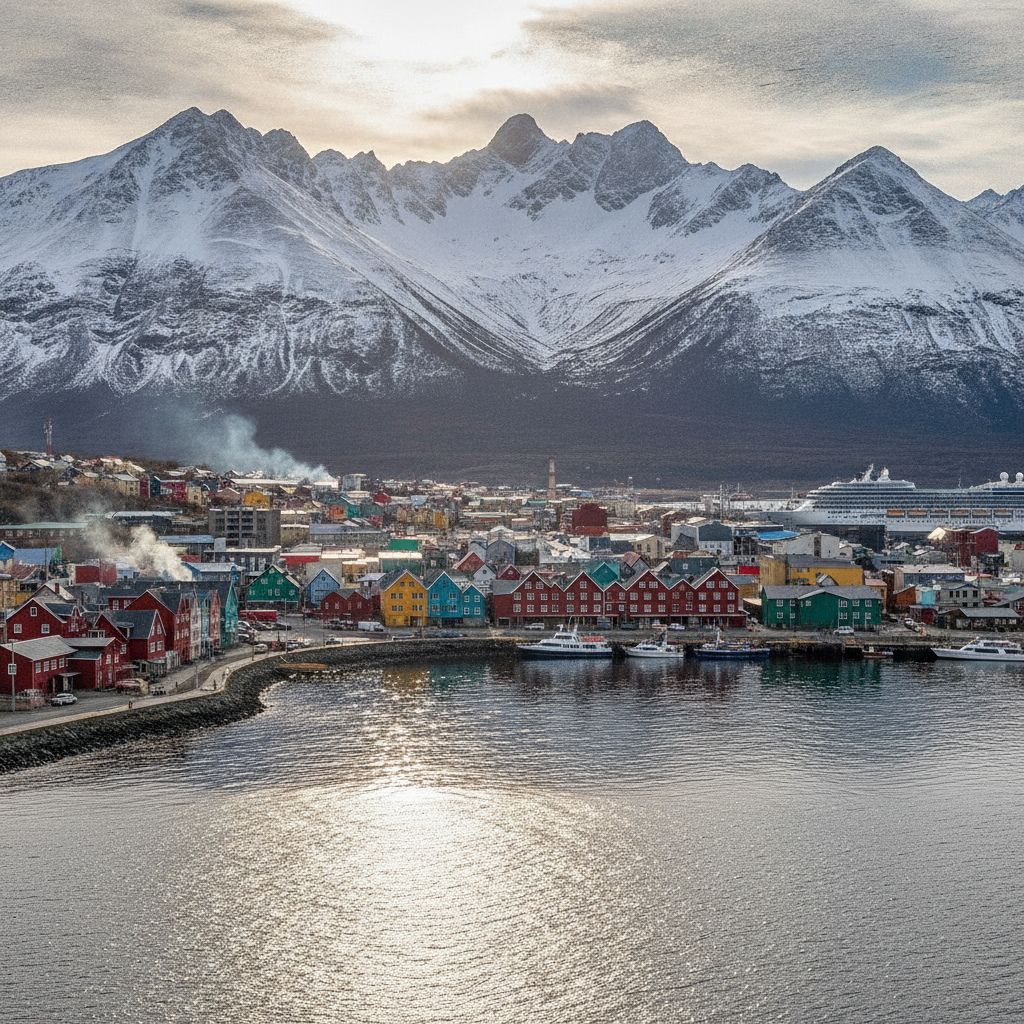
The mountains surrounding Ushuaia offer some of the most dramatic and accessible alpine hiking in South America, combining the vertical relief of the Martial range immediately above the city with the longer multi-day routes of the Tierra del Fuego National Park and the remote circuit treks of the Vinciguerra glacier area. The combination of sub-Antarctic forest, mountain lakes, and the constant backdrop of the Beagle Channel below creates hiking experiences that are unique to this extreme-latitude environment.
- 1
Martial Glacier Trail: The Classic Half-Day Above Ushuaia
The trail to the Martial Glacier from the upper chairlift station above the city is the most accessible serious mountain walk from Ushuaia, gaining approximately 300 meters of elevation over a well-marked trail through Nothofagus forest before emerging onto the open moraine of the retreating glacier. The chairlift reduces the approach time significantly and allows visitors who are not committed to a full day of hiking to reach genuinely alpine terrain within 90 minutes of leaving the city; the walk from the chairlift top to the glacier viewpoint and back can be completed in two to three hours at a comfortable pace. The glacier itself has retreated dramatically over the past century and continues to shrink measurably each year; the current snout of the ice is significantly higher and smaller than the historical photographs displayed in the Ushuaia museums, making the Martial Glacier one of the most visually immediate demonstrations of climate change available to visitors in Argentina. The view from the glacier moraine back over Ushuaia, the Beagle Channel, and the Chilean islands beyond is the finest viewpoint accessible to non-technical hikers near the city and on clear days extends south to the Cape Horn archipelago.
- 2
Vinciguerra Glacier Circuit: The Full-Day Mountain Traverse
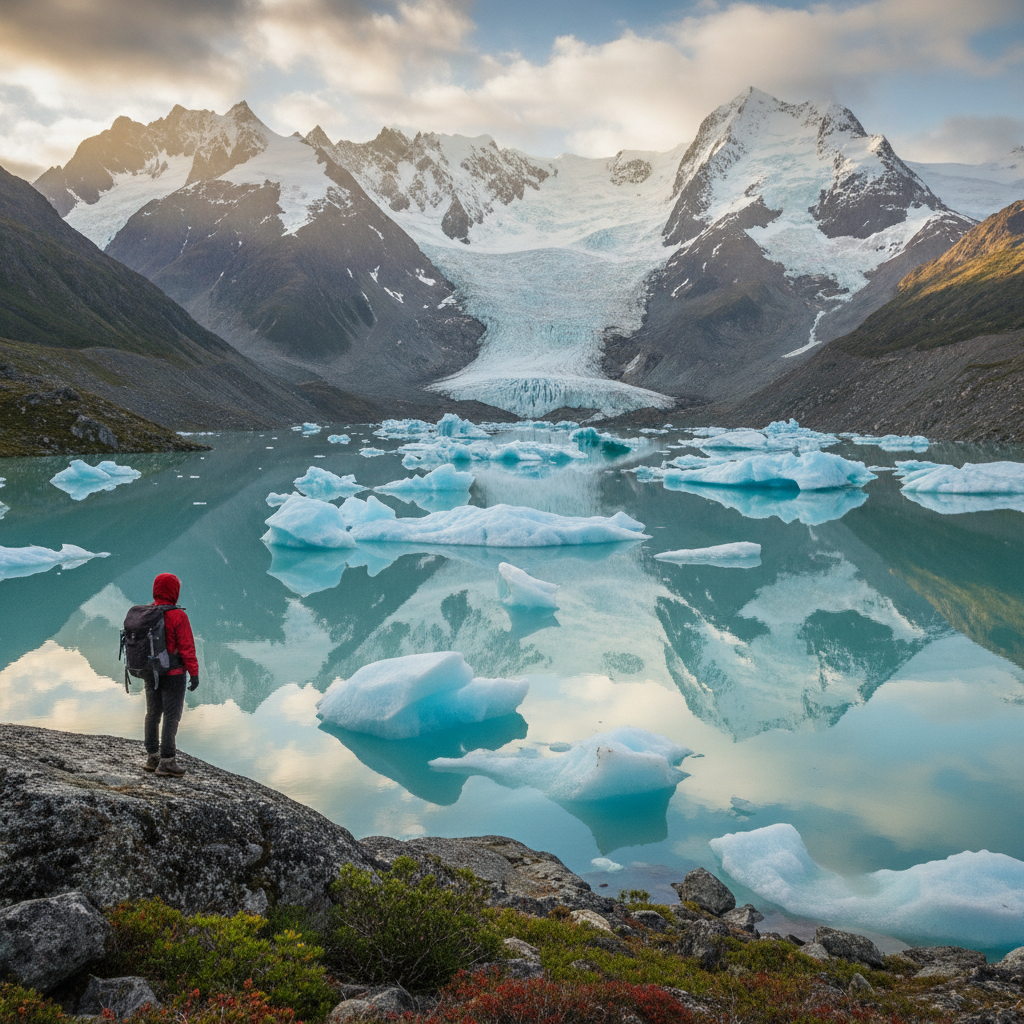
The Vinciguerra Glacier circuit, a 14-kilometer full-day hike from the outskirts of Ushuaia through the Cañadon de la Oveja valley to the Vinciguerra Glacier and Laguna de los Tempanos, is considered the best single-day alpine hike accessible from the city and one of the finest hikes in Argentine Patagonia. The trail climbs steadily through forest and then open alpine terrain to the glacial lake at the base of the Vinciguerra Glacier, where icebergs calved from the glacier float in the turquoise water in one of the most dramatically beautiful mountain lake scenes in the sub-Antarctic world. The hike requires a guide for navigation beyond the Laguna de los Tempanos as the trail is not always clear on the high traverse section; several guiding companies in Ushuaia offer organized day hikes with English-speaking guides and all necessary equipment. The physical demands of the circuit are significant: approximately 8 hours of walking with 700 meters of elevation gain and loss on terrain that can be muddy and slippery after rain; good waterproof boots and wet-weather clothing are essential regardless of the forecast.
- 3
Tierra del Fuego National Park Trails: Coastal and Forest Routes
The trail network of the Tierra del Fuego National Park offers a range of difficulty from the flat coastal walk along the Lapataia Bay to the more demanding ridge routes above the Lago Roca; the combination of forest, lake shore, and channel coast walking within the park creates a varied hiking experience that rewards multiple days of exploration. The Sendero Costera, the coastal trail along the southern shore of the Lago Roca to the Lapataia Bay, is the most popular trail in the park and combines Nothofagus forest sections with open views over the channel and the Chilean mountains beyond; the 10-kilometer trail can be walked in either direction with the return by bus or with a longer loop. The Cerro Guanaco trail above the park, gaining approximately 900 meters to the summit ridge, provides the most extensive views available in the park and on clear days encompasses the full length of the Beagle Channel visible from a single high point; the summit also offers the best viewpoint for observing condors soaring below the ridge. Camping is permitted at designated sites within the park, and a multi-day circuit combining the coastal trail with the Cerro Guanaco summit and a second night at the Laguna del Tren camp creates a two-day park experience that is significantly richer than the half-day visits of most park visitors.
- 4
Cerro Bonete and Cerro Olivia: The Mountain Summits above the City
Cerro Bonete and Cerro Olivia, the two most prominent peaks of the Martial range visible from Ushuaia at approximately 1,000 and 1,326 meters respectively, require more serious hiking ability and navigation skills than the Martial Glacier trail but reward their ascents with panoramic views that include the full Beagle Channel, the Darwin Range on the Chilean side, and the open Atlantic beyond the eastern end of the channel. The ascent of Cerro Olivia involves scrambling on the upper section and is best attempted with a guide or with solid alpine experience; the technical difficulty is not high by general mountaineering standards but the exposed terrain and the rapid weather changes of the Fuegian climate require the same preparation as any serious mountain outing. Both summits are technically unrelated to the commercial ski area on the Martial range and are accessed from different trailheads in the residential areas above the city; the trails are not always clearly marked and the combination of frequent fog and the similarity of the Nothofagus forest cover creates navigation challenges. The spring and summer season from October to March provides the most reliable window for clear-weather summit attempts, though even in summer the Fuegian weather can change from clear to fog and heavy rain within hours.
- 5
Camping and Trekking: Multi-Day Routes in the Fuegian Wilderness
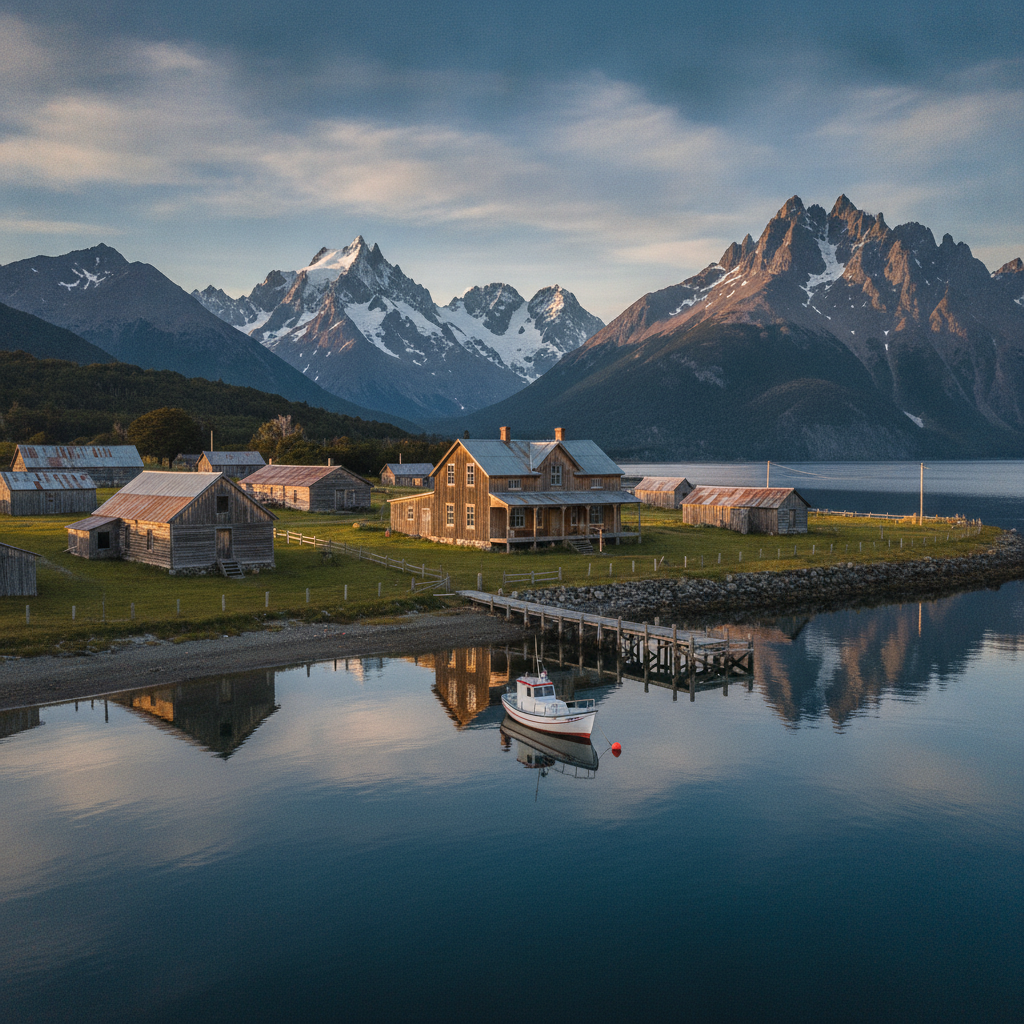
The backcountry of Tierra del Fuego beyond the national park and the Martial range offers multi-day trekking routes in genuine wilderness conditions where encounters with other hikers are rare and the landscape is as remote as any in Argentina. The Paso de la Oveja route, crossing from the Ushuaia area to the Rio Olivia watershed, is a two-day traverse through alpine terrain accessible to fit hikers with backcountry experience and appropriate camping equipment. The Estancia Harberton area east of Ushuaia along the Beagle Channel provides a different trekking environment from the mountains, with coastal walking and the opportunity to combine the wildlife of the penguin colonies at Isla Martillo with the historical context of the oldest estancia in Tierra del Fuego, established by the missionary Thomas Bridges in 1886. Trekking permits for overnight stays in the national park backcountry are required and available at the park entrance; camping outside designated sites is not permitted due to fire risk and the sensitivity of the sub-Antarctic ecosystem. The combination of excellent day hiking from Ushuaia for the first three days of a visit with a multi-day backcountry trek for experienced hikers creates an itinerary that moves progressively from accessible to genuinely remote terrain over the course of a week.
- 6
Cerro Castor Ski Resort: The Southernmost Skiing in the World
The Cerro Castor ski resort 26 kilometers east of Ushuaia on the national route 3 operates from June to September and markets itself as the southernmost ski resort in the world, a claim supported by its position at 54 degrees south latitude that places it significantly further south than any other ski resort on either hemisphere. The resort has 22 kilometers of pisted runs on a vertical drop of 770 meters, with slopes categorized for all levels from beginner to advanced; the most challenging terrain is concentrated in the upper mountain above the treeline where exposed couloirs and off-piste bowls reward advanced skiers willing to navigate the steep terrain. The snow quality at Cerro Castor reflects the sub-Antarctic climate: frequent precipitation, cold temperatures that preserve powder snow for days after a storm, and the westerly weather systems that move through the Beagle Channel bringing consistent snowfall throughout the season. The resort village has limited on-mountain accommodation, with most visitors staying in Ushuaia and taking the daily shuttle bus to the mountain; the return to Ushuaia in the evening with the city lights reflecting on the Beagle Channel is one of the most atmospheric arrivals in any ski destination. The combination of skiing at the bottom of the world with Antarctic expedition planning over dinner in a Ushuaia seafood restaurant creates a uniquely extreme adventure sports itinerary available nowhere else on Earth.
Walk this route with audio
Stories play automatically as you reach each stop — no tapping needed.
More in Ushuaia
Ushuaia History: Penal Colony, Missionaries, Darwin, and Argentine Sovereignty
Ushuaia Practical Guide: Getting There, Costs, Booking Antarctica, and Circuit Planning
Cape Horn and the Drake Passage: The Bottom of the World
Ushuaia Food, Culture, and the Frontier City Social Life
Ushuaia Wildlife: King Crabs, Penguins, Sea Lions, and the Sub-Antarctic Ecosystem