Phi Phi Maya Bay & The Beach Walk
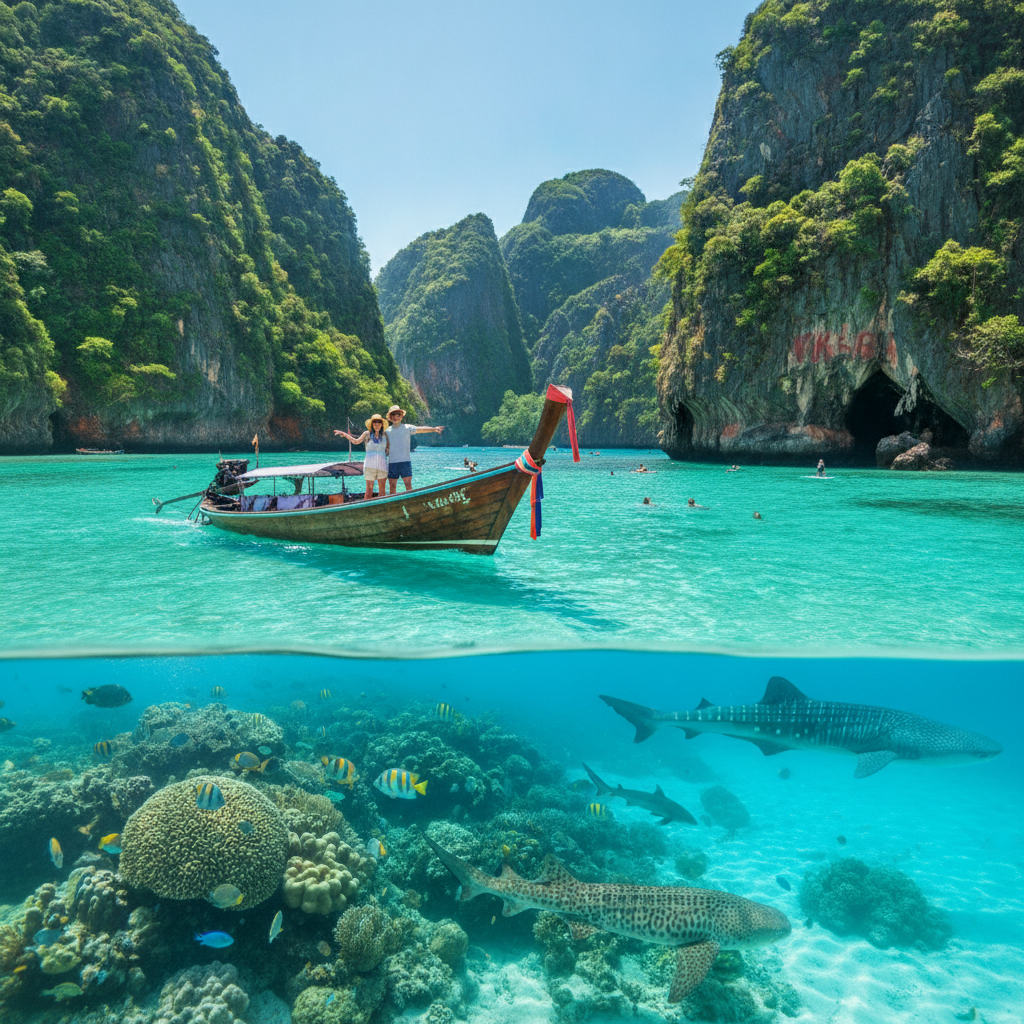
Visit Maya Bay — the enclosed lagoon on the uninhabited Phi Phi Leh that was made world-famous by the 2000 film 'The Beach' was closed for ecological restoration from 2018-2022 and has reopened with strict visitor number controls and a ban on overnight stays.
- 1
Maya Bay Entrance
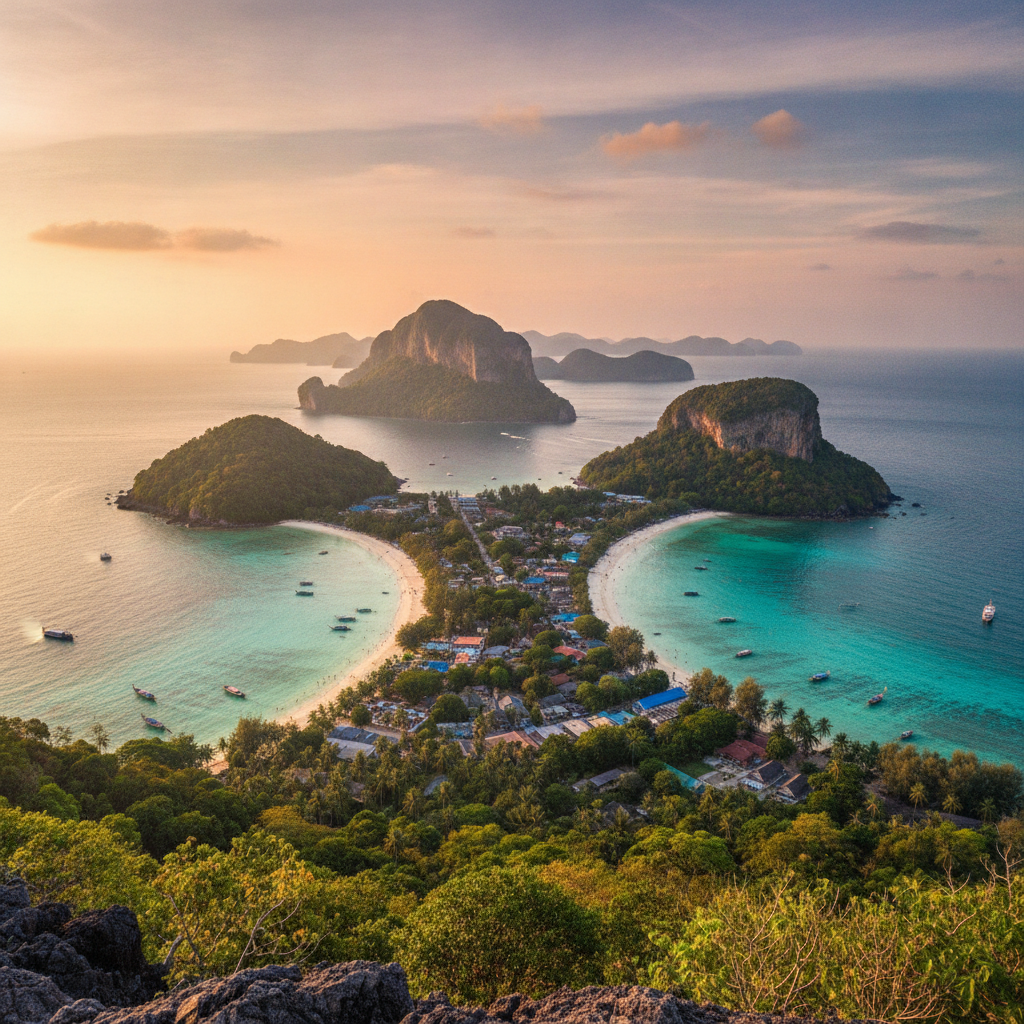
Maya Bay on the western coast of Phi Phi Leh is the most famous beach in Southeast Asian cinema — the enclosed limestone amphitheatre with its white sand beach filmed as the secret paradise in Alex Garland's novel and the Danny Boyle film (starring Leonardo DiCaprio) attracted over 5,000 visitors daily at the peak of its popularity before the Thai government closed it in 2018 for coral reef restoration. The closure allowed the near-dead coral in Maya Bay to recover significantly, and the reopening in 2022 with a maximum of 300 visitors at a time (no overnight stays, boats anchoring outside the bay, access by swimming or kayak only from the outer anchorage) represents one of the most significant marine conservation management decisions made by any Asian government for a tourist site.
- 2
Maya Bay Coral Reef
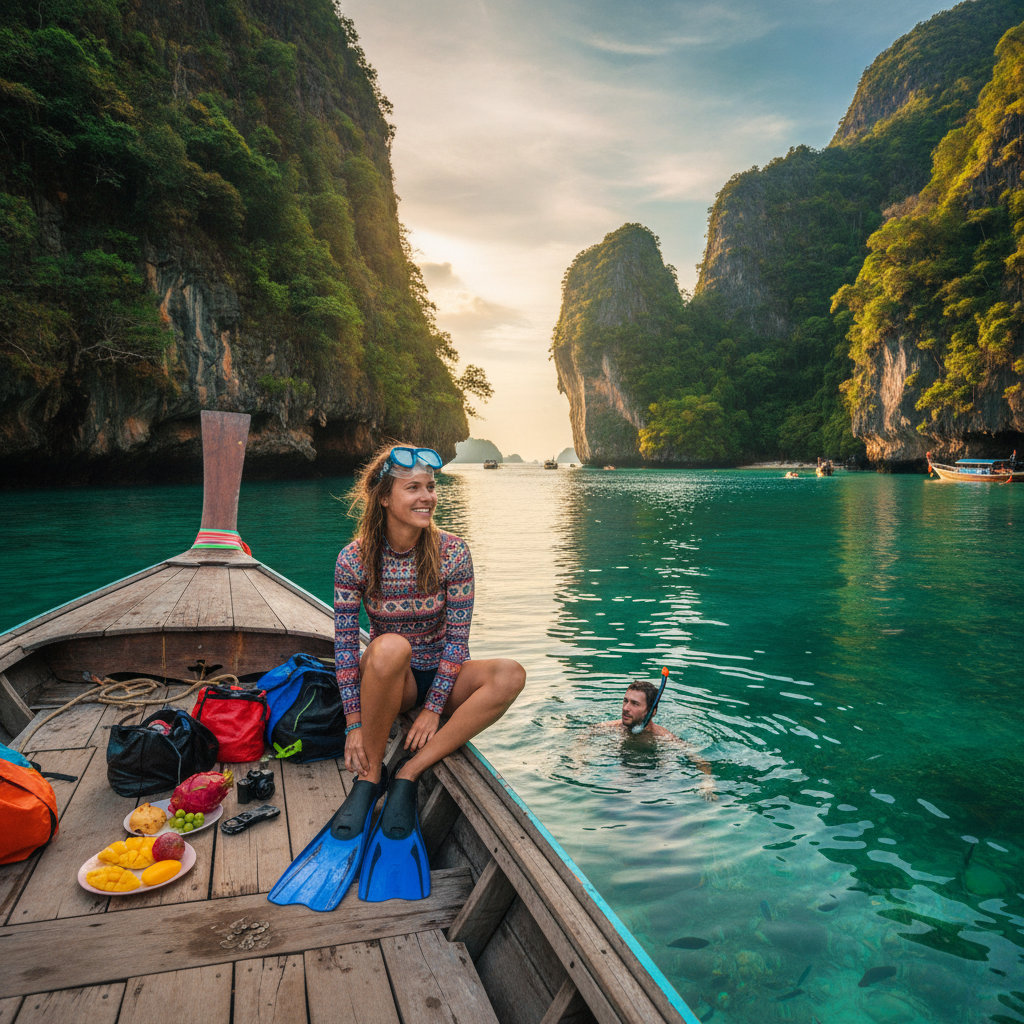
The coral reef recovery in Maya Bay since the 2018 closure has been documented as a significant conservation success — the coral coverage that was reduced to near-zero by boat anchoring, sunscreen chemical pollution, and physical damage by the hundreds of daily boat hulls has recovered substantially, with surveys documenting the return of coral colonies that were absent for years. The snorkeling in Maya Bay under the current management regime (visitors enter the bay swimming from the anchored boats, without fins to prevent coral contact) provides an encounter with recovering reef in a historically significant conservation location.
- 3
Phi Phi Leh Outer Wall
The outer limestone walls of Phi Phi Leh, the uninhabited southern island of the Phi Phi group, rise directly from the sea in vertical or overhanging cliff faces that make the island one of the most dramatic cliff diving and deep water soloing climbing destinations in Thailand — the sheer walls dropping to the sea are visible from the tour boats circling the island, and the geological formations of the marine-eroded karst (the sea caves, the arches, the wave-cut platforms) represent the most dramatic coastal limestone scenery accessible on a standard Phi Phi day tour.
- 4
Loh Samah Bay
Loh Samah Bay on the eastern side of Phi Phi Leh provides the most sheltered snorkeling accessible without entering the restricted Maya Bay area — the bay's coral reef in the protected water between the limestone headlands supports the typical Andaman reef community (the parrotfish grazing the coral, the grouper hunting in the reef crevices, the moorish idol and butterflyfish in the open water above the reef) in water clear enough that the reef bottom at 5-8 metres is fully visible from the surface. The bay's relative protection from boat traffic compared to Maya Bay (most tour boats proceed directly to Maya Bay) allows the snorkeling conditions to be quieter.
- 5
Pileh Lagoon
Pileh Lagoon is an enclosed saltwater lake inside the Phi Phi Leh limestone massif — the emerald green water enclosed by vertical limestone cliffs is accessible through a narrow channel from the open sea, and the completely still water of the enclosed lagoon (protected from the Andaman swell by the surrounding rock walls) has a distinctly different character from the open sea. The reflections of the limestone walls in the still emerald water create the most photographed non-beach image in the Phi Phi tour circuit, and the kayaking in Pileh Lagoon (exploring the cave walls, the overhangs, and the deeper sections of the lagoon) is the most immersive activity available in the Phi Phi Leh environment.
- 6
Bamboo Island Snorkel
Bamboo Island (Koh Phai) north of Phi Phi Don is included in many Phi Phi day tours as a snorkeling stop — the shallow reef around the small island's white sand beach has better coral coverage than the near-shore reef of Phi Phi Don itself, and the accessible snorkeling at the island's southern tip (where the reef begins at knee-deep water) provides the most productive snorkeling accessible on the standard Phi Phi tour circuit. The island's complete absence of permanent development (a day-use beach area only) and the surrounding reef in various states of health provide the most natural island encounter on the standard tour route.
Walk this route with audio
Stories play automatically as you reach each stop — no tapping needed.