Fortaleza Food and Culture: Carne de Sol, Cashew, Forro Music, and Northeast Crafts
The food and cultural traditions of Fortaleza and Ceara state express the distinctive identity of the Brazilian northeast through the sun-dried beef cuisine, the cashew fruit, the forró dance culture, and the extraordinary lace-making tradition of the coastal villages.
- 1
Carne de Sol Culture: The Northeast Table
Carne de sol, the traditional salted and sun-dried beef of the Brazilian northeast, is the gastronomic center of the Ceara culinary tradition and is served at every level of the restaurant hierarchy from the simple market lunchrooms to the refined northeastern cuisine restaurants of Fortaleza that have developed the carne de sol into a contemporary fine dining ingredient. The preparation of carne de sol differs from charque and other South American dried beef traditions in the shorter curing time and the resulting tenderness.
- 2
Cashew: The National Fruit of Ceara
The cashew apple, the fleshy base of the cashew nut that is native to the coastal areas of northeast Brazil, is the signature fruit of Ceara state and the source of cashew juice, cashew wine, cashew liqueur, and the many cashew-based sweets of the regional confectionery tradition. The cashew apple is highly perishable and rarely exported, making the cashew juice available in Fortaleza a local food experience not replicable elsewhere.
- 3
Baiao de Dois: The Peasant Luxury
Baiao de dois, the rice and feijao verde bean combination cooked with coalho cheese, dried meat, and butter, is the signature comfort food of Ceara state and the dish that best represents the ingenuity of northeastern Brazilian cooking in creating deeply satisfying food from the limited protein and starch ingredients available in the semi-arid interior. The best baiao de dois in Fortaleza is served in the simple restaurants of the market area.
- 4
Fortaleza Nightlife: Forro and the Dance Culture
Fortaleza is the capital of the forró music and dance tradition, the accordion-driven rural music of the northeast that was popularized nationally by Luiz Gonzaga and that remains the living popular music of Ceara state. The forro clubs of Fortaleza, which operate on weekend nights and attract both young professionals and older couples, provide an encounter with authentic northeastern social culture quite different from the tourist-facing shows.
- 5
Mercado Central: The Northeast Concentrated
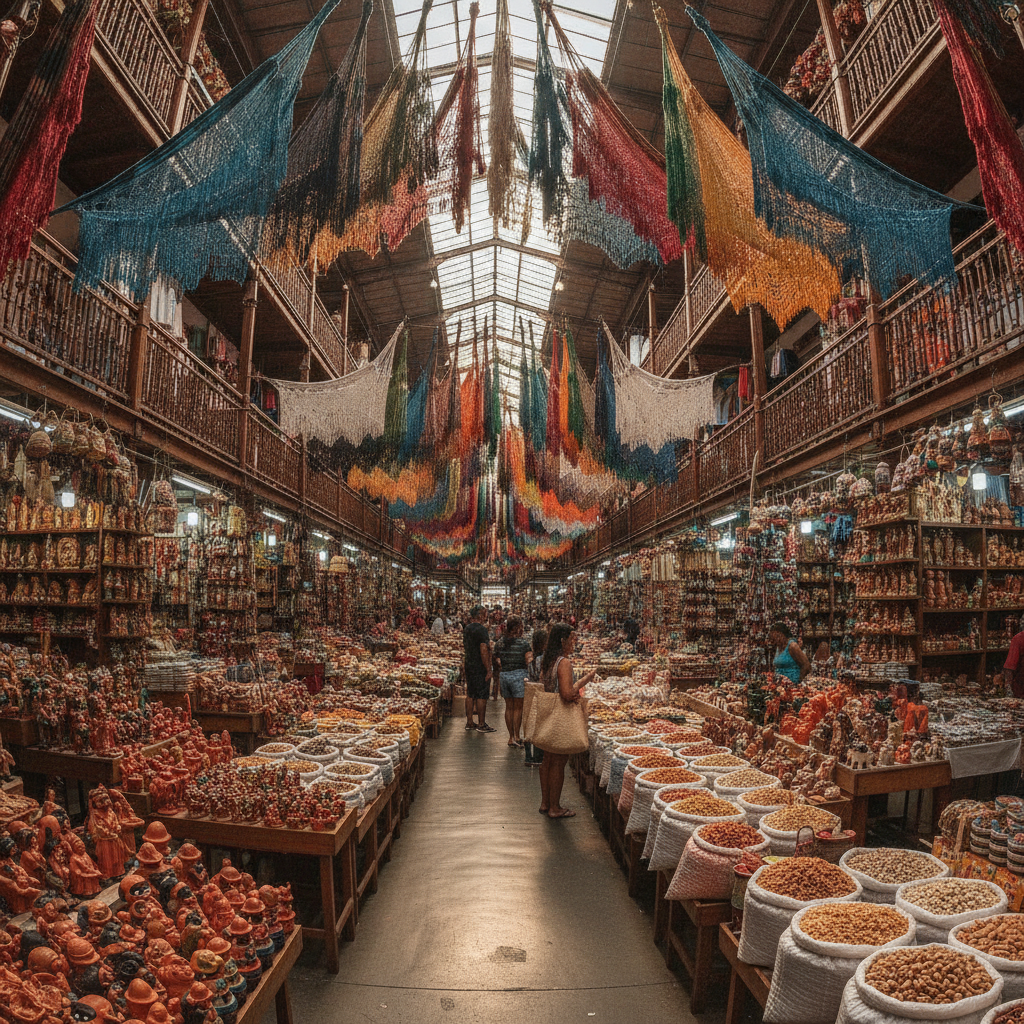
The Mercado Central of Fortaleza, one of the largest craft and food markets in Brazil, concentrates the material culture of Ceara state in four floors of vendors selling handmade hammocks, lace work, ceramic figurines, leather goods, and the full range of regional food products from dried shrimp and cashews to medicinal herbs and regional sweets. The market is both a functional food market for residents and the primary shopping experience for visitors seeking regional artisanal products.
- 6
Ceara Lace: The Rendeiras Tradition
The lace making tradition of Ceara, practiced by the rendeiras who work the bilro lace at their pillows in the coastal villages of the state, is recognized as an intangible cultural heritage and is the source of one of the finest artisanal products available in the Mercado Central and the craft markets of the beach villages. Aquiraz, 30 kilometers from Fortaleza, is the most accessible community for observing the rendeiras at work.
Walk this route with audio
Stories play automatically as you reach each stop — no tapping needed.
More in Fortaleza
Fortaleza Practical Guide: Getting There, When to Visit, Neighborhoods, and Coastal Transport
Ceara Coastline: Kite Surfing, Lencois Maranhenses, and the White Dune Coast
Fortaleza Arts and Culture: Dragao do Mar, the Iron Theater, Northeast Carnival, and Padre Cicero
Fortaleza History: The Dutch Fort, the Great Drought, and the Capital of Brazilian Abolition
Fortaleza: Northeast Beaches, Kite Surfing, Jericoacoara, and the Culture of Ceara