Fortaleza Arts and Culture: Dragao do Mar, the Iron Theater, Northeast Carnival, and Padre Cicero
The cultural life of Fortaleza extends from the landmark Dragao do Mar complex and the Victorian iron theater to the Fortal carnival celebration, the contemporary cinema tradition, and the powerful popular religious culture of the Padre Cicero pilgrimage city of Juazeiro do Norte.
- 1
Dragao do Mar: More Than a Museum
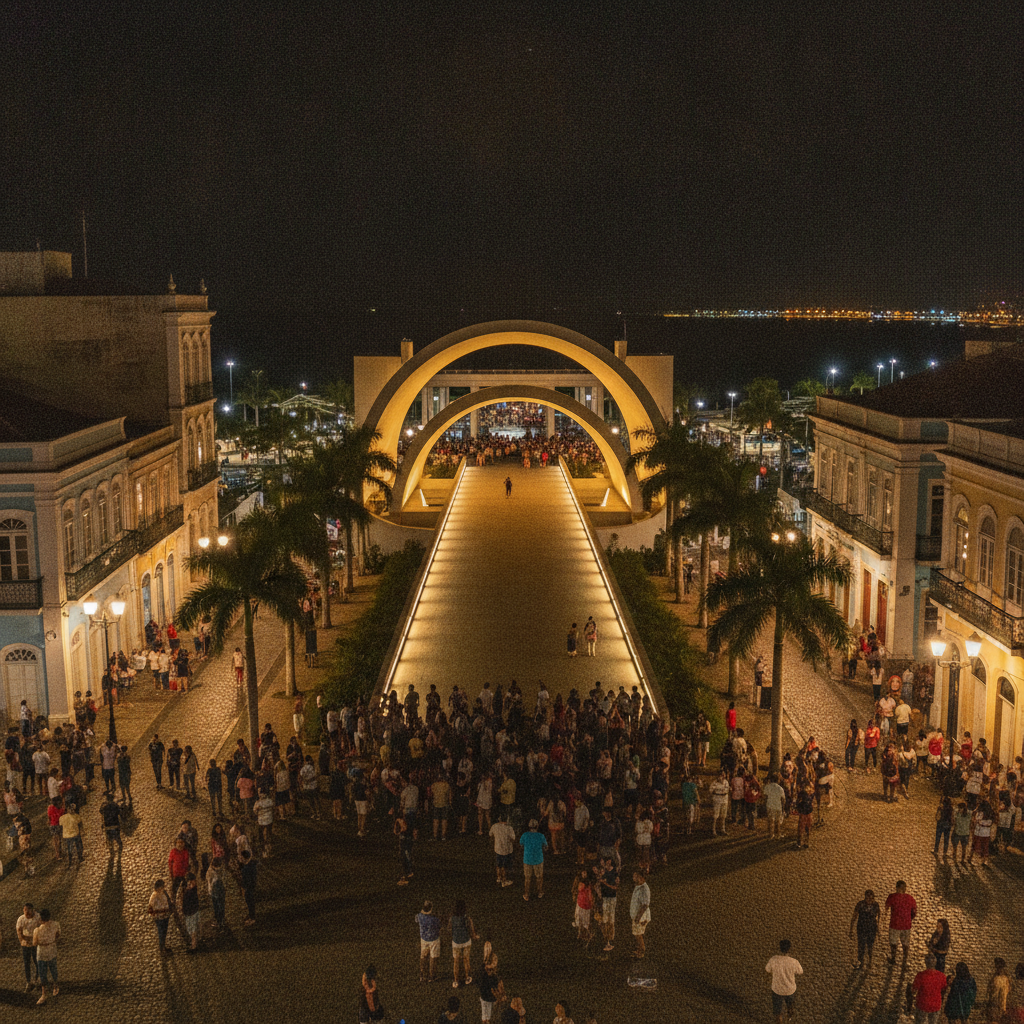
The Centro Dragao do Mar de Arte e Cultura is the most important cultural institution in the northeast of Brazil, combining the Museo de Arte Contemporanea do Ceara, the planetarium, and the cinema with the outdoor amphitheater and the surrounding streets that become a concentrated restaurant and bar district on Friday and Saturday nights. The building itself, designed by Delberg Ponce de Leon and Ricardo Bezerra over the historic Praia de Iracema neighborhood, is an architectural statement about the relationship between urban infrastructure and public cultural space.
- 2
Teatro Jose de Alencar: The Iron Theater
The Teatro Jose de Alencar, built in 1910 from prefabricated cast iron sections imported from Glasgow, Scotland, is the finest colonial theater building in the Brazilian northeast and a landmark of the industrial age architecture that equipped the rubber and cotton boom cities of the tropics with cultural infrastructure manufactured in European factories. The interior combines the Victorian iron structure with the tropical landscape visible through the glass sections of the roof.
- 3
Fortaleza Cinema and Contemporary Art
Fortaleza has produced a significant body of Brazilian independent cinema associated with the Ceara audiovisual production community, with directors including Karim Ainouz and Marcelo Gomes who have brought the northeastern landscape and social reality into the international art cinema circuit. The Dragao do Mar cinematheque and the annual Ceara Music Festival provide institutional support for the contemporary cultural scene.
- 4
Ceara Music Festival and Fortal: The Northeast Carnival
Fortaleza hosts one of the largest street carnival celebrations in Brazil outside the official pre-Lent period with the Fortal event in July, combining the trio eletrico axe music trucks of Bahia tradition with the forró and electronic music stages of the local youth culture. The event draws hundreds of thousands of participants and is one of the defining celebrations of the northeast summer.
- 5
Artesanato and Design: Northeast Crafts in Contemporary Context
The traditional craft traditions of Ceara, including the bilro lace, the colorful hammocks, the ceramic figurines of the Juazeiro do Norte tradition, and the leather goods of the interior, are being recontextualized in contemporary design and fashion contexts by Ceara designers who use traditional techniques and materials in modern applications. The Mercado dos Pinhoes in the center of Fortaleza provides a curated selection of quality regional crafts.
- 6
Juazeiro do Norte: The Padre Cicero Pilgrimage City
Juazeiro do Norte in the Ceara interior, seven hours from Fortaleza by bus, is one of the most important pilgrimage cities in Latin America, centered on the figure of Padre Cicero Romao Batista, the Catholic priest who became a messianic figure for the poor of the northeast during the late 19th and early 20th centuries. The city receives millions of pilgrims annually and preserves a popular religious culture of extraordinary intensity and visual richness.
Walk this route with audio
Stories play automatically as you reach each stop — no tapping needed.
More in Fortaleza
Fortaleza Practical Guide: Getting There, When to Visit, Neighborhoods, and Coastal Transport
Ceara Coastline: Kite Surfing, Lencois Maranhenses, and the White Dune Coast
Fortaleza History: The Dutch Fort, the Great Drought, and the Capital of Brazilian Abolition
Fortaleza Food and Culture: Carne de Sol, Cashew, Forro Music, and Northeast Crafts
Fortaleza: Northeast Beaches, Kite Surfing, Jericoacoara, and the Culture of Ceara