Fortaleza Practical Guide: Getting There, When to Visit, Neighborhoods, and Coastal Transport
The practical information for visiting Fortaleza covers the flight connections to the northeast hub airport, the seasonal choice between kite surfing and lagoon swimming, the beach neighborhood accommodation options, and the logistics of reaching the coastal villages by bus and 4x4.
- 1
Getting to Fortaleza: Flights and the Northeast Hub
Fortaleza Pinto Martins International Airport is one of the busiest airports in northeast Brazil and receives direct flights from Lisbon, Miami, and other international destinations in addition to the dense domestic network connecting to all major Brazilian cities. The airport is compact and well-organized, with the city center accessible by taxi, ride-share, or the metropolitan bus service.
- 2
When to Visit: Dry Season and Wind Season
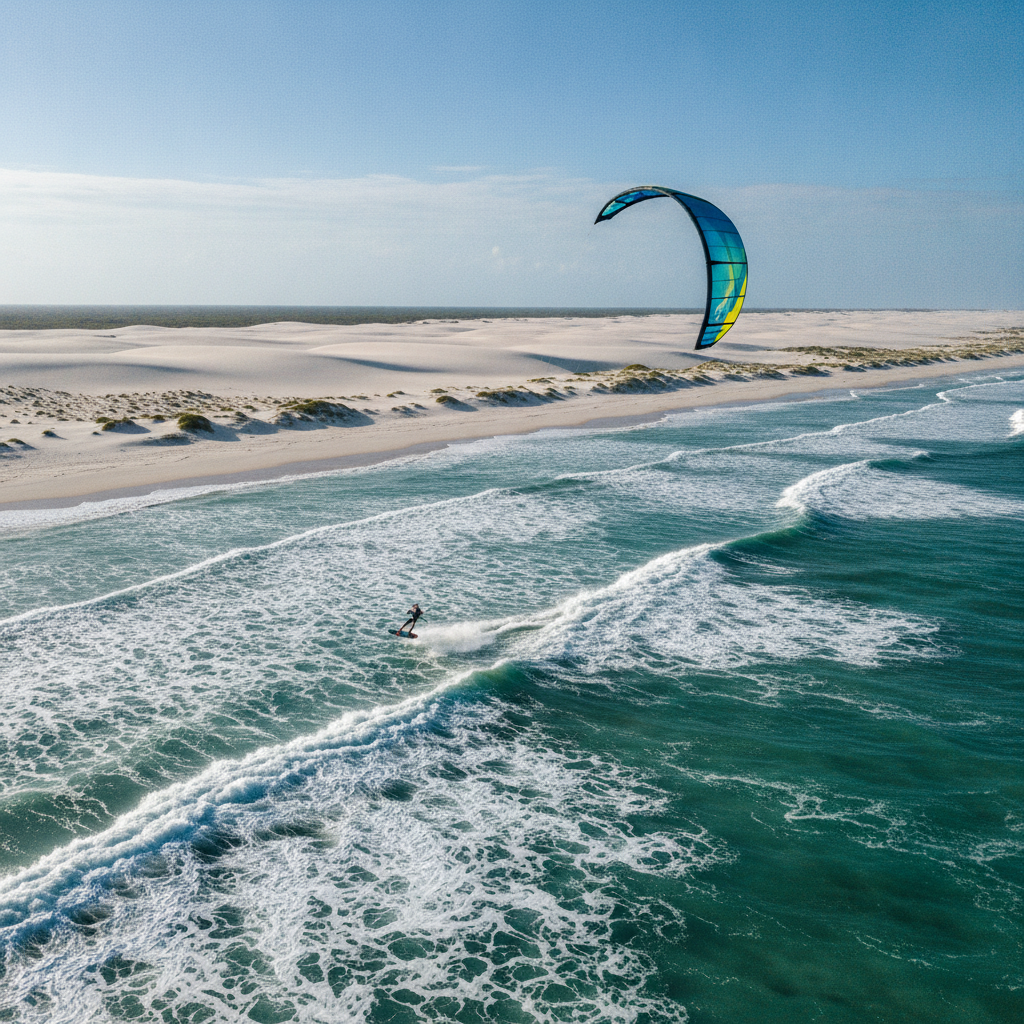
Fortaleza has a tropical climate with two distinct seasons: the dry season from July to December, which coincides with the strongest trade winds and the best kite surfing conditions, and the rainy season from January to June, when the inland lagoons of Jericoacoara fill and the Lencois Maranhenses dune lagoons reach their peak. The hottest months are September through December.
- 3
Neighborhoods: Where to Stay in Fortaleza
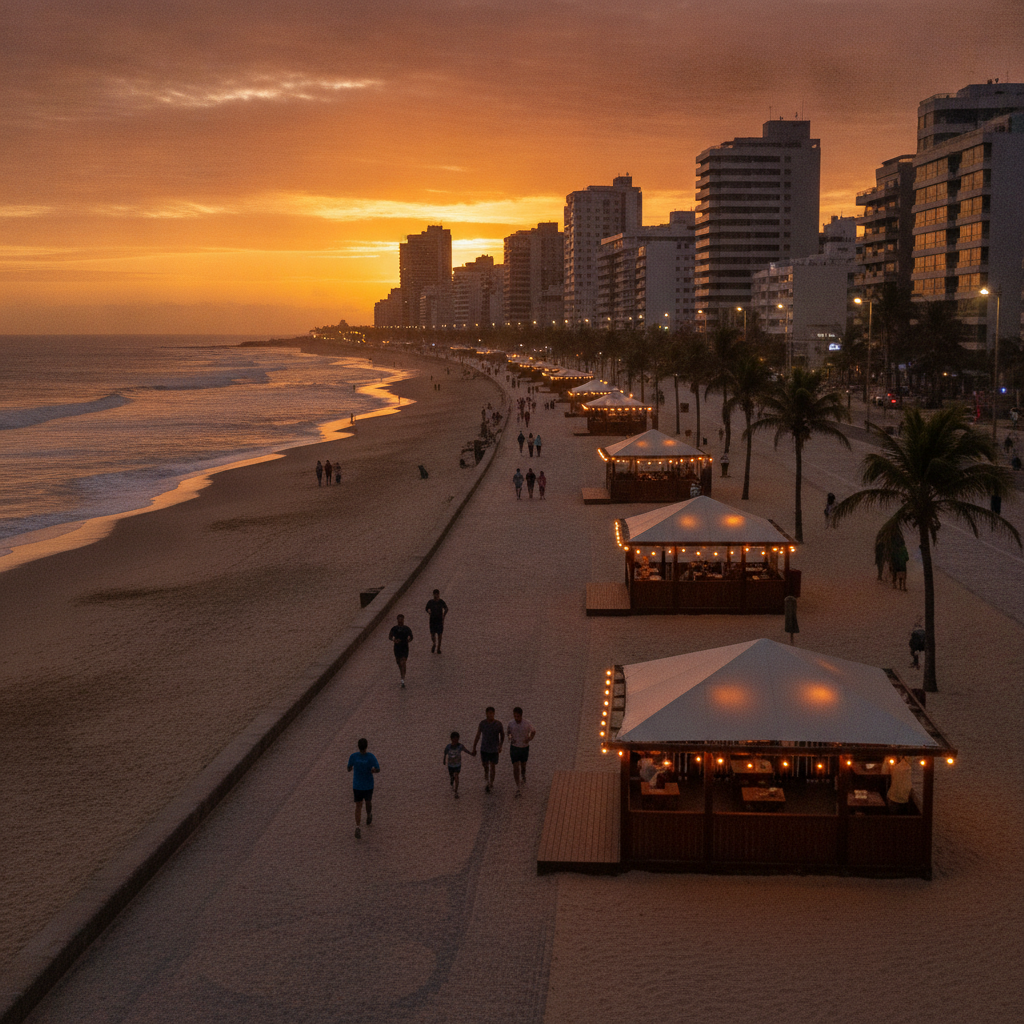
Meireles is the principal tourist accommodation district, with the full range of hotels from budget to luxury aligned along the beach promenade. Aldeota is the upper-middle-class residential and restaurant district inland from Meireles. Iracema has the historic nightlife concentration and the Dragao do Mar cultural center. The beach neighborhoods of Mucuripe and Praia do Futuro have more local character and less tourist infrastructure.
- 4
Getting Along the Coast: Buses and 4x4 Transfers
The coastal destinations east and west of Fortaleza are served by a combination of the interstate bus network for the major towns and 4x4 transfers for the final access to beach villages including Jericoacoara and Canoa Quebrada. The bus journey from Fortaleza to Jijoca de Jericoacoara takes approximately four to five hours, followed by 30 minutes of 4x4 across the dunes.
- 5
Safety in Fortaleza: Zones and Precautions
Fortaleza has one of the higher crime rates among Brazilian capitals and visitors should exercise specific precautions including avoiding beach areas at night, using ride-share applications rather than street taxis, and staying within the tourist zones of Meireles, Iracema, and Aldeota after dark. The beach destinations outside the city are generally safer than the urban neighborhoods.
- 6
Budget and Costs: Northeast Brazil Value
Fortaleza and the Ceara coast represent excellent value within Brazil, with accommodation, food, and activities significantly cheaper than the southern cities of Rio de Janeiro and Sao Paulo. Budget travelers can live comfortably in Jericoacoara with hostel accommodation and local restaurant meals for a daily cost that would not cover a single night in a mid-range Rio de Janeiro hotel.
Walk this route with audio
Stories play automatically as you reach each stop — no tapping needed.
More in Fortaleza
Ceara Coastline: Kite Surfing, Lencois Maranhenses, and the White Dune Coast
Fortaleza Arts and Culture: Dragao do Mar, the Iron Theater, Northeast Carnival, and Padre Cicero
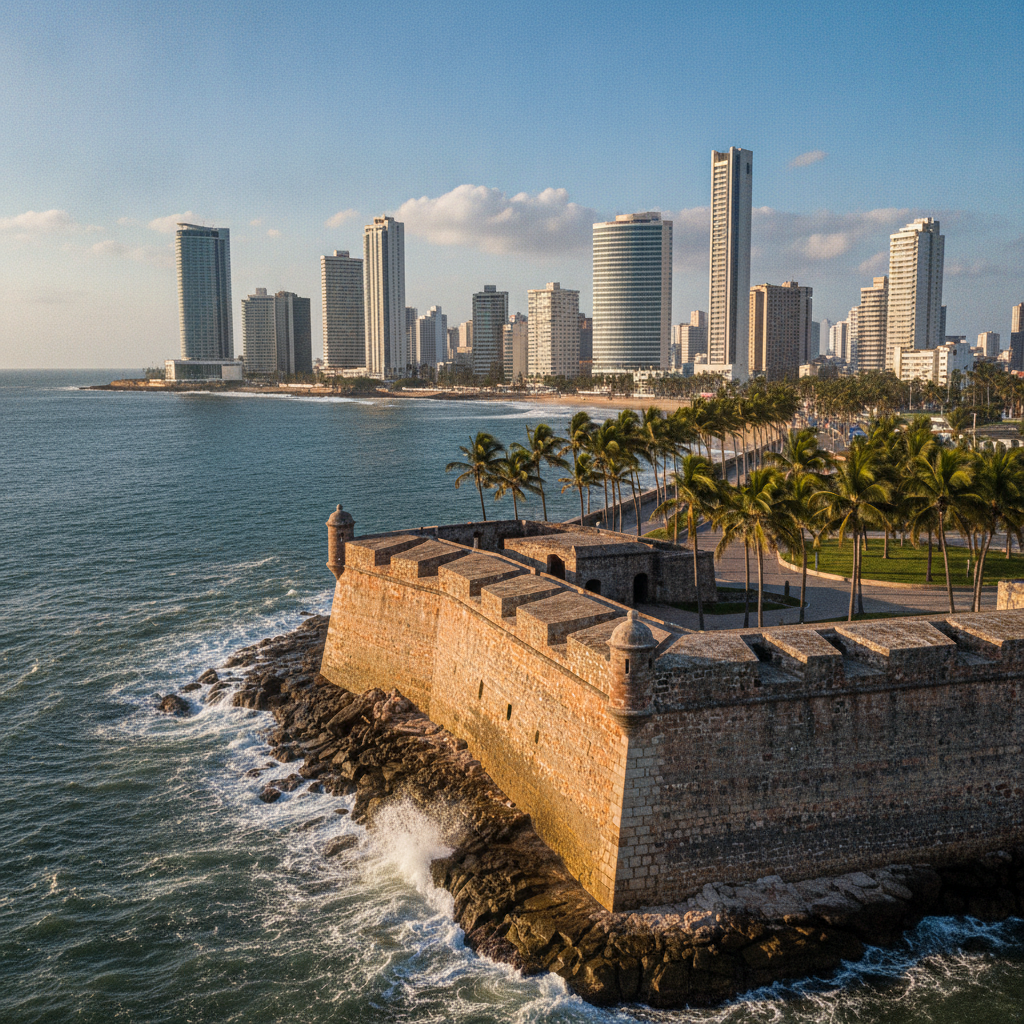
Fortaleza History: The Dutch Fort, the Great Drought, and the Capital of Brazilian Abolition
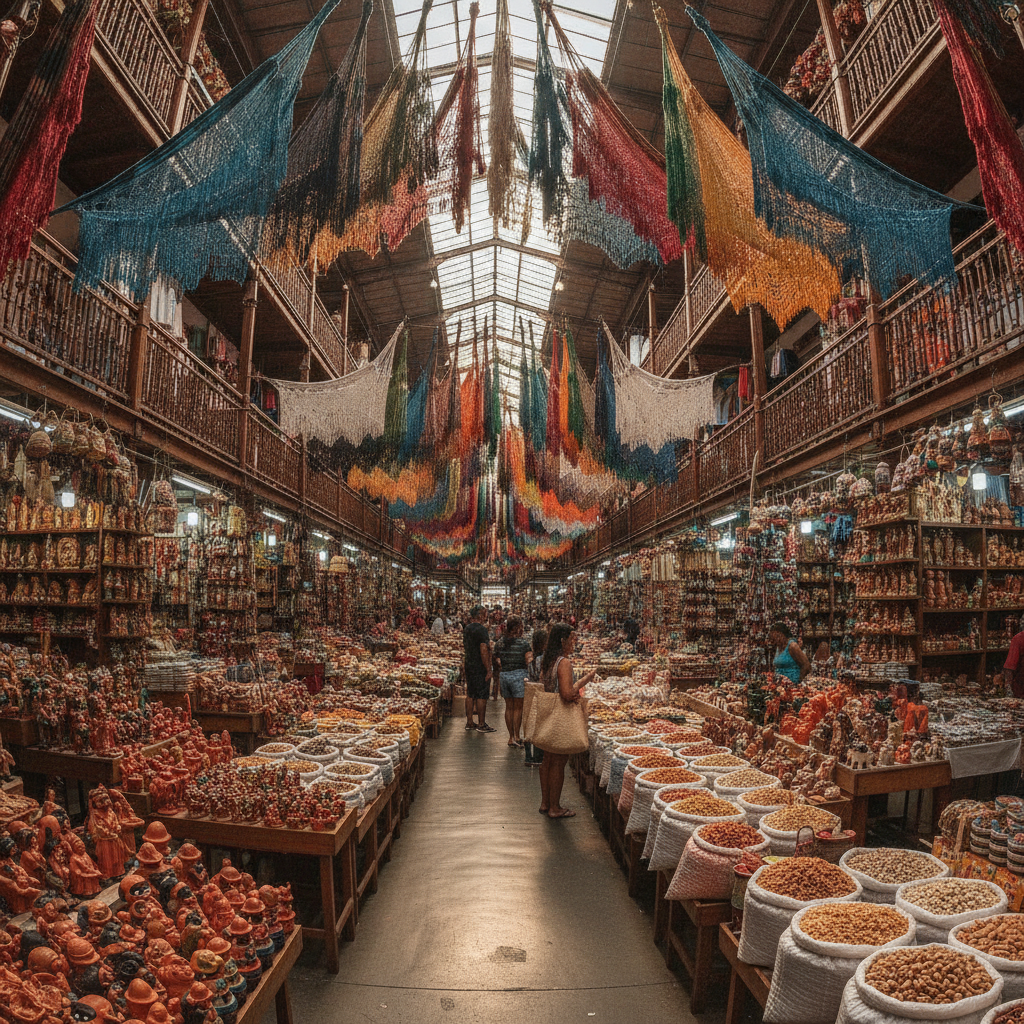
Fortaleza Food and Culture: Carne de Sol, Cashew, Forro Music, and Northeast Crafts
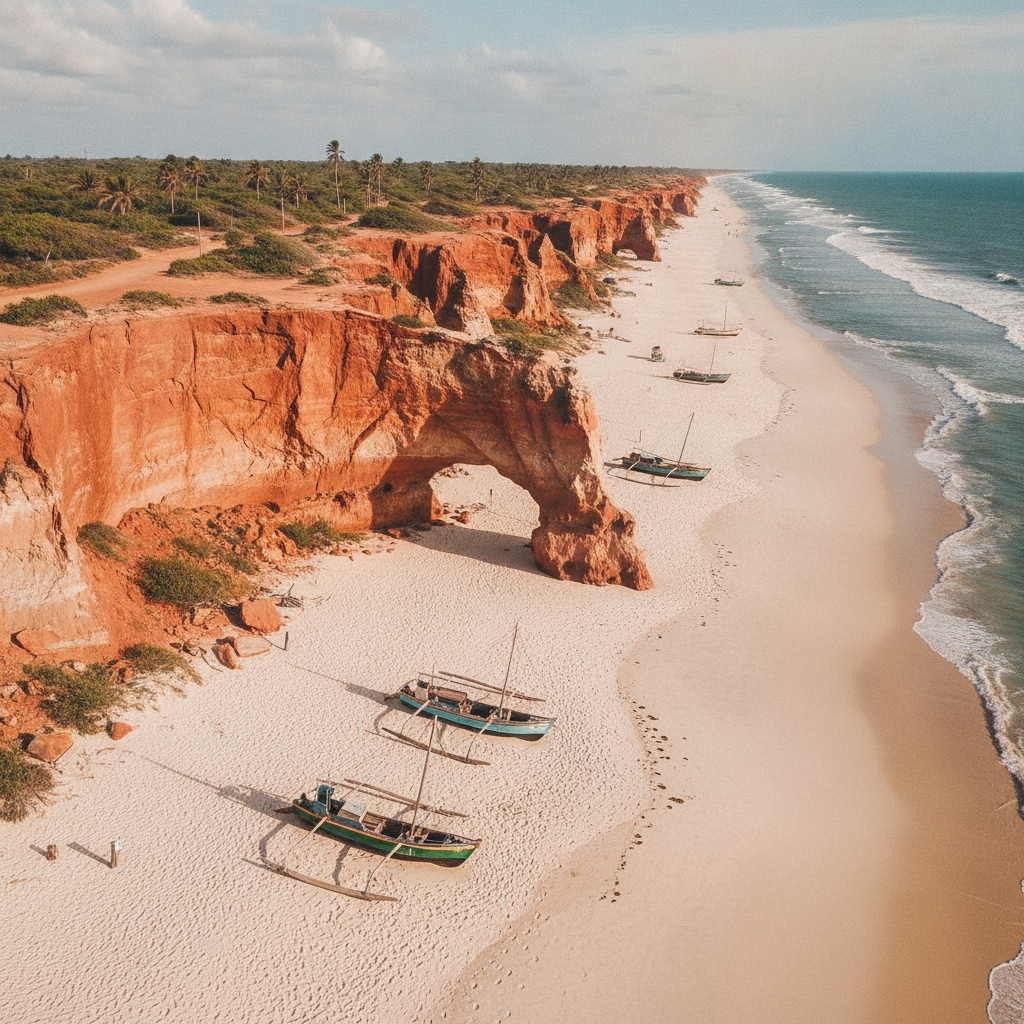
Fortaleza: Northeast Beaches, Kite Surfing, Jericoacoara, and the Culture of Ceara