Ceara Wildlife: Dolphins at Fernando de Noronha, Sea Turtles, Whale Sharks, and the Caatinga
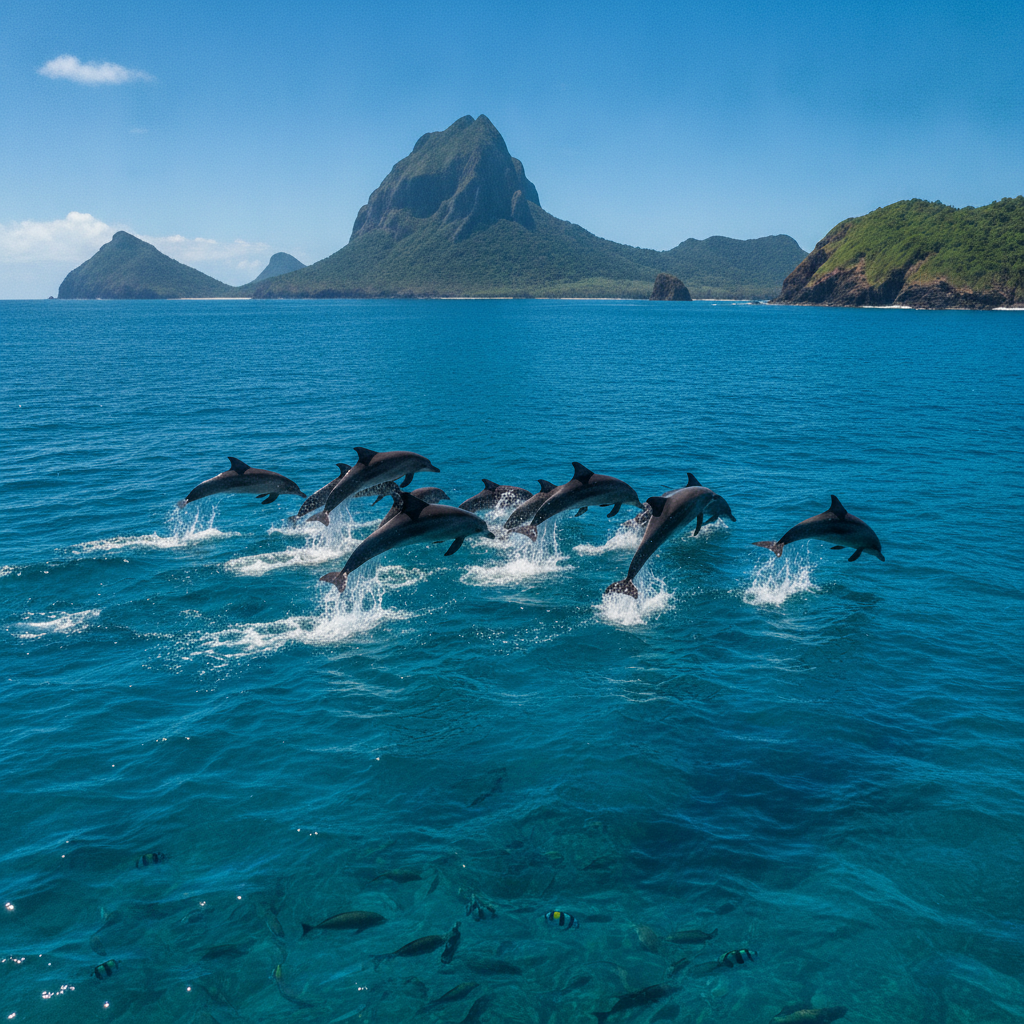
The marine and terrestrial wildlife of Ceara state and the adjacent Fernando de Noronha archipelago includes spinner dolphins, sea turtles, whale sharks, and the unique endemic species of the caatinga dry forest ecosystem.
- 1
Raia Manta and the Northeast Marine Environment
The warm, clear waters of the Ceara coast support populations of manta ray, sea turtle, nurse shark, and reef fish accessible to divers and snorkelers at the offshore reef systems of Flecheiras and Trairi, which are the most developed dive destinations in Ceara state. The coral reef environments of the northeast Brazil coast, separate from the better-known reefs of Bahia and Fernando de Noronha, receive fewer international divers and offer less crowded reef experiences.
- 2
Fernando de Noronha: The Atlantic Archipelago
Fernando de Noronha, the oceanic archipelago 354 kilometers off the Ceara coast accessible by short flight from Fortaleza and Recife, is the most biodiverse marine environment in the South Atlantic, protected as a national marine park and UNESCO World Heritage Site. The combination of spinner dolphin pods, sea turtles nesting on the beaches, and exceptional underwater visibility in the warm Atlantic current makes Fernando de Noronha one of the finest dive and snorkel destinations in the world.
- 3
Sea Turtle Conservation: TAMAR and Ceara Beaches
The TAMAR program, the Brazilian sea turtle conservation project, operates nesting beach monitoring and hatchery programs on several Ceara beaches including Almofala and Redonda, where the olive ridley and loggerhead turtles nest between September and March. The TAMAR visitor centers provide public education and ecotourism programming connected to the turtle release events during the hatching season.
- 4
Caatinga: The Unique Semi-Arid Ecosystem
The caatinga, the thorny dry forest ecosystem of the Brazilian northeast interior that covers approximately 60 percent of Ceara state, is a globally unique biome with high levels of endemism including the endemic maned wolf, the banded anteater, and dozens of plant species found nowhere else in the world. The Serra da Capivara in neighboring Piaui state protects one of the best preserved caatinga landscapes with the added dimension of the world's most important collection of prehistoric rock art.
- 5
Whale Sharks at Ceara: The Seasonal Aggregation
The whale shark aggregations off the Ceara coast near Ilha do Mel are among the least-publicized marine wildlife events in Brazil, with the filter-feeding sharks gathering in the warm nearshore waters from August to November to feed on the seasonal plankton blooms. The snorkeling encounters with whale sharks in the calm coastal waters of Ceara are accessible and less commercially developed than the more famous Bahia encounters.
- 6
Parnaiba Delta Ecology: The Mangrove Transition Zone
The Parnaiba River delta on the Piaui-Maranhao border, reachable from Fortaleza by overnight bus to Parnaiba city, contains the most extensive and best-preserved mangrove system in the Brazilian northeast and supports populations of manatee, the Amazon river dolphin, and the extensive seabird colonies of the delta islands. The boat excursions through the delta channels provide close encounters with the mangrove ecosystem in a landscape of extraordinary wild beauty.
Walk this route with audio
Stories play automatically as you reach each stop — no tapping needed.
More in Fortaleza
Fortaleza Practical Guide: Getting There, When to Visit, Neighborhoods, and Coastal Transport
Ceara Coastline: Kite Surfing, Lencois Maranhenses, and the White Dune Coast
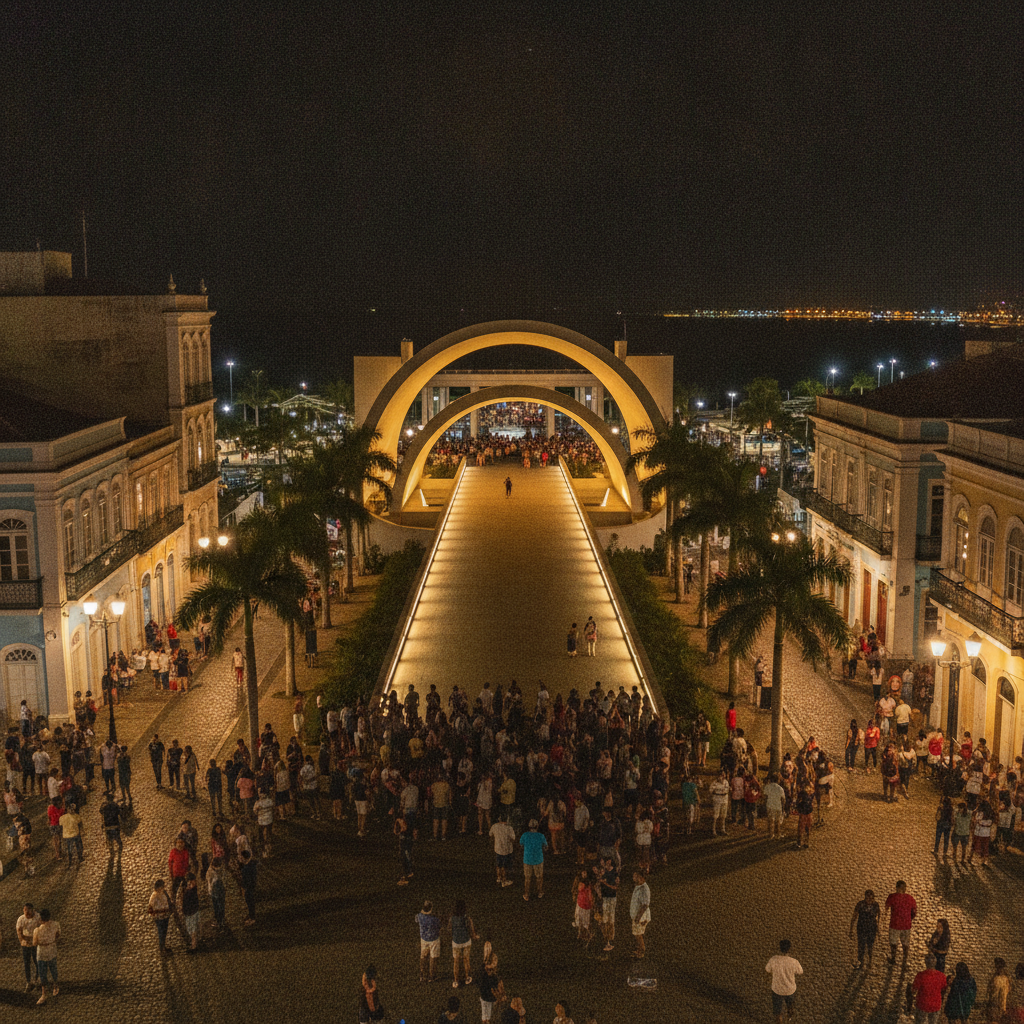
Fortaleza Arts and Culture: Dragao do Mar, the Iron Theater, Northeast Carnival, and Padre Cicero
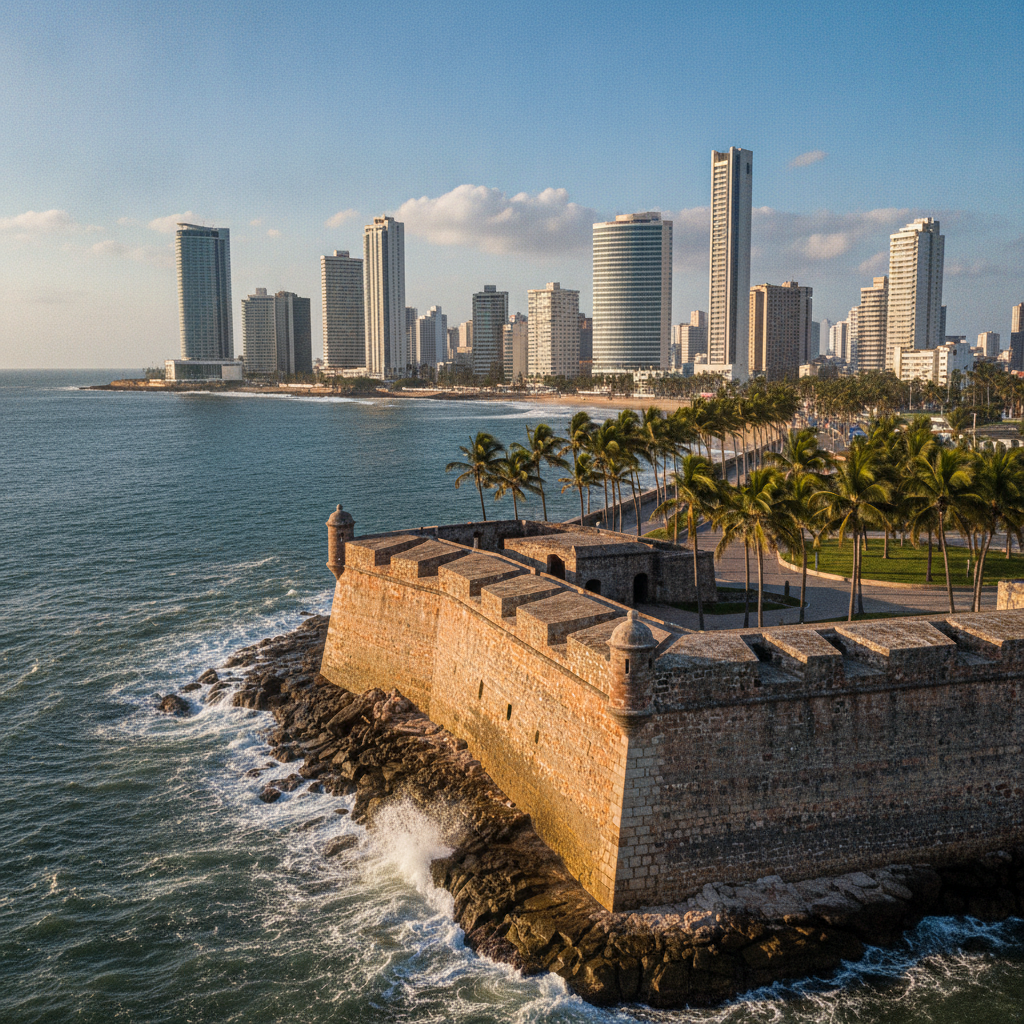
Fortaleza History: The Dutch Fort, the Great Drought, and the Capital of Brazilian Abolition
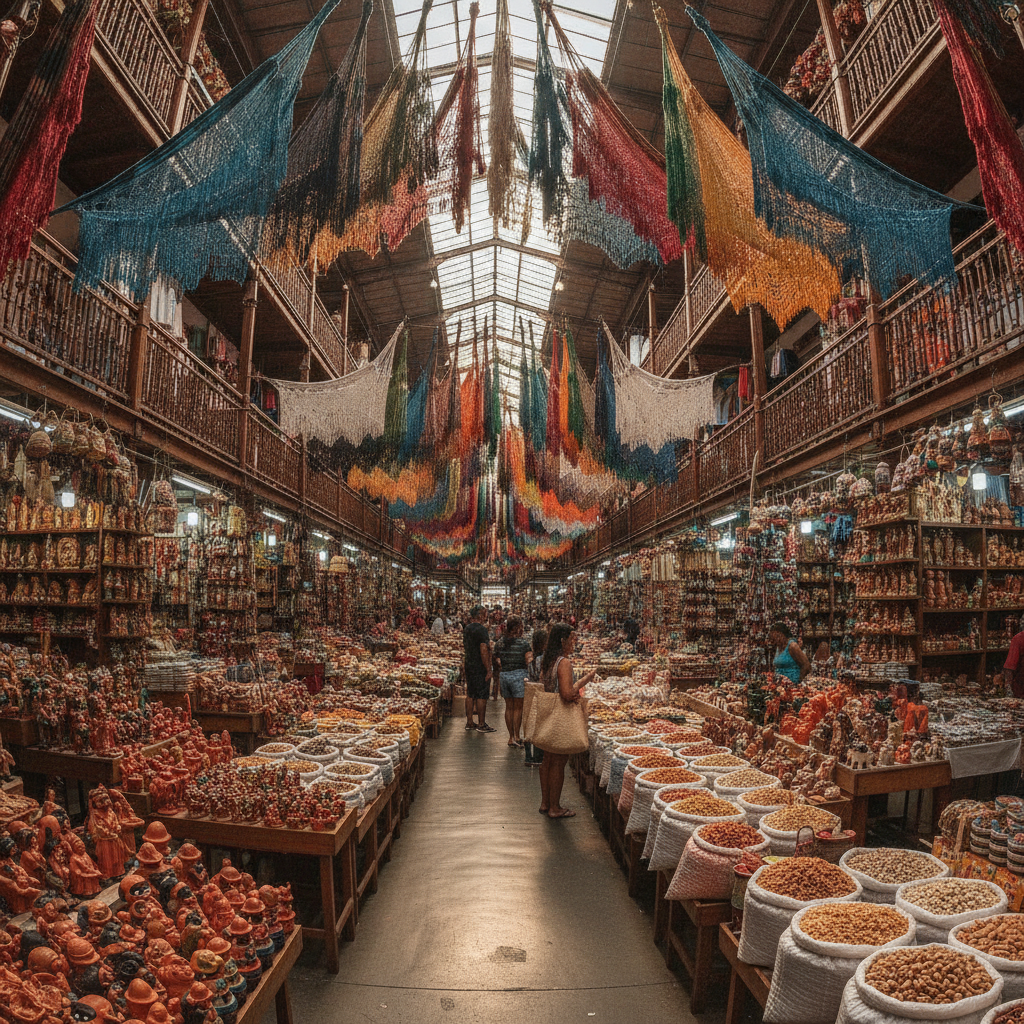
Fortaleza Food and Culture: Carne de Sol, Cashew, Forro Music, and Northeast Crafts