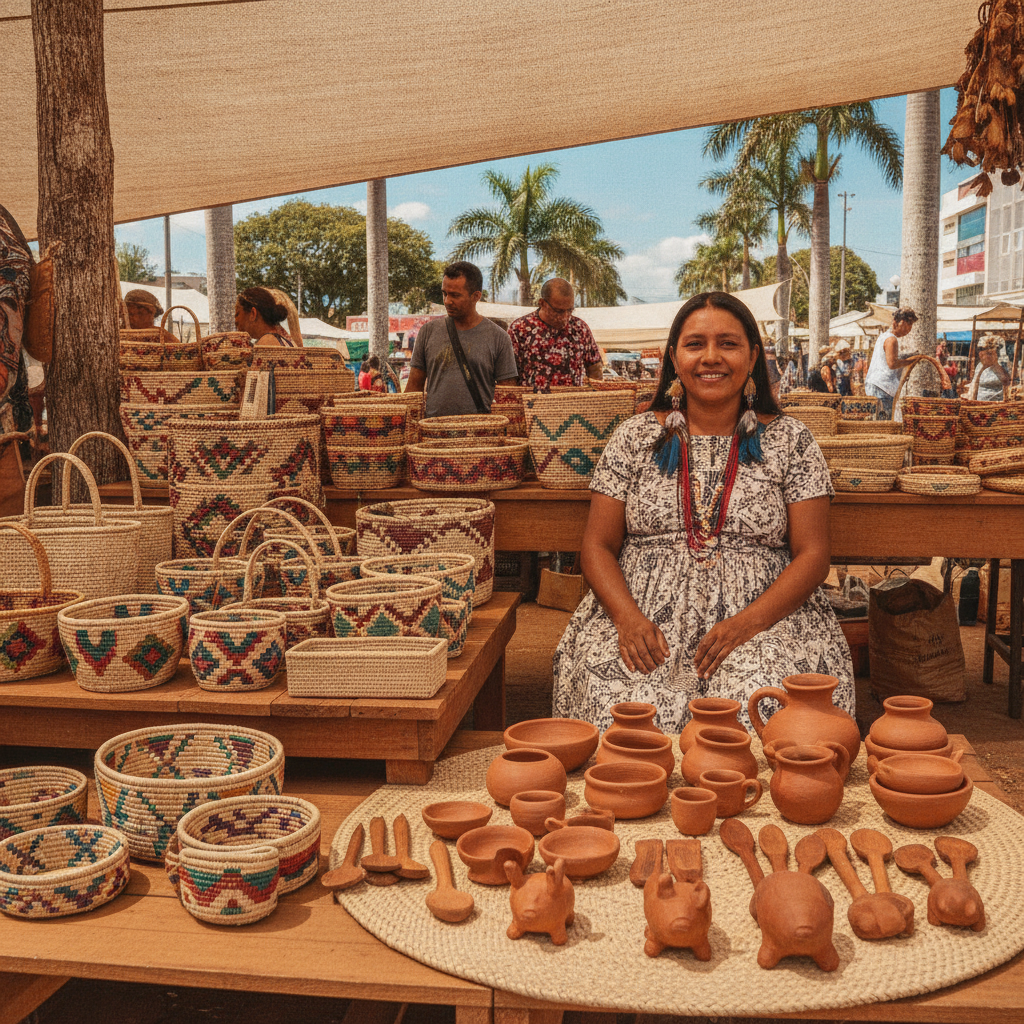


Indigenous Mato Grosso do Sul: Guarani, Terena & Living Cultures
Mato Grosso do Sul has Brazil's largest indigenous population in absolute terms — the Guarani-Kaiowá, Terena, and other nations maintain living cultures in reserves within sight of the cerrado capital

Bonito: South America's Crystal Clear River Capital
Bonito — 5 hours from Campo Grande — has the world's clearest river systems; the snorkelling in rivers with 50-metre visibility, the flooded cave diving, and the natural aquariums make it unique on earth

Campo Grande's Cultural Scene: Museums, Music & Frontier Arts
Campo Grande's cultural scene reflects its position as the capital of Brazil's frontier state — the indigenous collections, the contemporary art, and the mixed Brazilian-Paraguayan-Japanese cultural life create distinctive cultural expressions

Pantanal: World's Greatest Wildlife Refuge Near Campo Grande
Campo Grande is the gateway to the Pantanal — the world's largest tropical wetland — where jaguars are seen regularly, giant otters fish the rivers, and the bird diversity is unlike anywhere on earth

Aquidauana: Pantaneiro Cowboys & Southern Pantanal Life
The Aquidauana River region is the cultural heart of the southern Pantanal — the pantaneiro cowboy culture, the fazenda cattle ranches, and the Pantanal's extraordinary seasonal flooding are experienced here

Campo Grande's Railway Heritage & the Trem do Pantanal
Campo Grande was built by the railway — the Noroeste do Brasil line that reached the city in 1914 and connected the frontier to São Paulo; the historic station and the scenic Pantanal railway are living history

Corumbá & Fort Coimbra: Pantanal Gateway City
Corumbá — on the Bolivian border deep in the Pantanal — is one of Brazil's most remote and distinctive cities; the colonial Fort Coimbra, the Paraguay River trade, and the Pantanal floods define life here

Campo Grande Food: Tereré, Churrasco & Frontier Cuisine
Campo Grande's food reflects its position at the frontier between Brazil, Bolivia, and Paraguay — the tereré cold mate culture, frontier churrasco, and indigenous food influences create a distinctive cuisine