 Mexico
San Miguel De Allende
Discover routes, attractions, and guides in San Miguel De Allende.
8 routes
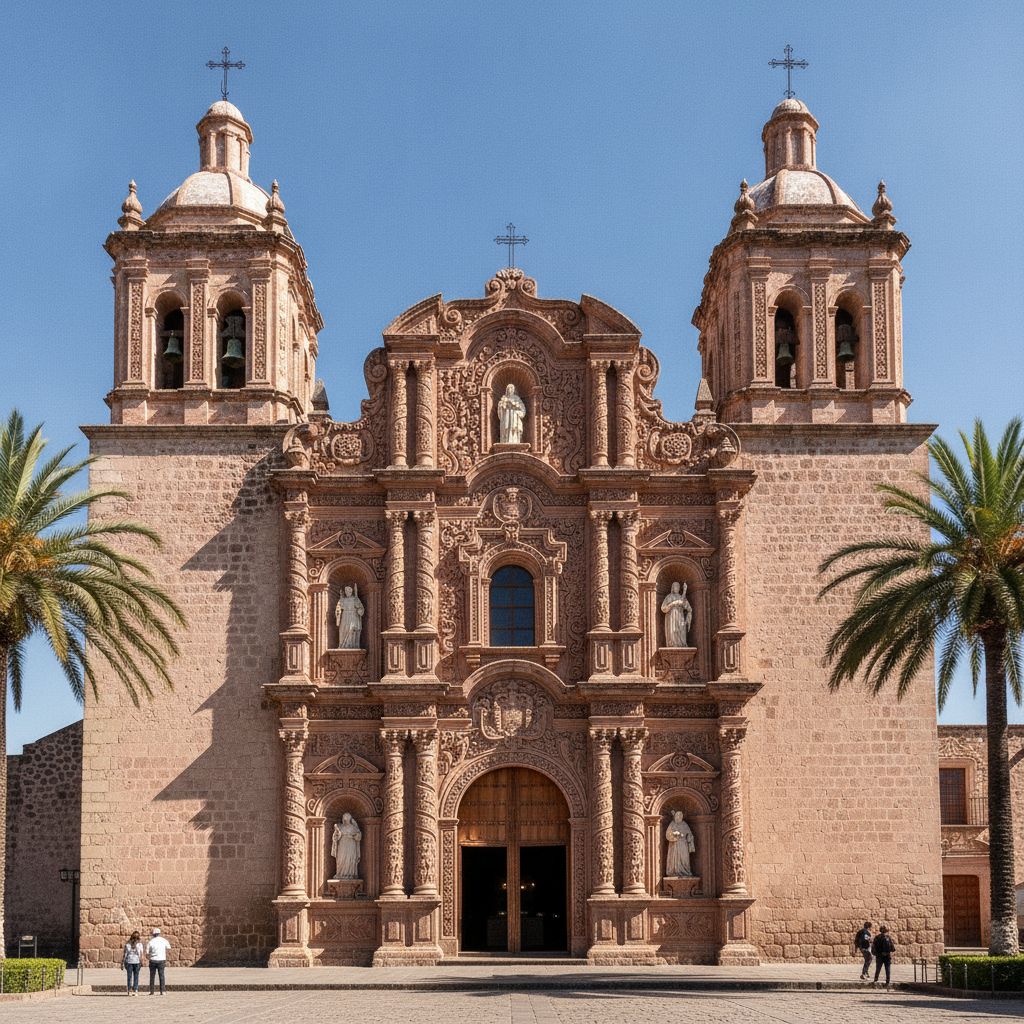
San Miguel de Allende Colonial Architecture Baroque Churches and the Oratorio de San Felipe Neri: Walking the Streets of a UNESCO World Heritage Site Whose Every Cobblestone Was Laid by Otomi and Chichimec Labor
San Miguel de Allende was declared a UNESCO World Heritage Site in 2008 as part of the designation that also included the historic monuments of Guanajuato, recognizing the ensemble of colonial baroque architecture concentrated in the historic center as one of the most complete and best-preserved colonial cities in the Americas. The colonial urban structure of San Miguel follows the Spanish grid of the Laws of the Indies, with the main plaza surrounded by church, government, and commercial buildings and the residential streets running at right angles to create the cobblestone grid that visitors navigate on foot. The architectural highlight beyond the Parroquia is the Oratorio de San Felipe Neri, the 18th-century church whose facade in pink cantera stone is the finest example of Baroque churrigueresque architecture in the state of Guanajuato, and whose interior camera santa contains a series of oil painting portraits of the family of the Conde de Canal, the wealthy silver mining magnate who funded the church's completion, constituting an unusual ensemble of colonial portraiture. The Casa del Mayorazgo de la Canal, the Allende family house now serving as the city museum, and the dozen colonial mansions converted to hotels and cultural venues in the historic center demonstrate the wealth that the silver mining economy of the Bajio generated in the 17th and 18th centuries. The Chichimec and Otomi indigenous communities whose labor built the city and who were granted the area of the Colonia de Indios outside the original Spanish settlement produced, in the Iglesia de la Salud and the Oratorio chapels, the most accomplished examples of indigenous artisan execution of European Baroque design in the Guanajuato region.
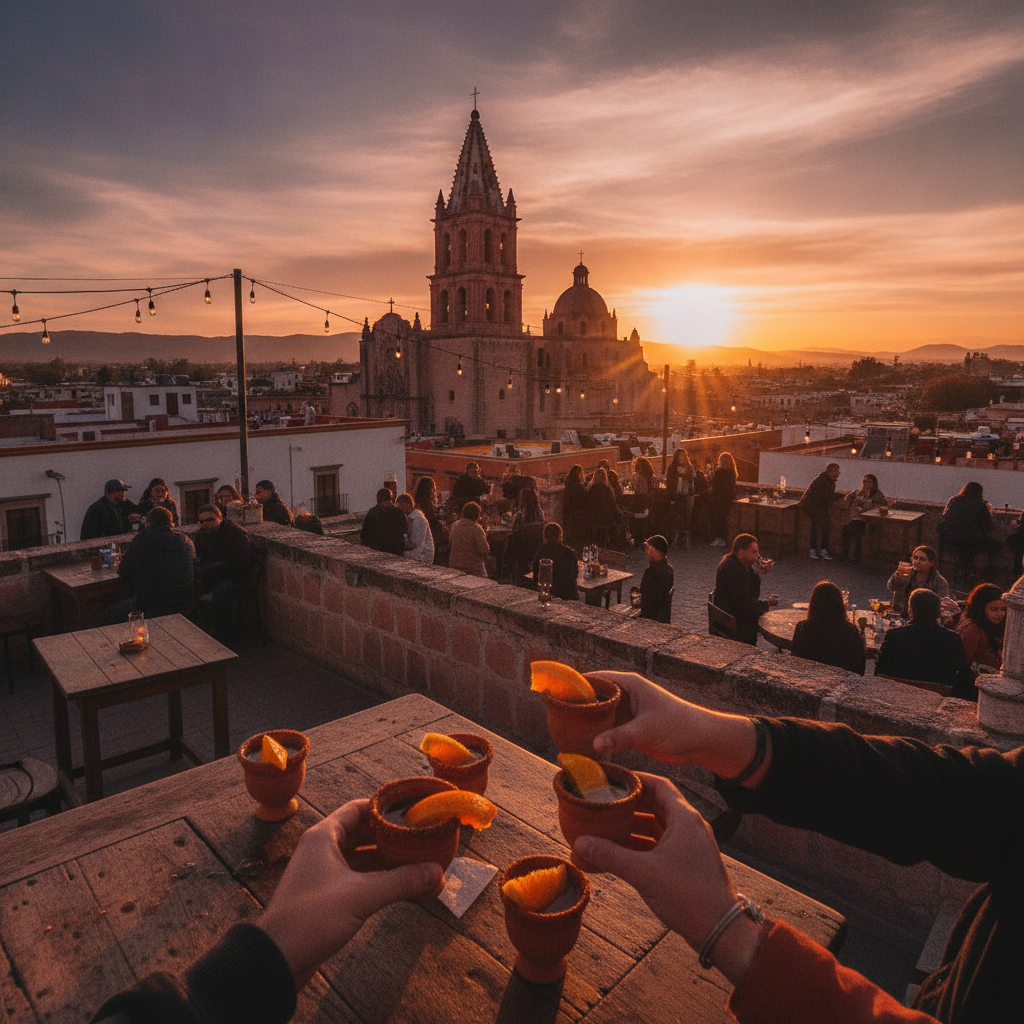
San Miguel de Allende Food Scene and Mezcal Bars: How a City of 170,000 Has More World-Class Restaurants Per Capita Than Any City in Mexico and Why the Vendors in the Tuesday Market Are the Better Story
San Miguel de Allende has developed, through the concentration of affluent North American expatriates, wealthy Mexican weekenders from Mexico City and Guadalajara, and the international tourism traffic attracted by the Conde Nast world-best-city designations, a restaurant and food scene that is disproportionately sophisticated for a city of 170,000, with dozens of establishments that would receive serious critical attention in New York or Mexico City, several of which appear on the Latin America 50 Best restaurant list, all operating in the same cobblestone colonial city where the morning market vendors at the Tuesday tianguis and the taco stands of the Colonia San Antonio serve the local population with preparations unchanged from the pre-boom era. The tension between the food culture that serves the 25,000 to 30,000 North American expatriates and the rotating tourism traffic that brings wealthy visitors year-round, and the food culture that serves the 140,000 Mexican residents who work in the service, construction, and agricultural sectors that support the tourism economy, is the defining social geography of San Miguel eating: the same city that has a restaurant with a James Beard Award-nominated chef from New York also has a daily gordita stand in the Mercado Municipal where the total cost for a complete meal never exceeds 40 pesos. The mezcal bar culture of San Miguel, concentrated in the streets around the Jardin and extending into the Colonia San Antonio, has introduced the premium artisanal mezcal category to the international tourism market more effectively than any other Mexican city outside Oaxaca itself, making San Miguel a commercial distribution channel for Oaxacan and Guerrero mezcal producers.
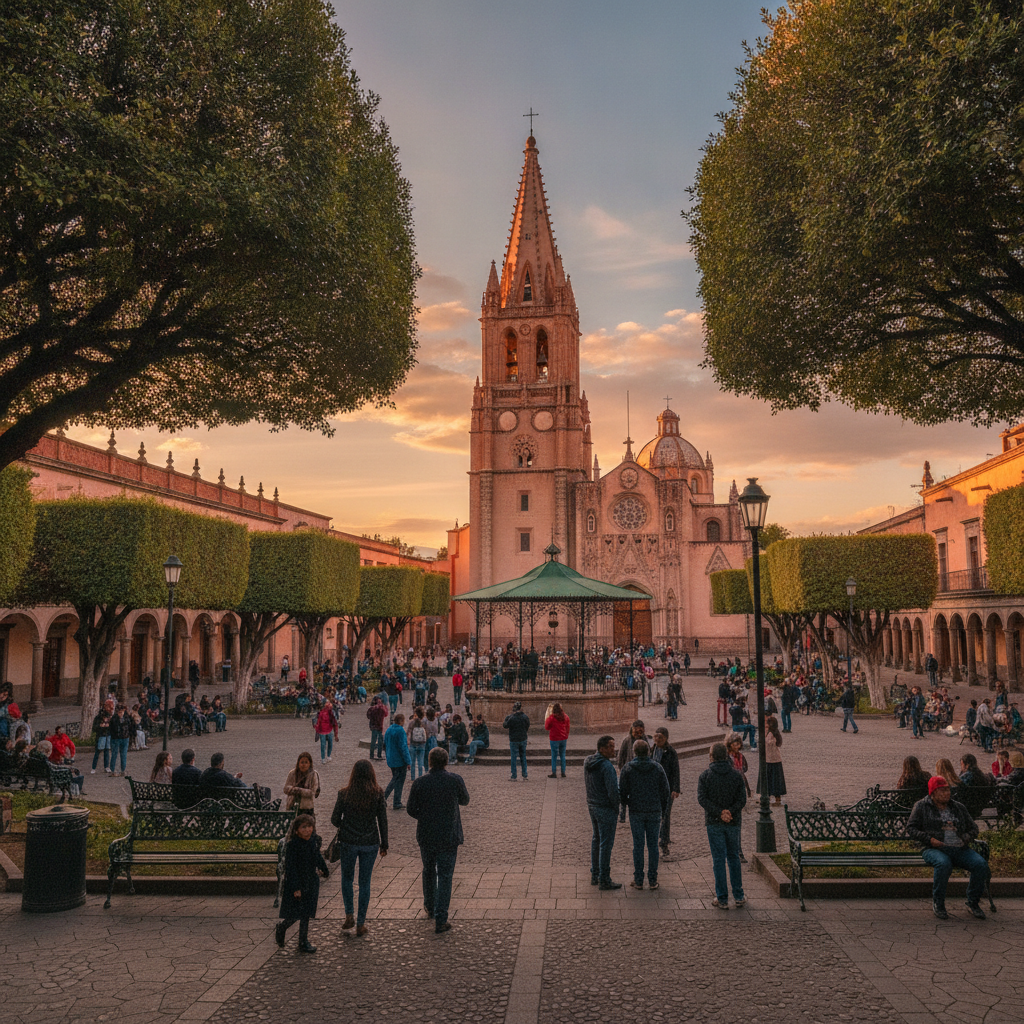
San Miguel de Allende: The Colonial City That Was Named Best City in the World Seven Times, That Saved Itself from Demolition by Attracting American Art Students in 1938, and Whose Pink Gothic Church Was Designed by an Indigenous Mason Who Had Never Been to Europe
San Miguel de Allende, the Bajio colonial city of 170,000 in the state of Guanajuato at 1,900 metres elevation, has been voted the best city in the world by Conde Nast Traveler readers more times than any other city in Mexico, a recognition that simultaneously captures something real about the quality of the urban environment — the intact colonial grid, the temperate climate, the active cultural scene, the excellent restaurants — and completely misrepresents who lives there and for whom the city was built. The city was saved from demolition in 1938 when a group of American veterans of the Second World War used the GI Bill to enroll in the Instituto Allende art school that had just opened in a former hacienda, creating the American artistic colony that made San Miguel famous in the United States and eventually attracted the expatriate and tourist infrastructure that now generates 40 percent of the city's economic activity and 100 percent of its international visibility. The Parroquia de San Miguel Arcangel, the pink neo-Gothic parish church whose spires dominate every photograph of the city, was designed around 1880 by the indigenous stonemason Zeferino Gutierrez who had no formal architectural training and who reportedly sketched his design after studying postcards of European Gothic cathedrals, scaling and adapting the Gothic forms in a version that architectural historians call Indian Gothic or vernacular neo-Gothic and that residents universally describe as the most beautiful church in Mexico even when European visitors point out that the proportions are not quite Gothic. The warm springs of Atotonilco 15 kilometres from the city, the sanctuary known as the Sistine Chapel of Mexico for its interior walls entirely covered in folk art religious paintings, and the dramatic semi-arid landscape of the Laja River valley provide the context that the colonial city sits within.
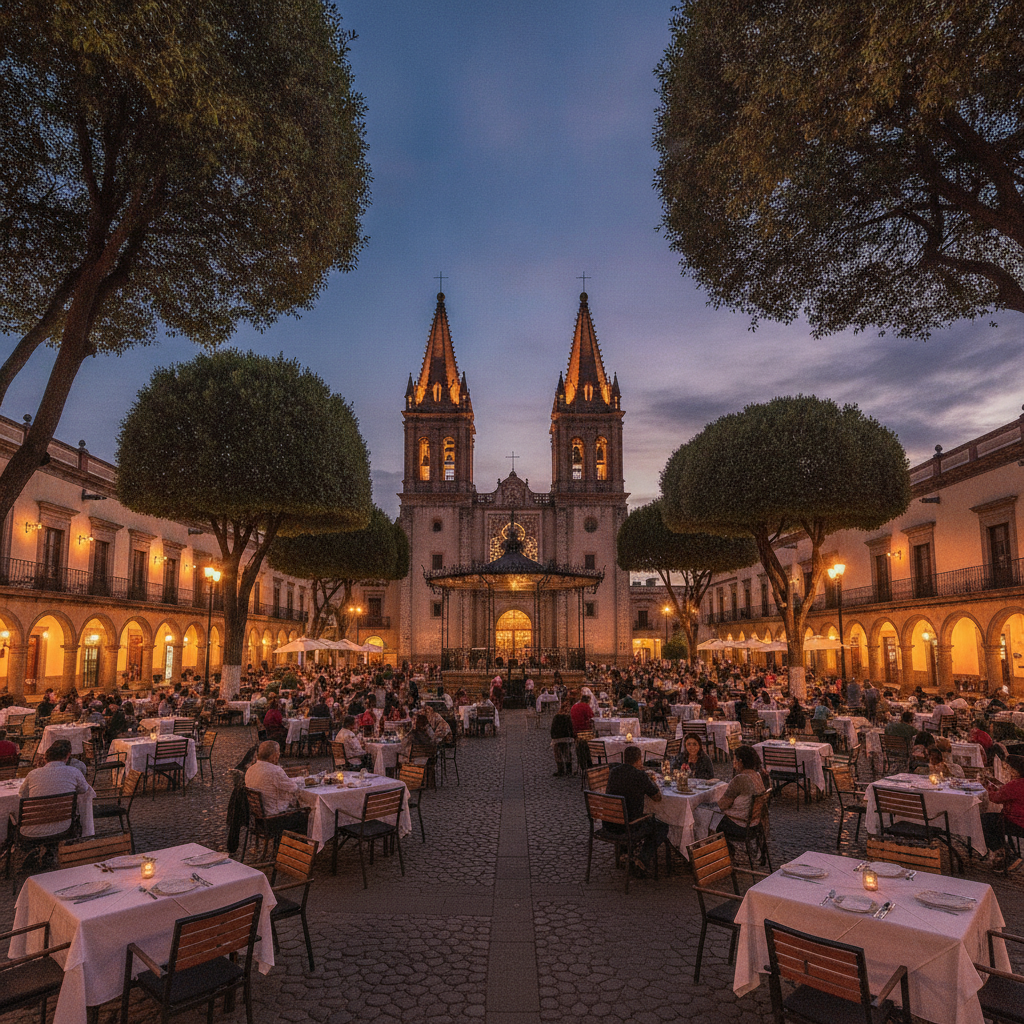
San Miguel de Allende Practical Guide: Getting There Climate When to Visit Neighborhoods Safety Healthcare Language and Living with the Dual Economy of the Most Expensive Colonial City in Mexico
San Miguel de Allende is accessible primarily through two airports: the Del Bajio International Airport in Silao-Leon, Guanajuato, 100 kilometres west of the city with direct connections to Mexico City, Houston, Dallas, Los Angeles, Chicago, and Toronto, and the Queretaro International Airport 80 kilometres south with connections to Mexico City and select US destinations. The overland route from Mexico City takes four to five hours by highway and passes through Queretaro, with first-class bus services from the Mexico City northern terminal running frequent daily departures. Within San Miguel the terrain is the primary navigation challenge: the historic center is built on a slope with cobblestone streets that are steep, uneven, and impassable for wheeled luggage, wheelchairs, and anyone with mobility limitations, a physical reality that the UNESCO heritage designation preserves and that the tourism promotion images of cobblestone streets rarely communicate. The climate of San Miguel at 1,900 metres is classified as semi-arid temperate, with dry winters, warm springs, afternoon rainy seasons from June through September, and a diurnal temperature range of 20 Celsius or more that means warm afternoons and cool to cold nights in all seasons. The best travel months are November through April for dry conditions and festival avoidance, though December and Semana Santa attract the highest visitor numbers and highest prices. October and May offer the combination of good weather, lower crowds, and moderate prices that experienced visitors favor. Spanish is the language of the Mexican majority of San Miguel; English is the dominant language of the historic center commercial and tourism economy, and visitors who speak only English will navigate the tourist areas without difficulty while being effectively excluded from the market and neighborhood life of the Mexican majority.
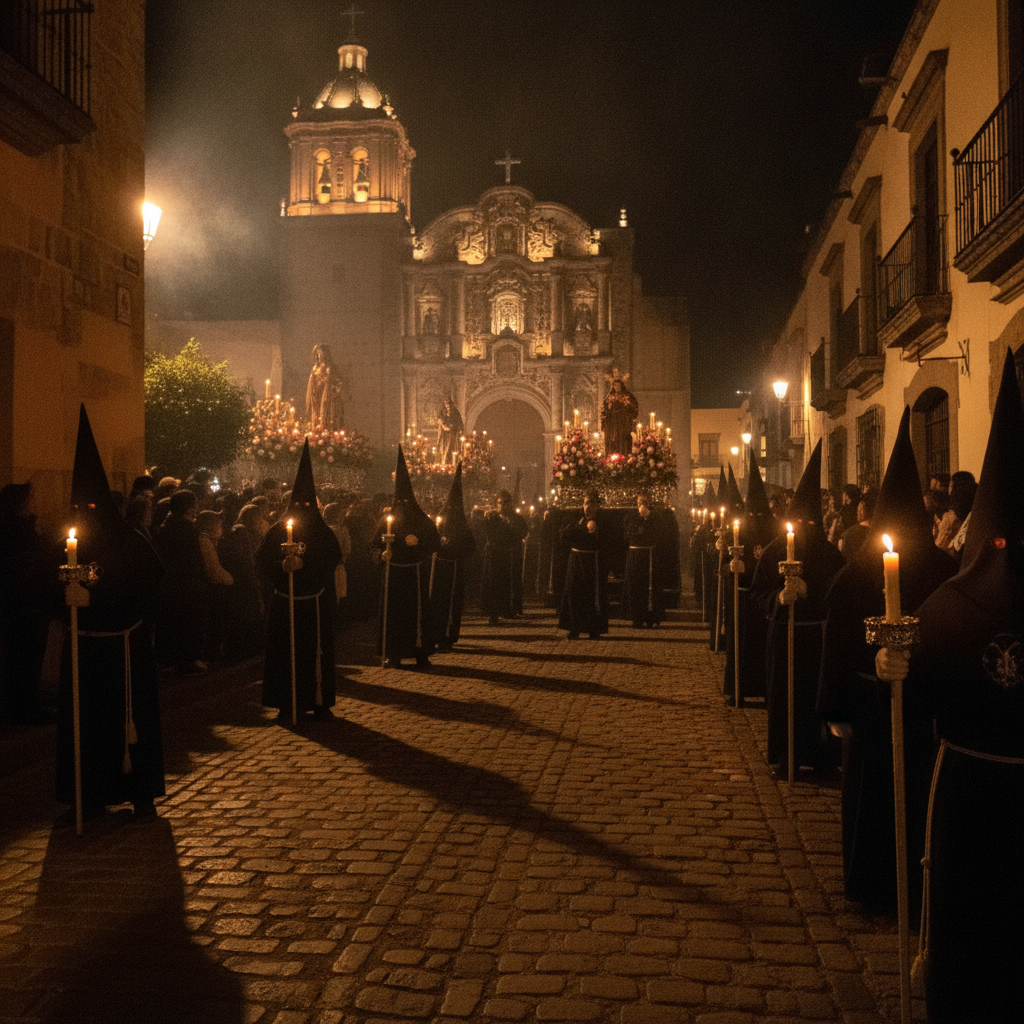
Semana Santa Processions Festivals and the Indigenous Chichimec Raids That Nearly Ended San Miguel de Allende Before It Began: History From the 1542 Founding Through the War of Independence
San Miguel de Allende was founded in 1542 by the Franciscan friar Juan de San Miguel, who established a mission settlement among the Chichimec and Otomi communities at the spring of El Chorro de San Miguel, giving the settlement both its religious patron and its practical water supply. The original settlement was nearly destroyed multiple times in the 16th century by the raids of the semi-nomadic Chichimec peoples of the Gran Chichimeca, the vast territory north of the settled agricultural Mesoamerica, who resisted Spanish colonization through a sustained guerrilla warfare that historians call the Chichimec War from 1550 to 1590, a conflict that killed more Spaniards than any other indigenous resistance in North America north of the Aztec campaigns. The settlement survived and grew as the silver mining economy of the Bajio developed, with the road between San Miguel and the silver mines of Guanajuato and Zacatecas passing through the town and generating the commerce that funded the baroque churches. The independence connection of San Miguel is encoded in its official name: Allende honors Ignacio Allende, the criollo military officer born in San Miguel in 1769 who became the military commander of the independence conspiracy, was captured after the failed insurgency, executed in Chihuahua in 1811, and whose decapitated head was displayed with those of Hidalgo, Aldama, and Jimenez on the four corners of the Alhondiga in Guanajuato for ten years. The Semana Santa celebration of San Miguel, held annually in the week before Easter, is the most elaborate religious festival of the city, featuring the passion play processions through the cobblestone historic center, the Chichimeca dance groups in elaborate feathered costumes, and the crucifixion reenactments that blend indigenous ceremonial tradition with Catholic liturgical practice.
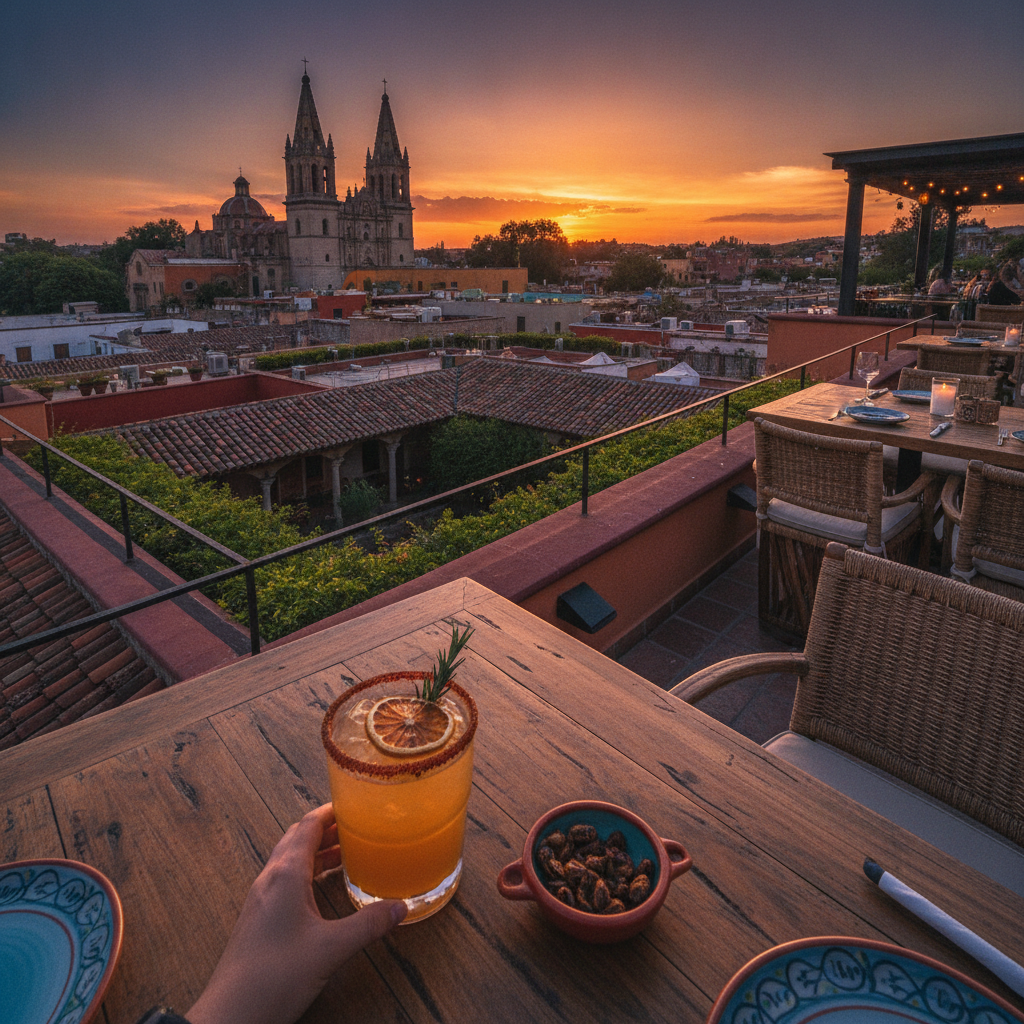
San Miguel de Allende Cuisine Bajio Flavors Enchiladas Mineras Carnitas Markets and the Farm to Table Revolution in a Colonial Kitchen Where Three Centuries of Tradition Meet Contemporary Mexican Gastronomy
The cuisine of San Miguel de Allende reflects its position at the heart of the Bajio agricultural region, a fertile high-plateau zone that is one of the most productive food-producing areas of Mexico, growing strawberries, broccoli, asparagus, avocado, corn, beans, and the dry chiles and herbs that are the foundation of the regional cooking tradition. The Bajio culinary tradition, distinct from both the Oaxacan mole complex and the coastal seafood traditions, is characterized by meat-forward preparations, the use of dried chiles to produce complex sauces, and the corn masa preparations that are common throughout Mexico but take specific regional forms in Guanajuato. Enchiladas mineras, the signature dish of the Guanajuato mining region, differ from the enchiladas of other Mexican regions in their preparation: the corn tortillas are briefly fried, dipped in a dried guajillo and ancho chile sauce, and served topped with potatoes, carrots, and a fresh cheese garnish, reflecting the hearty working-class food of the silver mine communities that needed calorie-dense meals to sustain underground labor. The carnitas of the Bajio, prepared in large copper cazos from pork confited slowly in its own fat with orange, milk, and herbs, are among the best in Mexico, available from the carnitas vendors of the Tuesday tianguis market and from the dedicated carnitas restaurants that serve the cut by the kilo on weekday mornings. The contemporary restaurant scene of San Miguel, built primarily for the North American and European tourist and expatriate market, has developed a high-end Mexican gastronomy sector that applies modern culinary techniques to regional Bajio ingredients, making San Miguel the most internationally reviewed dining destination in Mexico outside of Mexico City, with two restaurants appearing on the Latin Americas 50 Best list.
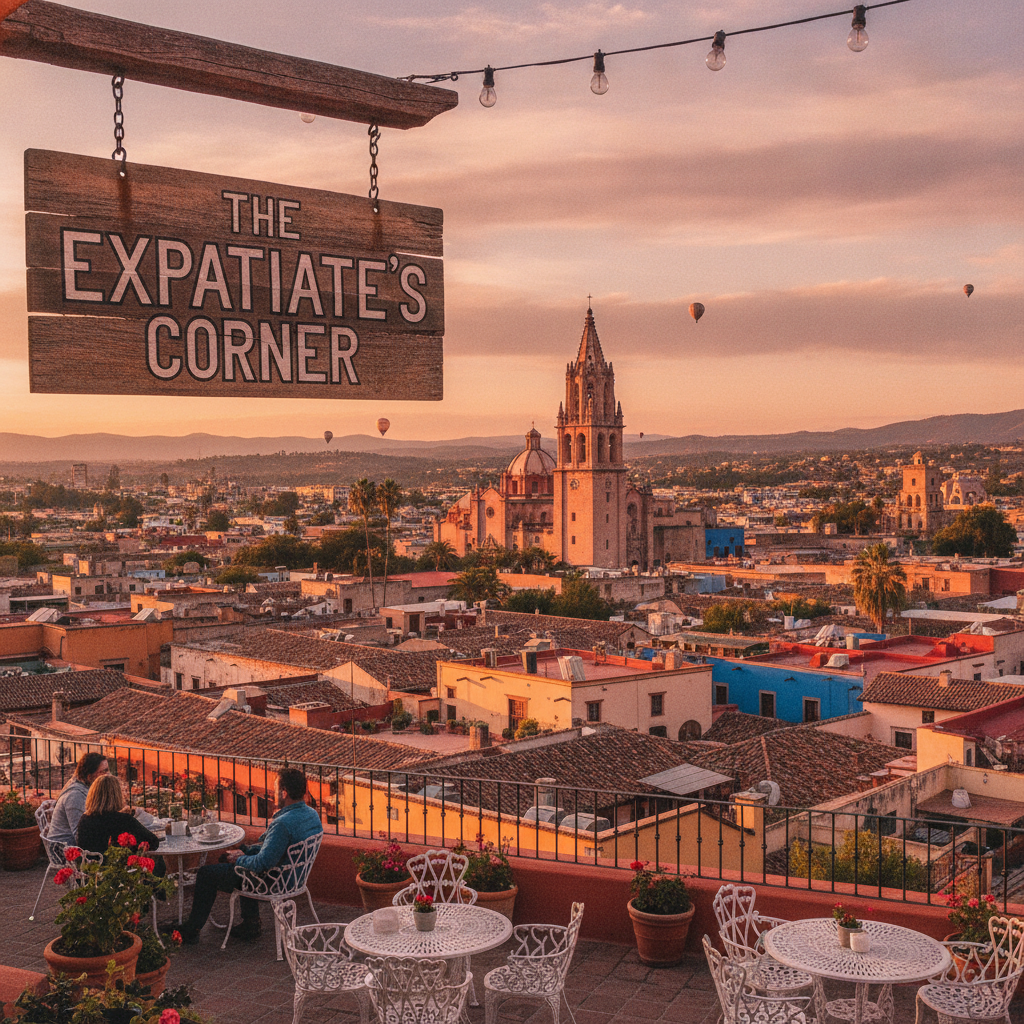
The Expatriate Colony That Reinvented San Miguel de Allende: From Starving Artists on the GI Bill to Americas Most Expensive Mexican Real Estate Market and the Culture Wars of a Divided City
The transformation of San Miguel de Allende from a declining provincial colonial town in the 1930s to the most internationally famous and expensive heritage city in Mexico is one of the most dramatic examples of arts-driven gentrification in the Americas, a process that began when the American artist Stirling Dickinson arrived in 1937, promoted San Miguel in American art publications, attracted the first generation of GI Bill veterans to the Instituto Allende art school in 1948, and set in motion an 80-year accumulation of North American cultural investment and real estate purchase that has made the historic center of San Miguel a predominantly English-speaking economic zone where the median home price has reached one to three million US dollars for a colonial house that 40 years ago could be purchased for a few thousand. The expatriate community of San Miguel, estimated at 25,000 to 30,000 permanent or semi-permanent North American and European residents out of a total municipal population of 160,000, is the largest proportional expatriate concentration in any major Mexican city, and has generated an English-language media ecosystem of newspapers, radio programs, real estate agencies, and social clubs that functions in parallel with the Spanish-language civic life of the Mexican majority. The cultural tension between the expatriate and Mexican populations of San Miguel is managed through a civic performance of coexistence that masks significant economic friction: the short-term rental market driven by Airbnb and VRBO has reduced the housing available to Mexican workers who cannot afford the rents that the dollar economy has established, the service sector employs Mexican workers at wages set by the peso economy while producing value captured in the dollar economy, and the city government balances the tax revenue from the tourism economy against the social service demands of a population that is being economically displaced from its own city. The arts infrastructure that the expatriate community has built — the galleries of the Fabrica La Aurora, the cultural programming of the Biblioteca Publica, the jazz festival, the literary festival, the film festival — constitutes a genuine cultural contribution to the city alongside the economic distortions that the same community has produced.
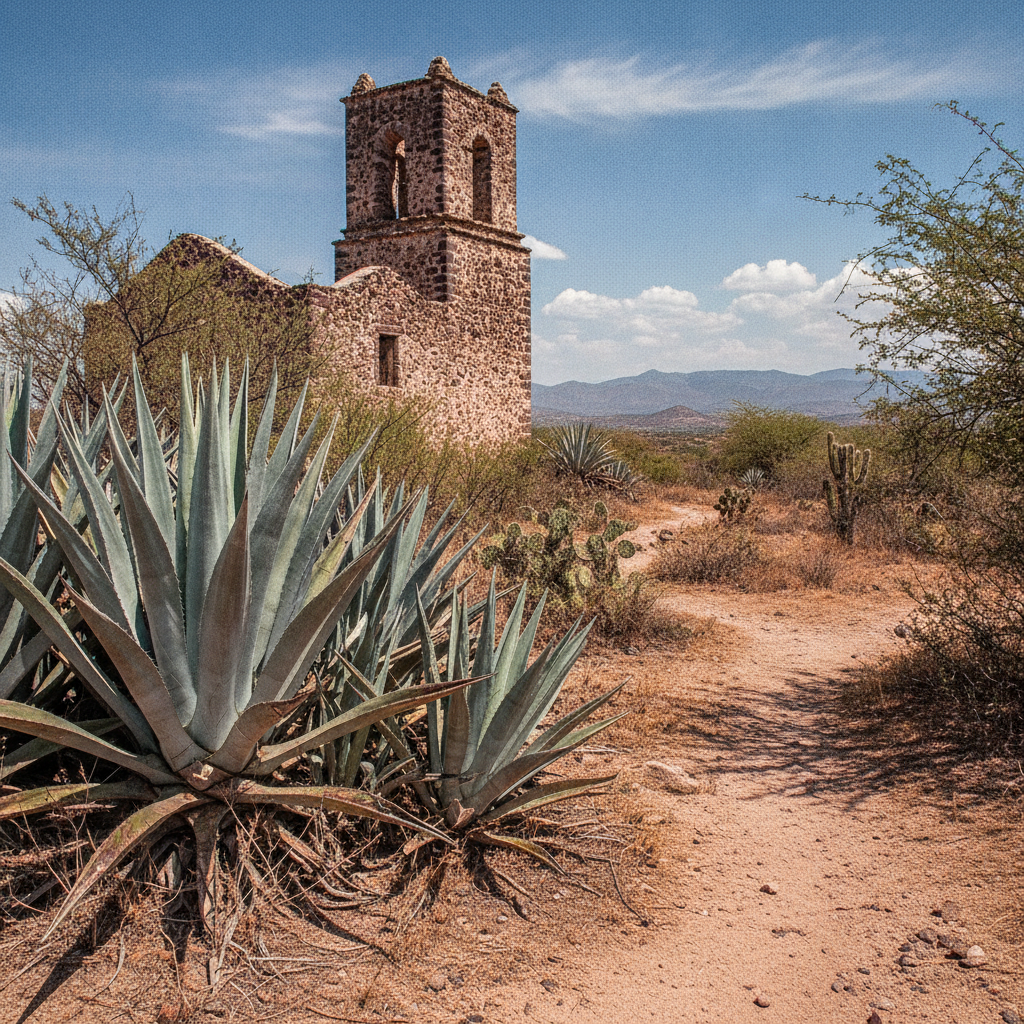
Silver Economy Hacienda Belt Mexican Revolution and the Cristero War in the Guanajuato Bajio: How the Land Conflicts That Killed 90000 Mexicans in the 1920s Shaped the Rural Landscape Around San Miguel de Allende
The landscape around San Miguel de Allende is defined by the hacienda system that the silver mining economy of the colonial period created: large landed estates granted to the mining elite, military commanders, and Creole aristocracy that dominated the agricultural economy of the Bajio from the 17th century through the Mexican Revolution of 1910, concentrating land in the hands of a few hundred families while the indigenous and mestizo agricultural communities that worked the haciendas lived in a debt peonage system that bound them to the land through unpayable debt accumulated at the hacienda tienda de raya, the company store. The Guanajuato state counted approximately 300 haciendas in the late 19th century, including the Hacienda de la Erre, Hacienda de los Pocitos, and dozens of others within the municipal territory of San Miguel that formed the economic backbone of the ranching and grain economy. The Mexican Revolution arrived in Guanajuato in 1910 with the general mobilization that followed Hidalgo's centennial anniversary, and the Bajio was a contested zone between the Villista forces of Pancho Villa operating from the north, the Zapatista influence from the south, and the Constitutionalist army of Carranza that eventually defeated both. The agrarian reform that followed the Revolution broke up the hacienda system through the ejido program, distributing land to peasant communities in communal parcels, but the Bajio haciendas were partially spared by the political calculations of the Callista regime and the subsequent Cristero War of 1926 to 1929, in which the Catholic peasantry of Guanajuato, Jalisco, and Michoacan took up arms against the anti-clerical provisions of the 1917 Constitution, killing approximately 90,000 people in a conflict that Graham Greene described in his novel The Power and the Glory and that remains underrepresented in Mexican national memory.