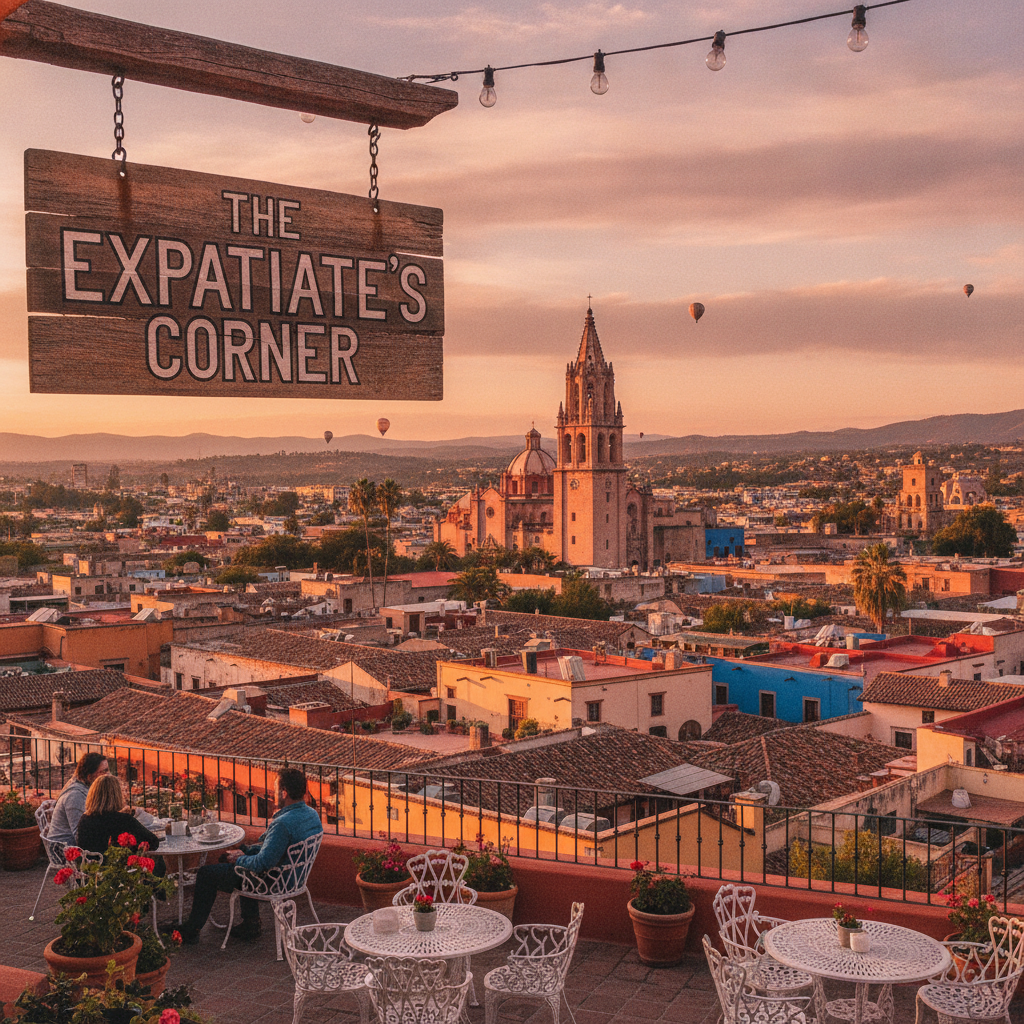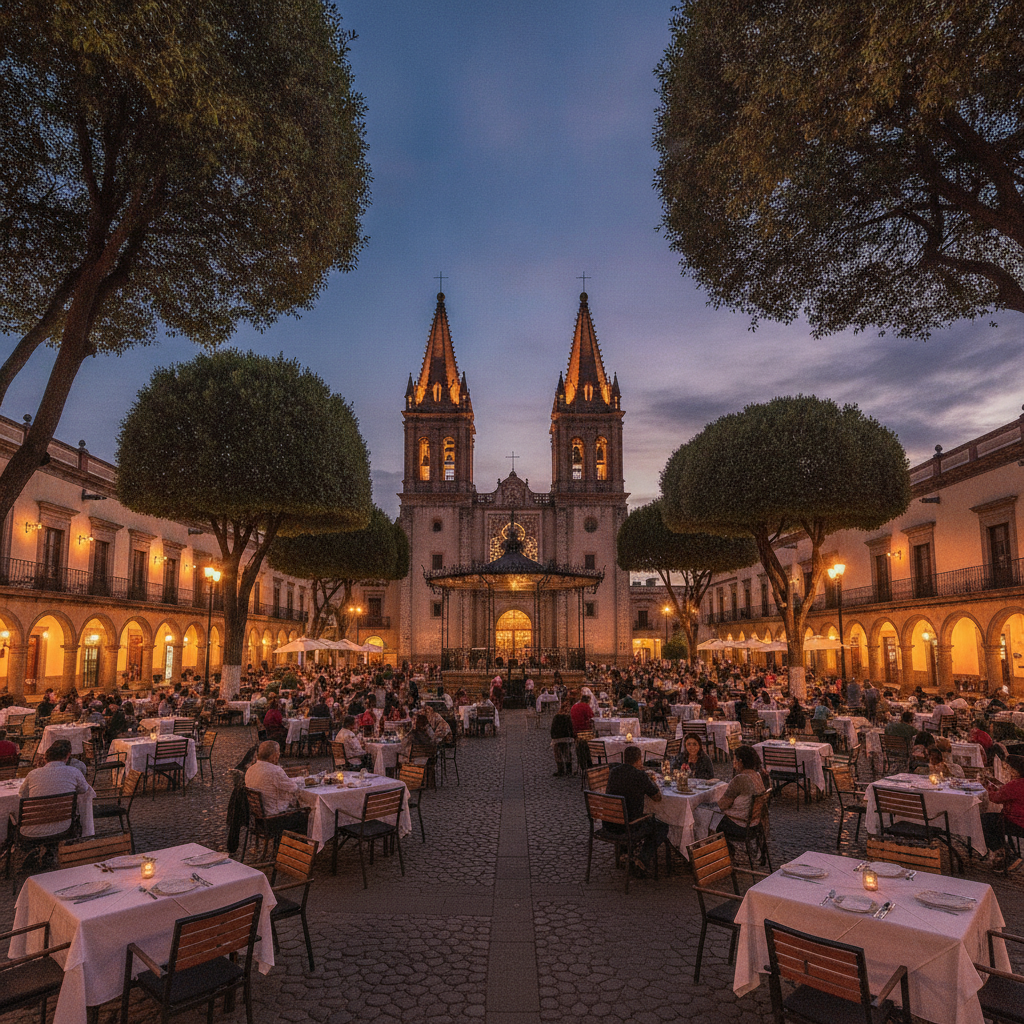
San Miguel de Allende Practical Guide: Getting There Climate When to Visit Neighborhoods Safety Healthcare Language and Living with the Dual Economy of the Most Expensive Colonial City in Mexico
San Miguel de Allende is accessible primarily through two airports: the Del Bajio International Airport in Silao-Leon, Guanajuato, 100 kilometres west of the city with direct connections to Mexico City, Houston, Dallas, Los Angeles, Chicago, and Toronto, and the Queretaro International Airport 80 kilometres south with connections to Mexico City and select US destinations. The overland route from Mexico City takes four to five hours by highway and passes through Queretaro, with first-class bus services from the Mexico City northern terminal running frequent daily departures. Within San Miguel the terrain is the primary navigation challenge: the historic center is built on a slope with cobblestone streets that are steep, uneven, and impassable for wheeled luggage, wheelchairs, and anyone with mobility limitations, a physical reality that the UNESCO heritage designation preserves and that the tourism promotion images of cobblestone streets rarely communicate. The climate of San Miguel at 1,900 metres is classified as semi-arid temperate, with dry winters, warm springs, afternoon rainy seasons from June through September, and a diurnal temperature range of 20 Celsius or more that means warm afternoons and cool to cold nights in all seasons. The best travel months are November through April for dry conditions and festival avoidance, though December and Semana Santa attract the highest visitor numbers and highest prices. October and May offer the combination of good weather, lower crowds, and moderate prices that experienced visitors favor. Spanish is the language of the Mexican majority of San Miguel; English is the dominant language of the historic center commercial and tourism economy, and visitors who speak only English will navigate the tourist areas without difficulty while being effectively excluded from the market and neighborhood life of the Mexican majority.
- 1
Getting to San Miguel and Transport Within the City
The Del Bajio International Airport in Silao, Guanajuato, is the primary arrival point for international visitors to San Miguel de Allende, with the 100-kilometre transfer by private shuttle taking 75 to 90 minutes on the Guanajuato-San Luis Potosi highway and the shared shuttle services connecting the airport to the city center hotels. The shuttle transfer from Bajio airport to San Miguel is operated by multiple agencies with fixed prices of approximately 35 to 50 US dollars for a private vehicle or 15 to 20 dollars for a shared van, and should be booked in advance through the hotel or a reliable agency rather than negotiated with unsolicited drivers at the arrivals area. The Queretaro airport alternative, 80 kilometres south of San Miguel, is used by visitors arriving from Mexico City on the Aeromexico or Volaris connections and by expatriates who prefer the smaller, less congested terminal, with the road transfer taking 60 to 70 minutes. The Central de Autobuses de San Miguel, the bus station on the Salida a Queretaro highway two kilometres from the Jardin Principal, receives first-class ETN and Primera Plus services from Mexico City, Queretaro, Guadalajara, and Leon, with travel time from Mexico City of approximately four hours. Within San Miguel, Uber operates and is the recommended option for rides to the bus station, markets, and neighborhoods beyond walking distance from the historic center, while taxis are available at fixed rates posted at the taxi stands near the Jardin Principal. The electric golf cart rental, a whimsical San Miguel transport option, is practical for visiting the Charco del Ingenio botanical garden and the Fabrica La Aurora without negotiating the steep cobblestone streets on foot.
- 2
Neighborhoods Hotels and Where to Stay
The accommodation geography of San Miguel de Allende divides between the historic center, where the boutique hotels in converted colonial mansions charge 150 to 500 dollars per night and offer the architectural experience of sleeping in a heritage building, and the peripheral colonias where smaller guesthouses and B-and-B operations charge 60 to 150 dollars in more modest but still comfortable properties. The Centro Historico colonia, the UNESCO-designated historic core bounded by the Parroquia, the Biblioteca Publica, and the Instituto Allende, is where all the premium hotels, the fine dining restaurants, the gallery circuit, and the tourist commerce of San Miguel are concentrated, within walking distance of all the main monuments. The Colonia San Antonio and Colonia Guadalupe, the residential neighborhoods immediately adjacent to the historic center, offer a transitional zone where colonial houses converted to vacation rentals and small hotels coexist with the remaining Mexican family residences and neighborhood life. The colonia of Atascadero on the eastern edge of the city, near El Charco del Ingenio, is increasingly popular with medium-term expat renters who want proximity to the historic center without the noise and tourist density of the centro. The Rosewood San Miguel de Allende, the flagship luxury property in the former San Francisco convent complex on Nemesio Diez street, represents the top of the hotel market with rates of 400 to 1,000 dollars per night for its junior suites and the iconic rooftop pool with Parroquia views. The vacation rental market through Airbnb and VRBO offers the alternative of renting an entire colonial house or apartment, the preferred option for families and groups who want the domestic experience of living in the city rather than the hotel service format.
- 3
Safety Healthcare and Practical Infrastructure
San Miguel de Allende has consistently ranked among the safest cities in Mexico for international visitors, reflecting the economic incentive of the tourism and expatriate community to maintain a secure environment, the relatively low levels of organized crime activity compared to border cities and coastal resort zones, and the presence of a large, politically engaged expatriate population whose crime incidents would generate international media attention damaging to the tourism economy. The federal and state security forces maintain a visible presence in the historic center, and the colonia neighborhoods have neighborhood watch programs and private security that create a general security environment comparable to a mid-sized North American city. The healthcare infrastructure serving San Miguel includes the Hospital de la Fe and several private clinics in the city with English-speaking staff, general practitioners and specialists who trained in Mexico City and the United States, and dental and cosmetic surgery services that serve both the local population and the medical tourism visitors from the US who combine healthcare with a San Miguel visit. The pharmacy system of San Miguel, with Farmacias Similares and independent pharmacies operating in the colonias and the historic center, provides access to most prescription medications without requiring a prescription by Mexican standards, a practical reality that the expatriate community depends on for managing chronic conditions without returning to the United States. The internet infrastructure of San Miguel, upgraded significantly during the COVID-19 remote work migration of 2020 to 2022, provides fiber optic connections to most properties in the historic center and the adjacent colonias, making San Miguel a functional remote work destination for digital nomads from the North American market.
- 4
Climate Best Times to Visit and Festival Calendar Logistics
The temperate semi-arid climate of San Miguel at 1,900 metres elevation means that visitors will experience warm afternoons of 22 to 27 Celsius in the dry season from November through May and the sudden dramatic afternoon thunderstorms of the rainy season from June through September, when the precipitation falls in short intense bursts that drench the cobblestone streets and fill the Jardin Principal fountain before clearing within an hour to leave the colonial architecture gleaming in afternoon light. November through January offers the driest conditions and the clearest air, with cool to cold nights of 5 to 10 Celsius requiring a jacket for evenings in the Jardin and the restaurant terraces, while March through May is warm and dry with spring wildflowers in the surrounding countryside. Semana Santa, the week before Easter Sunday, is the highest-demand period of the year, with hotel prices at their maximum and the historic center crowded with Mexican and international visitors for the processions; booking 3 to 4 months in advance is necessary for any accommodation in the historic center. The Day of the Dead from October 31 to November 2 is the second busiest period, with La Calaca procession and the altar installations drawing crowds that fill the city. The December posadas season, the nine nights of candlelit processions before Christmas, is a locally beloved tradition less attended by international tourists and offering an authentic community festival experience without the Semana Santa crowd levels. The jazz festival in November, the literary festival in November, and the Guanajuato International Film Festival in June are the arts calendar events that draw the culturally motivated visitor during the mid-season months.
- 5
Language Money and the Dual Economy
The economic duality of San Miguel de Allende is most visible in pricing: the menus of the tourist restaurants in the historic center are priced in pesos at rates that translate to 20 to 50 dollars for a main course, while the comida corrida of the Mercado San Juan de Dios provides a three-course lunch for 60 to 100 pesos, approximately 3 to 5 dollars. The tourist who confines their spending to the historic center commercial circuit will spend at rates comparable to a mid-tier US city, while the visitor who ventures to the Tuesday market, the colonia fondas, and the neighborhood taquerias will find the peso economy that makes Mexico an affordable destination. The ATM infrastructure of San Miguel is concentrated in the historic center banks on Canal and Correo streets, with Banamex, BBVA, and Santander ATMs dispensing pesos in quantities sufficient for a week of peso-economy spending in a single withdrawal. Credit cards are accepted in the tourist restaurant and hotel sector at all price levels, while the market and street food economy operates in cash pesos exclusively. The tipping convention in San Miguel, shaped by the North American tourist majority, expects 15 to 20 percent in the tourist restaurants and 10 percent in the Mexican-market establishments, creating a service economy where the tourist circuit servers earn multiples of the wages in the local market sector. Spanish is essential for navigating beyond the tourist circuit, and the investment of learning basic Mexican Spanish phrases for market shopping, taxi directions, and neighborhood restaurant ordering transforms the San Miguel experience from a bubble of English-language tourism into genuine engagement with the Mexican city that exists within and around the tourist infrastructure.
- 6
Long Term Stays and Visa Considerations for San Miguel
San Miguel de Allende is the most established destination in Mexico for North American long-term residency, with a legal infrastructure of immigration lawyers, notarios, and financial advisors who specialize in the processes of obtaining temporary and permanent residency visas for Mexico. The tourist visa that US and Canadian citizens receive on entry allows stays of up to 180 days, and the Mexico tourist permit, the FMM form, must be retained for surrender on departure; losing it incurs a fine at the immigration office that can delay departure. The temporary residency visa, available to applicants who demonstrate monthly income above the threshold set by the Mexican immigration authority (currently approximately 1,600 dollars per month from a single source such as a pension, retirement account, or passive income), is the preferred immigration status for the San Miguel expatriate who plans to live in Mexico for more than 180 days in a calendar year. The permanent residency visa, available after four years of temporary residency or on the basis of family connections to a Mexican citizen, provides indefinite right of residence without annual renewal requirements. The cost of living in San Miguel for a couple in a two-bedroom rental in the colonias adjacent to the historic center, eating a mix of market food and occasional tourist restaurant meals, and using the local healthcare and service infrastructure, is estimated by the expatriate community at 2,500 to 3,500 dollars per month, significantly below comparable lifestyle costs in US coastal cities but substantially above the Mexican peso-economy cost of living that the majority Mexican population manages on 500 to 800 dollars per month equivalent.
Walk this route with audio
Stories play automatically as you reach each stop — no tapping needed.
More in San Miguel de Allende
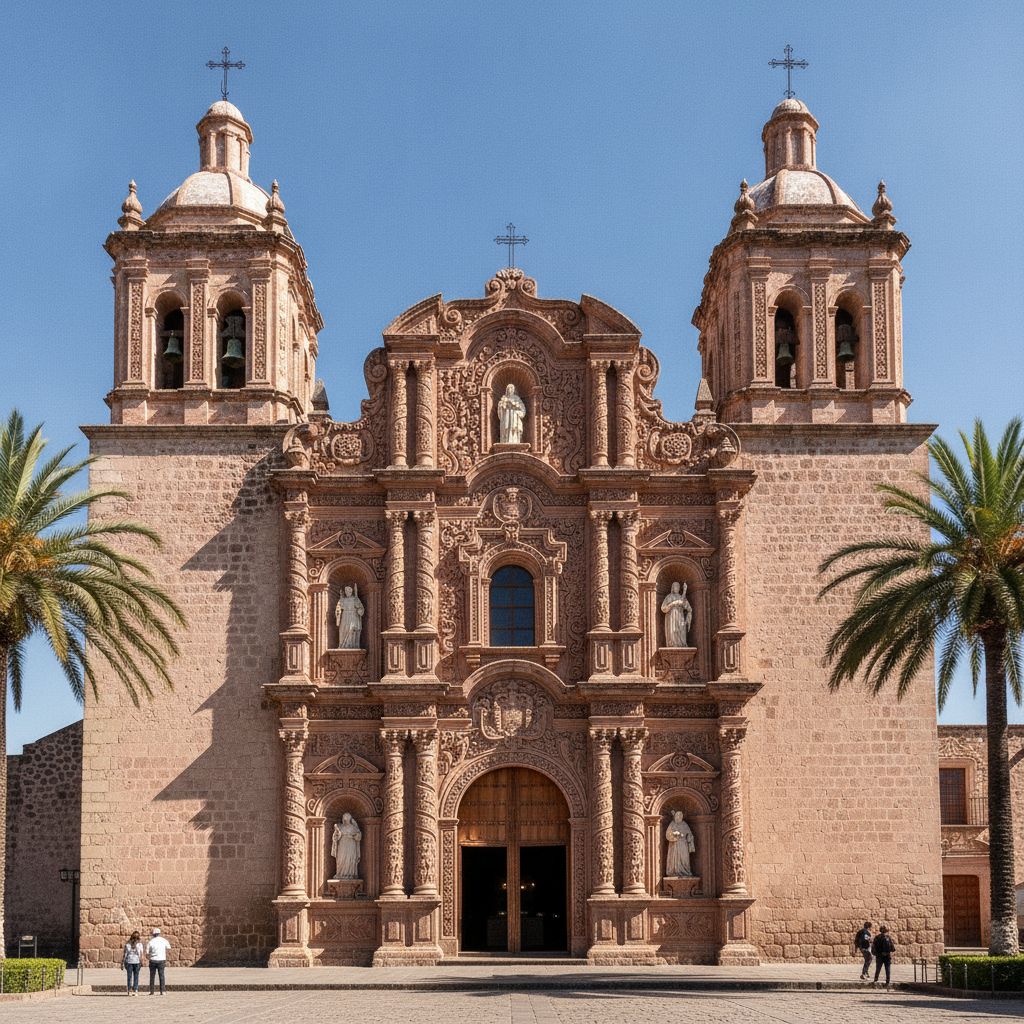
San Miguel de Allende Colonial Architecture Baroque Churches and the Oratorio de San Felipe Neri: Walking the Streets of a UNESCO World Heritage Site Whose Every Cobblestone Was Laid by Otomi and Chichimec Labor
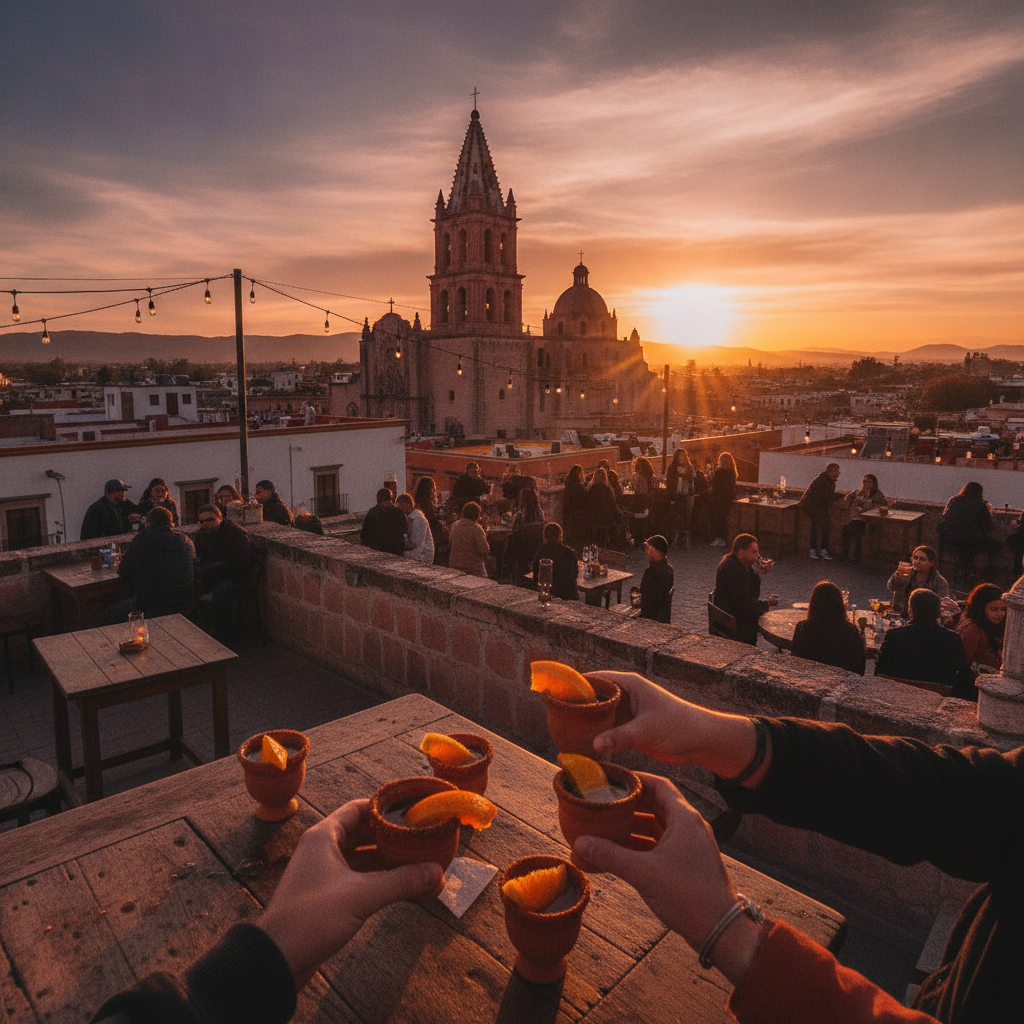
San Miguel de Allende Food Scene and Mezcal Bars: How a City of 170,000 Has More World-Class Restaurants Per Capita Than Any City in Mexico and Why the Vendors in the Tuesday Market Are the Better Story
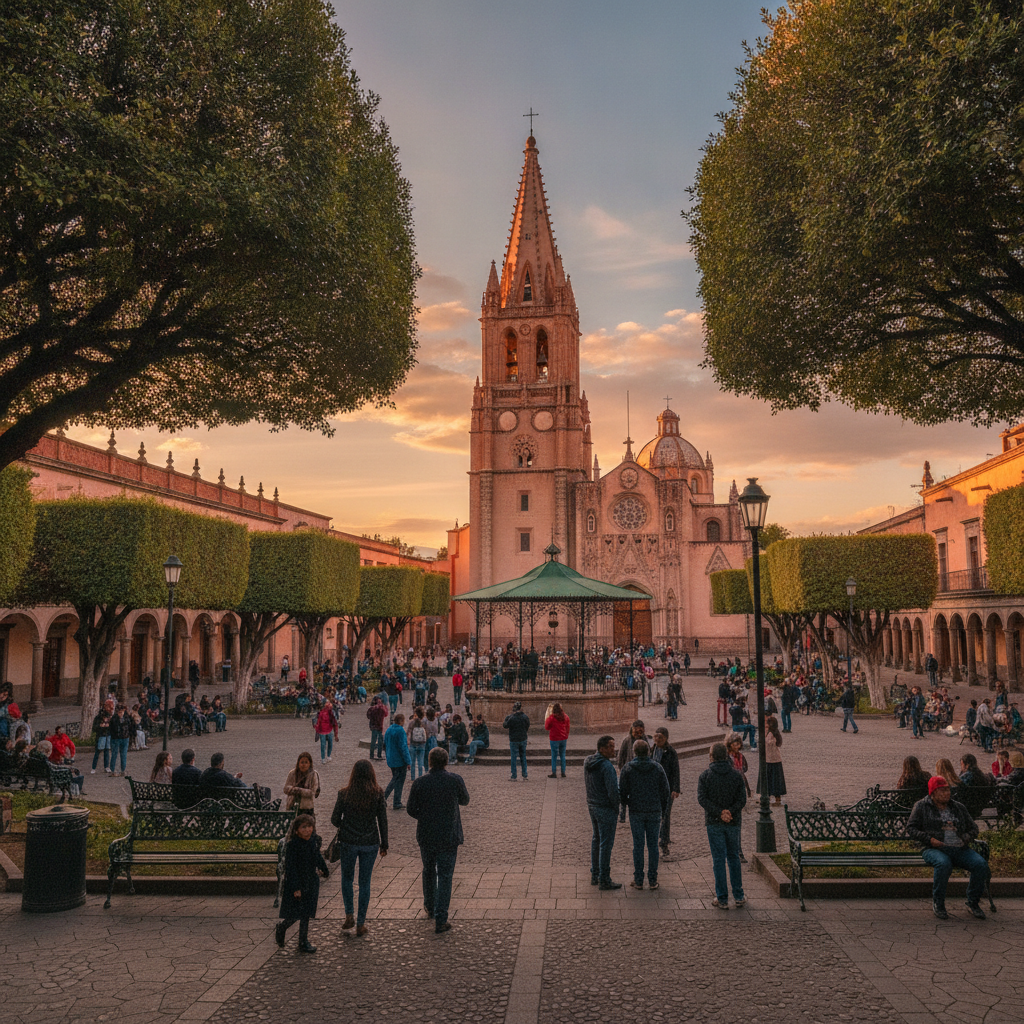
San Miguel de Allende: The Colonial City That Was Named Best City in the World Seven Times, That Saved Itself from Demolition by Attracting American Art Students in 1938, and Whose Pink Gothic Church Was Designed by an Indigenous Mason Who Had Never Been to Europe
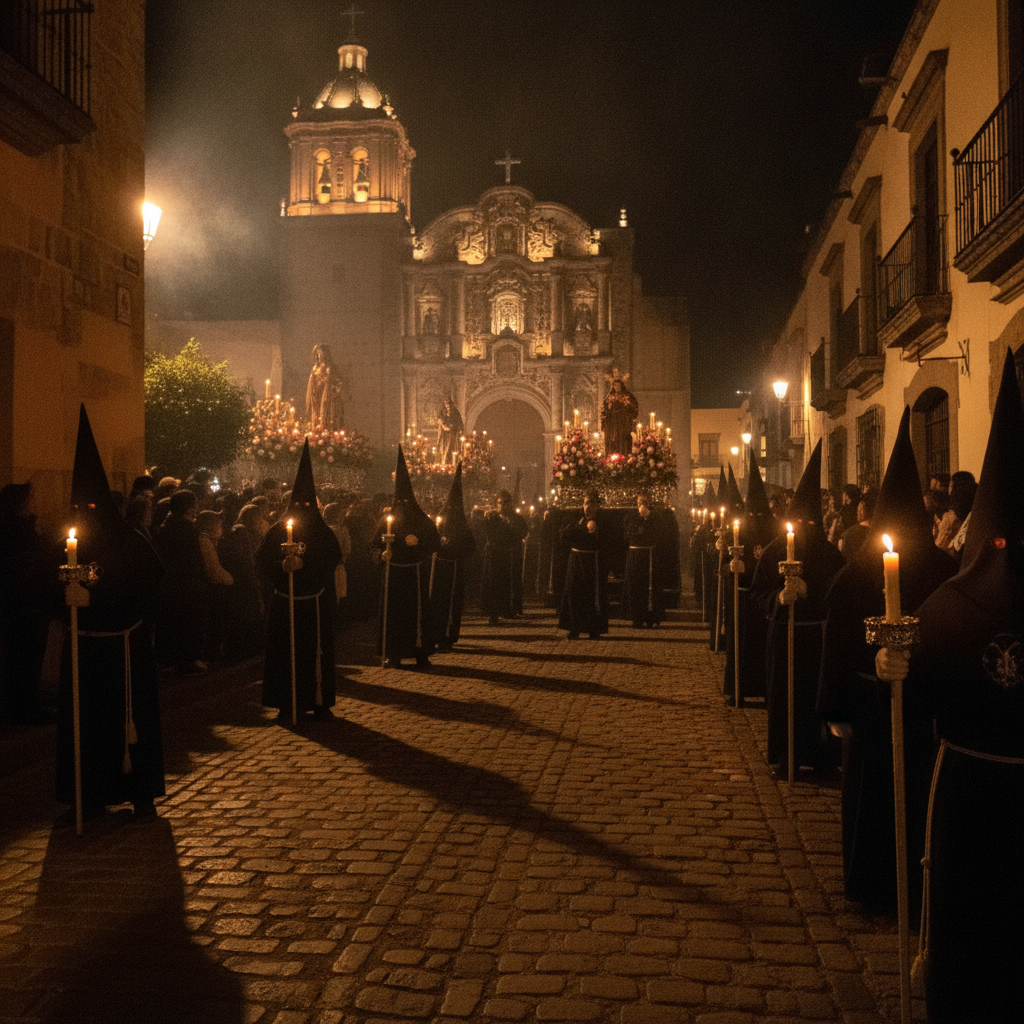
Semana Santa Processions Festivals and the Indigenous Chichimec Raids That Nearly Ended San Miguel de Allende Before It Began: History From the 1542 Founding Through the War of Independence
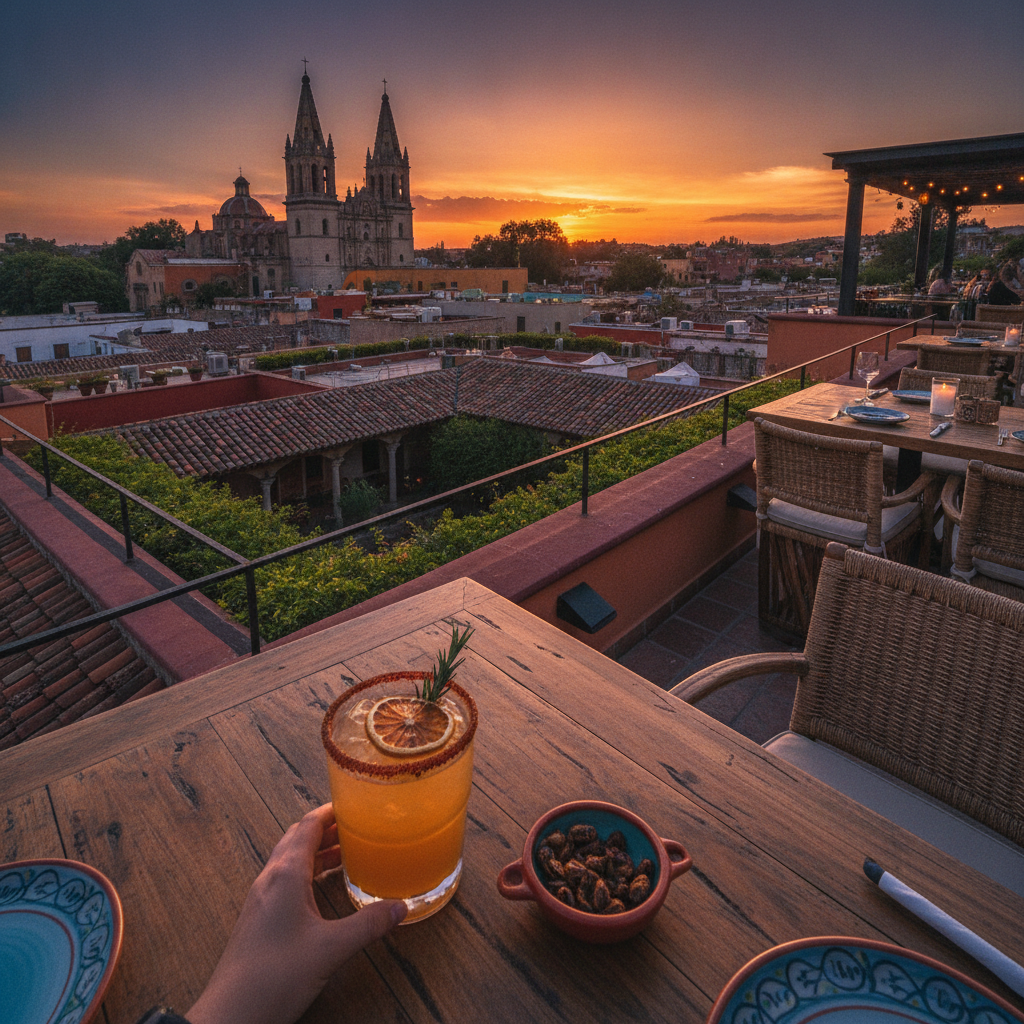
San Miguel de Allende Cuisine Bajio Flavors Enchiladas Mineras Carnitas Markets and the Farm to Table Revolution in a Colonial Kitchen Where Three Centuries of Tradition Meet Contemporary Mexican Gastronomy