San Miguel de Allende Cuisine Bajio Flavors Enchiladas Mineras Carnitas Markets and the Farm to Table Revolution in a Colonial Kitchen Where Three Centuries of Tradition Meet Contemporary Mexican Gastronomy
The cuisine of San Miguel de Allende reflects its position at the heart of the Bajio agricultural region, a fertile high-plateau zone that is one of the most productive food-producing areas of Mexico, growing strawberries, broccoli, asparagus, avocado, corn, beans, and the dry chiles and herbs that are the foundation of the regional cooking tradition. The Bajio culinary tradition, distinct from both the Oaxacan mole complex and the coastal seafood traditions, is characterized by meat-forward preparations, the use of dried chiles to produce complex sauces, and the corn masa preparations that are common throughout Mexico but take specific regional forms in Guanajuato. Enchiladas mineras, the signature dish of the Guanajuato mining region, differ from the enchiladas of other Mexican regions in their preparation: the corn tortillas are briefly fried, dipped in a dried guajillo and ancho chile sauce, and served topped with potatoes, carrots, and a fresh cheese garnish, reflecting the hearty working-class food of the silver mine communities that needed calorie-dense meals to sustain underground labor. The carnitas of the Bajio, prepared in large copper cazos from pork confited slowly in its own fat with orange, milk, and herbs, are among the best in Mexico, available from the carnitas vendors of the Tuesday tianguis market and from the dedicated carnitas restaurants that serve the cut by the kilo on weekday mornings. The contemporary restaurant scene of San Miguel, built primarily for the North American and European tourist and expatriate market, has developed a high-end Mexican gastronomy sector that applies modern culinary techniques to regional Bajio ingredients, making San Miguel the most internationally reviewed dining destination in Mexico outside of Mexico City, with two restaurants appearing on the Latin Americas 50 Best list.
- 1
Enchiladas Mineras and Bajio Regional Cuisine
Enchiladas mineras are the signature dish of the Guanajuato Bajio culinary tradition, taking their name from the miners of the silver economy who ate them as a staple working meal in the mining communities of Guanajuato, San Miguel, and Dolores Hidalgo. The preparation involves briefly frying corn tortillas in hot oil until they soften rather than crisp, dipping them quickly in a sauce made from rehydrated dried guajillo and ancho chiles, and serving them topped with boiled and fried potato cubes, sliced carrots, shredded chicken or beef, and a crumbled fresh cheese called queso de rancho that is produced from the dairy cattle of the Bajio ranching economy. The resulting dish is heartier and less liquid than the enchiladas of Mexico City or Oaxaca, designed for sustained energy rather than refinement, and served in portions that reflect the caloric demands of physical labor. The enchilada minera tradition is maintained in San Miguel in the market fondas of the Mercado Municipal San Juan de Dios and in the traditional restaurants of the colonias away from the tourist circuit, where the prices and portions reflect the peso economy rather than the tourist premium of the historic center restaurants. A secondary regional preparation, the pachola, a thin pressed patty of ground pork or beef seasoned with dried chiles and herbs, grilled on a comal and served with beans and salsa, is the working-class morning meal of the Bajio market vendors and agricultural workers.
- 2
Carnitas Tuesday Market and Mercado San Juan de Dios
The Tuesday tianguis market of San Miguel de Allende, held weekly in the Mercado de Artesanias and the surrounding streets near the bus station two kilometres from the historic center, is the largest open market in the Bajio highlands outside of Queretaro and Leon, drawing vendors from throughout the region to sell clothing, tools, plants, prepared food, livestock, and the agricultural produce of the surrounding farming communities. The carnitas vendors of the Tuesday market, operating large copper cazo pots over wood fires, represent the best opportunity to eat the pork preparation in its working-class context, sold by weight on plastic plates with fresh tortillas, salsa, lime, and the optional garnishes of pickled jalapeños and chopped cilantro and onion. The Mercado Municipal San Juan de Dios, the covered permanent market in the colonia below the historic center, is the primary food market serving the Mexican resident population, with stalls selling fresh vegetables, dried chiles, herbs, butcher meats, prepared food, and the household goods and cleaning products that constitute the essential commerce of a Mexican neighborhood. The fondas of the Mercado San Juan de Dios serve comida corrida, the fixed-price multicourse midday meal that is the working lunch of Mexico, for 60 to 100 pesos, a fraction of the cost of equivalent nutrition in the tourist restaurants of the historic center. The contrast between the Tuesday tianguis and the weekend artisan markets of the historic center captures the economic duality of San Miguel: the tianguis serves the Mexican majority at Mexican prices, while the tourist markets sell to the expatriate and visitor economy at international prices.
- 3
Contemporary Fine Dining and Latin Americas 50 Best
San Miguel de Allende has developed a contemporary fine dining sector that has placed it on the international gastronomic map, with the restaurant Moxi at the Hotel Matilda and the restaurant Quince Letras among the establishments that have achieved recognition in the Latin Americas 50 Best Restaurants rankings. The contemporary Mexican cuisine of San Miguel applies techniques associated with the Nordic and Spanish avant-garde — fermentation, dehydration, local forage, seasonal menu changes — to the agricultural products of the Bajio region, including the heirloom corn varieties, heritage pork breeds, wild herbs from the surrounding semi-arid landscape, and the dairy products of the Bajio ranching economy. The tasting menu format that dominates the fine dining end of San Miguel gastronomy, with menus of 8 to 14 courses priced at 120 to 200 US dollars per person before wine, reflects the purchasing power of the North American tourist and expatriate market that funds this sector, and the chefs who operate these restaurants are drawn from the Mexico City fine dining scene and from international training programs rather than from the local Bajio tradition. The farm-to-table movement in San Miguel, connecting the highland restaurants to the small organic farms in the surrounding communities of Atotonilco, Jalpa, and the Queretaro valley, has created a supply chain of certified organic vegetables, pastured eggs, artisan cheeses, and heirloom grain flours that would not be commercially viable without the premium purchasing capacity of the tourist restaurant sector. Mezcal and natural wine pairings have become the beverage format of choice in the San Miguel fine dining circuit, with mezcal bars offering programs of 100 or more labels.
- 4
Mezcal Bars and the Artisan Spirits Scene
The mezcal bar culture of San Miguel de Allende, concentrated in the historic center streets of Umaran, Canal, and Reloj within walking distance of the Jardin Principal, constitutes one of the most developed artisan mezcal drinking scenes in Mexico outside of Oaxaca and Mexico City, with bars offering selections of 80 to 200 labels representing the full spectrum of agave species, production regions, and maestro mezcalero styles. The proximity of San Miguel to Oaxaca, the primary mezcal production state, and to the production zones of Guerrero, Durango, San Luis Potosi, and Guanajuato itself means that the bars can offer mezcals from regions and agave species rarely exported and representing the diversity of a spirit that has over 30 commercially distilled agave varieties. The mezcal education infrastructure of San Miguel, including bar staff who conduct structured tastings, workshops offered by mezcal brands and distributors, and the annual mezcal festival that brings producers to the city, serves both the curious tourist and the serious enthusiast who may spend a week moving through the different bar programs. The Guanajuato mezcal tradition, less well known than Oaxaca but producing distinctive expressions from agave salmiana, the largest agave variety, and the endemic cupreata and other highland species, is represented in San Miguel bars as part of a regional diversification that the mezcal market has pursued beyond the Oaxacan denominations. Sotol, the spirit distilled from the dasylirion plant of the Chihuahuan desert, and raicilla, the Jalisco denomination that was officially recognized in 2019, are also available in the more comprehensive San Miguel bar programs.
- 5
Bajio Agriculture Strawberries Cajeta and Regional Producers
The Bajio agricultural economy surrounding San Miguel de Allende is one of the most productive export agriculture zones in Mexico, with the Irapuato strawberry industry producing the majority of Mexico's strawberry export crop, the Celaya cajeta (goat milk caramel) industry maintaining a colonial era confection tradition that has become nationally branded, and the broccoli, asparagus, and lettuce production of the irrigated Bajio valley feeding both domestic and US market demand. The Irapuato strawberry, grown in the alluvial plains 80 kilometres west of San Miguel on the same latitude, is the agricultural product most associated with the Bajio in Mexican popular consciousness, celebrated in the Irapuato strawberry festival and available in the street markets of San Miguel as fresh fruit, agua fresca, and the strawberry with cream preparation that is the most popular street food of the region. Cajeta de Celaya, the goat milk caramel produced in Celaya 60 kilometres south of San Miguel, is the confection that Guanajuato state is most associated with nationally, available in the wooden boxes and glass jars sold in the tourist markets of San Miguel as a souvenir of the region. The cheesemaking tradition of the Bajio, producing the fresh quesos de rancho that accompany enchiladas mineras and the aged cheeses of the artisan producers, is concentrated in the small dairy operations of the villages surrounding San Miguel where Holstein and Swiss Brown cattle graze the highland pasture. The organic farming movement around San Miguel, serving the premium restaurant market, is small but growing, with producers in communities like Jalpa and San Pedro Tenango supplying the heirloom variety crops that the fine dining kitchen requires.
- 6
San Miguel Street Food Hot Air Balloon Festival and El Charco Botanical Garden
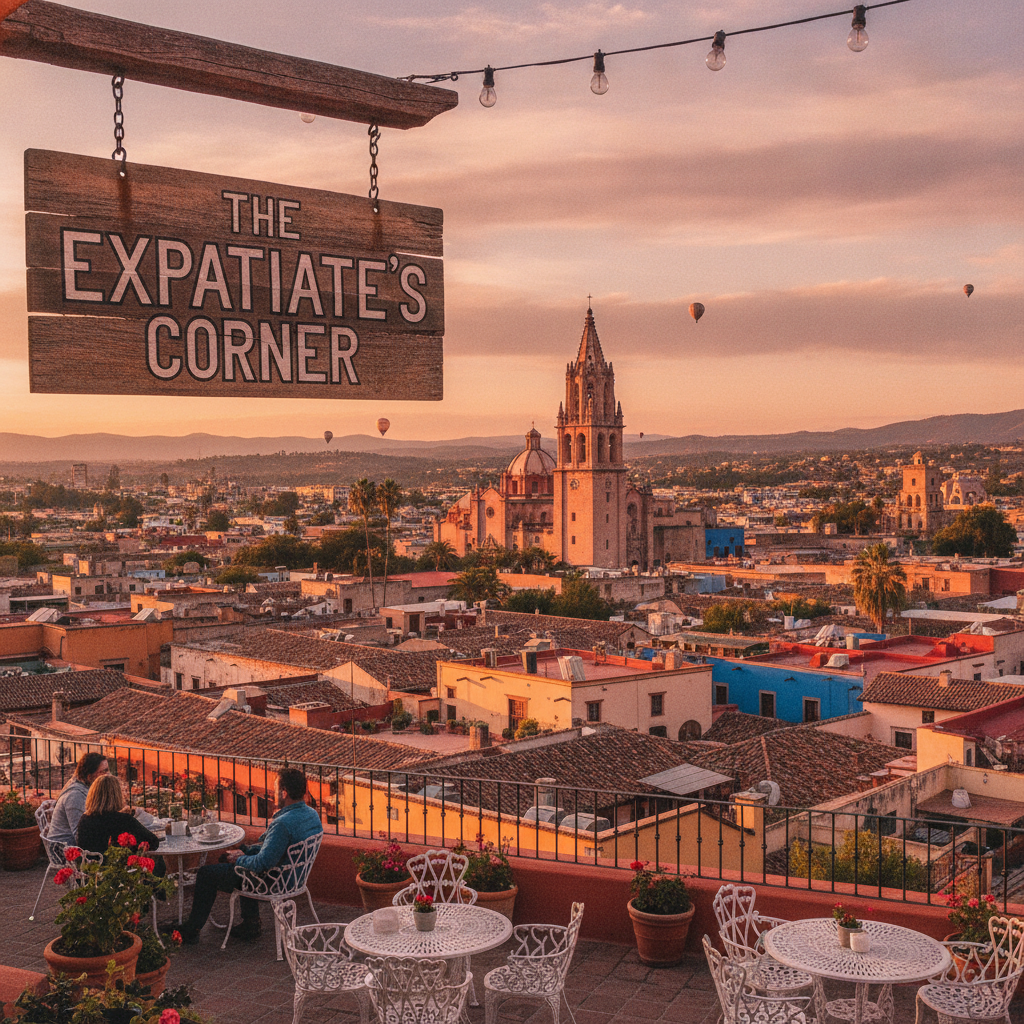
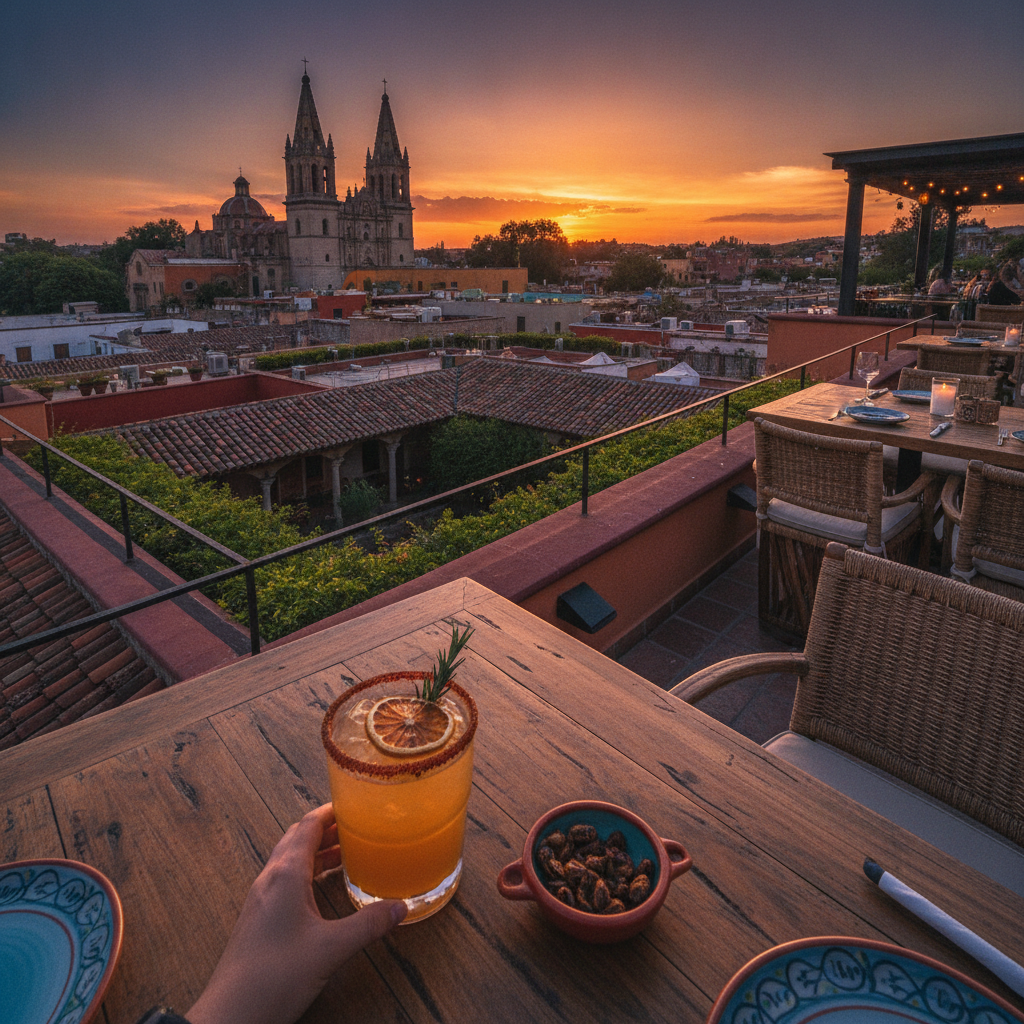
The street food circuit of San Miguel de Allende, concentrated in the Jardin Principal area in the evenings and in the Mercado de Artesanias on Tuesday market days, offers the tamales, elotes, atole, gorditas, and antojitos that are the informal food culture of a Mexican city, existing in parallel with the premium restaurant sector that occupies the ground floors of the colonial mansions on Sollano, Correo, and Hernandez Macias streets. The hot air balloon festival of San Miguel, held annually in February and drawing balloons from Mexican and international operators, is the most photographed event in the city's calendar, with the balloons rising over the Parroquia towers at dawn to create the image that has become the symbol of San Miguel de Allende in its tourism promotion. El Charco del Ingenio, the 70-hectare ecological reserve and botanical garden on the eastern edge of the historic center whose canyon, dam, and extensive succulent collection are maintained by the civil association that has protected the site since the 1990s, offers the closest natural landscape to the urban core, with hiking trails through semi-arid scrub, a birdwatching circuit of over 100 recorded species, and the seasonal presence of monarch butterflies in migration that pass through the Bajio highlands. The weekend arts and crafts markets of the historic center, particularly the Saturday market in the Jardin Principal and the artisan vendors around the Mercado de Artesanias, sell the silverwork, leather goods, talavera ceramics from Dolores Hidalgo, and the textiles of the Guanajuato region that constitute the souvenir economy of a tourist city. The rooftop bar and restaurant circuit of San Miguel, with views over the colonial rooftops to the Parroquia towers at sunset, is the experience that the premium accommodation market considers essential and that the boutique hotels of the historic center have designed their properties to provide.
Walk this route with audio
Stories play automatically as you reach each stop — no tapping needed.
More in San Miguel de Allende
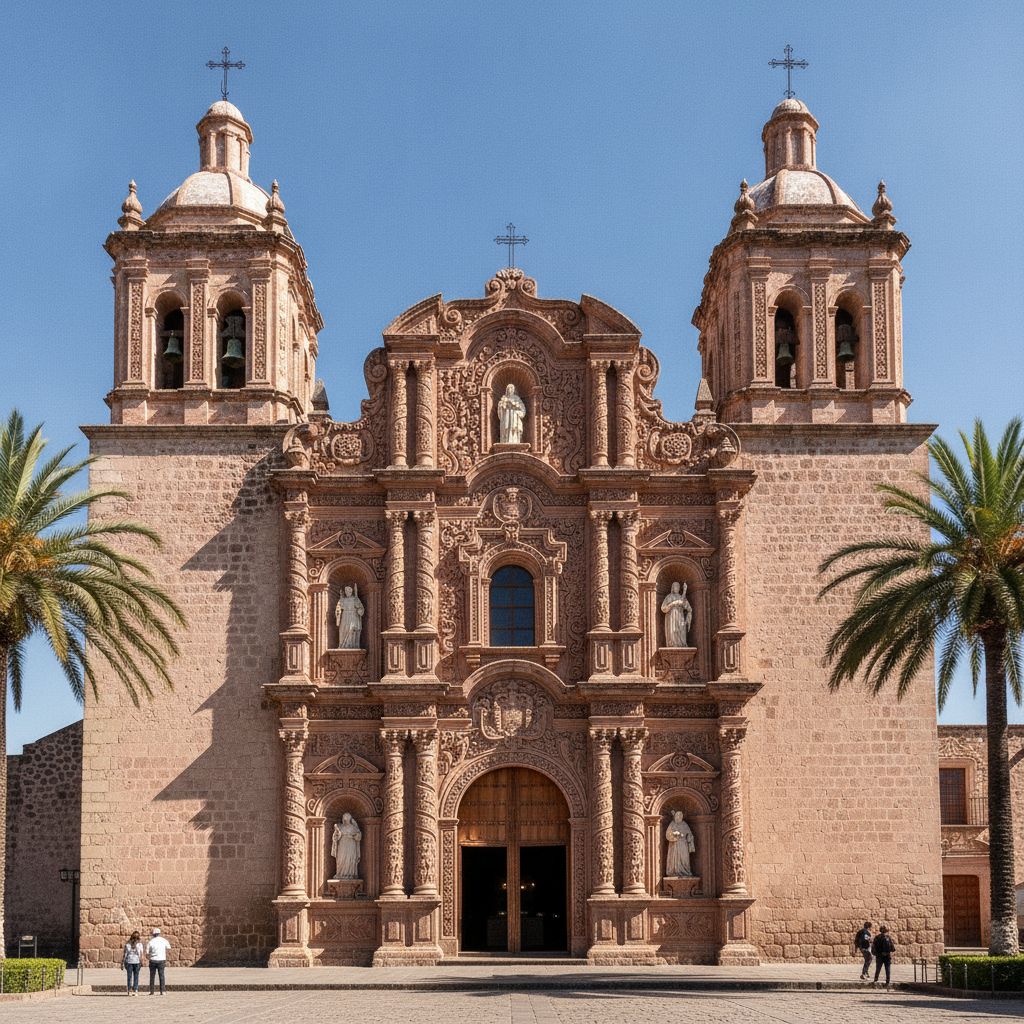
San Miguel de Allende Colonial Architecture Baroque Churches and the Oratorio de San Felipe Neri: Walking the Streets of a UNESCO World Heritage Site Whose Every Cobblestone Was Laid by Otomi and Chichimec Labor
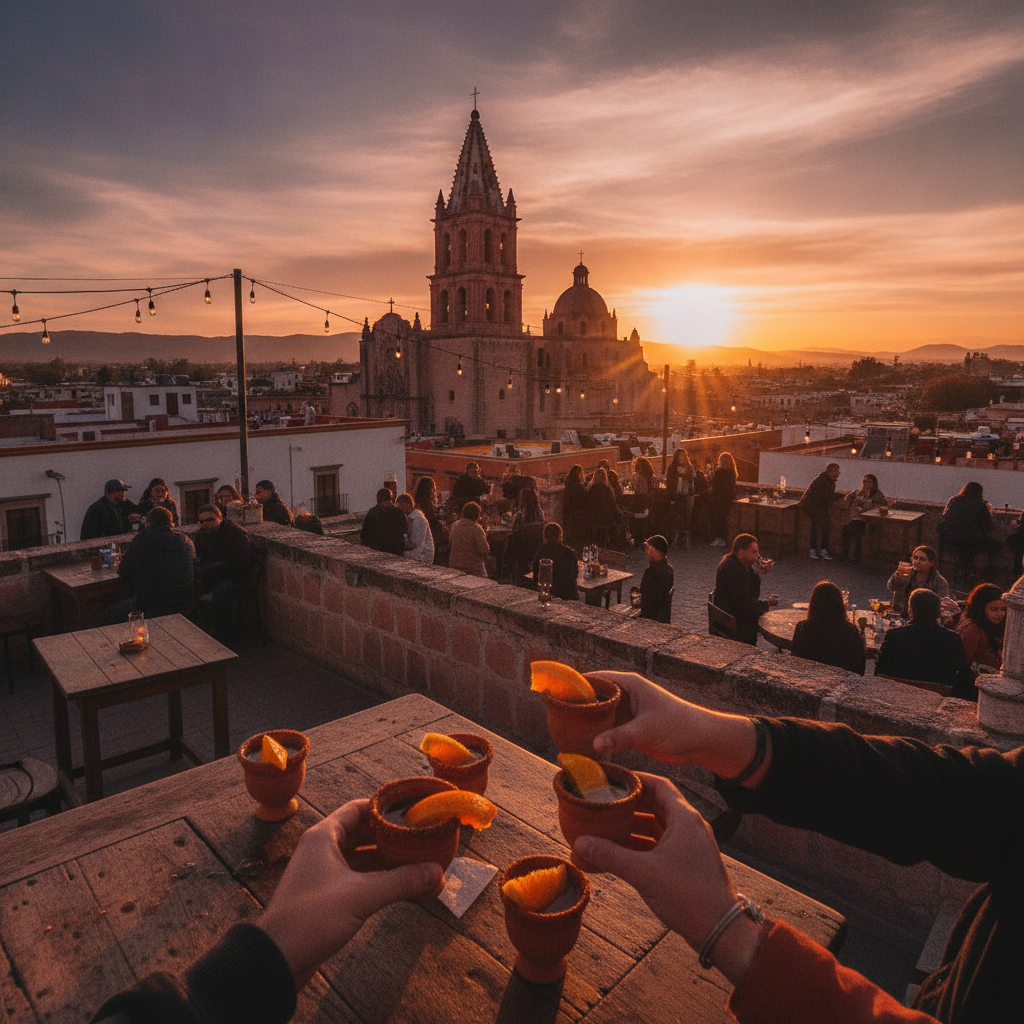
San Miguel de Allende Food Scene and Mezcal Bars: How a City of 170,000 Has More World-Class Restaurants Per Capita Than Any City in Mexico and Why the Vendors in the Tuesday Market Are the Better Story
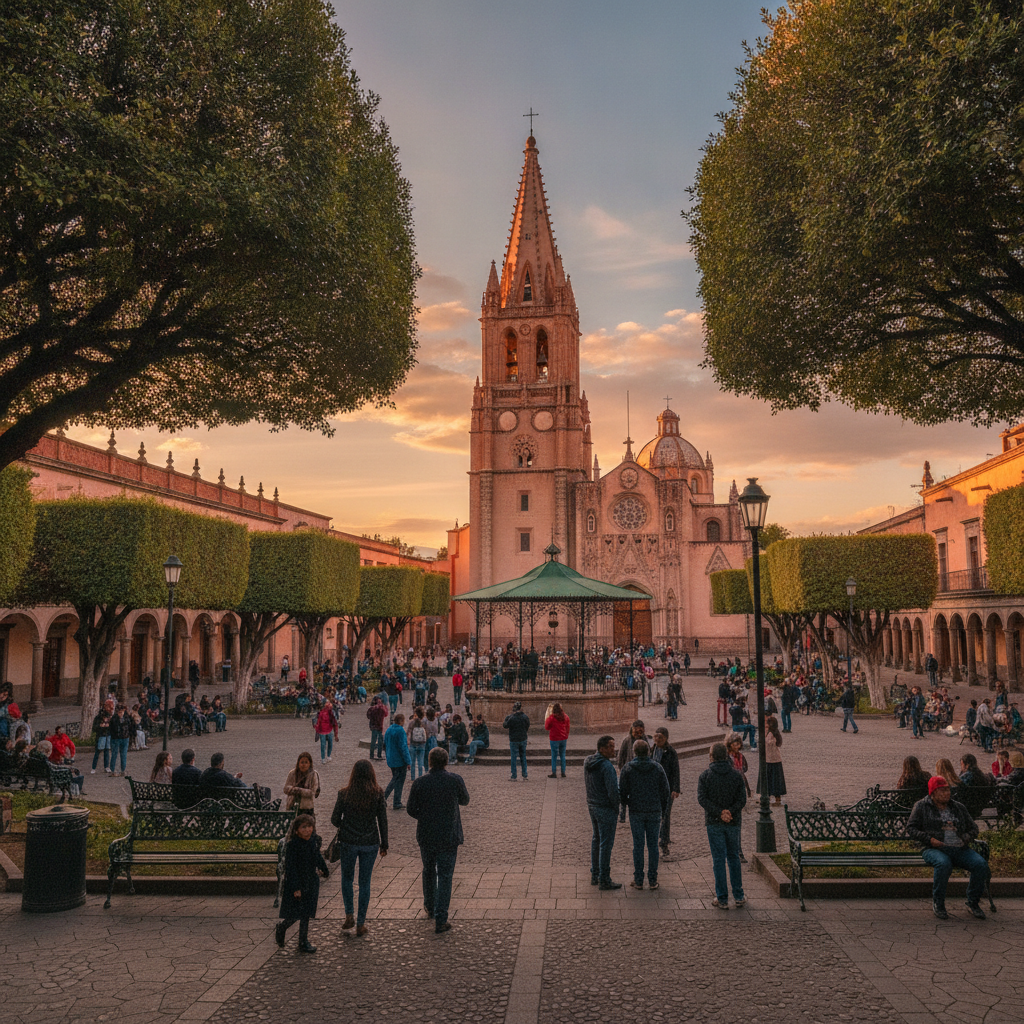
San Miguel de Allende: The Colonial City That Was Named Best City in the World Seven Times, That Saved Itself from Demolition by Attracting American Art Students in 1938, and Whose Pink Gothic Church Was Designed by an Indigenous Mason Who Had Never Been to Europe
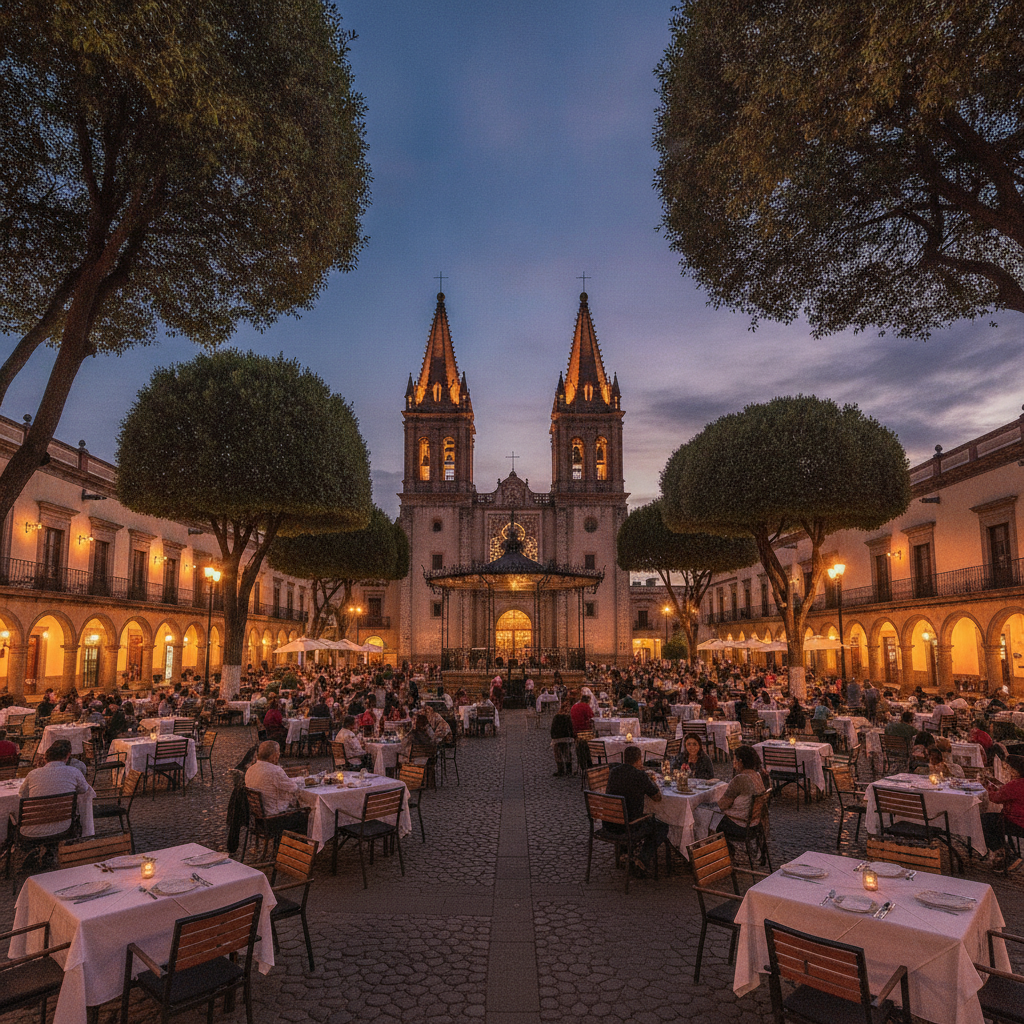
San Miguel de Allende Practical Guide: Getting There Climate When to Visit Neighborhoods Safety Healthcare Language and Living with the Dual Economy of the Most Expensive Colonial City in Mexico
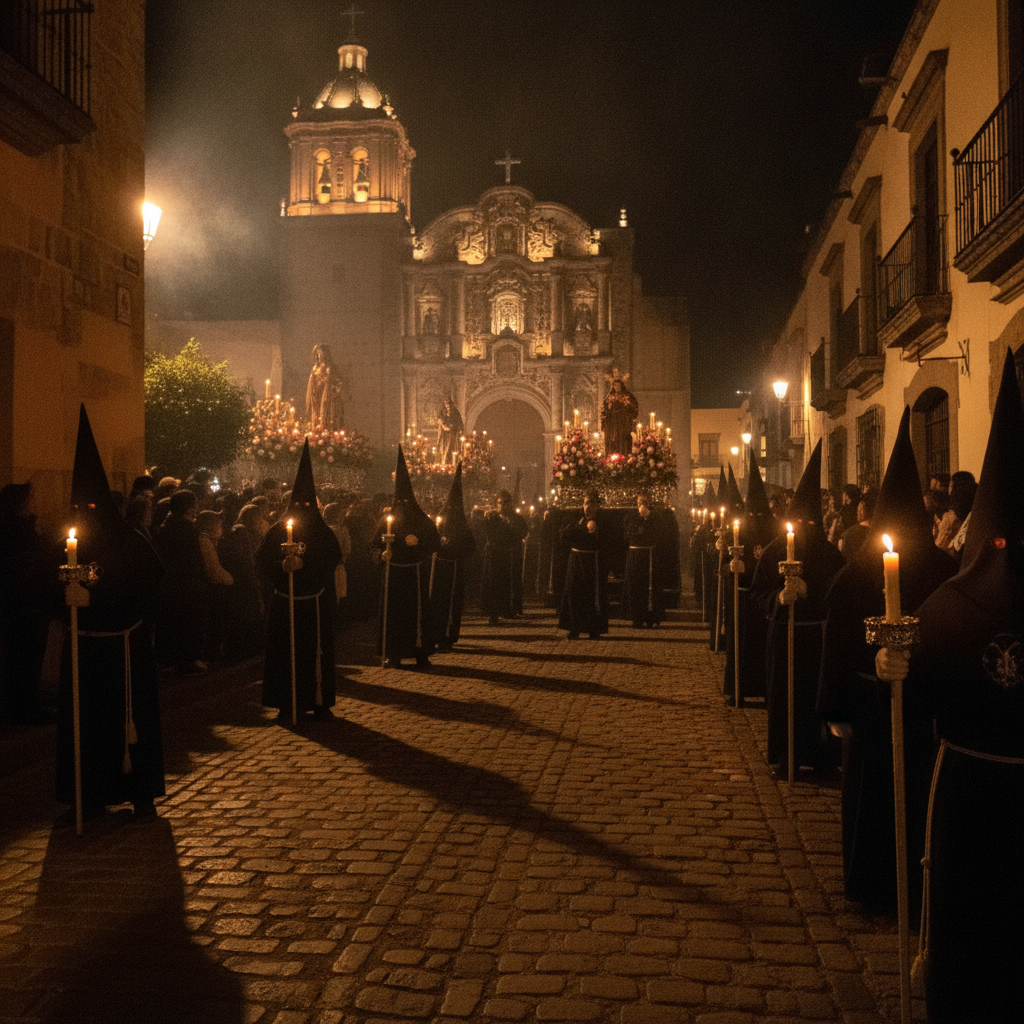
Semana Santa Processions Festivals and the Indigenous Chichimec Raids That Nearly Ended San Miguel de Allende Before It Began: History From the 1542 Founding Through the War of Independence