San Miguel de Allende Food Scene and Mezcal Bars: How a City of 170,000 Has More World-Class Restaurants Per Capita Than Any City in Mexico and Why the Vendors in the Tuesday Market Are the Better Story
San Miguel de Allende has developed, through the concentration of affluent North American expatriates, wealthy Mexican weekenders from Mexico City and Guadalajara, and the international tourism traffic attracted by the Conde Nast world-best-city designations, a restaurant and food scene that is disproportionately sophisticated for a city of 170,000, with dozens of establishments that would receive serious critical attention in New York or Mexico City, several of which appear on the Latin America 50 Best restaurant list, all operating in the same cobblestone colonial city where the morning market vendors at the Tuesday tianguis and the taco stands of the Colonia San Antonio serve the local population with preparations unchanged from the pre-boom era. The tension between the food culture that serves the 25,000 to 30,000 North American expatriates and the rotating tourism traffic that brings wealthy visitors year-round, and the food culture that serves the 140,000 Mexican residents who work in the service, construction, and agricultural sectors that support the tourism economy, is the defining social geography of San Miguel eating: the same city that has a restaurant with a James Beard Award-nominated chef from New York also has a daily gordita stand in the Mercado Municipal where the total cost for a complete meal never exceeds 40 pesos. The mezcal bar culture of San Miguel, concentrated in the streets around the Jardin and extending into the Colonia San Antonio, has introduced the premium artisanal mezcal category to the international tourism market more effectively than any other Mexican city outside Oaxaca itself, making San Miguel a commercial distribution channel for Oaxacan and Guerrero mezcal producers.
- 1
San Miguel Restaurant Scene Premium Dining
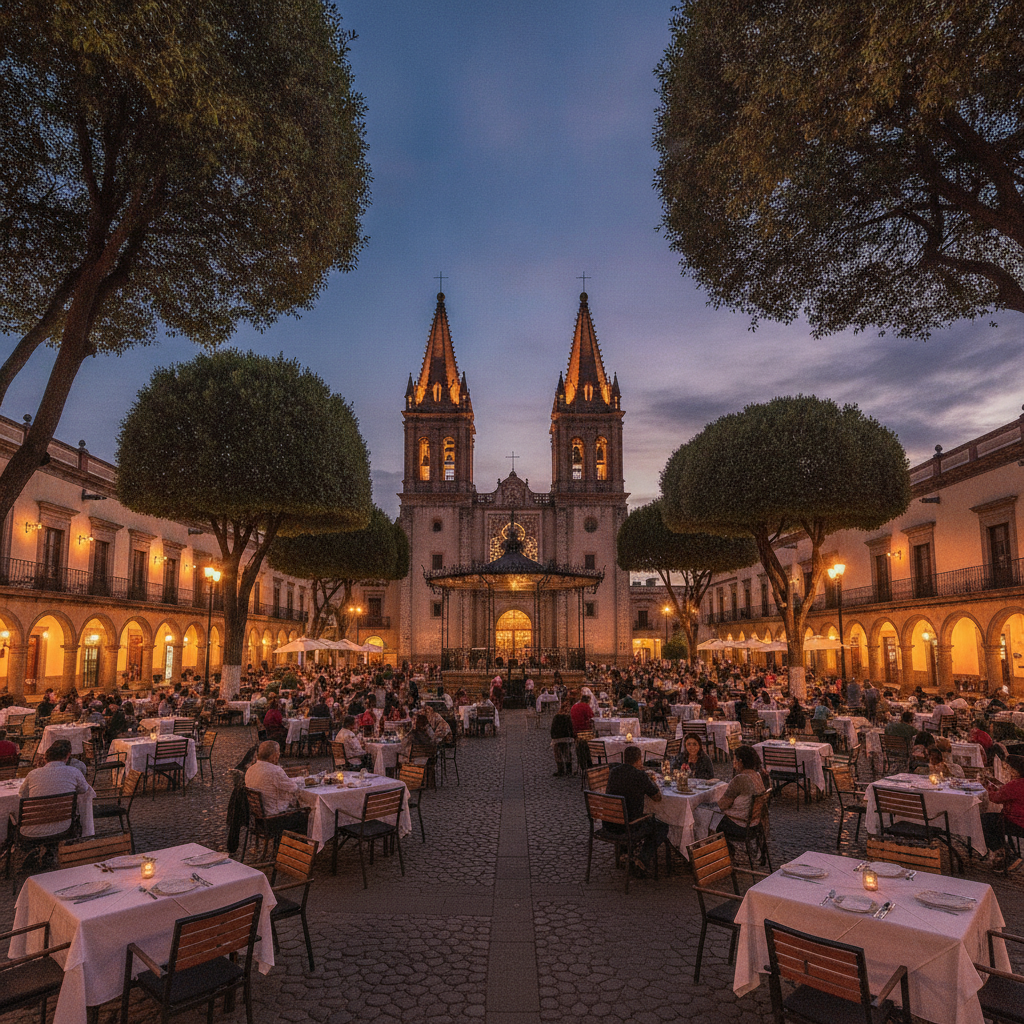
The restaurant scene of San Miguel de Allende, which has been described by food media including Bon Appetit, Food and Wine, and the New York Times travel section as the most exciting small-city dining destination in Mexico, concentrates premium Mexican and international cuisine in the colonial streets of the historic center and the adjacent colonias, with the most celebrated establishments including Moxi at the Hotel Matilda, Quince Letras, Lavanda, and the rotating roster of seasonal pop-up and residency restaurants that use San Miguel as a platform because the concentrated affluent visitor traffic provides a paying audience for ambitious food projects that would struggle in a less tourism-intensive city. The chef community of San Miguel includes several alumni of the Mexico City fine dining circuit, a few international chefs who relocated specifically to cook in the city's favorable restaurant environment, and an emerging generation of young Mexican chefs who trained in Mexico City or abroad and returned to open their own establishments in San Miguel. The food media attention has created a positive feedback loop: coverage attracts visitors who come specifically for the food, which attracts more chefs who want the exposure, which generates more coverage. The farm-to-table procurement culture of the San Miguel restaurant scene uses the agricultural production of the Bajio region — the primary Mexican agricultural zone responsible for a significant portion of the country's vegetable, grain, and dairy production — as a local sourcing argument, with restaurants maintaining relationships with specific farms in the Celaya and Irapuato agricultural zones.
- 2
Tuesday Market and Local Food Culture
The Tuesday tianguis market, held weekly in the neighborhood of the Colonia del Cortijo on the eastern edge of the San Miguel historic center, is the primary open-air market serving the local Mexican population of the city and provides the most direct encounter with the food culture that pre-exists and coexists with the premium restaurant scene that international media covers. The Tuesday market sells fresh produce including the highland vegetables of the Bajio — chiltomate, tomatillo, local chile varieties, fresh herbs, heirloom corn — alongside prepared food stalls serving gorditas, tamales, carnitas, chicharron, and the local aguamiel cactus drink. The market also sells clothing, household goods, and agricultural supplies, serving the working-class population of San Miguel in a commercial format that has no relationship to the artisan market and tourist shopping culture of the Jardin area. The Mercado Municipal San Juan de Dios, the permanent covered market two blocks from the Jardin, provides daily access to fresh produce, meat, cheese, and prepared food at local prices, serving primarily the resident Mexican population and the domestic workers employed in the expatriate and tourist hospitality sector. The quesillo, the fresh string cheese produced in the communities of the San Miguel surrounding area, and the local dairy production of the Bajio including the ranchero cheese and the crema fresca, are available at the market at prices that reflect the agricultural abundance of the region rather than the tourism premium of the Jardin area restaurants. The taco stands of the Colonia San Antonio, the working-class neighborhood east of the historic center, serve the late-night food culture of the city's Mexican residents in a format entirely separate from the tourism food economy.
- 3
San Miguel Mezcal and Cocktail Culture
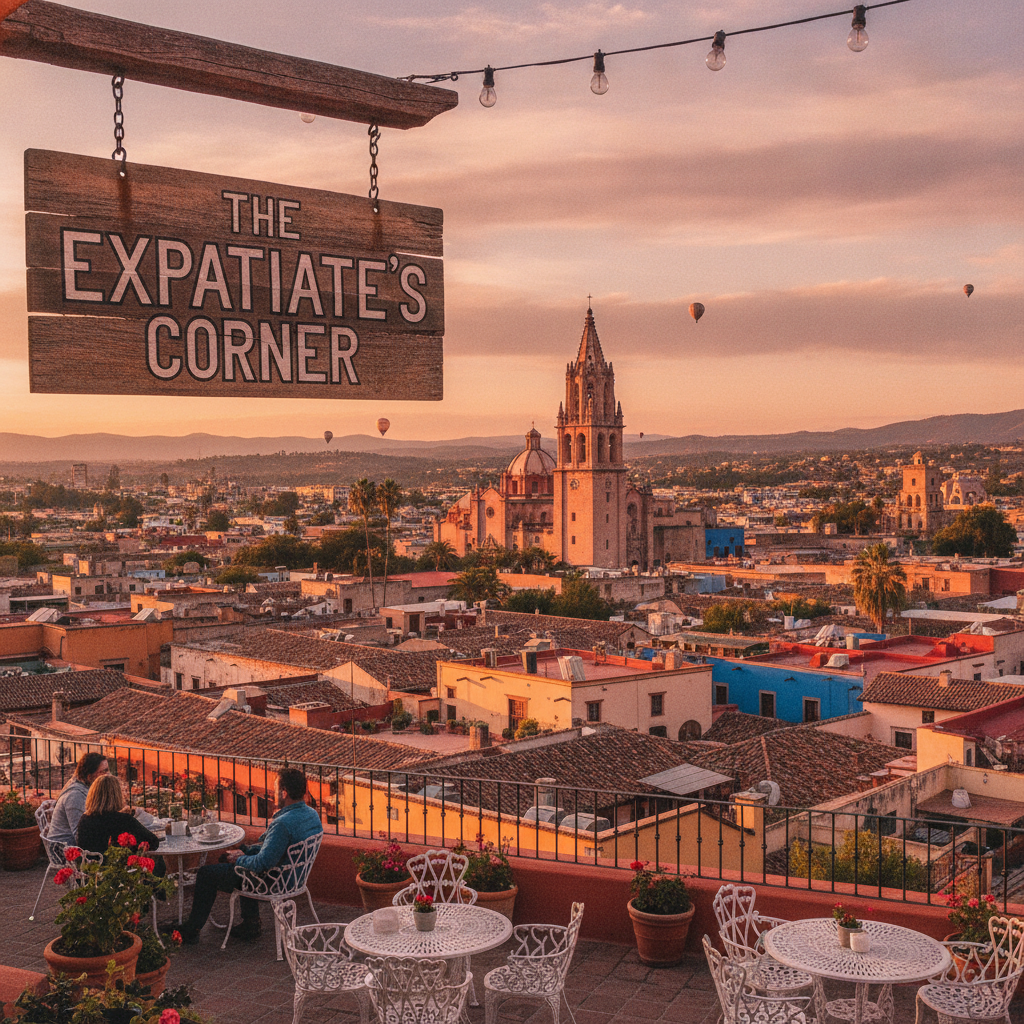
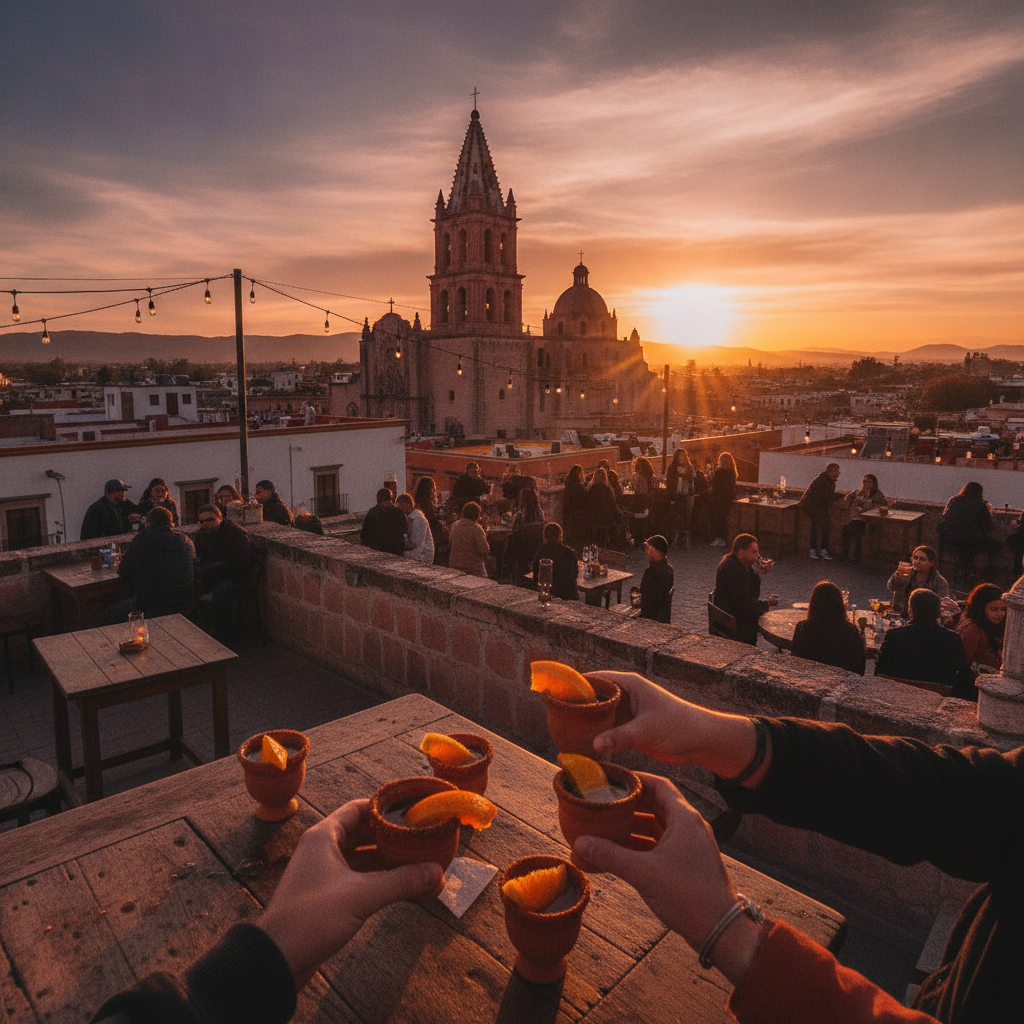
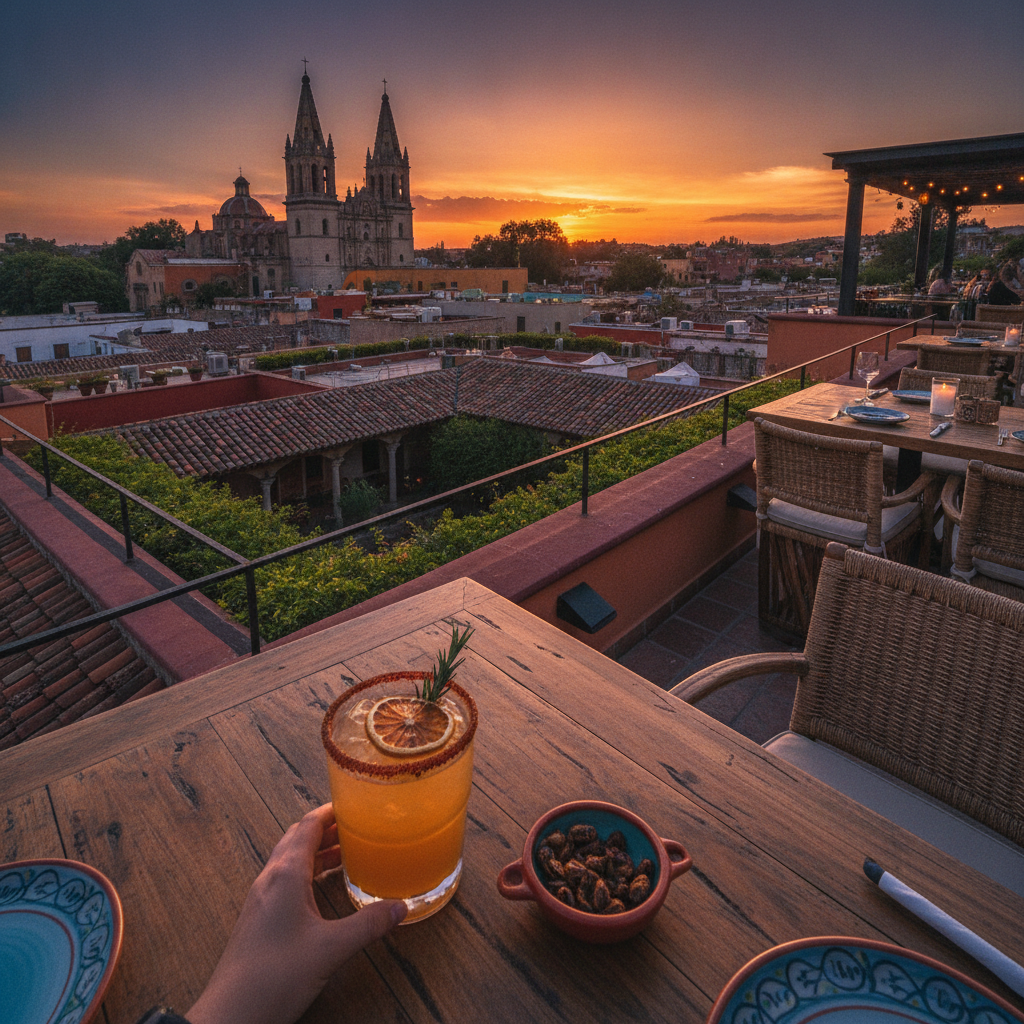
The mezcal bar culture of San Miguel de Allende, which emerged in the 2010s as the premium artisanal mezcal market developed internationally, has positioned the city alongside Oaxaca city as the primary retail destination for premium mezcal in Mexico, with a concentration of mezcal bars, bottle shops, and mezcal-focused restaurants in the streets around the Jardin that offer some of the most extensive and carefully curated mezcal programs available outside the producing regions. The La Mezcaleria, Los Danzantes, and similar mezcal-focused establishments maintain programs of 100 to 200 mezcal labels organized by agave species, maestro mezcalero, production region, and vintage batch in a format modeled on the serious wine list of a European restaurant. The San Miguel mezcal retail market has made the city a commercial distribution point for producers from Oaxaca, Durango, Michoacan, and Guerrero who want access to the premium tourism market without establishing their own export infrastructure. The cocktail bar culture that developed alongside the mezcal program has produced several establishments serving contemporary Mexican cocktails using mezcal, tequila, pulque, and regional spirits with Mexican botanical ingredients including hibiscus, tamarind, chilhuacle chile, and fresh herbs. The afternoon drinking culture of San Miguel, with the golden hour at the Jardin rooftop bars overlooking the Parroquia spires, is one of the most photographed social rituals in Mexican travel media and is genuinely pleasant regardless of its photogenic quality.
- 4
San Miguel Bajio Agricultural Context
The Bajio, the fertile agricultural basin of the states of Guanajuato, Queretaro, Jalisco, and Michoacan that provides a significant portion of Mexico's strawberry, broccoli, asparagus, avocado, and grain production, surrounds San Miguel de Allende with one of the most productive agricultural regions in the country, creating the farm-to-table sourcing opportunity that the city's restaurants market as a local food identity and that is genuinely substantive rather than marketing fiction. The Celaya and Irapuato valleys south and southwest of San Miguel produce strawberries for both domestic consumption and the United States market, with the Irapuato region claiming the title of the world strawberry capital and hosting an annual strawberry festival. The avocado production of the Michoacan portion of the Bajio, the most commercially significant Mexican agricultural export, is distributed through the Bajio transport network that moves through San Miguel. The Dolores Hidalgo ceramics industry 50 kilometres north of San Miguel produces the brightly colored Talavera-style ceramics and the garden furniture tiles that are among the most recognizable exports of the Bajio artisan economy, sold at roadside and market stalls throughout the region. The cajeta, the goat milk caramel produced in the city of Celaya that is the most famous Guanajuato food product, is made from the milk of the goat herds of the Bajio semi-arid zone and sold throughout Mexico and internationally as the defining sweet of the region.
- 5
San Miguel Arts Calendar and Cultural Events
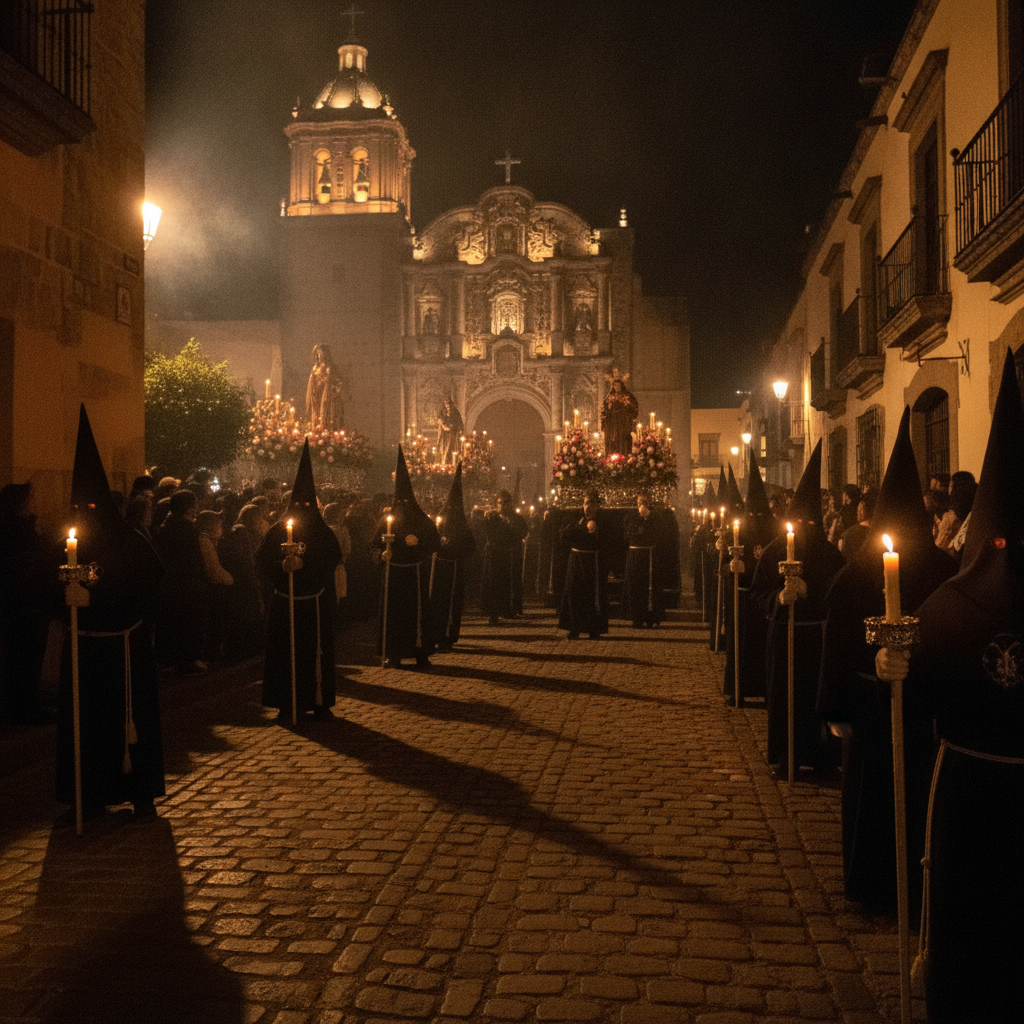
The arts calendar of San Miguel de Allende, packed with festivals, gallery openings, music performances, film screenings, literary events, and cultural programs year-round, reflects the concentration of cultural institutions, galleries, performing arts venues, and the active expatriate and Mexican creative community that has made the city a destination for cultural tourism alongside the colonial architecture and the restaurants. The Festival Internacional de Jazz y Blues de San Miguel, held in late November, draws jazz and blues performers from Mexico and internationally to the Jardin Principal and the Teatro Angela Peralta for outdoor and indoor concerts that combine the music with the dramatic backdrop of the Parroquia illuminated at night. The Festival de la Vida y la Muerte, the Day of the Dead celebration of San Miguel, has developed into one of the most elaborate and internationally attended versions of the holiday in Mexico, with elaborate altar installations in the historic center plazas, the traditional calaverazo procession, and the cemetery candle vigil at the Panteon Municipal. The Casa de la Cultura Banamex, the Biblioteca Publica de San Miguel, and the Instituto Allende provide programming space for film series, lectures, language classes, and community events that serve both the expatriate and Mexican resident populations. The weekend art walk organized by the gallery association of San Miguel, active on most Saturdays throughout the year, provides a programmed route through the galleries of the historic center with gallery owners and artists present. The music scene of San Miguel includes classical chamber music in the colonial churches, jazz in the hotel bars, and mariachi in the Jardin on weekend evenings.
- 6
San Miguel Gentrification and Displacement
San Miguel de Allende is the most advanced case of tourism-driven gentrification in Mexico, with a process that began in the 1940s when the first American artistic colony established itself in the historic center and that has accelerated through successive waves of expatriate migration to the point where the original lower-middle-class Mexican population of the historic center has been almost entirely displaced to peripheral neighborhoods. The property values of the historic center in 2023 are comparable to major US cities — colonial houses in the most desirable blocks sell for 1 to 3 million USD — making homeownership impossible for the Mexican service workers who maintain the restaurants, hotels, galleries, and boutique shops that generate the tourism revenue. The rental market for long-term housing serving Mexican workers has been significantly reduced by the conversion of residential properties to short-term tourism accommodation, with Airbnb and similar platforms making it more profitable for property owners to rent by the night to tourists than by the month to local families. The Mexican government designated San Miguel de Allende a Pueblo Magico and a UNESCO World Heritage Site specifically to preserve the colonial character that the tourism economy depends on, but the preservation framework focuses on building facades and the physical urban form rather than the social and economic character of the community, allowing the displacement of the original population while preserving the architectural setting it created. The social critique of San Miguel gentrification, articulated by Mexican writers and by the displaced residents themselves, identifies the world-best-city designation as the single most damaging event in the city's recent history, accelerating the gentrification beyond the rate that any local policy could mitigate.
Walk this route with audio
Stories play automatically as you reach each stop — no tapping needed.
More in San Miguel de Allende
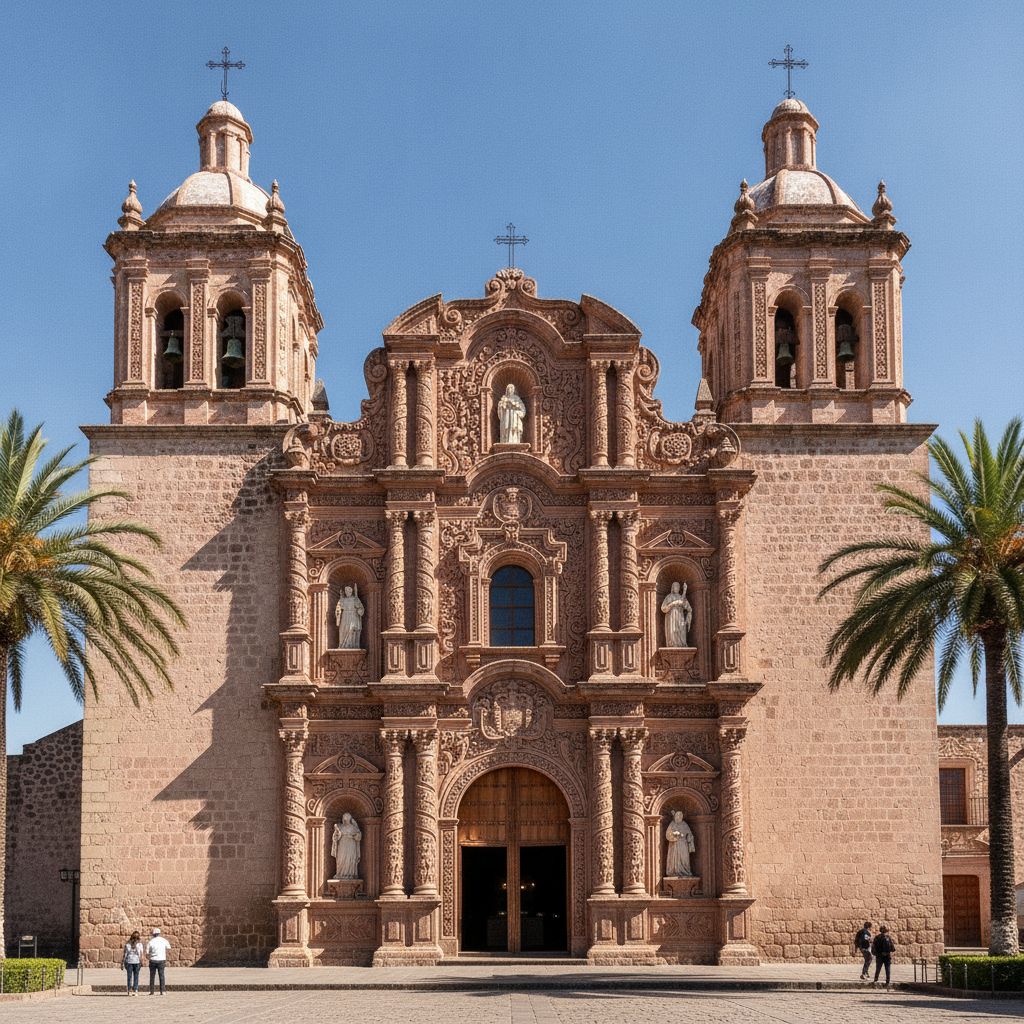
San Miguel de Allende Colonial Architecture Baroque Churches and the Oratorio de San Felipe Neri: Walking the Streets of a UNESCO World Heritage Site Whose Every Cobblestone Was Laid by Otomi and Chichimec Labor
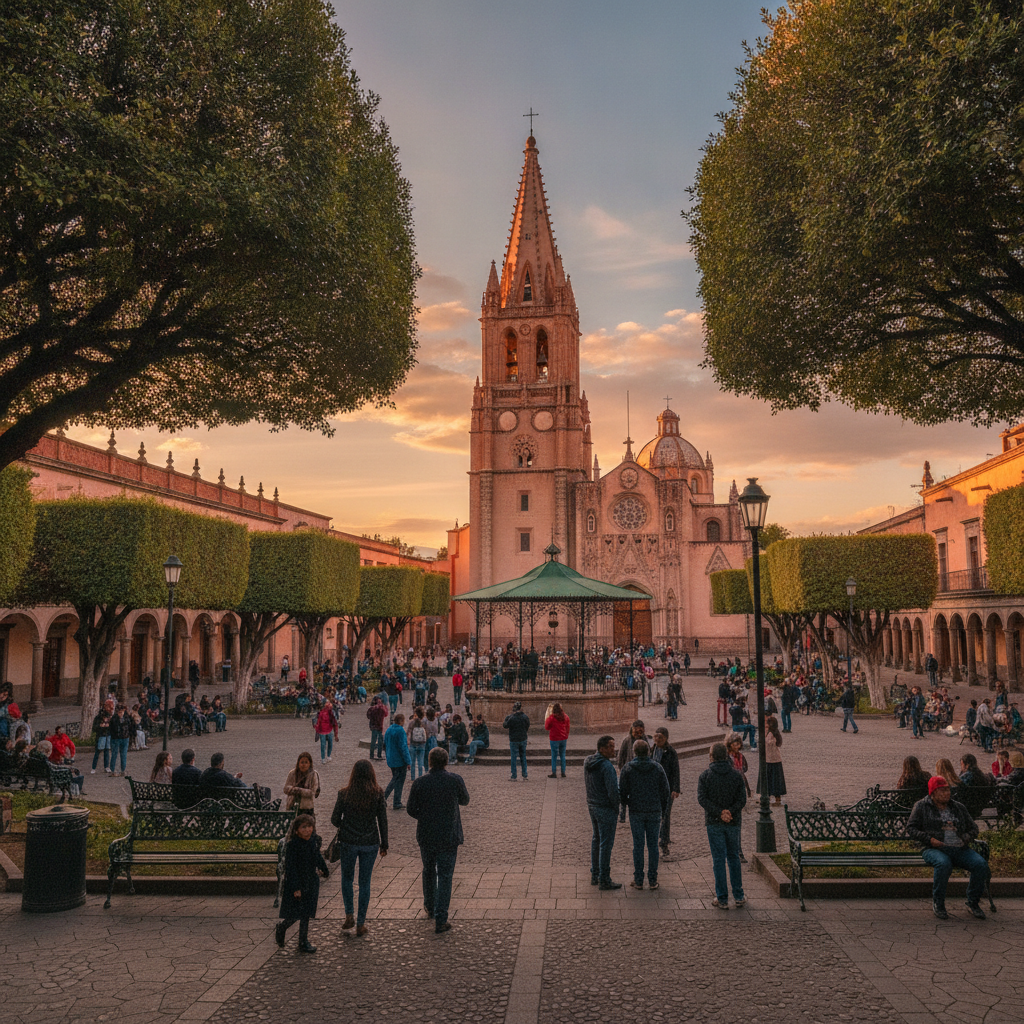
San Miguel de Allende: The Colonial City That Was Named Best City in the World Seven Times, That Saved Itself from Demolition by Attracting American Art Students in 1938, and Whose Pink Gothic Church Was Designed by an Indigenous Mason Who Had Never Been to Europe
San Miguel de Allende Practical Guide: Getting There Climate When to Visit Neighborhoods Safety Healthcare Language and Living with the Dual Economy of the Most Expensive Colonial City in Mexico
Semana Santa Processions Festivals and the Indigenous Chichimec Raids That Nearly Ended San Miguel de Allende Before It Began: History From the 1542 Founding Through the War of Independence
San Miguel de Allende Cuisine Bajio Flavors Enchiladas Mineras Carnitas Markets and the Farm to Table Revolution in a Colonial Kitchen Where Three Centuries of Tradition Meet Contemporary Mexican Gastronomy