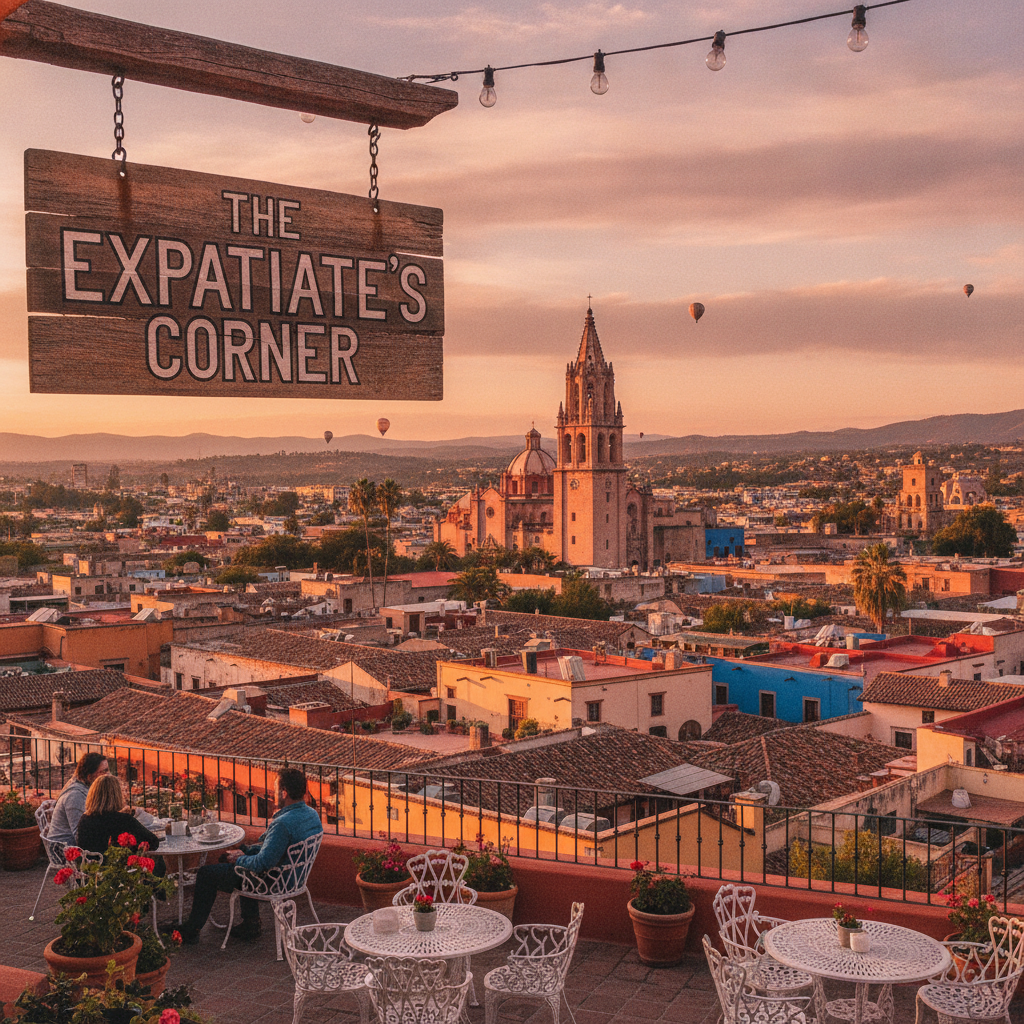
Semana Santa Processions Festivals and the Indigenous Chichimec Raids That Nearly Ended San Miguel de Allende Before It Began: History From the 1542 Founding Through the War of Independence
San Miguel de Allende was founded in 1542 by the Franciscan friar Juan de San Miguel, who established a mission settlement among the Chichimec and Otomi communities at the spring of El Chorro de San Miguel, giving the settlement both its religious patron and its practical water supply. The original settlement was nearly destroyed multiple times in the 16th century by the raids of the semi-nomadic Chichimec peoples of the Gran Chichimeca, the vast territory north of the settled agricultural Mesoamerica, who resisted Spanish colonization through a sustained guerrilla warfare that historians call the Chichimec War from 1550 to 1590, a conflict that killed more Spaniards than any other indigenous resistance in North America north of the Aztec campaigns. The settlement survived and grew as the silver mining economy of the Bajio developed, with the road between San Miguel and the silver mines of Guanajuato and Zacatecas passing through the town and generating the commerce that funded the baroque churches. The independence connection of San Miguel is encoded in its official name: Allende honors Ignacio Allende, the criollo military officer born in San Miguel in 1769 who became the military commander of the independence conspiracy, was captured after the failed insurgency, executed in Chihuahua in 1811, and whose decapitated head was displayed with those of Hidalgo, Aldama, and Jimenez on the four corners of the Alhondiga in Guanajuato for ten years. The Semana Santa celebration of San Miguel, held annually in the week before Easter, is the most elaborate religious festival of the city, featuring the passion play processions through the cobblestone historic center, the Chichimeca dance groups in elaborate feathered costumes, and the crucifixion reenactments that blend indigenous ceremonial tradition with Catholic liturgical practice.
- 1
Chichimec War and the Bajio Settlement
The Gran Chichimeca, the territory of semi-nomadic and nomadic peoples extending north of the agricultural civilizations of Mesoamerica through what is now the states of Guanajuato, Queretaro, San Luis Potosi, Zacatecas, and beyond, was the site of the most sustained and costly indigenous resistance to Spanish colonization in North America, a conflict that lasted from the discovery of the Zacatecas silver mines in 1546 through approximately 1590, when the Spanish crown shifted from military conquest to a policy of peace through purchase, offering the Chichimec peoples food, clothing, tools, and resettlement inducements to end the raiding that had disrupted the silver supply roads. The Guamar, Pame, Zacatec, and other Chichimec groups, expert in hit-and-run raids on the silver transport convoys, the missionary settlements, and the mining communities, could not be defeated by the Spanish military tactics designed for the open battles of the Aztec empire, and the Chichimec War cost the Spanish crown and colonists more casualties and more expense than the conquest of Mexico itself. San Miguel survived the Chichimec raids through the establishment of presidio military garrisons, the construction of the El Chorro spring settlement into a more defensible form, and the alliance with Otomi and Tlaxcalan auxiliary forces who had allied with the Spanish and were settled in buffer communities around the Chichimec frontier. The legacy of Chichimec culture in San Miguel is visible today in the Conchero and Chichimeca dance groups who perform in feathered regalia during Semana Santa and other religious festivals, maintaining a ceremonial tradition that blends pre-Hispanic ritual with Catholic festival.
- 2
Ignacio Allende Criollo Military Commander
Ignacio Maria de Allende y Unzaga was born in San Miguel el Grande, as the city was known before independence, on January 21, 1769, the son of a prosperous Creole merchant family whose wealth came from the agricultural and commercial economy of the Bajio rather than the silver mining economy, and who gave their son the education and social position that allowed him to receive a commission in the Spanish colonial cavalry. Allende rose to the rank of Captain in the provincial dragoons, the creole cavalry regiment whose officers were drawn from the landowning elite, and used his military connections and his dissatisfaction with the Spanish-born peninsulares who monopolized the senior colonial positions to become a central conspirator in the Queretaro independence conspiracy organized by the corregidor Miguel Dominguez and his wife Josefa Ortiz de Dominguez, the Corregidora. When the conspiracy was discovered in September 1810, Allende rode to Dolores Hidalgo to warn Hidalgo, and the two men decided to launch the uprising immediately rather than wait for the planned date, resulting in the Grito de Dolores on September 16, 1810. Allende's military assessment of the insurgency was that the undisciplined masses gathered by Hidalgo could not defeat the professional Spanish army in open battle, and his disagreements with Hidalgo's strategy culminated in Allende assuming nominal command of the insurgency in 1811. Allende was captured in the ambush at the Wells of Bajan in Coahuila in March 1811, taken to Chihuahua, executed by firing squad on June 26, 1811, and decapitated, his head displayed on the Alhondiga de Granaditas in Guanajuato until 1821.
- 3
Semana Santa and the Passion Processions
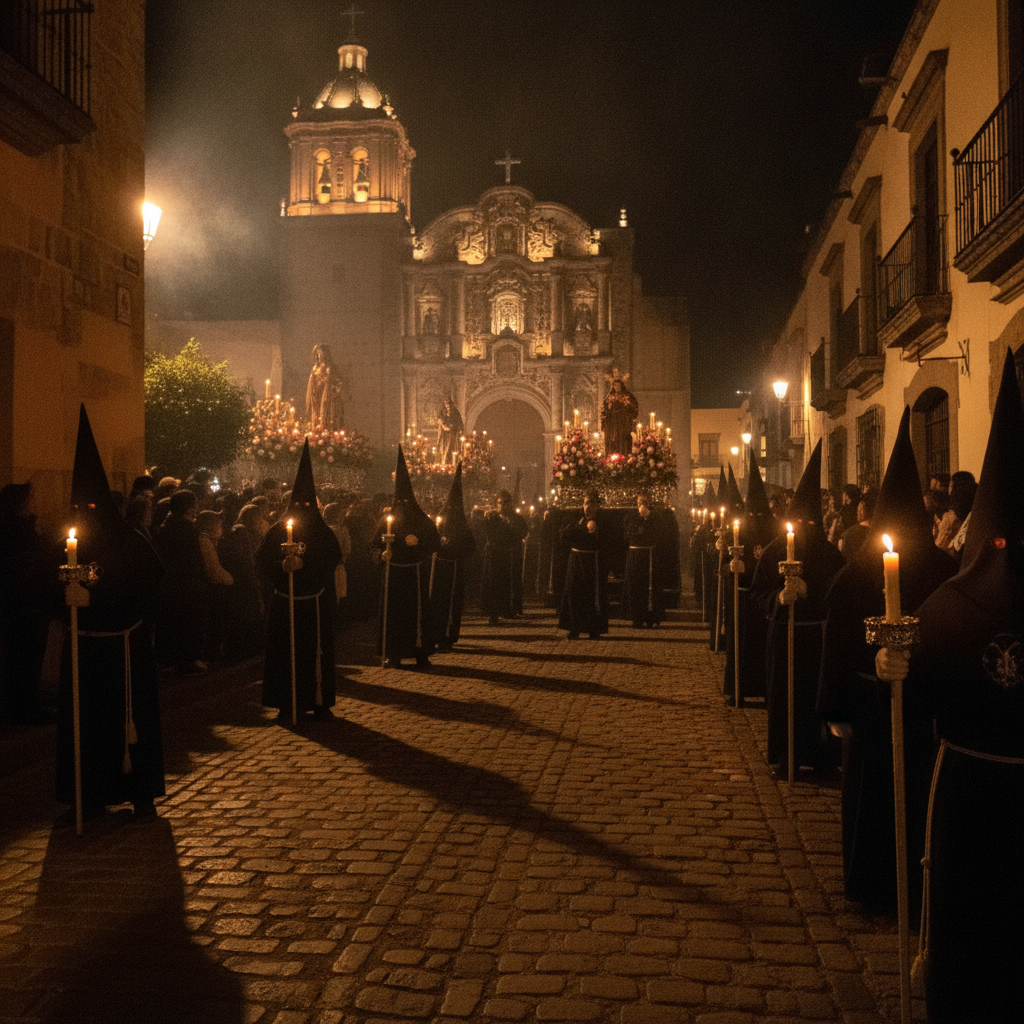
The Semana Santa celebration of San Miguel de Allende is the most internationally attended annual religious event in the city, drawing visitors from throughout Mexico and from the expatriate community in numbers that fill the hotels of the historic center for the full week before Easter and push accommodation prices to their highest point of the year. The central events of Semana Santa in San Miguel are the passion processions that move through the cobblestone streets of the historic center on Thursday and Friday nights, in which the brotherhood confraternities carry colonial and contemporary religious sculpture depicting the stations of the cross through a route lit by candles and torches, with the Parroquia and the Oratorio de San Felipe Neri as the processional anchors. The Chichimeca dance groups that perform in San Miguel during Semana Santa wear elaborate regalia of feathers, shells, and mirrors that combine pre-Hispanic ceremonial dress with Catholic sacred imagery, performing in front of the Parroquia and in the Jardin Principal in a tradition that the Conchero brotherhood maintains as both devotion and cultural preservation. The Saturday of Glory celebration in San Miguel, the night before Easter Sunday, involves the burning of effigies representing Judas in a papier-mache figure tradition that in some towns includes political satire but in San Miguel has remained a religious rather than political performance. The explosion of the Judas figure at midnight, the ringing of the Parroquia bells, and the fireworks over the Jardin constitute the climax of Semana Santa in a city that has perfected the staging of religious spectacle for the dual audience of devout Mexican participants and international cultural tourists.
- 4
Independence Route Dolores Hidalgo and Regional Context
The Mexican War of Independence route of September 1810 connects San Miguel de Allende to Dolores Hidalgo 50 kilometres to the north and to Queretaro 60 kilometres to the south in a historical triangle that is the densest concentration of independence-era heritage in Mexico outside of Mexico City. The route from Dolores Hidalgo to San Miguel, which Hidalgo's insurgent army of 50,000 to 80,000 followers traveled in September 1810, is marked by the municipal boundary monuments and the highway historical plaques that constitute the official independence tourism circuit of the Guanajuato state government. The Hidalgo insurgent army that arrived at San Miguel in September 1810 did not sack the city because Allende, a native son with family connections throughout the city, was able to prevent the mass looting that the insurgent forces committed at Celaya and then fatally at Guanajuato, where the sack of the Alhondiga alienated the moderate creole elite whose support was essential to the independence movement. The Museo Historico Casa de Allende, the house where Ignacio Allende was born on Canal street in the historic center, has been converted to the primary independence heritage museum of San Miguel, with exhibits on the colonial period, the Chichimec War, the silver economy, the independence conspiracy, and the subsequent history of the city through the Reform and Revolution periods. The annual Grito de Independencia celebration in San Miguel on September 15, when the mayor delivers the Grito from the balcony of the Presidencia Municipal on the Jardin Principal in a ceremony that mirrors the national Grito delivered by the president in Mexico City, is the patriotic counterpart to Semana Santa as the major annual event that mobilizes the full Mexican resident population of the city.
- 5
Atotonilco Sanctuary and the Spiritual Landscape
The Santuario de Jesus Nazareno de Atotonilco, 14 kilometres north of San Miguel de Allende on the road to Dolores Hidalgo, is the most significant pilgrimage sanctuary in the Bajio region and the place where Hidalgo in September 1810 took the banner of the Virgin of Guadalupe from the church wall to use as the standard of the independence insurgency, transforming the image into the symbol of Mexican independence that it has remained. The sanctuary was built between 1740 and 1776 by the priest Luis Felipe Neri de Alfaro, who wanted to create a center for spiritual retreat and popular missions in the Bajio, and who decorated the church interior over 30 years with a complete program of frescoes, paintings, sculptures, and inscriptions covering every surface of the nave, cupolas, and six side chapels in a folk Baroque manner that UNESCO recognized as part of its 2008 World Heritage designation alongside San Miguel's historic center. The interior of Atotonilco is called the Sistine Chapel of Mexico for the density of its painted decoration, but the comparison undersells the idiosyncratic popular quality of the paintings, which were executed by the priest Alfaro himself and by local artists in a vernacular style that has more energy than academic precision and whose theological program of meditation on the passion of Christ and the mercy of God is expressed with a directness that the formally trained painters of the capital did not achieve. The pilgrimages to Atotonilco from San Miguel and surrounding communities, conducted on foot along the road that Hidalgo traveled in 1810, bring thousands of pilgrims annually to the sanctuary on the feast of Jesus of Nazareth and during Semana Santa, when the image of the Christ is carried in procession.
- 6
San Miguel Independence Heritage and the Reform Period
The Reform period of Mexican history from 1855 to 1861, during which the liberal government of Benito Juarez enacted the Reform Laws separating church and state, confiscating church property, and establishing civil marriage and cemeteries, had a significant impact on San Miguel de Allende as a deeply Catholic colonial city whose institutional architecture was built by and for the church. The confiscation of church property under the Ley Lerdo of 1856 transferred the extensive land and building holdings of the Franciscan, Dominican, and Augustinian convents in San Miguel to private ownership, a process that began the conversion of religious buildings to secular use that has continued to the present day with the boutique hotel conversions of the 20th century. The Reform War of 1858 to 1861, the civil war between the conservative church-backed government and the liberal constitution-backing government, affected the Bajio as a contested zone between the conservative strongholds of Queretaro and the liberal heartland further south, with San Miguel changing hands several times without the destruction that befell cities more central to the military campaigns. The French Intervention of 1862 to 1867 and the empire of Maximilian of Habsburg had limited direct impact on San Miguel but placed the city within the broader political trauma of the period, while the Restored Republic of Juarez and the subsequent Porfiriato of Diaz from 1876 to 1910 brought the railroad to the Bajio region and the economic modernization that built the late 19th-century buildings visible on the streets adjacent to the colonial core.
Walk this route with audio
Stories play automatically as you reach each stop — no tapping needed.
More in San Miguel de Allende
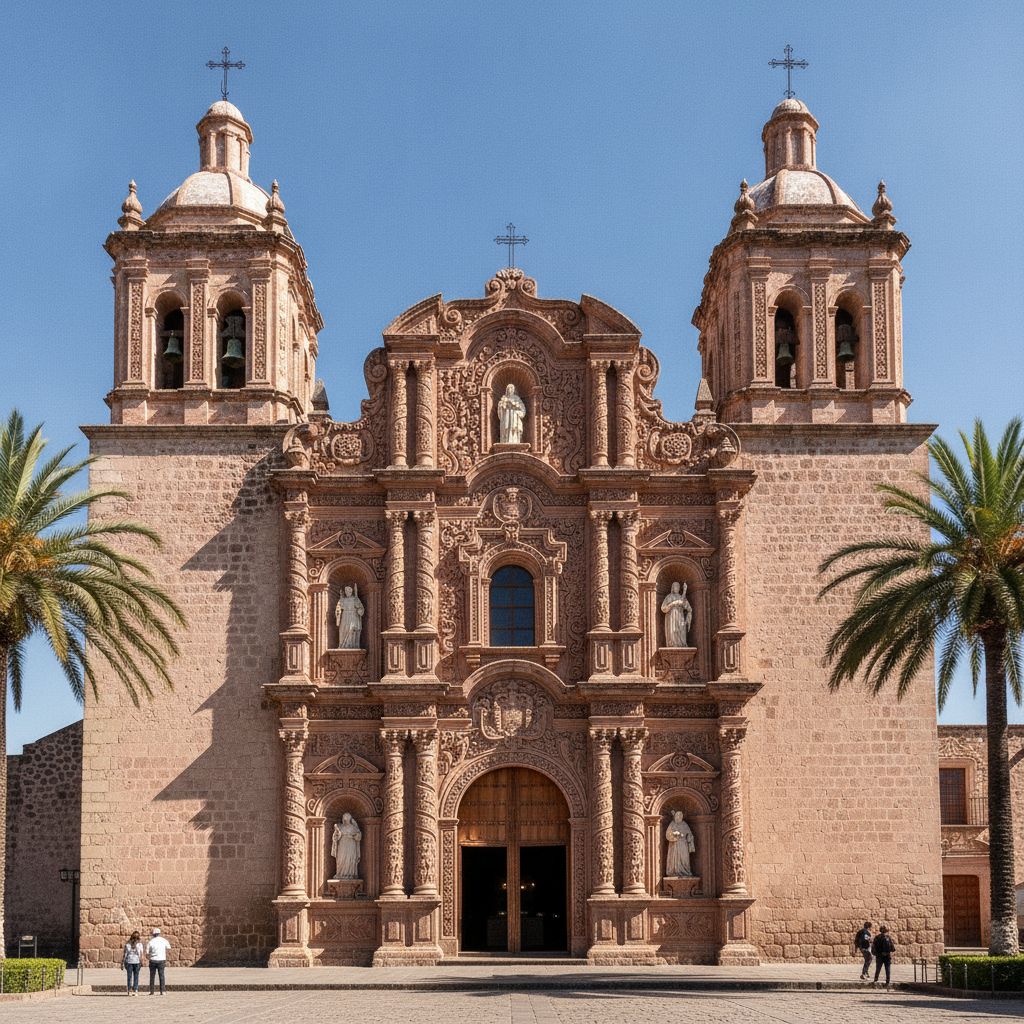
San Miguel de Allende Colonial Architecture Baroque Churches and the Oratorio de San Felipe Neri: Walking the Streets of a UNESCO World Heritage Site Whose Every Cobblestone Was Laid by Otomi and Chichimec Labor
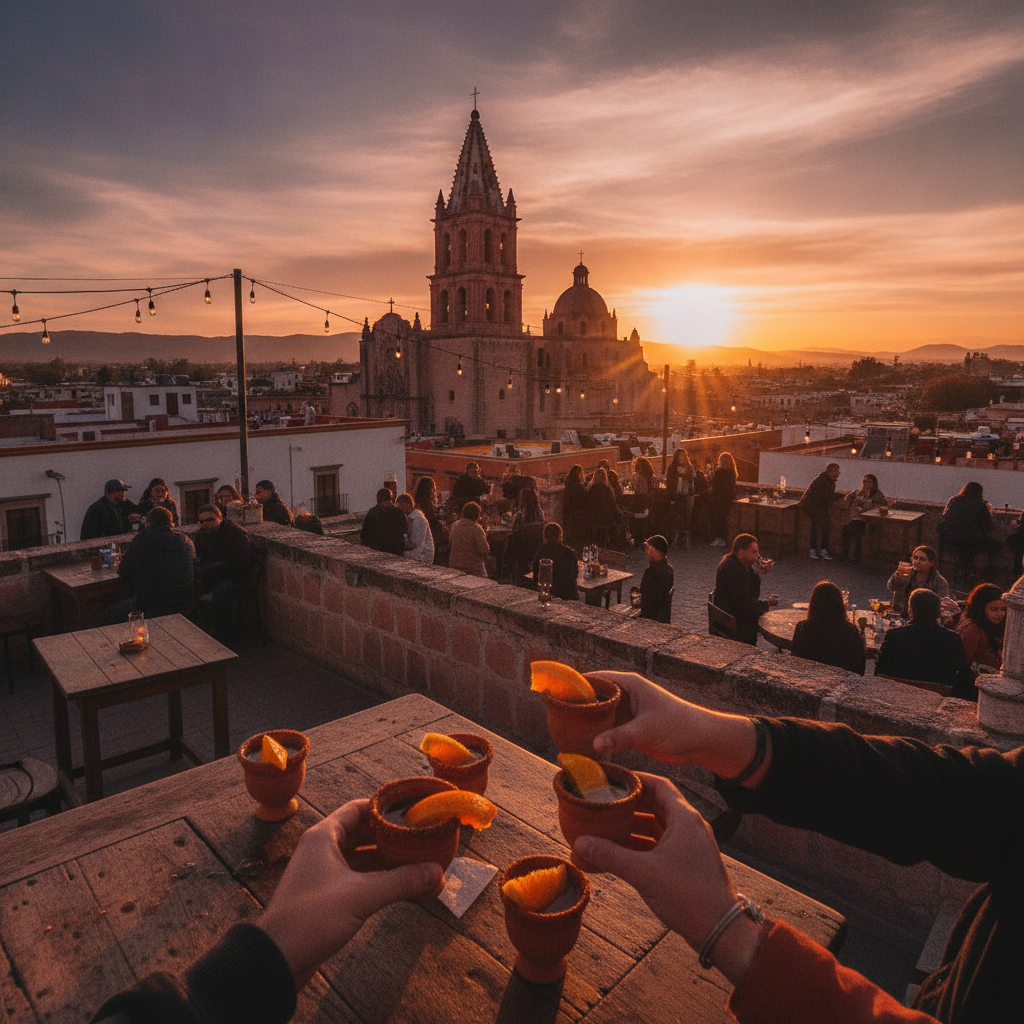
San Miguel de Allende Food Scene and Mezcal Bars: How a City of 170,000 Has More World-Class Restaurants Per Capita Than Any City in Mexico and Why the Vendors in the Tuesday Market Are the Better Story
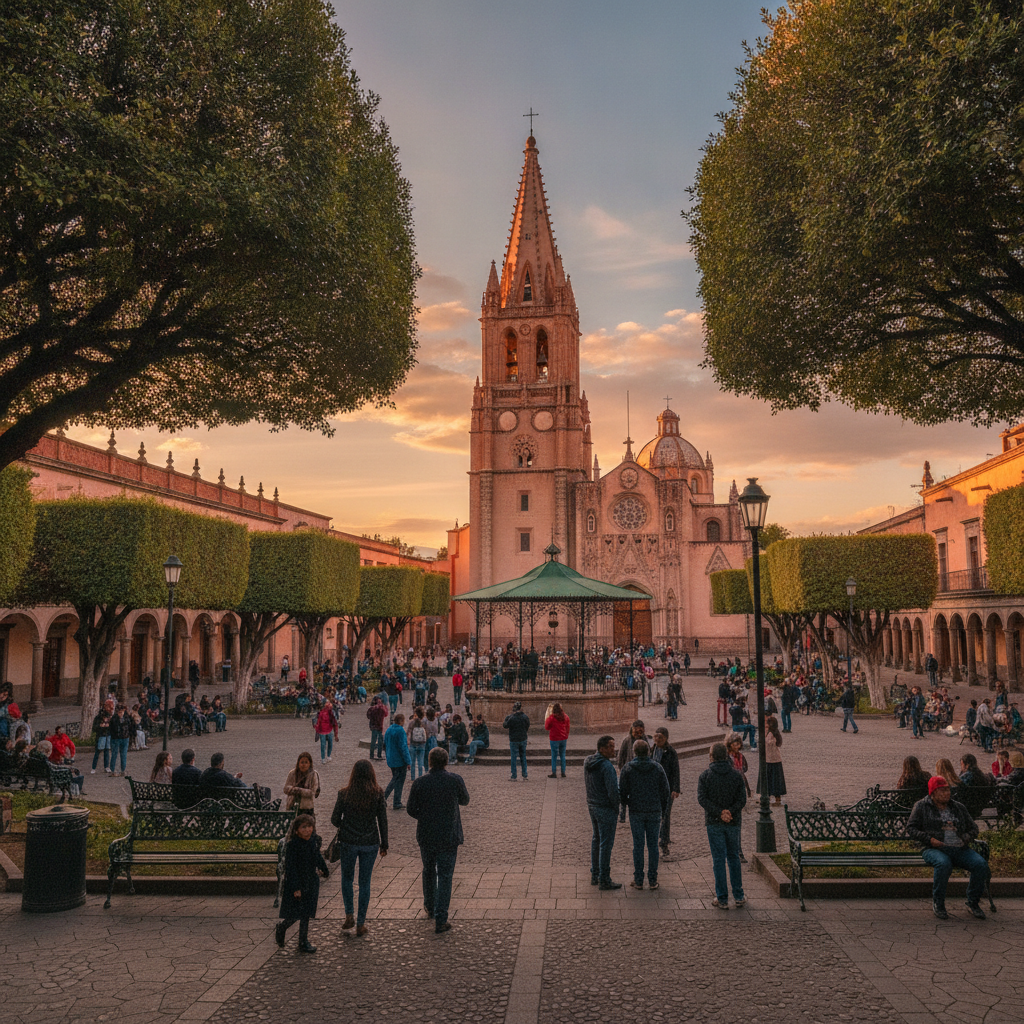
San Miguel de Allende: The Colonial City That Was Named Best City in the World Seven Times, That Saved Itself from Demolition by Attracting American Art Students in 1938, and Whose Pink Gothic Church Was Designed by an Indigenous Mason Who Had Never Been to Europe
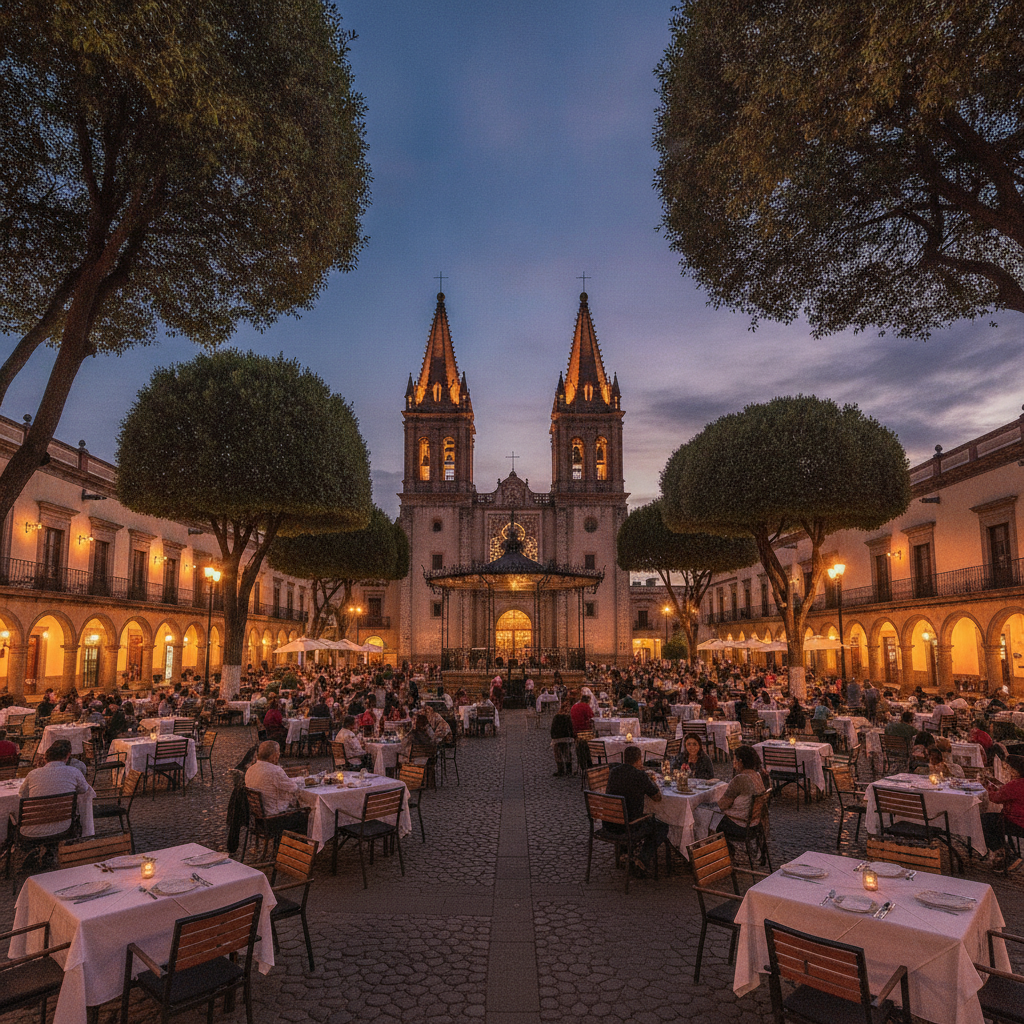
San Miguel de Allende Practical Guide: Getting There Climate When to Visit Neighborhoods Safety Healthcare Language and Living with the Dual Economy of the Most Expensive Colonial City in Mexico
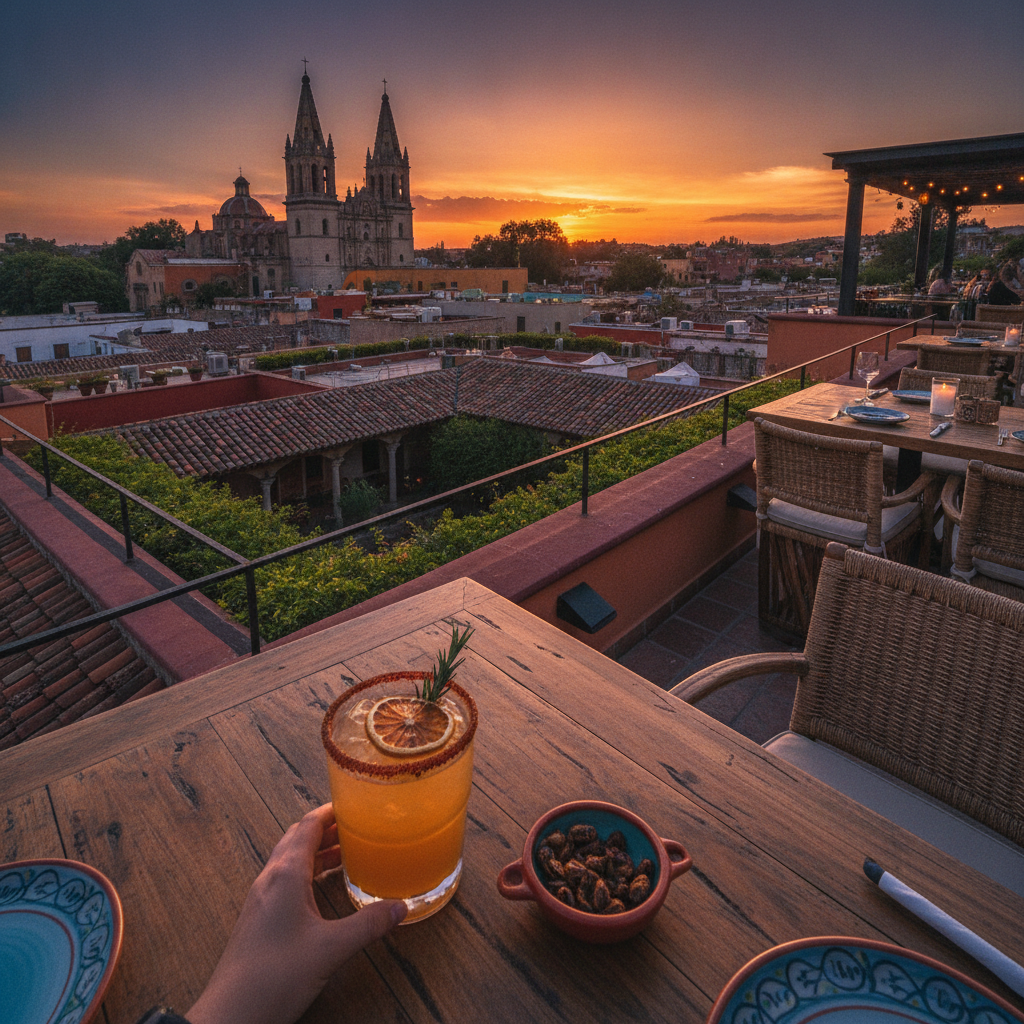
San Miguel de Allende Cuisine Bajio Flavors Enchiladas Mineras Carnitas Markets and the Farm to Table Revolution in a Colonial Kitchen Where Three Centuries of Tradition Meet Contemporary Mexican Gastronomy