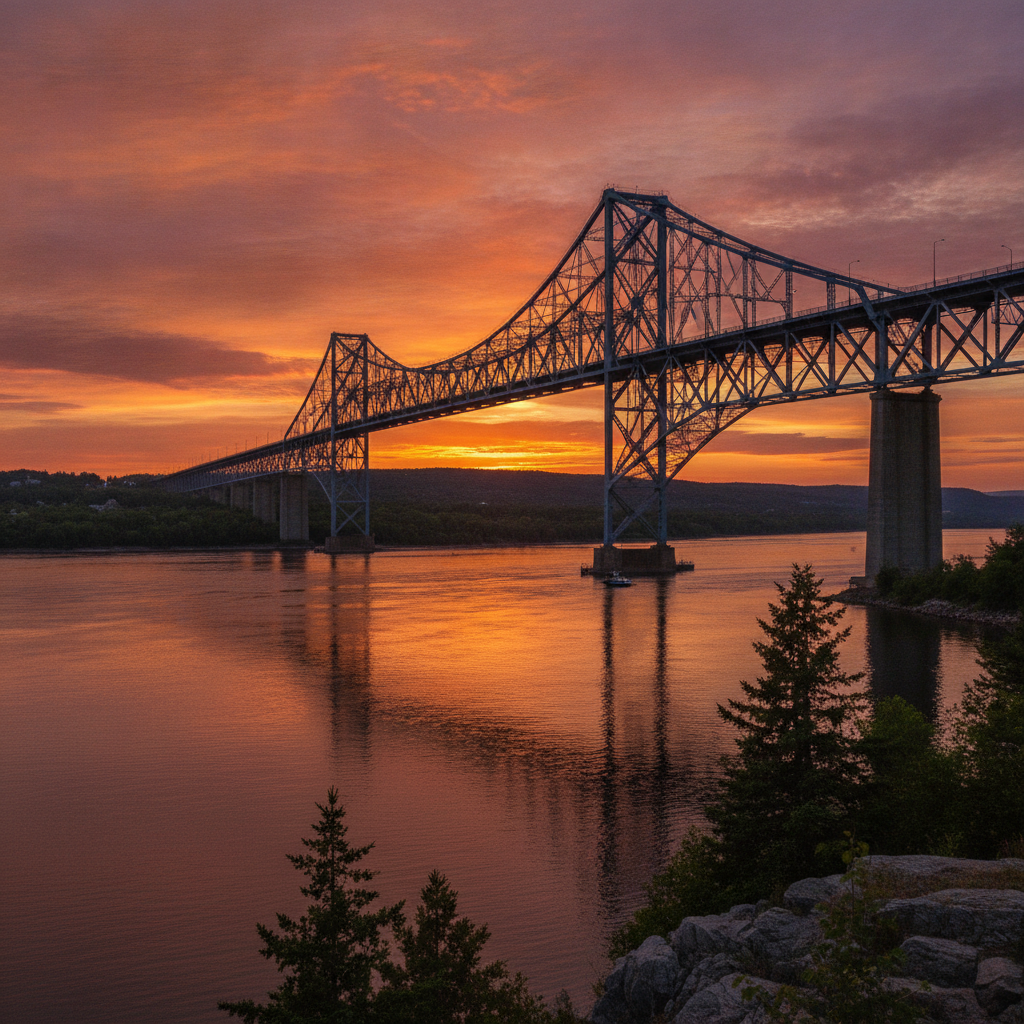

Quebec City: The Bridge That Collapsed Twice and Invented Professional Engineering Ethics, the Navy Battle That Really Ended New France and Beaver Hats That Built a City
Understand that Quebec City was built entirely on European demand for beaver felt top hats and the First Nations knowledge networks that could actually supply them, find building-scale murals in a working-class quarter transformed by an art festival that started here before going to Montreal, learn that New France was not saved at Quebec in 1759 because France was more interested in its Caribbean sugar islands, stand on the Quebec Bridge that collapsed twice and killed 88 workers and directly created the Iron Ring worn by every engineering graduate in Canada as a permanent reminder of professional responsibility, ski at night on a mountain that hosted World Cup races 40 kilometres from a UNESCO World Heritage city, and see 40,000 works of Quebec art in a museum whose prison wing shows contemporary art in former cell blocks.
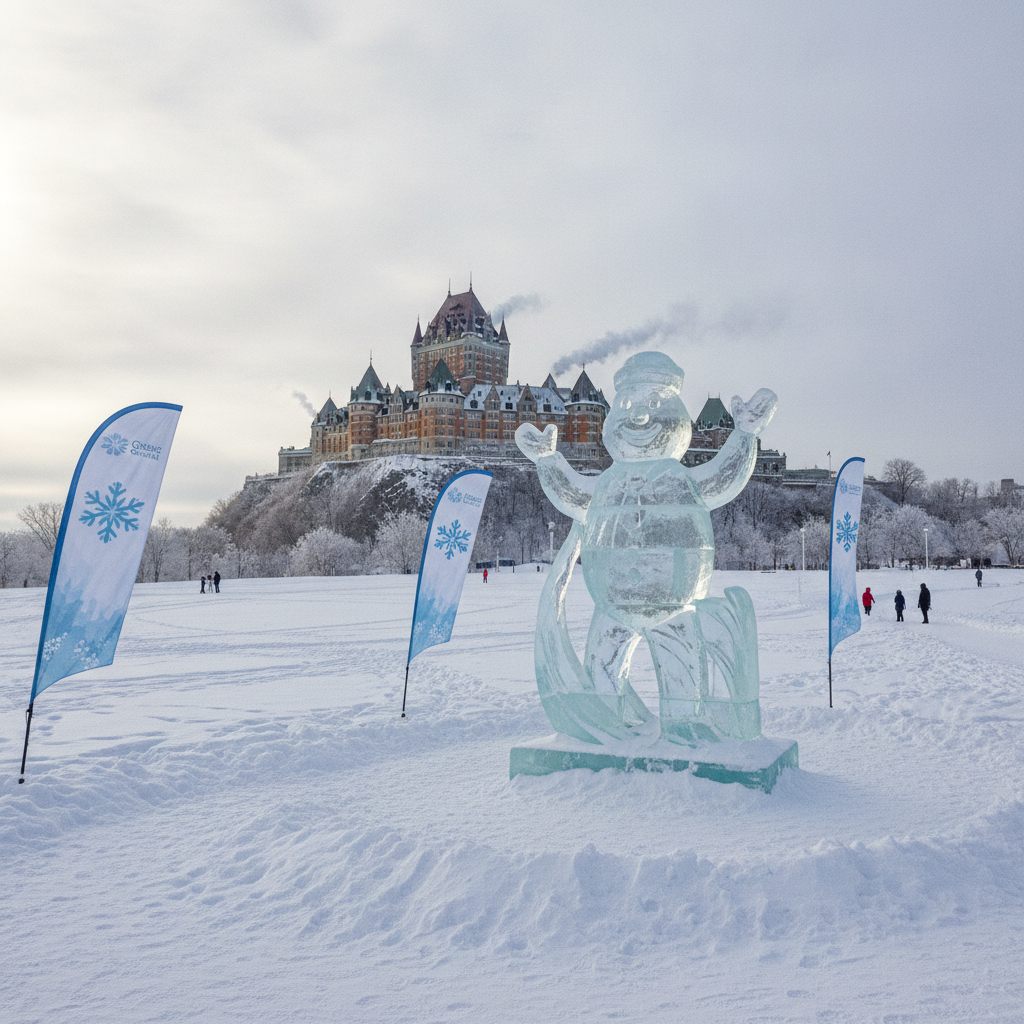
Quebec City: The Battle That Lasted 15 Minutes But Changed a Continent, the World Largest Winter Carnival and the Tech Quarter Built Under a Chateau
Walk the plateau where a 15-minute battle in 1759 killed both commanders and transferred New France to Britain, then come back in February when 100,000 people a day fill the same ground for the worlds largest winter carnival with ice canoe races across floes in a tidal river, eat tourtiere and pull maple taffy off snow in March at a sugar shack on an island where the same families have farmed for four centuries, cross the ferry whose water level view of the chateau is better than any vantage on land, visit the 1813 jail turned English-language library archive serving a 2-percent English minority community that has maintained its institutions for 260 years, then walk fifteen minutes to Saint-Roch where Ubisoft built Assassins Creed Odyssey and a parking garage roof became the neighborhood park.
Quebec City: A Bateau Pulled from Under a Building, the Narrowest Sovereignty Referendum in Democratic History and a Language Law That Changed a City
See the 18th-century river boat pulled from beneath a plaza during excavations at the museum whose Moshe Safdie building incorporated an 1800s warehouse into its facade, cycle 400 kilometres of urban trail network or drive 40 minutes to a Canadian Shield wilderness park that most major cities could not dream of, sleep in a longhouse-style hotel on a First Nations reserve where the Wendat language spoken before French arrived is being rebuilt word by word, read the rooflines on Norman and Breton stone buildings to find which region of France each settler came from, understand the 1995 referendum that failed by 49,000 votes and still frames every conversation about what Quebec is, then count the convents and monasteries now converted to hotels as evidence of a secularization so fast the buildings ran out of purposes.
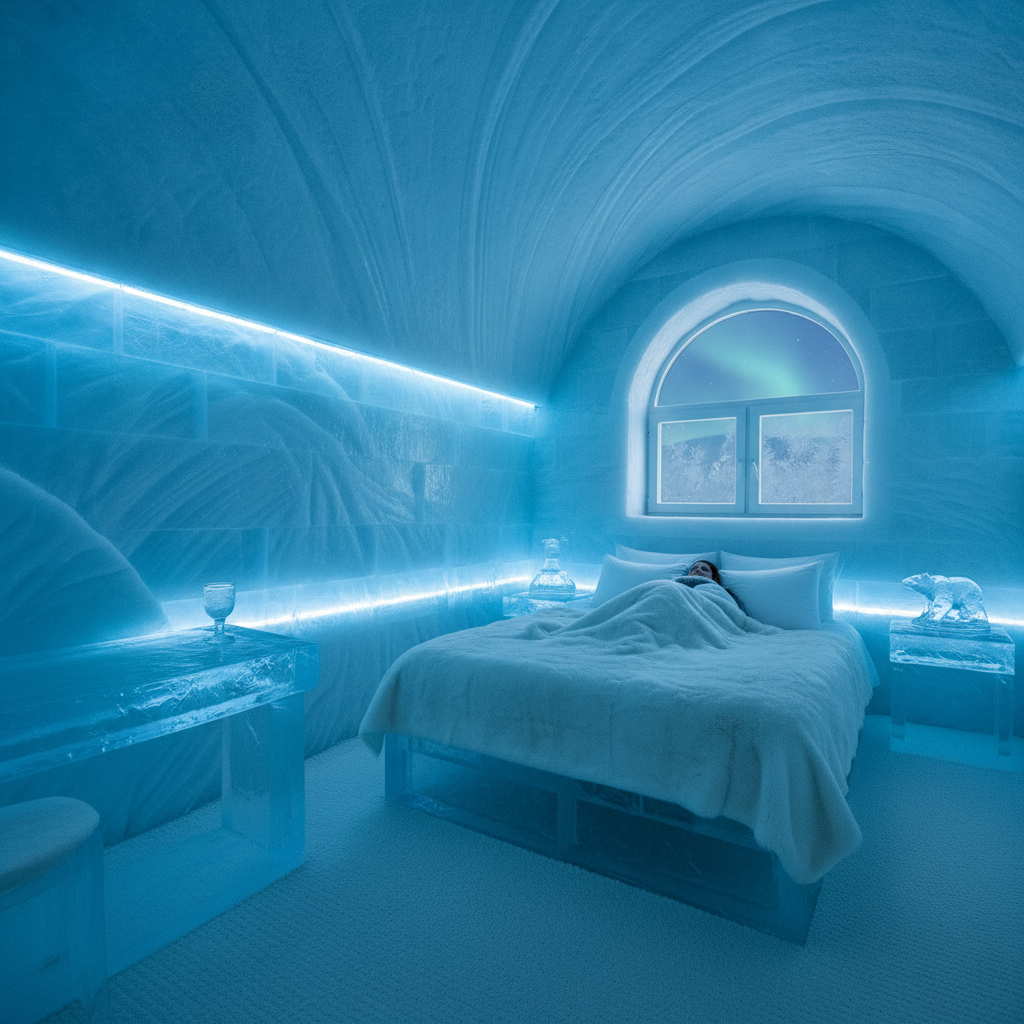
Quebec City: A Meteorite Crater That Made a Wine Region, the Ice Hotel That Melted Every Spring and the Scurvy Cure That Europe Forgot for 200 Years
Drive into Charlevoix along the St. Lawrence to a painting colony inside a 342-million-year-old meteorite crater whose bowl microclimate allows vineyards at latitudes that should be too cold, attend one of four Opera Quebec productions at the brutalist concrete concert hall or catch 100,000 people on the Plains of Abraham main stage in July, learn that the Ice Hotel used 15,000 tons of snow per season and melted into nothing each April, eat ice cider and foie gras and wild fiddleheads at a restaurant using only ingredients found inside Quebec province, stand at the site where Cartier wintered in 1535 and his crew learned a scurvy cure from the Iroquoians that European medicine then forgot for 200 years, and rent cross-country skis within sight of the Chateau Frontenac because in Quebec City winter is the feature not the problem.
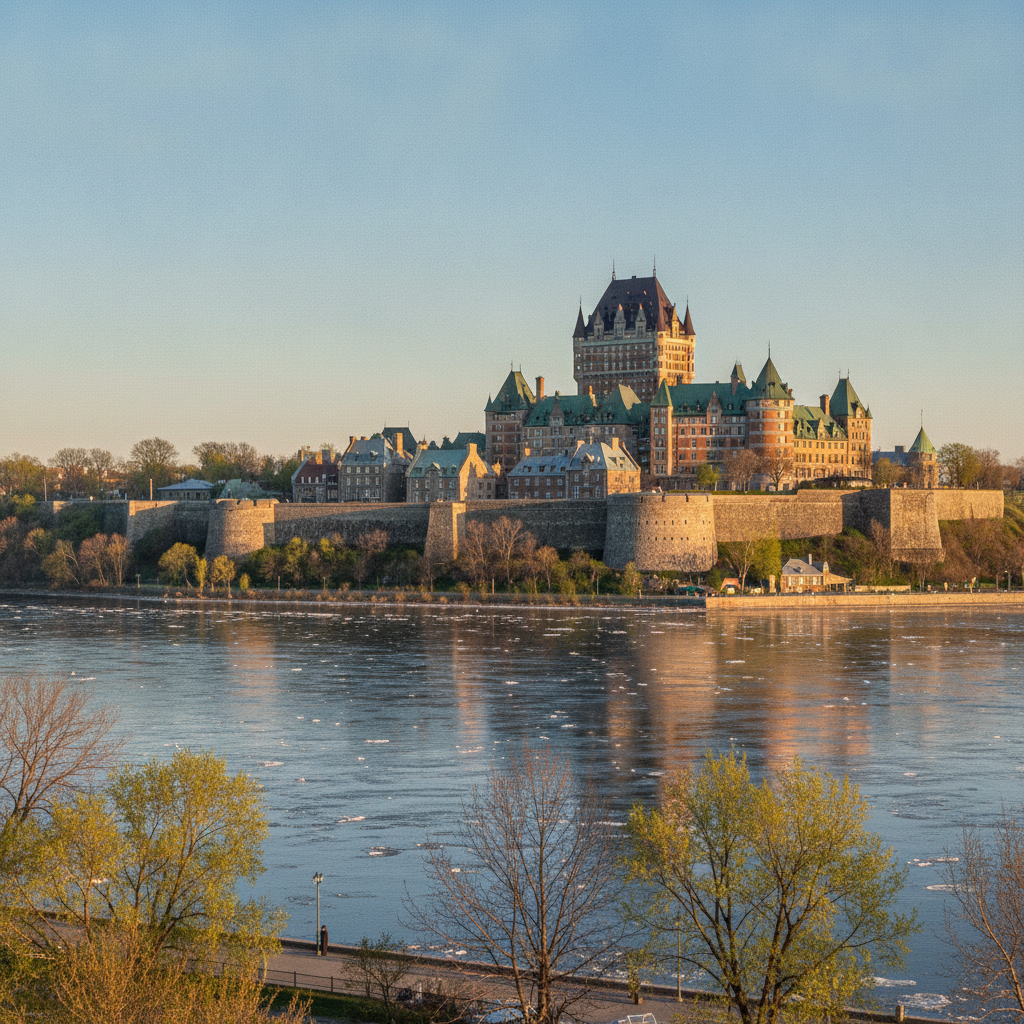
Quebec City: The First University in Canada Founded 1663, Why the Ice Canoe Race Depends on a Freezing River That Freezes Less Every Decade and What 4.5 Million Tourists Do to a City of 800000
Walk beyond Old Quebec to find the city that 4.5 million tourists a year mostly miss while experiencing the curated walled version whose permanent resident population fell from thousands to under 1000 as apartments became hotels, learn that the first university in Canada was founded in 1663 by a bishop whose tomb is an empty sarcophagus because his remains were scattered by the 1759 bombardment and who was only canonized in 2014, note that the January temperature record going back 250 years shows 2.5 degrees of warming that is already shortening the snow season the entire Winter Carnival and ice canoe race depends on, argue with European visitors whether the most European city in North America is actually European at all or whether it is specifically and distinctly a North American product, and understand that the language law protecting French on every shop sign in this city is considered simultaneously a proud cultural achievement and an internationally controversial act of linguistic enforcement.
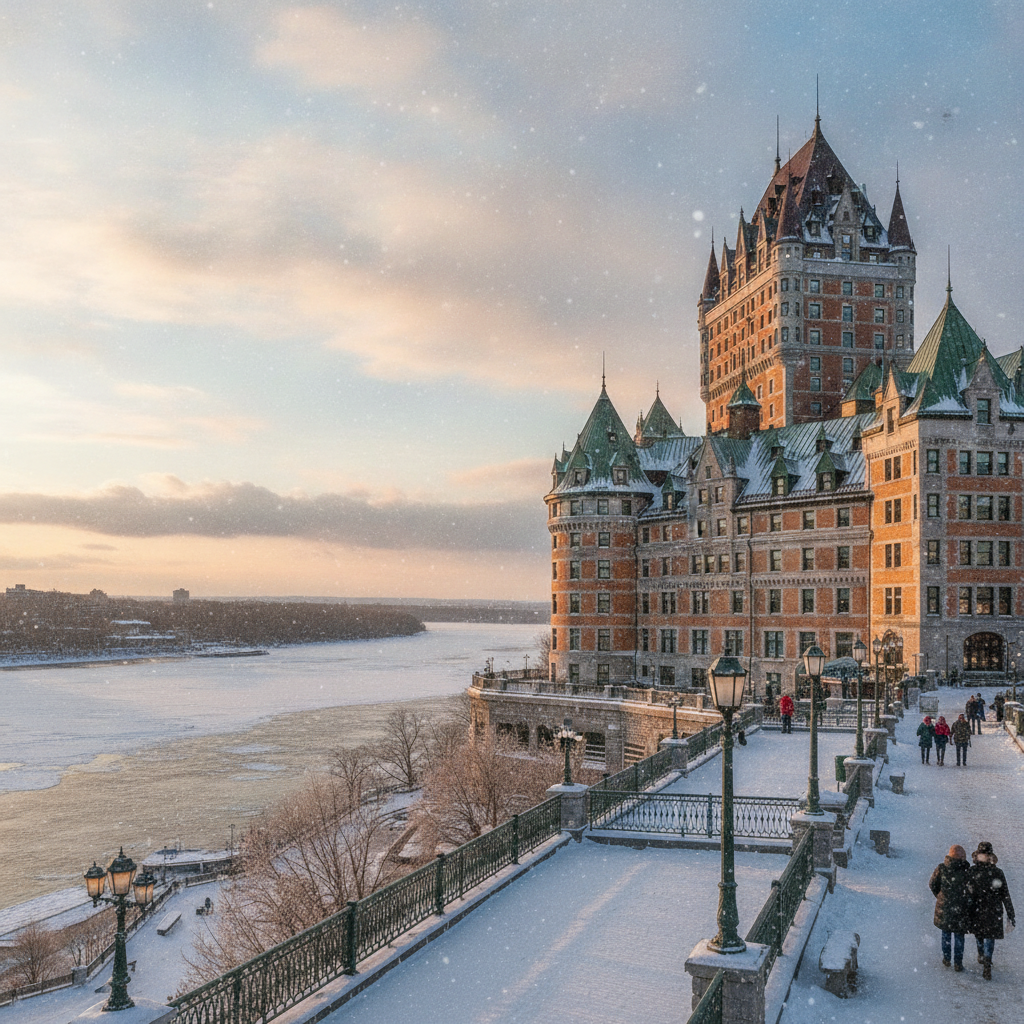
Quebec City: The Most Photographed Hotel on Earth, Only Walled City in North America and Stairs Climbed by Pilgrims for 350 Years
Stand on the Dufferin Terrace before the Guinness-certified most photographed hotel on earth whose CPR owners built it specifically to fill transcontinental train seats, walk the only intact city walls in North America north of Mexico where a 15-minute battle in 1759 ended French rule of a continent, see Montmorency Falls that Samuel de Champlain noted in 1608 and that are 30 metres taller than Niagara, find the oldest stone church in North America still holding Mass at Place Royale where Champlain landed, cross the bridge to an island where the same surnames have farmed since 1650, and climb on your knees the stairs where 1.5 million pilgrims arrive each year at North America oldest pilgrimage destination.
Quebec City: Where Churchill and Roosevelt Planned D-Day, Why the City Has 60000 People and the Entire British Colonies Had 1.5 Million and What Kebec Actually Means
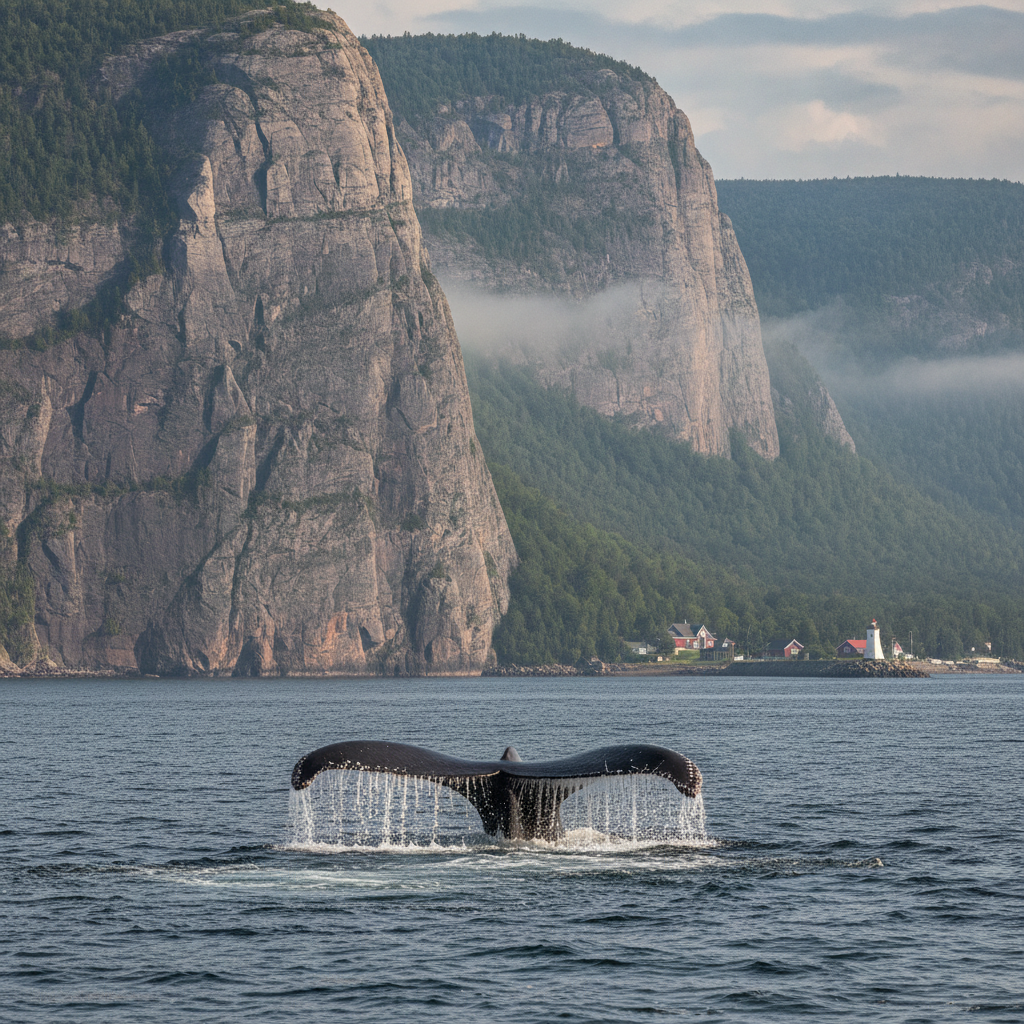
Book the shoulder season in May or September to get 40 percent lower hotel rates while the Old Quebec walls look the same as peak summer, sleep in the convent where Augustinian nuns treated wounded soldiers from the 1759 battle the night after it ended, navigate the most francophone major city in North America where your French pronunciation will be corrected gently and your attempt will be rewarded immediately, drive 200 kilometres to watch 900 resident belugas feed where the cold Saguenay fjord meets the St. Lawrence at the site of the first Canadian trading post built in 1600, understand that Quebec itself is an Algonquin word meaning where the river narrows and that Cartier arrived to a village called Stadacona in 1535, and grasp why New France fell by noting that 60,000 French colonists were defending a continent against 1.5 million British colonists and France sent soldiers instead of settlers.
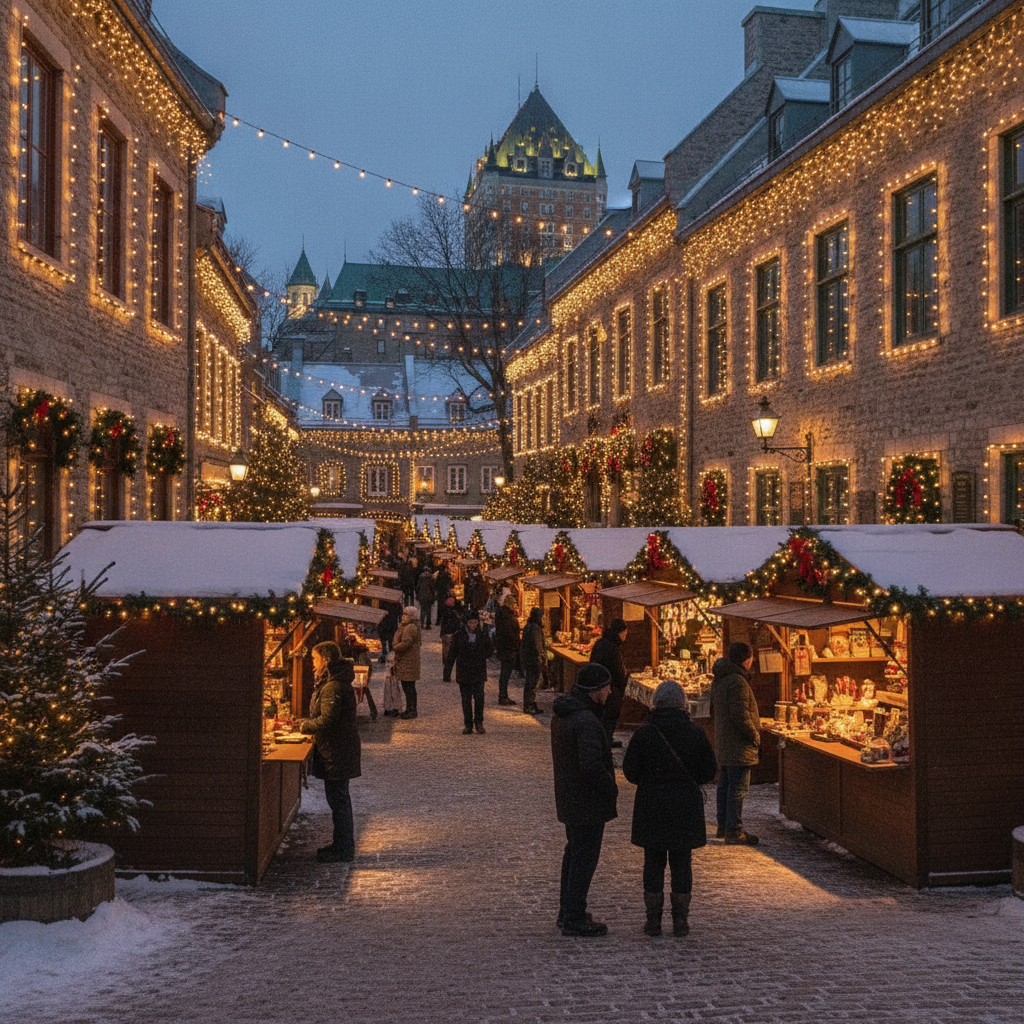
Quebec City: The Song Used Instead of Happy Birthday at Every Party, the Pedestrian Street Saved by Artists in 1970 and the Underwater Boat Found Under a Plaza
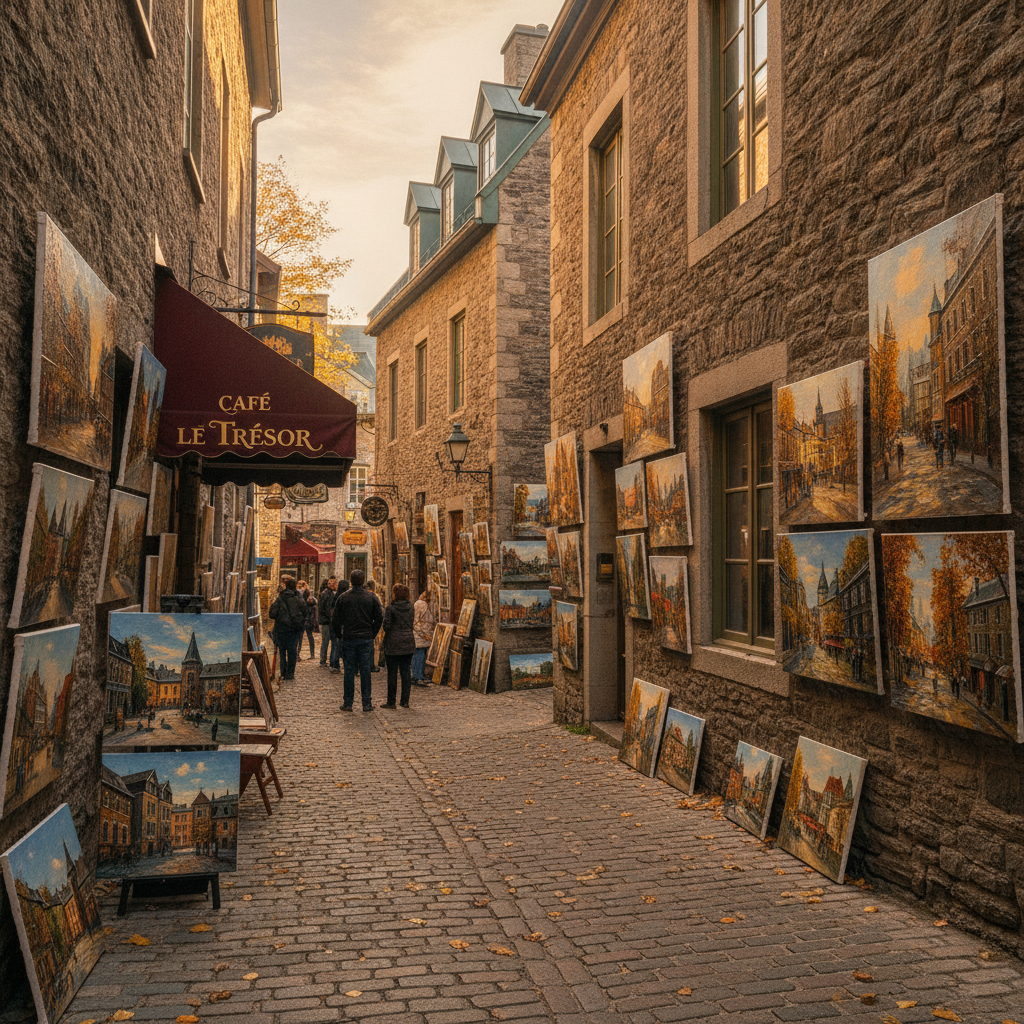
Watch the provincial government run a province of 8.5 million from a Second Empire building where bar terraces line the opposite sidewalk and the lieutenant governor lives in a cliff-top Victorian house now open as a public park, understand that Bonhomme Carnavals sash is the same type of belt the voyageurs used to support their backs during thousand-kilometre winter paddling journeys, walk the narrowest commercial street in North America saved from abandonment by artists renting derelict 17th-century stone buildings in 1970, hear Gilles Vigneaults Gens du pays sung at birthdays the way everyone else sings Happy Birthday and understand what that means about Quebec identity, cycle the rehabilitated Saint Charles River park that replaced an industrial waterway in a neighborhood still recovering from 30 years of lead contamination, and see the 18th-century wooden boat pulled from under a plaza that proved everything built in Old Quebec since 1608 is sitting on top of something older.