Quebec City: The First University in Canada Founded 1663, Why the Ice Canoe Race Depends on a Freezing River That Freezes Less Every Decade and What 4.5 Million Tourists Do to a City of 800000
Walk beyond Old Quebec to find the city that 4.5 million tourists a year mostly miss while experiencing the curated walled version whose permanent resident population fell from thousands to under 1000 as apartments became hotels, learn that the first university in Canada was founded in 1663 by a bishop whose tomb is an empty sarcophagus because his remains were scattered by the 1759 bombardment and who was only canonized in 2014, note that the January temperature record going back 250 years shows 2.5 degrees of warming that is already shortening the snow season the entire Winter Carnival and ice canoe race depends on, argue with European visitors whether the most European city in North America is actually European at all or whether it is specifically and distinctly a North American product, and understand that the language law protecting French on every shop sign in this city is considered simultaneously a proud cultural achievement and an internationally controversial act of linguistic enforcement.
- 1
Quebec City Tourism Overtourism and Authenticity
Quebec City receives approximately 4.5 million tourists annually in a metropolitan area of 800,000, a tourist-to-resident ratio that creates significant pressure on Old Quebec, where the permanent residential population of the walled city has declined from several thousand in the 1970s to fewer than 1,000 today as residential buildings have converted to tourist accommodation and commercial use. The phenomenon of a heritage district hollowed of residents and filled with tourists and tourist-facing businesses is called touristification, and Old Quebec is considered one of the more advanced North American examples of the process. The upper Rue Saint-Louis, the primary tourist hotel street, is largely devoid of the daily life activities of a functioning neighborhood. The Lower Town Petit-Champlain quarter has maintained more authentic commercial activity partly because it serves residents of surrounding areas as well as tourists. The Saint-Roch and Limoilou quarters, outside the tourist circuit, represent the functioning contemporary city where residents shop, eat, and socialize. Visitors who confine themselves to Old Quebec miss the majority of the real Quebec City while experiencing a highly managed and curated version of its historical self.
- 2
Quebec City University and Student Life
Universite Laval, founded in 1663 as the Seminary of Quebec and incorporated as a university in 1852, was the first university established in Canada and is one of the oldest in North America, with a main campus in the Sainte-Foy suburb southwest of Old Quebec covering 1.7 square kilometres. The university has approximately 45,000 students and is the largest French-language institution outside France and Belgium. The Laval campus in Saint-Roch, a satellite campus established in the 1990s as part of the quarter revitalization, contributes significantly to the creative economy of that neighborhood. The CEGEP system, the Quebec college network that sits between secondary school and university in the distinctive Quebec educational structure, has two CEGEP institutions in Quebec City: Champlain Regional College for anglophone students and CEGEP de Sainte-Foy. Student life in Quebec City is concentrated in the Grand Allee area and the bars of Rue Saint-Jean. The Nuits Blanches, all-night cultural events held periodically in Quebec City and other Quebec cities on the model of the Paris Nuit Blanche, draw student and young adult participation to public spaces throughout the night.
- 3
Bishop Laval and the Catholic Church in New France
Bishop Francois de Laval, the first Bishop of Quebec consecrated in 1674 and now canonized as Saint Francois de Laval, was the most powerful figure in New France for most of the second half of the 17th century, wielding authority over religious, educational, and moral life that sometimes exceeded that of the civil governor. Laval founded the Seminary of Quebec in 1663 to train local priests, establishing the first institution of higher education in Canada and the ancestor of Universite Laval. Laval fought consistently against the governors practice of trading brandy with Indigenous peoples for furs, arguing correctly that the brandy trade was destructive to Indigenous communities and to the moral order of New France, but lost the argument to commercial interests who could not afford to lose the competitive advantage brandy provided over British traders offering rum. Laval was canonized by Pope Francis in 2014, making him one of the most recently canonized figures in Canadian Catholic history. The Laval University chapel, accessible in the Old Quebec seminary complex, contains his tomb, which was never found and is marked by an empty symbolic sarcophagus because his remains were scattered during the bombardment of Quebec in 1759.
- 4
Quebec City Climate Change and Winter Identity
Quebec City winters have measurably changed over the 250-year period of meteorological record-keeping, with average January temperatures rising approximately 2.5 degrees Celsius since the late 18th century, a change that has shortened the reliable snow season, reduced ice cover on the St. Lawrence, and raised questions about the long-term viability of winter tourism infrastructure including the Ice Hotel and the Winter Carnival snow-based events. The ice canoe race that is the centerpiece of Carnival depends on the presence of ice floes on the St. Lawrence, which are increasingly unpredictable in timing and extent as the river freeze becomes less consistent. The sugar shack season on Ile d Orleans, traditionally running from mid-March through April, has been starting earlier in recent decades as rising temperatures cause maple sap to flow earlier. The Quebec government has invested in adaptation planning for the winter tourism sector, recognizing that winter identity is simultaneously a genuine cultural value and an economic asset at risk from climate warming. The Nordicity project in Charlevoix promotes winter tourism precisely because the region wants to document and celebrate winter culture before its specific character changes further.
- 5
Quebec City European Comparisons and UNESCO Status
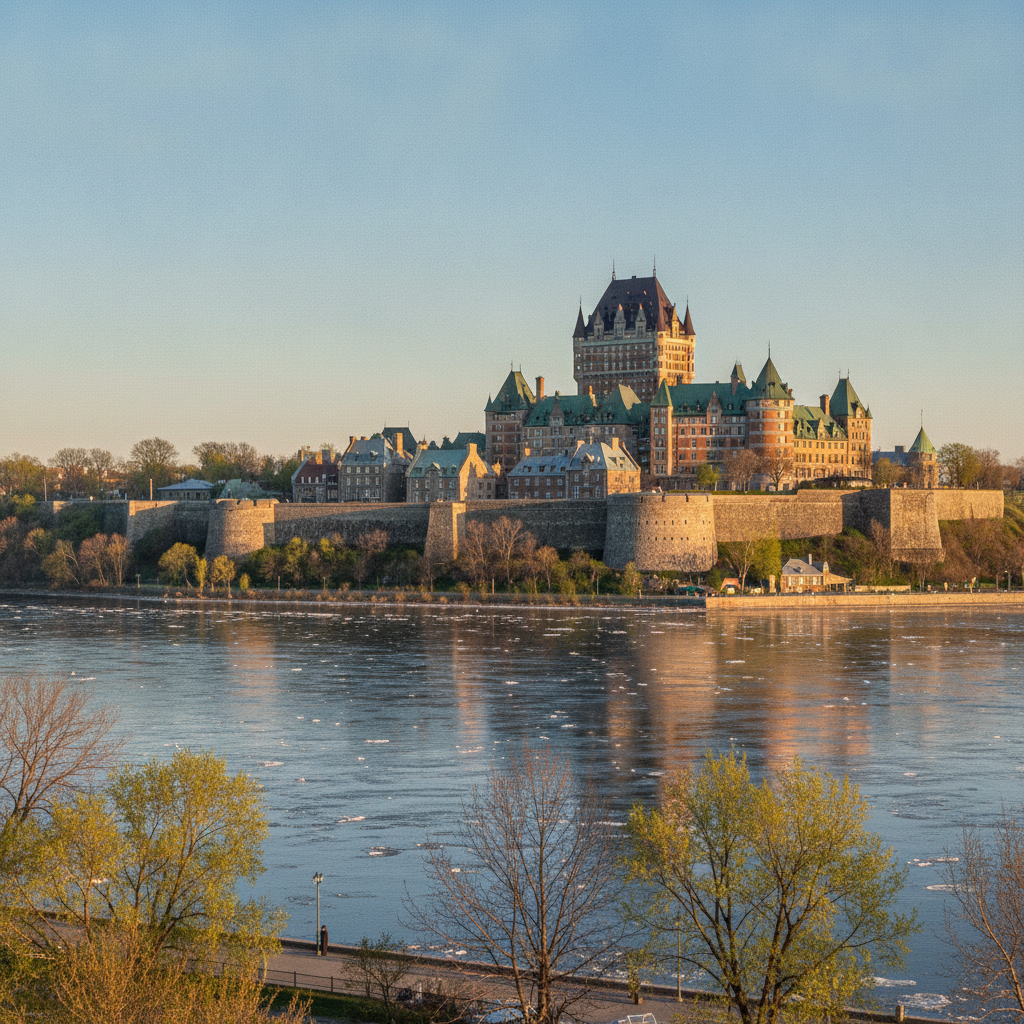
Quebec City is regularly described by European visitors as more European than any other North American city, a comparison based on the density of stone architecture, the pedestrian streetscape, the cafe culture of outdoor terraces on the Rue Saint-Jean, and the linguistic environment of spoken French, which is the only language in use on most streets of Upper Town. The comparison is also regularly contested by Quebec City residents who argue that the city is specifically and distinctly North American in its spatial scale, automotive dependence outside Old Quebec, and cultural mixing. The UNESCO World Heritage designation of 1985, covering the historic district of Old Quebec including the fortifications, Upper Town, and Lower Town, was the first and for many years the only such designation of a North American urban area, reflecting the exceptional preservation of colonial French urban fabric in a functioning living city. The Parks Canada National Historic Sites system manages the Citadel, Battlefields Park, Cartier-Brebeuf, and the fortifications within the UNESCO zone. The management tension between preservation and tourism development within the UNESCO zone is a continuous negotiation between the city, province, and federal government.
- 6
Quebec City New France Literature and Writers
The literary culture of Quebec City has produced some of the most significant works in French-Canadian literature, including the novels of Roger Lemelin set in Lower Town Quebec City that depicted the lives of working-class Catholic families in the mid-20th century, and the plays and poetry of Fernand Dumont, a sociologist-poet who articulated the Quiet Revolution transformation of Quebec identity. Anne Hebert, born in Sainte-Catherine-de-Fossambault near Quebec City and considered one of the most important French-language novelists of the 20th century, set her novel Kamouraska in the Quebec City region. The Office quebecois de la langue francaise, the government agency enforcing Law 101 and the French-language rules that govern signage, business names, and workplace communication throughout Quebec, is headquartered in Quebec City. The language law and its enforcement are a source of both pride and controversy within Quebec: pride because it has maintained French as the functional language of commerce and public life in the province, controversy because enforcement actions against businesses using English signage or workplace English are perceived internationally as aggressive. The vitality of French-language publishing, theater, and music production in Quebec City is sustained by provincial cultural funding that treats French cultural production as a strategic priority.
Walk this route with audio
Stories play automatically as you reach each stop — no tapping needed.
More in Quebec City
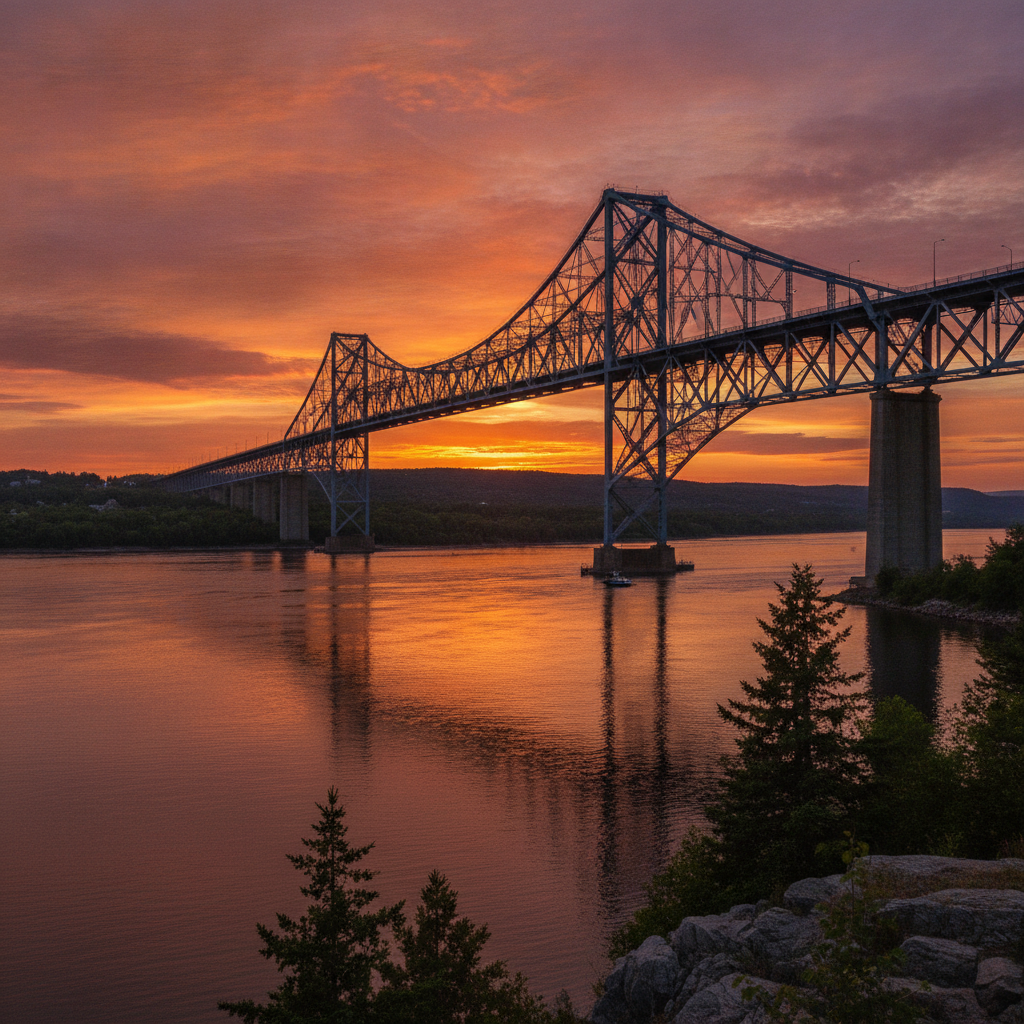
Quebec City: The Bridge That Collapsed Twice and Invented Professional Engineering Ethics, the Navy Battle That Really Ended New France and Beaver Hats That Built a City

Quebec City: The Battle That Lasted 15 Minutes But Changed a Continent, the World Largest Winter Carnival and the Tech Quarter Built Under a Chateau
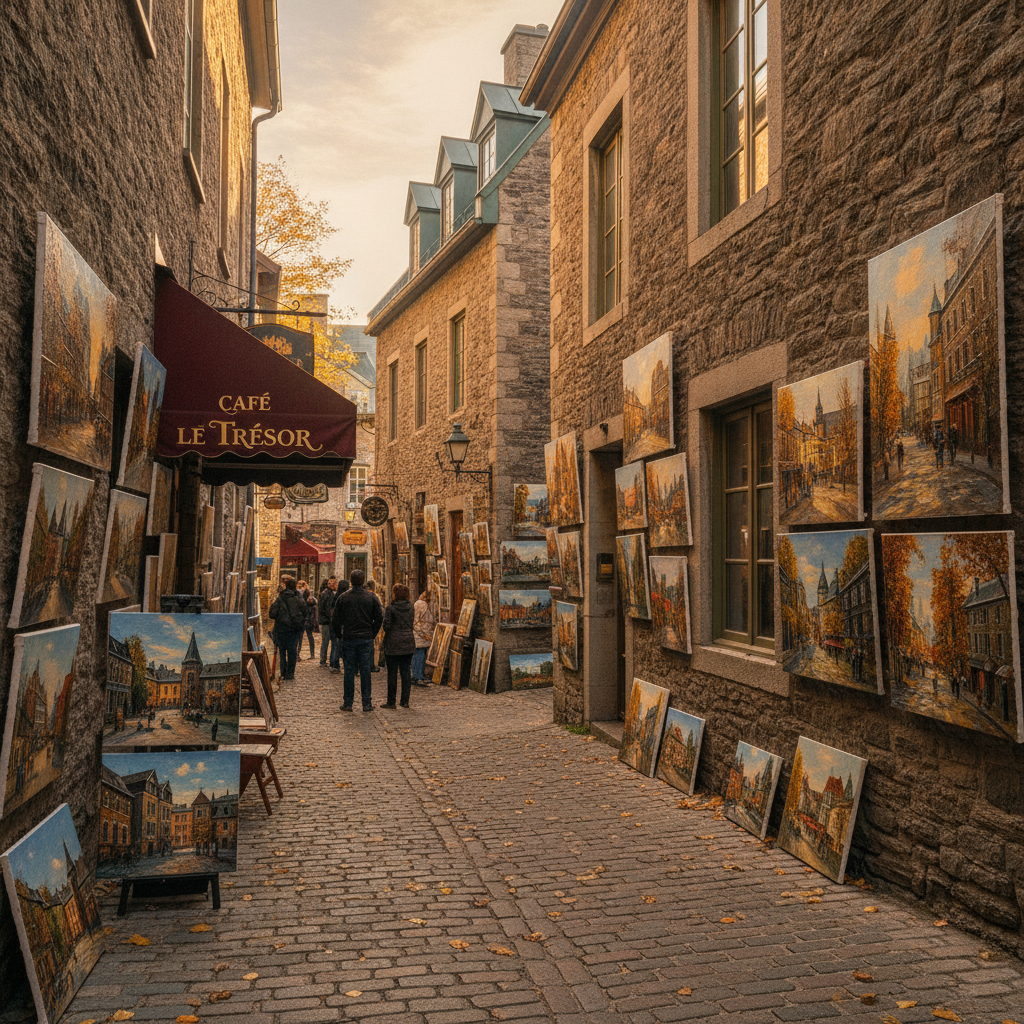
Quebec City: A Bateau Pulled from Under a Building, the Narrowest Sovereignty Referendum in Democratic History and a Language Law That Changed a City
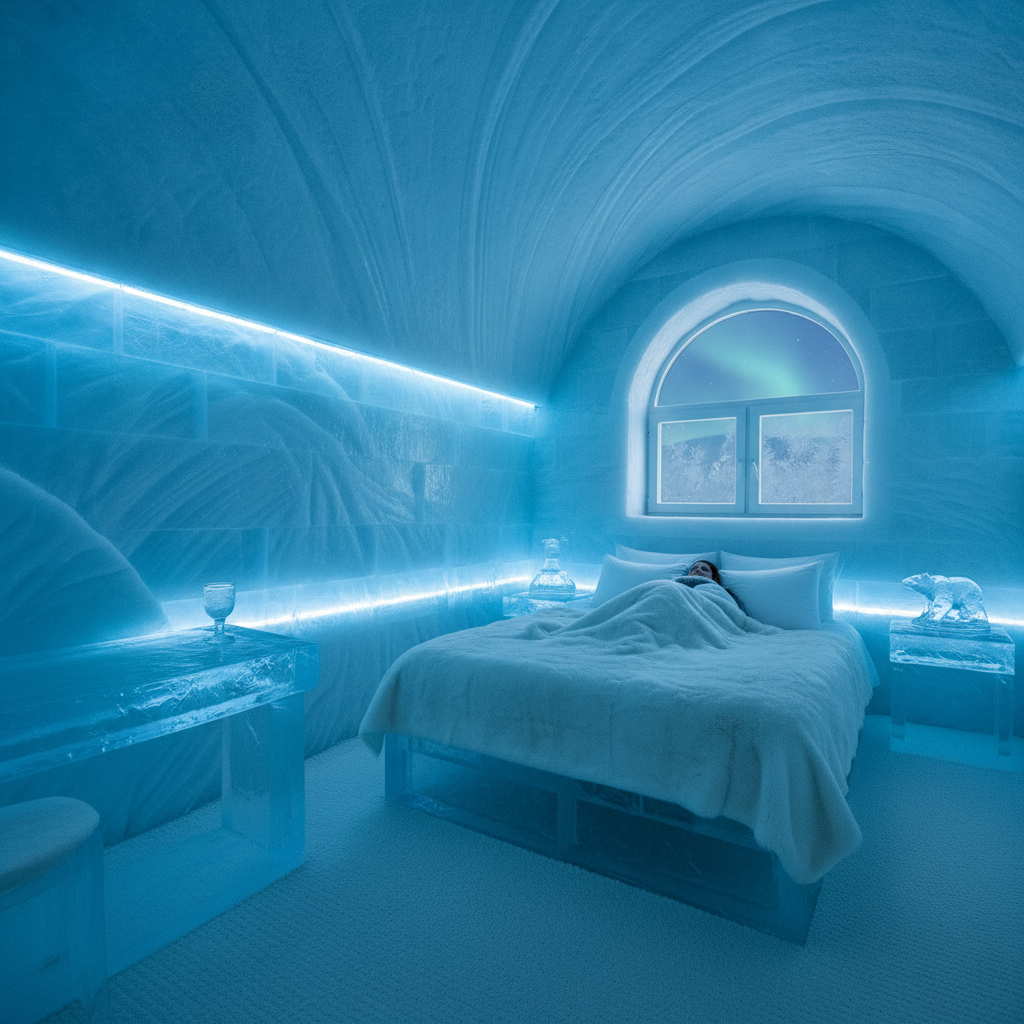
Quebec City: A Meteorite Crater That Made a Wine Region, the Ice Hotel That Melted Every Spring and the Scurvy Cure That Europe Forgot for 200 Years
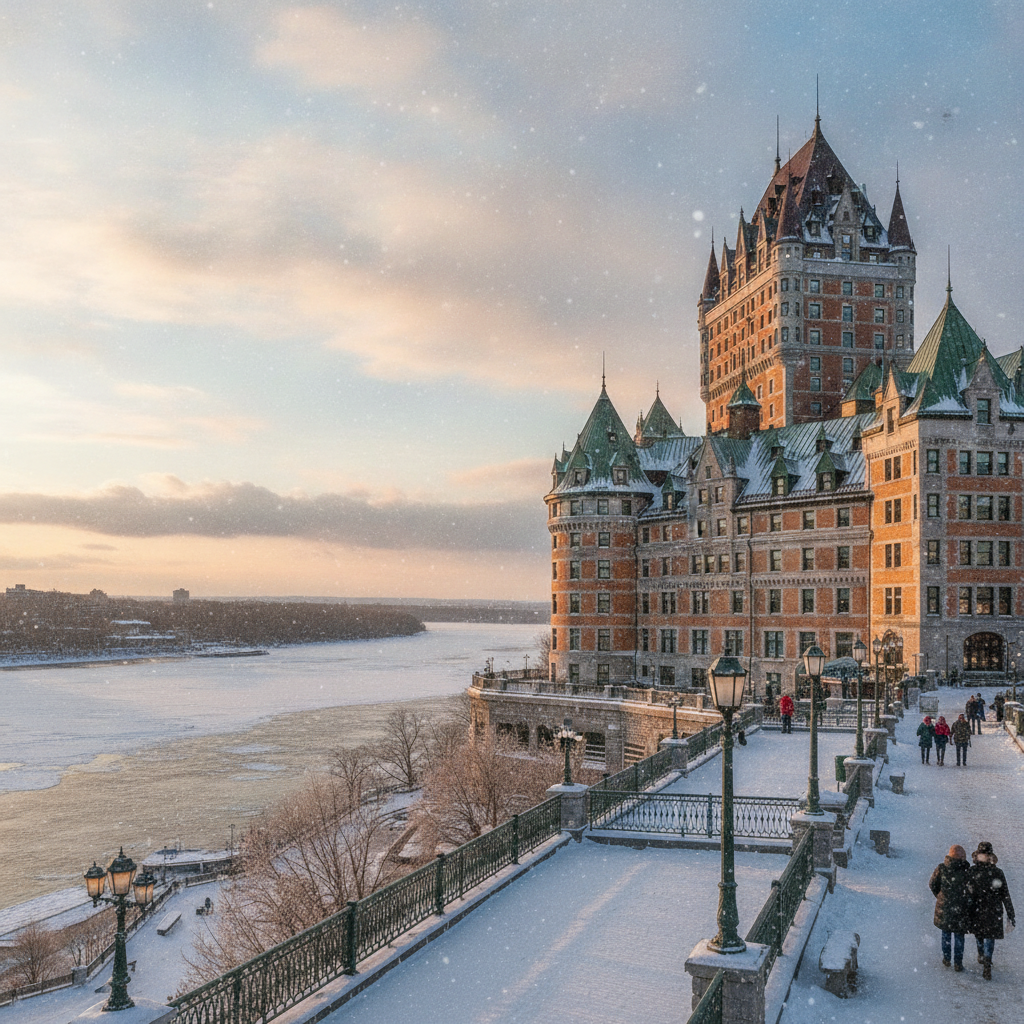
Quebec City: The Most Photographed Hotel on Earth, Only Walled City in North America and Stairs Climbed by Pilgrims for 350 Years