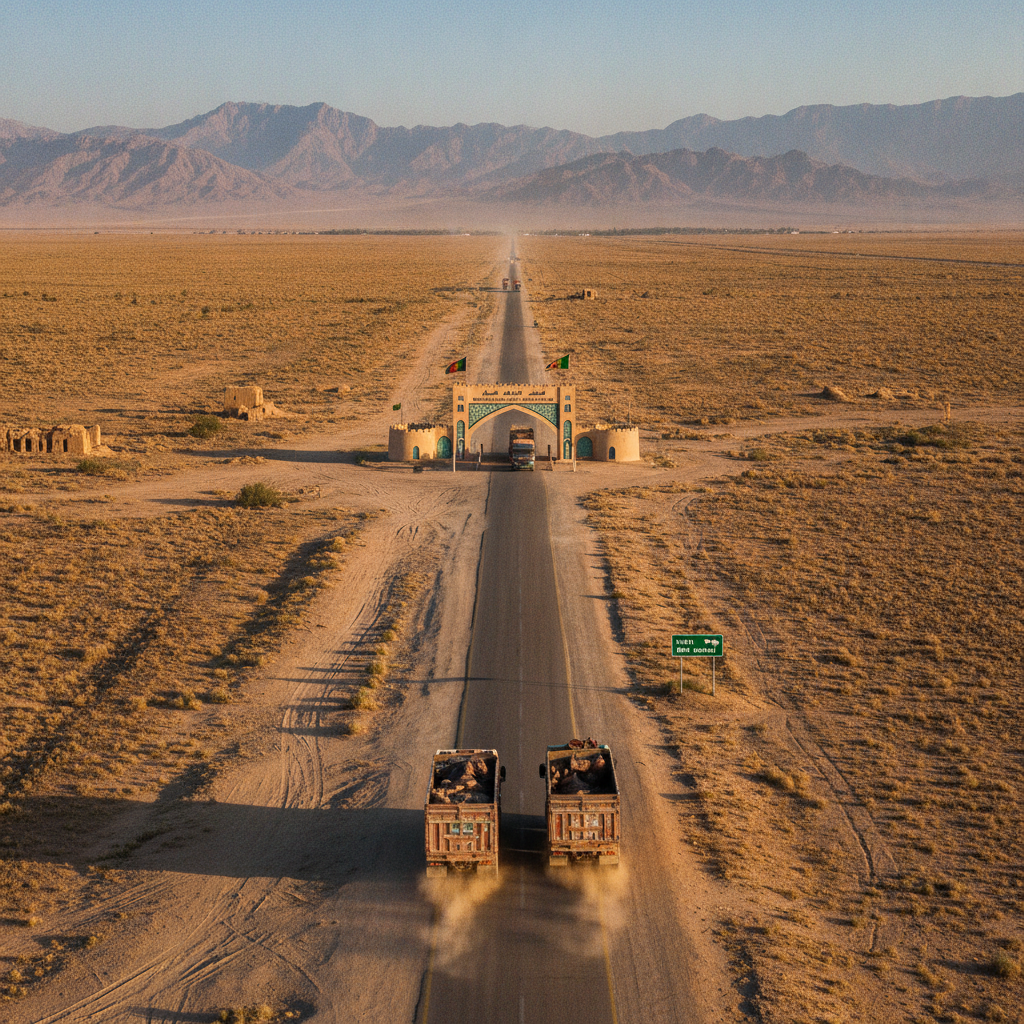

Herat Islam Qala Border Trade and History
Visit the Islam Qala border crossing — the main entry point between Afghanistan and Iran 120 kilometers west of Herat, the border post through which the ancient trade routes connecting Persia to Central Asia passed, the area around the crossing now the busiest land trade route in Afghanistan handling billions of dollars in annual commerce.
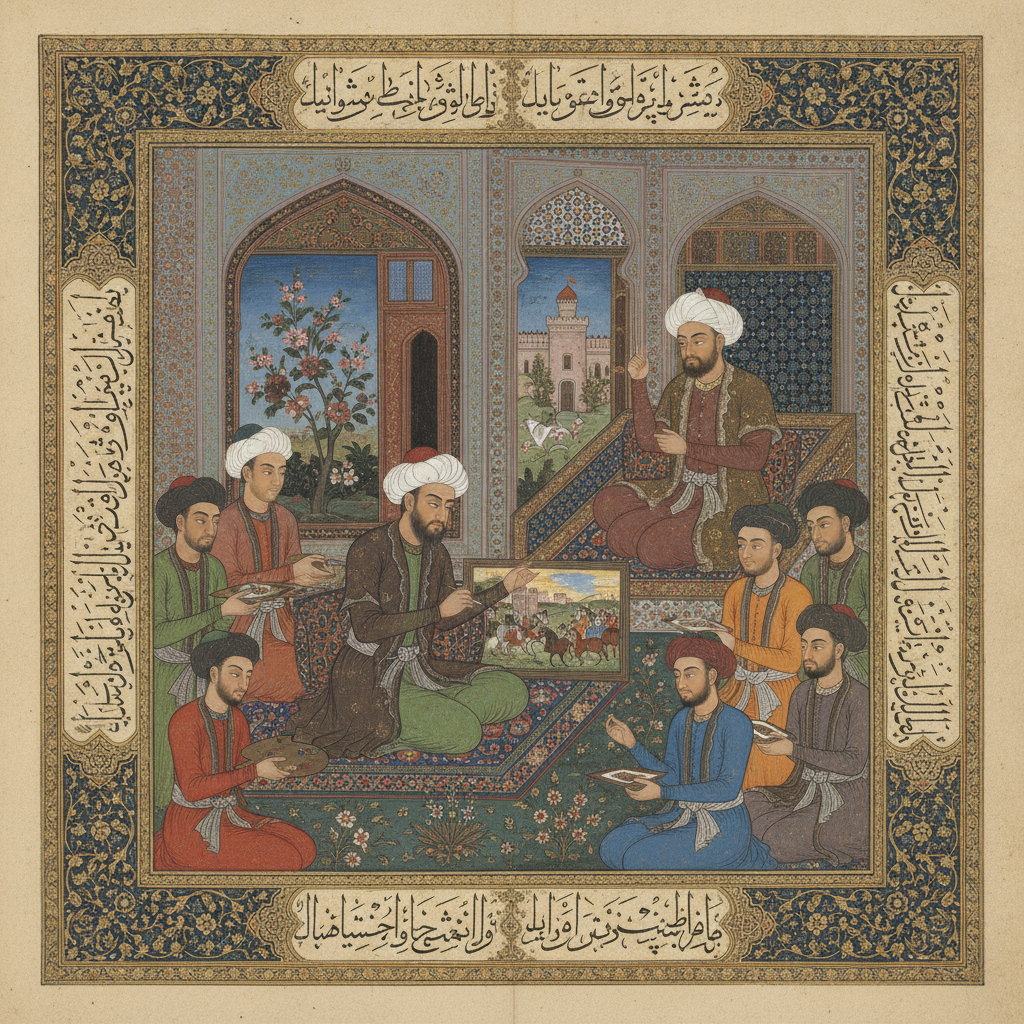
Herat School of Miniature Painting Heritage
Explore the heritage of the Herat school of miniature painting — the artistic tradition founded by the master Kamaluddin Bihzad in the late 15th century that defined the course of Persian miniature painting and influenced the Mughal and Ottoman art of subsequent centuries, the tradition maintained by contemporary Herati artists.
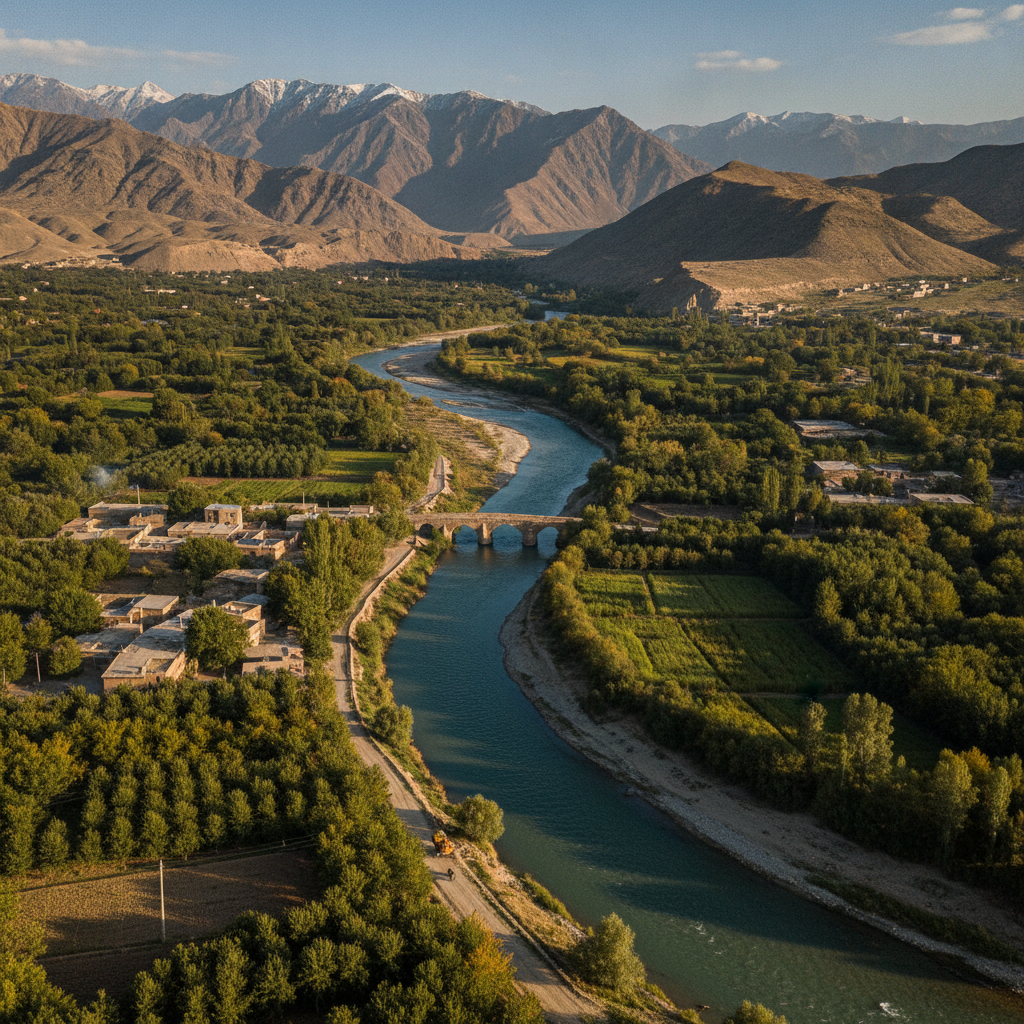
Herat Hari Rud River Valley and Orchards
Drive through the Hari Rud valley — the river valley that sustains Herat, the waterway flowing from the high mountains of the Hazarajat through the city and west to the Iranian border, the valley lined with vineyards, melon fields, and pistachio orchards that have made Herat one of the most productive agricultural zones in Afghanistan.
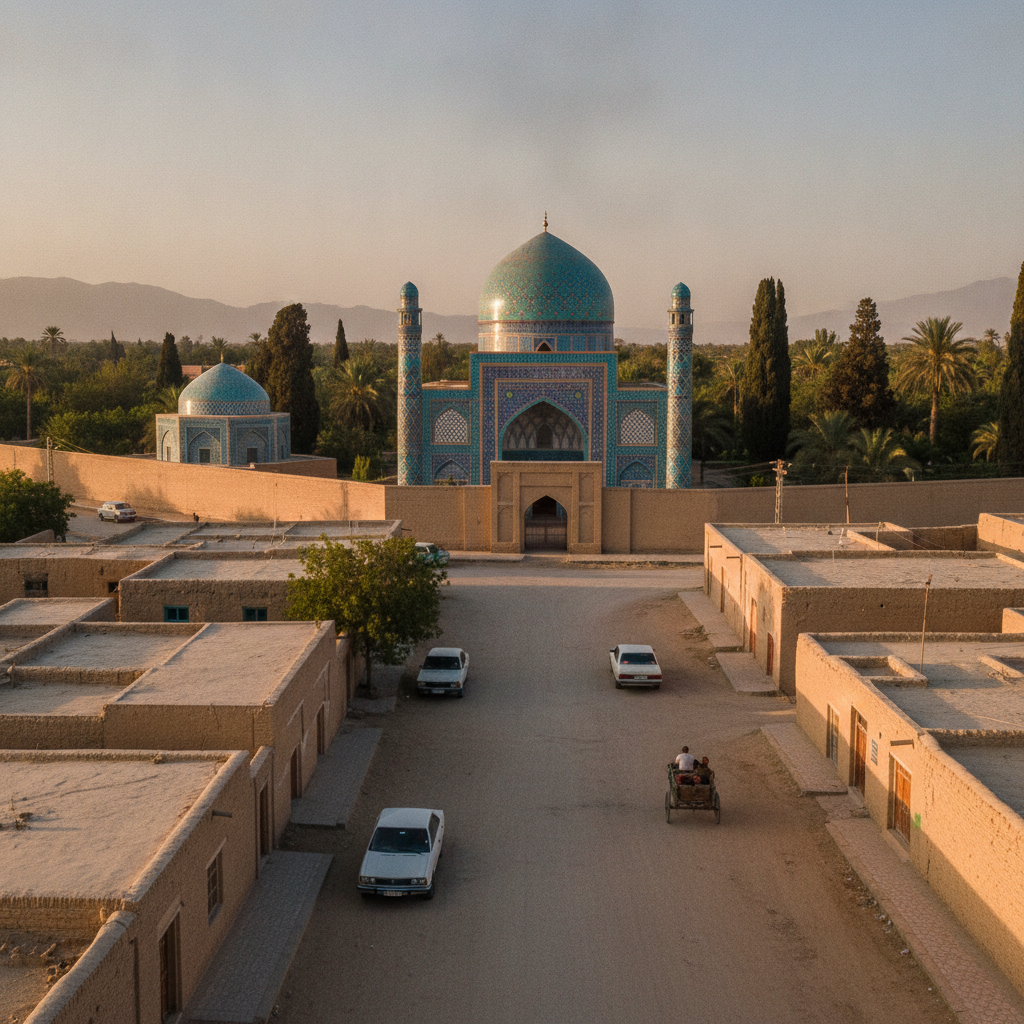
Herat Gazargah Shrine and Jami Poet Memorial
Visit Gazargah — the sacred complex 4 kilometers from Herat city where the shrine of the Sufi master Abdullah Ansari stands in a garden complex that has been a place of pilgrimage for 900 years, and where the great Persian poet Abdurrahman Jami is also buried, the site reflecting Herat's deep connection to the Persian Sufi literary tradition.
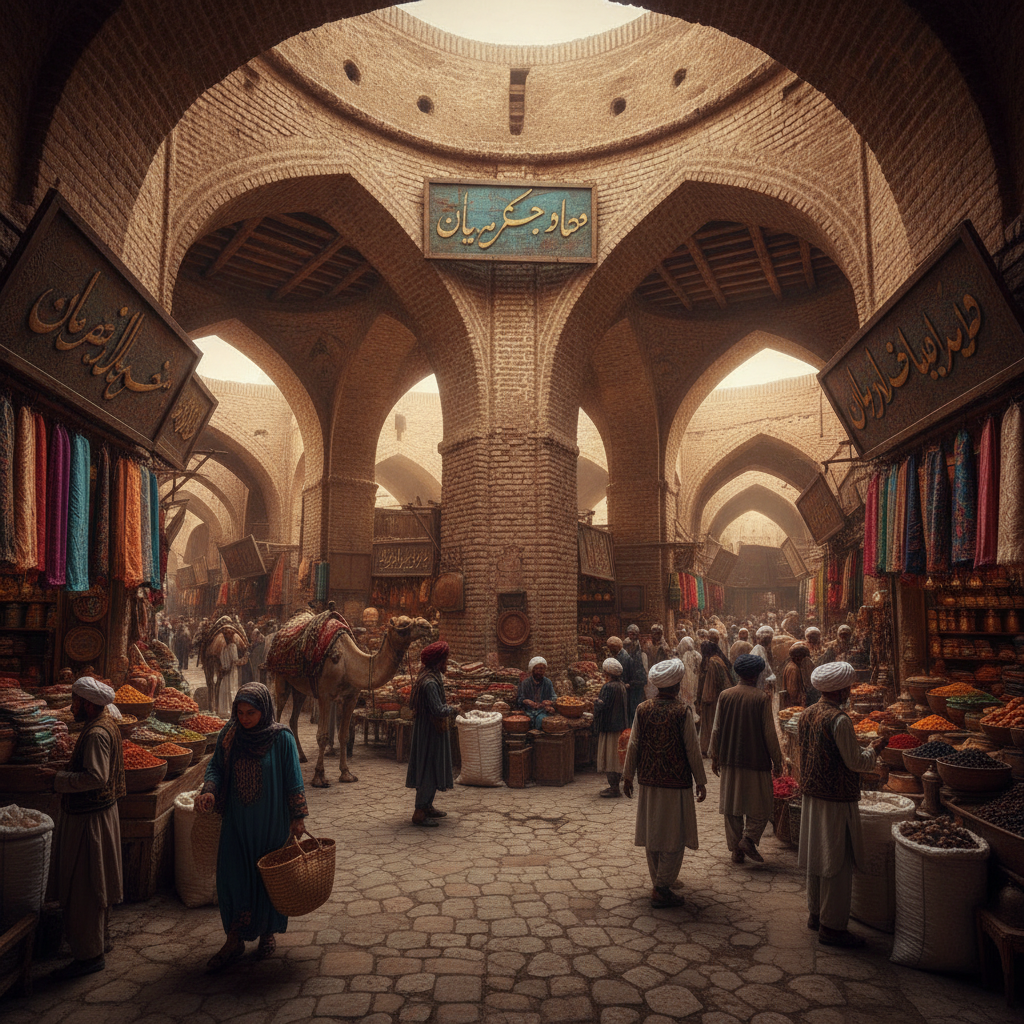
Herat Old City Bazaar Silk Road Commerce
Explore the old city bazaar of Herat — the covered market that has operated as a Silk Road commercial hub for over a millennium, the lanes of carpet dealers, metalworkers, silk weavers, and spice merchants preserving the commercial geography of a city that connected Chinese silk production with Mediterranean consumption for centuries.
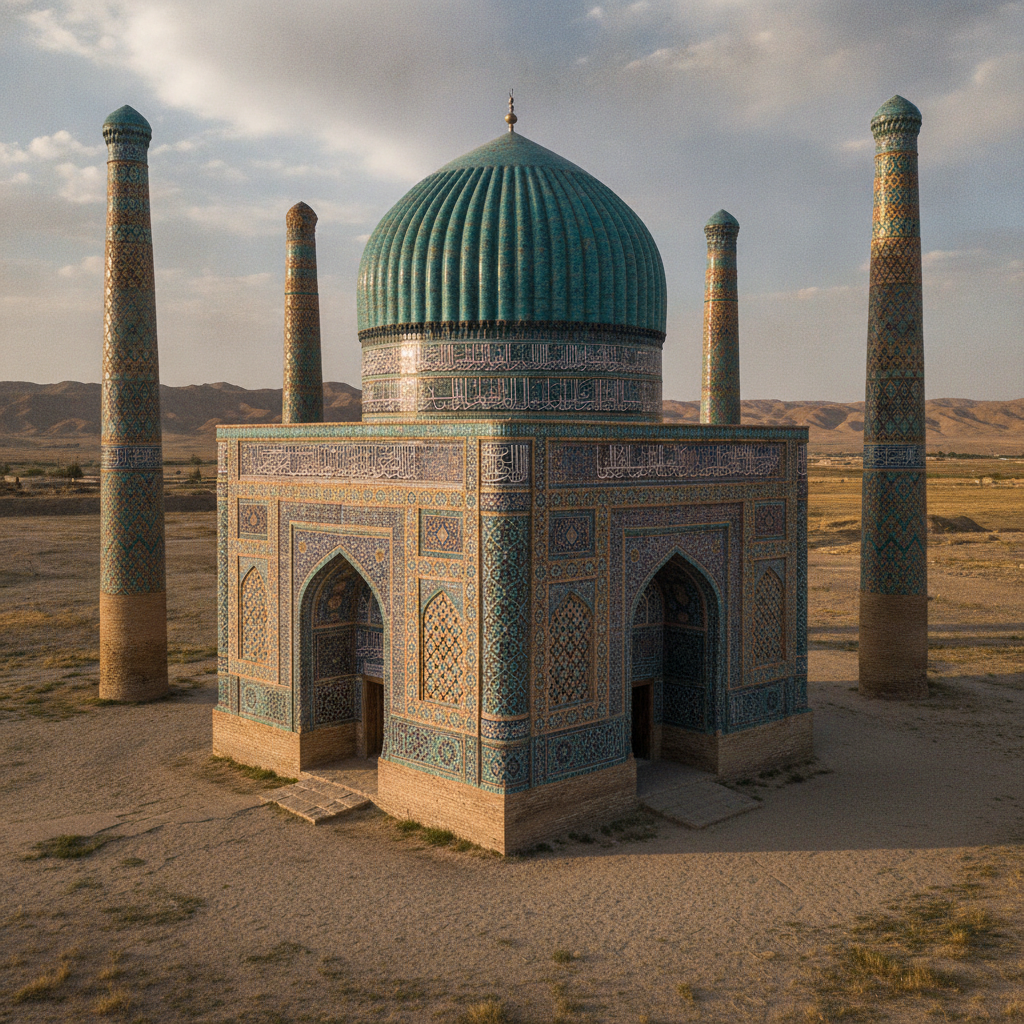
Herat Musalla Complex Timurid Minarets
Visit the Musalla Complex — the extraordinary outdoor prayer ground built by Queen Gawhar Shad, wife of the Timurid Sultan Shah Rukh, in the early 15th century, once a complete complex of mosque, madrasa, and mausoleum that represented the peak of Timurid architectural achievement, today reduced to five surviving minarets and Queen Gawhar Shad's own mausoleum.
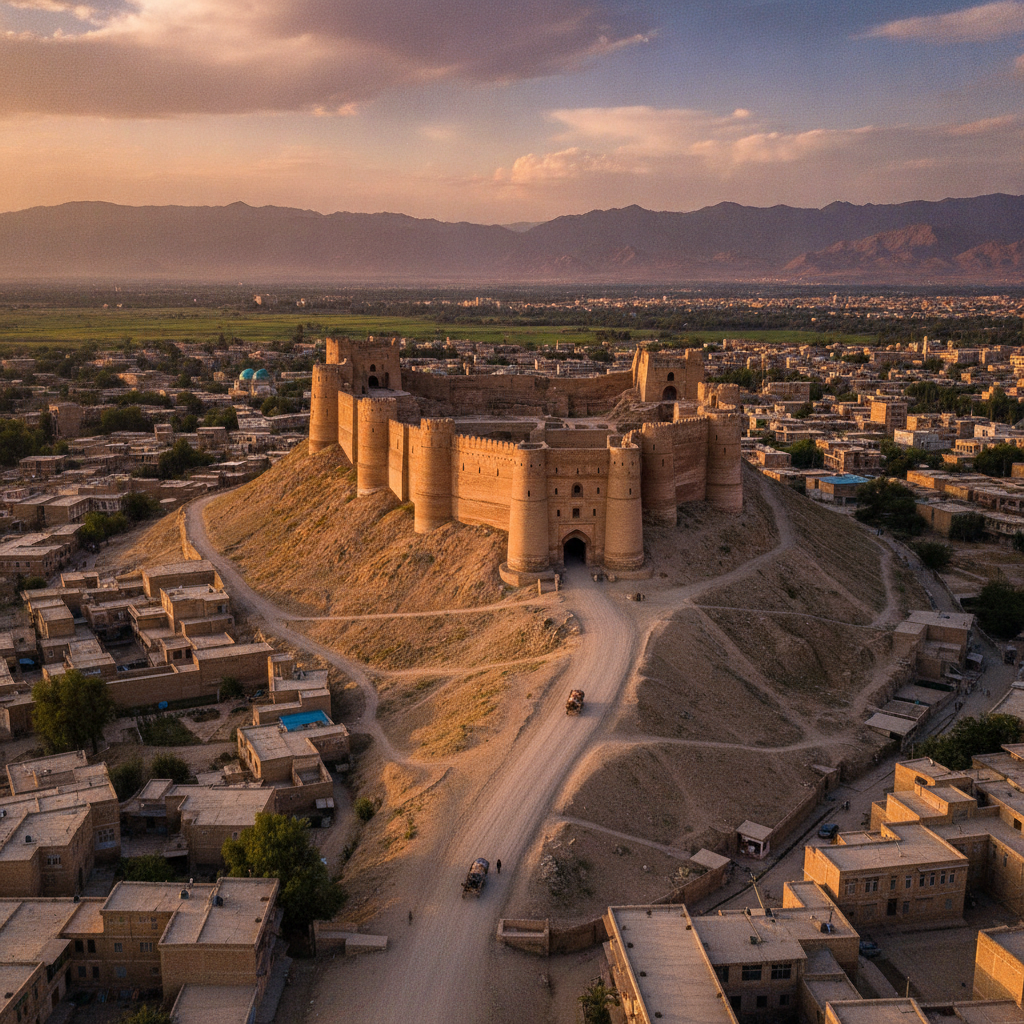
Herat Citadel Qala Ikhtiyaruddin Ancient Fortress
Visit the Citadel of Herat — the ancient fortress known as Qala Ikhtiyaruddin, a fortification that has occupied this strategic hilltop at the center of the city since the time of Alexander the Great, rebuilt by the Timurid dynasty and now standing as the most visible monument of Herat's 2,500 years of continuous urban history.
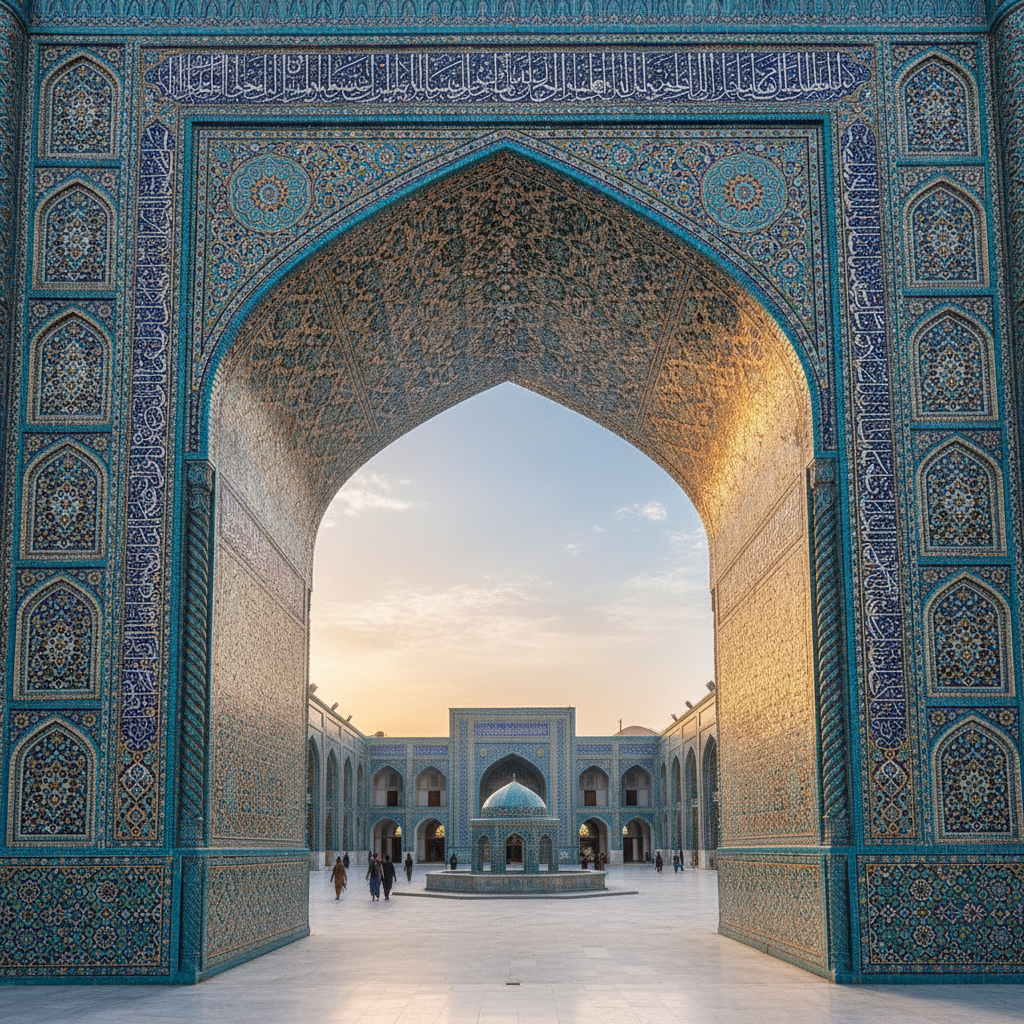
Herat Friday Mosque Timurid Tile Masterpiece
Visit the Friday Mosque of Herat — one of the greatest buildings in the Islamic world, the mosque whose exterior surfaces are entirely covered in Timurid mosaic tilework in shades of blue, turquoise, and white, the building reflecting 600 years of continuous embellishment that makes it simultaneously a mosque, a museum, and the finest surviving example of Timurid architectural art.