Herat Hari Rud River Valley and Orchards
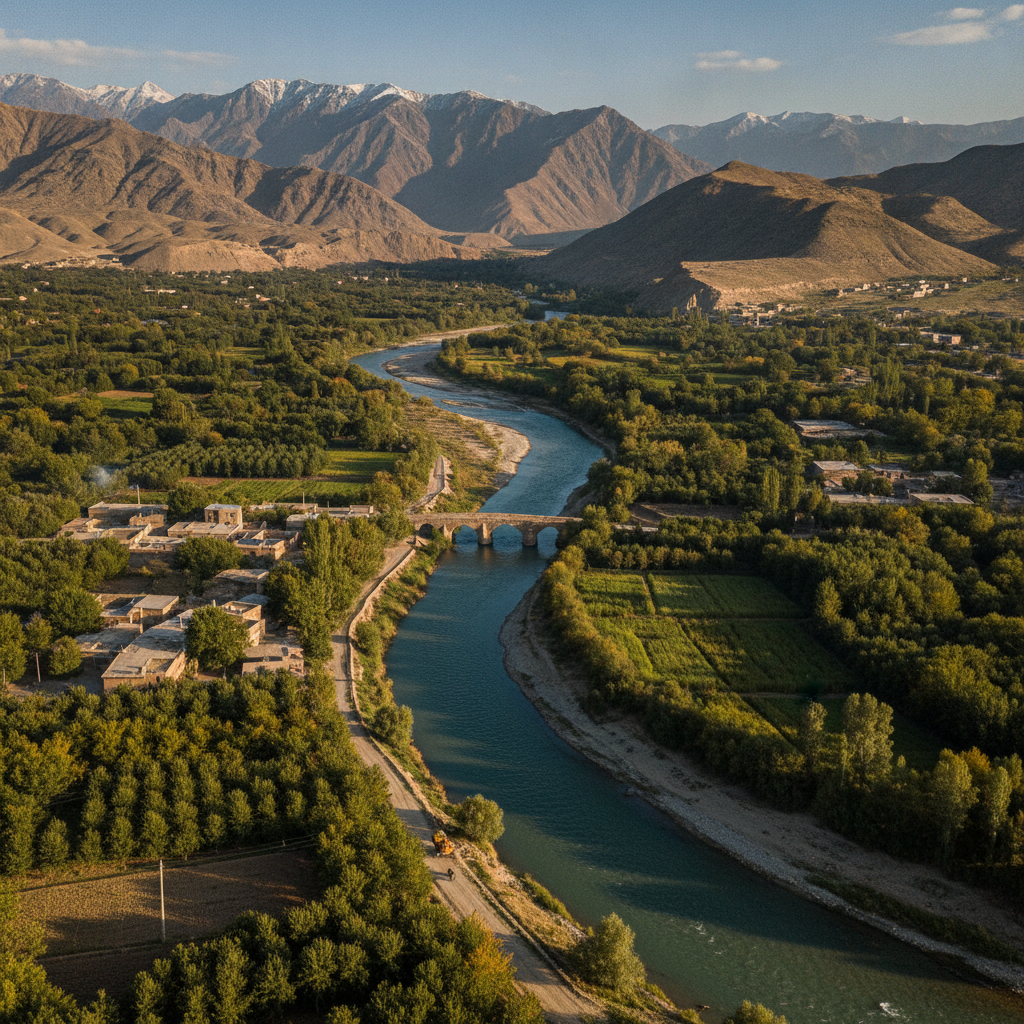
Drive through the Hari Rud valley — the river valley that sustains Herat, the waterway flowing from the high mountains of the Hazarajat through the city and west to the Iranian border, the valley lined with vineyards, melon fields, and pistachio orchards that have made Herat one of the most productive agricultural zones in Afghanistan.
- 1
Hari Rud River Banks
The banks of the Hari Rud (Harirud) river — the watercourse that has sustained Herat's agriculture for millennia, the river flowing through a broad valley between the Paropamisus mountains and the central Afghan highlands, the water management system of the valley one of the most sophisticated irrigation networks in Afghanistan.
- 2
Pistachio Orchards Herat
The pistachio orchards of the Herat region — Afghanistan's wild pistachio forests covering the hills north and west of the city, the nuts harvested from both planted orchards and wild trees, the Herat pistachio considered among the finest quality in the world and a significant export product since the Silk Road period.
- 3
Grape and Melon Fields
The grape and melon cultivation in the Hari Rud valley — the vineyards producing the varieties that made Herat wine famous in pre-Islamic times, today growing table grapes and raisins, alongside the melon fields producing the sweet musk melons that Central Asian traders have prized since antiquity.
- 4
Village Water Mill Heritage
The traditional water mills in the valley — the grain-grinding mills powered by channels diverted from the Hari Rud, the millstones producing the wheat flour for Herat's famous bread, the mills representing the hydraulic engineering tradition of the valley that has been managing the river's energy for agricultural and industrial purposes for over a thousand years.
- 5
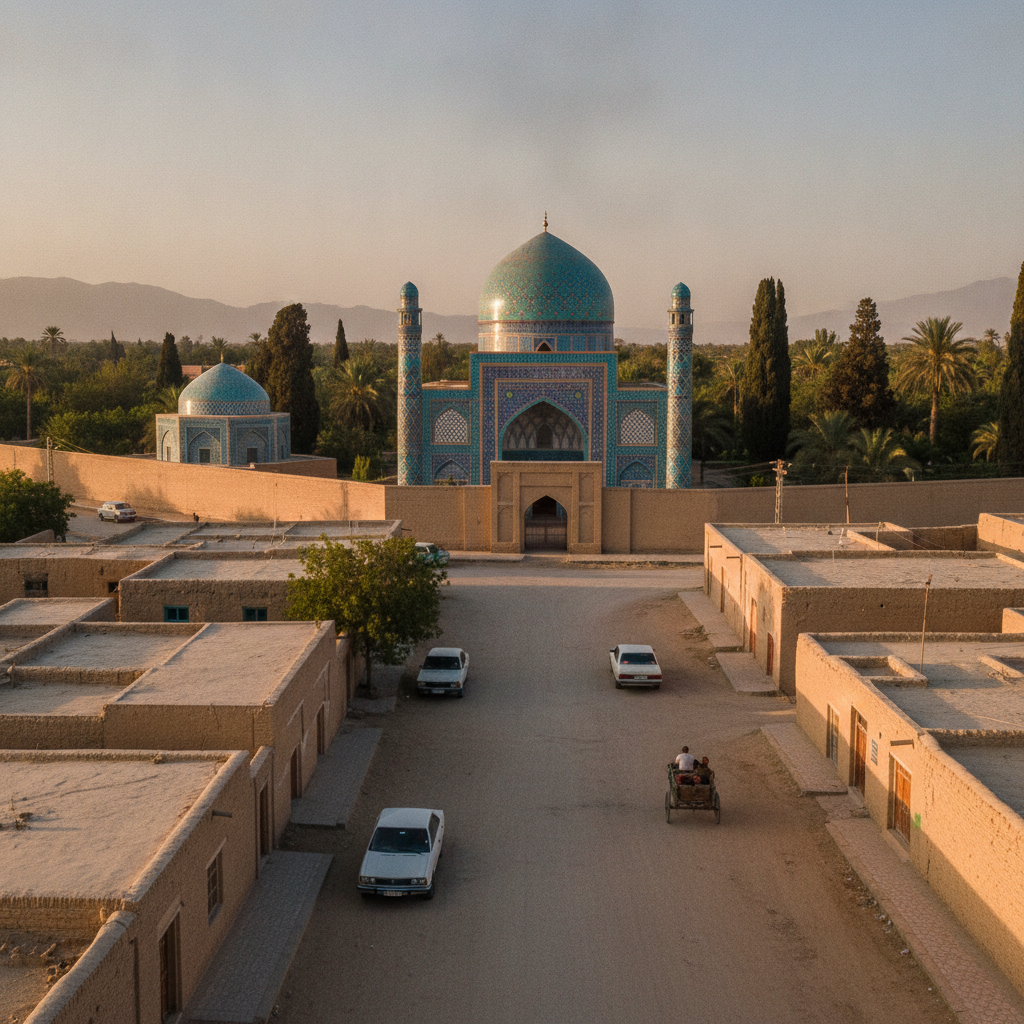
Zindajan Village Heritage
The village of Zindajan in the Hari Rud valley — one of the historic settlements that have occupied the valley's agricultural land since antiquity, the village with its traditional architecture and orchard cultivation representing the rural Herati culture that produced the craftsmen, poets, and merchants who made the city famous.
- 6
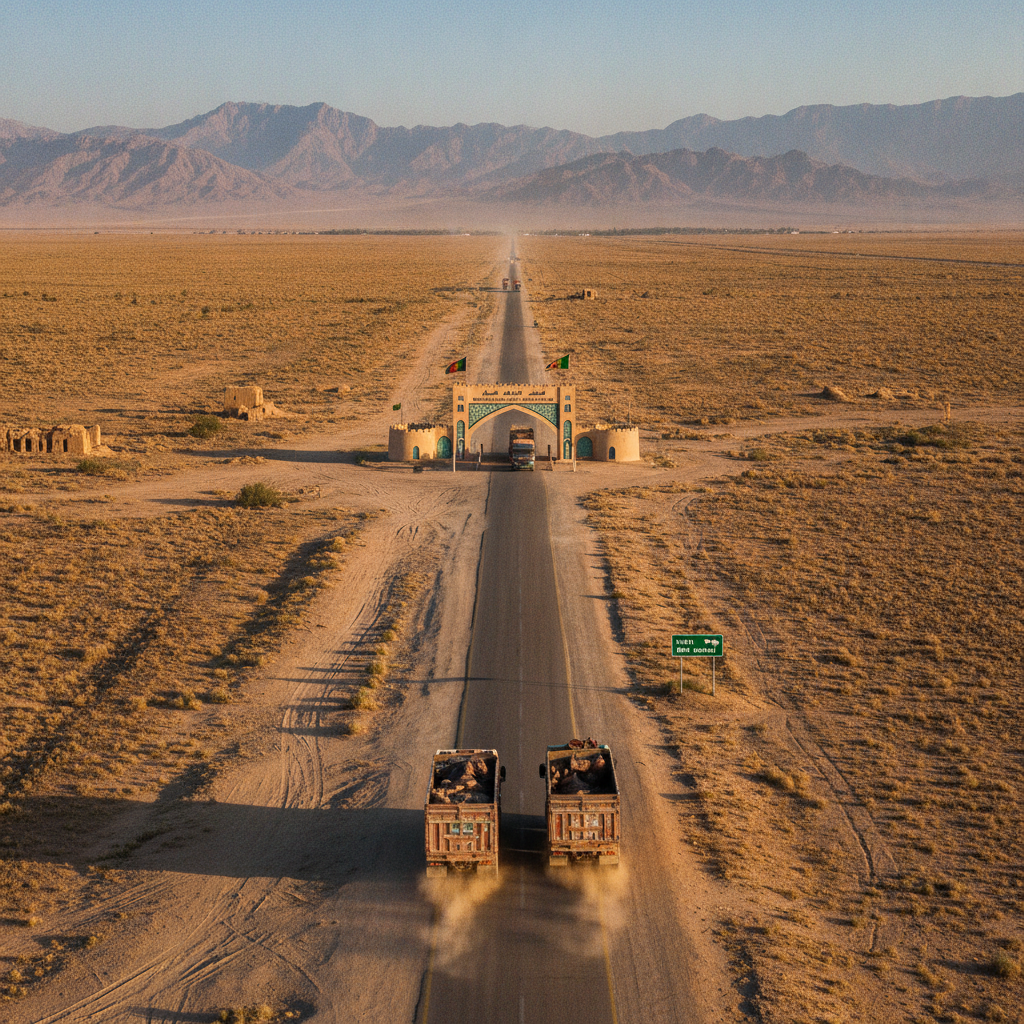
Iranian Border Landscape
The landscape approaching the Iranian border west of Herat — the Hari Rud flowing toward Iran where it becomes the boundary river between the two countries, the landscape becoming drier as the valley opens into the desert plain, the border zone that has historically been more a zone of cultural exchange than a hard boundary.
Walk this route with audio
Stories play automatically as you reach each stop — no tapping needed.