Herat Islam Qala Border Trade and History
Visit the Islam Qala border crossing — the main entry point between Afghanistan and Iran 120 kilometers west of Herat, the border post through which the ancient trade routes connecting Persia to Central Asia passed, the area around the crossing now the busiest land trade route in Afghanistan handling billions of dollars in annual commerce.
- 1
Islam Qala Crossing Approach
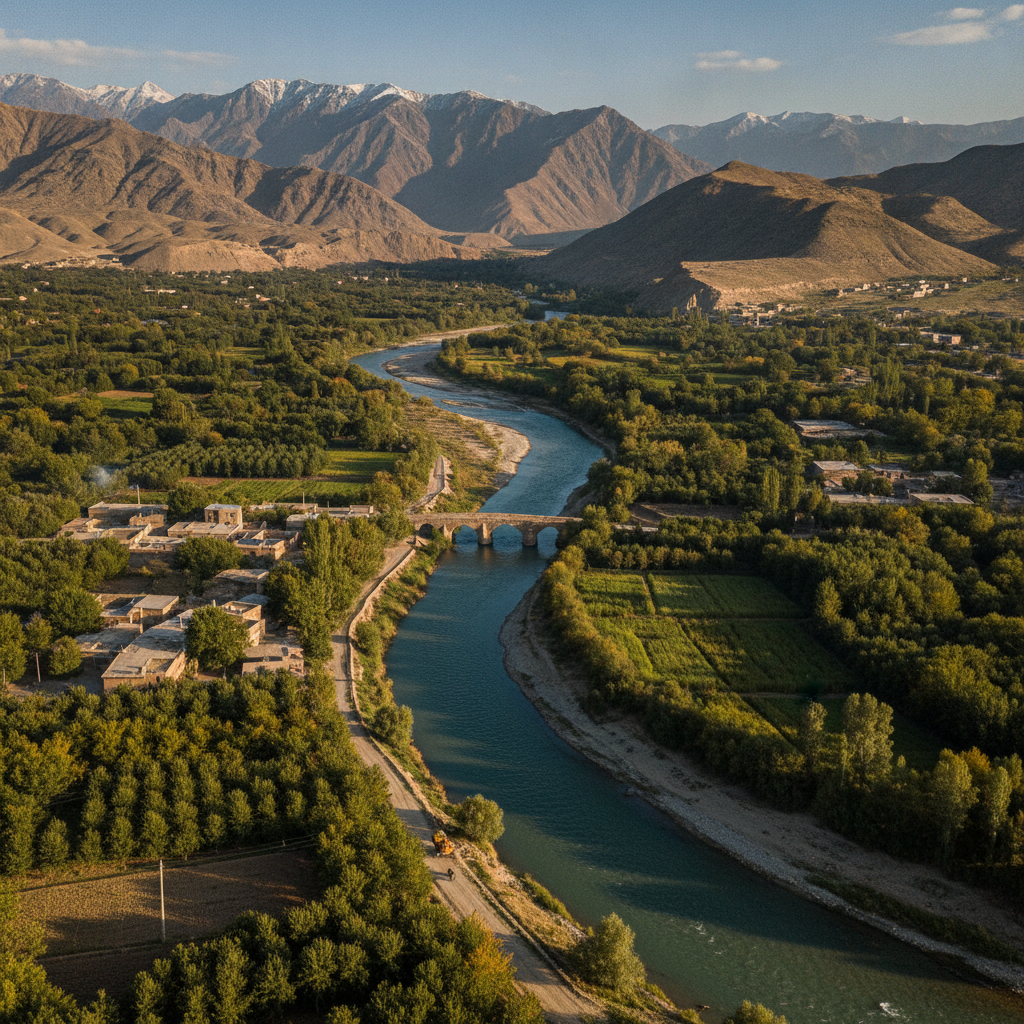
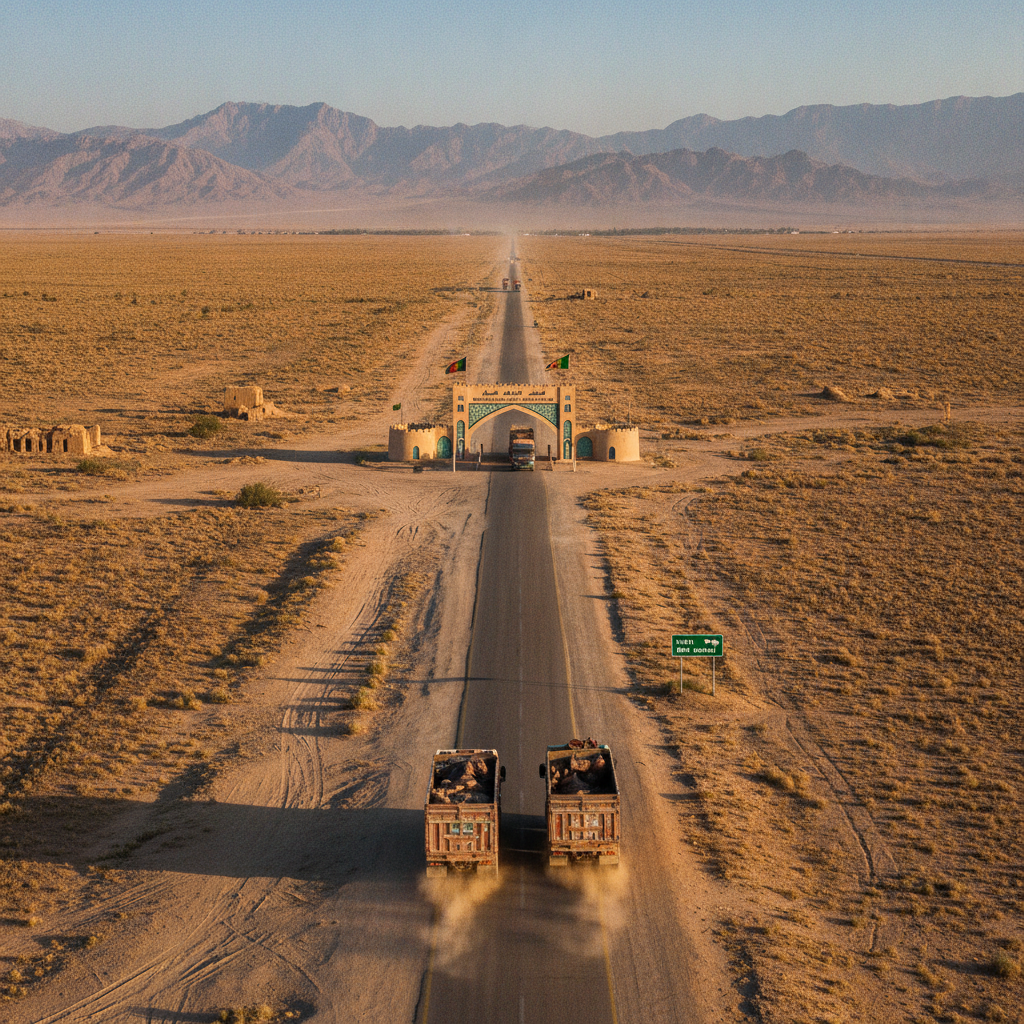
Drive west from Herat toward the Islam Qala crossing — the road crossing the arid plain between Herat and the Iranian border, the landscape becoming increasingly dry as the Hari Rud valley gives way to the stony desert of western Afghanistan, the route following the ancient road that caravans used for two millennia.
- 2
Historical Silk Road Junction
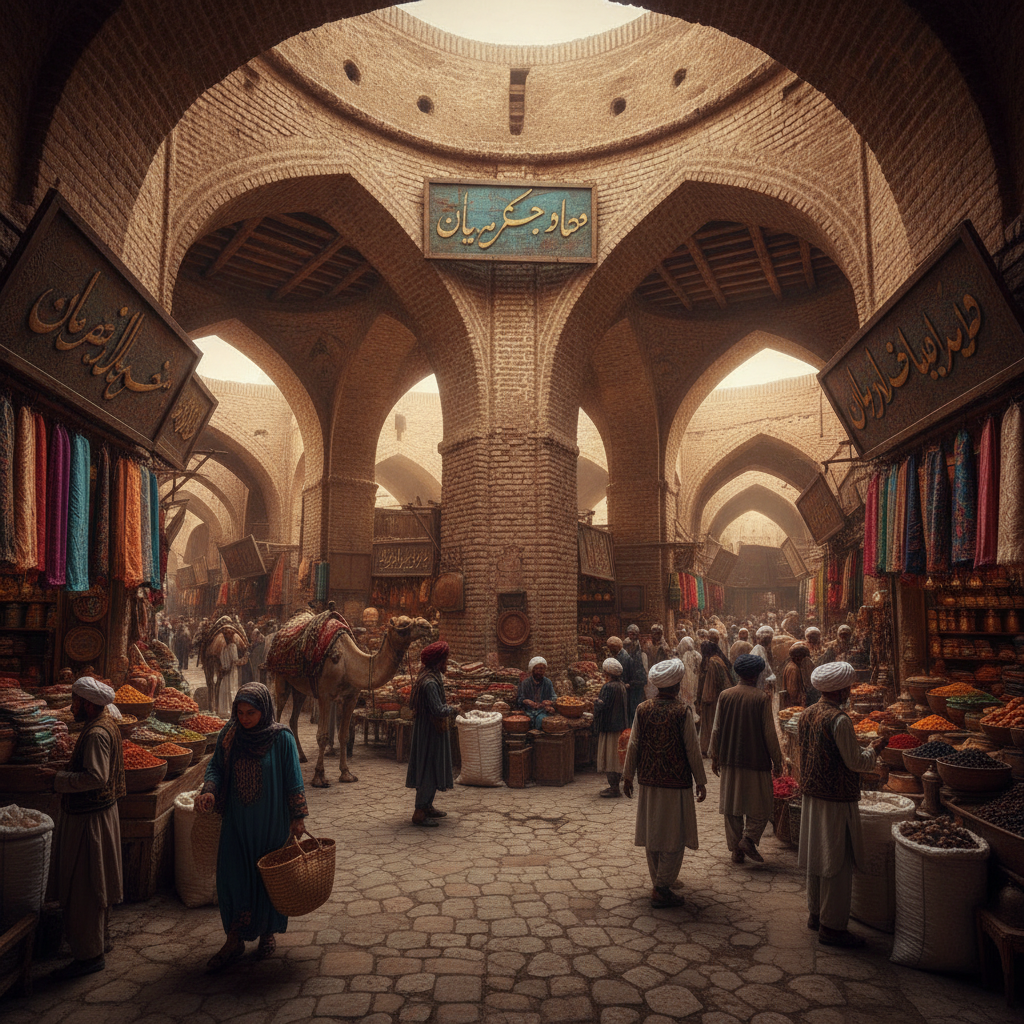
The historical Silk Road junction at this location — the point where the routes from Central Asia converged to cross into Persia, the caravans bringing Chinese silk, Afghan lapis lazuli, and Indian spices westward, returning with Persian silver, Roman glass, and manufactured goods eastward, the trade that made this corridor one of the most commercially significant in the ancient world.
- 3
Afghan-Iranian Border Architecture
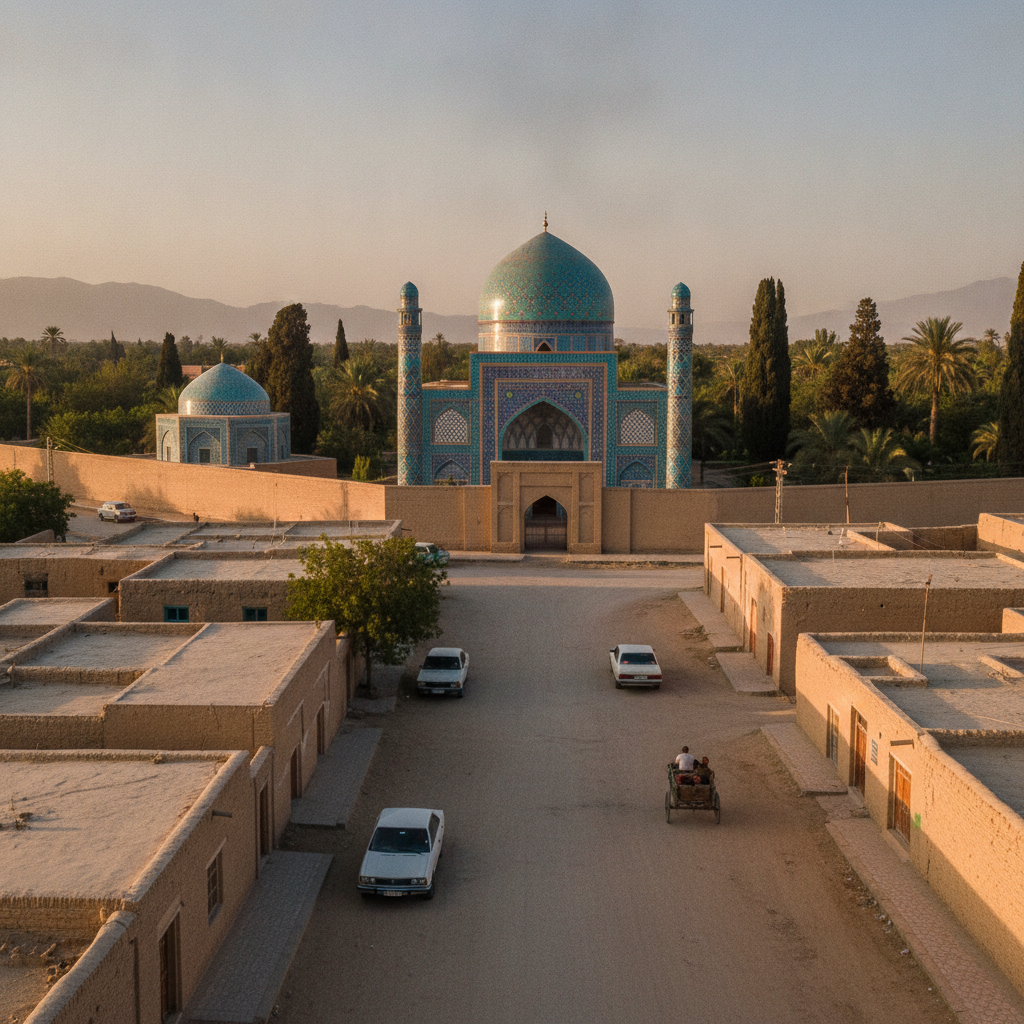
The border post architecture and infrastructure at Islam Qala — the customs buildings, warehouses, and inspection facilities that handle the significant volume of trade between Afghanistan and Iran, the architecture reflecting both countries' investment in the border crossing as a major source of customs revenue and commercial activity.
- 4
Refugee Return Route
The refugee return route through Islam Qala — the crossing used by millions of Afghan refugees who fled to Iran during the various conflict periods since 1978 and returned through this point after each peace period, the border crossing having witnessed some of the largest population movements in modern Central Asian history.
- 5
Desert Caravanserai Ruins
The ruins of desert caravanserais between Herat and the border — the stopping places that serviced the Silk Road caravans at regular intervals across the arid plain, the buildings of sun-dried brick now eroded to low mounds in the desert, the spacing of the ruins reflecting the maximum daily distance a loaded camel could travel.
- 6
Border Zone Landscape
The border zone landscape of western Herat province — the flat stony desert of the dasht with occasional dried riverbeds and isolated settlements, the landscape that has been both a barrier and a highway between the Persian and Central Asian worlds, the same terrain traversed by Alexander, Timur, and Babur on their campaigns between Persia and Afghanistan.
Walk this route with audio
Stories play automatically as you reach each stop — no tapping needed.