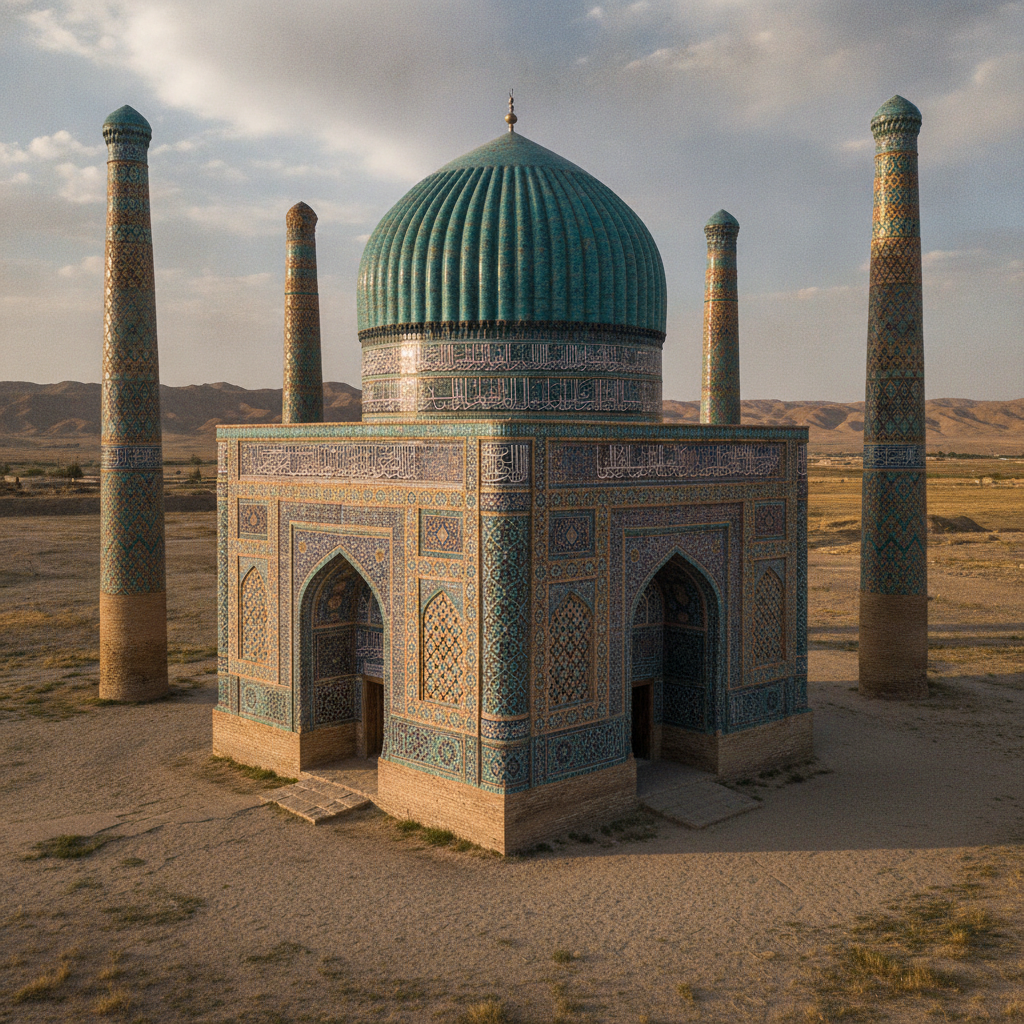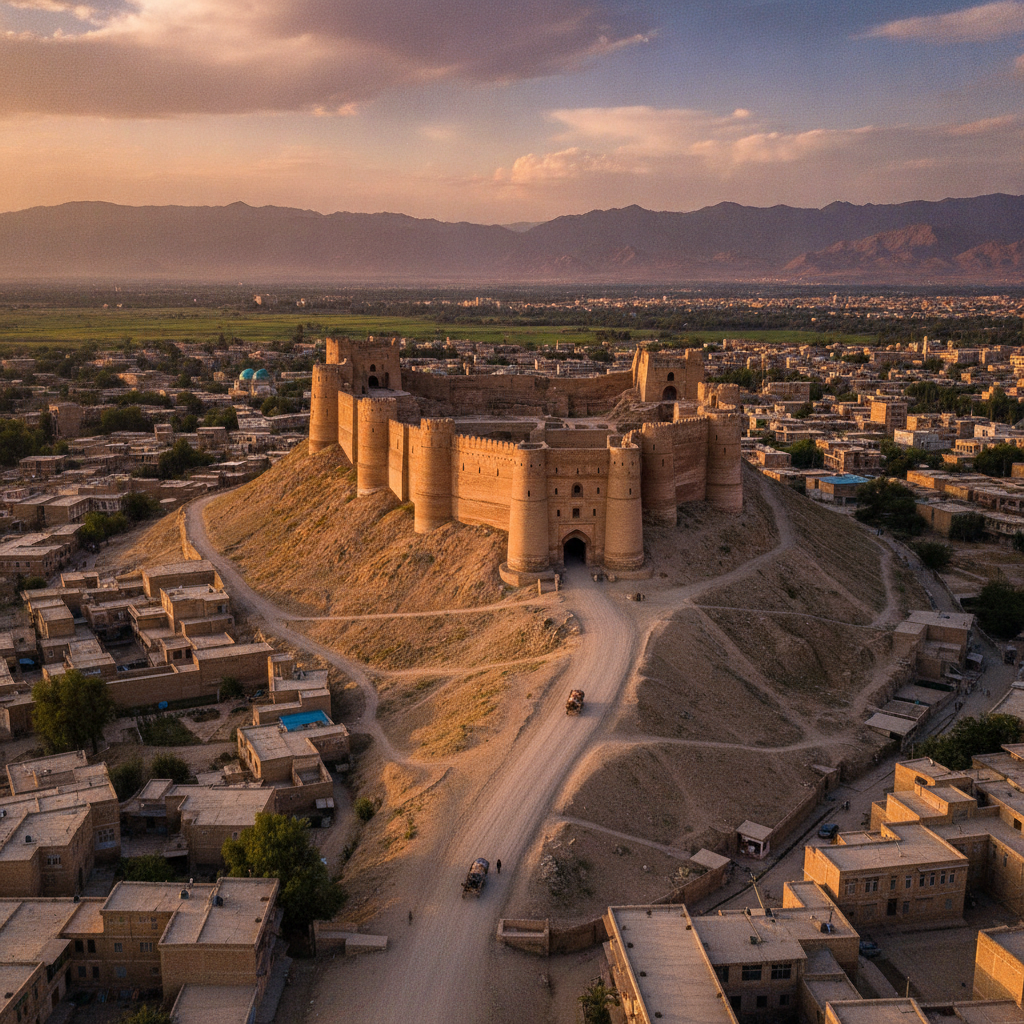
Herat Old City Bazaar Silk Road Commerce
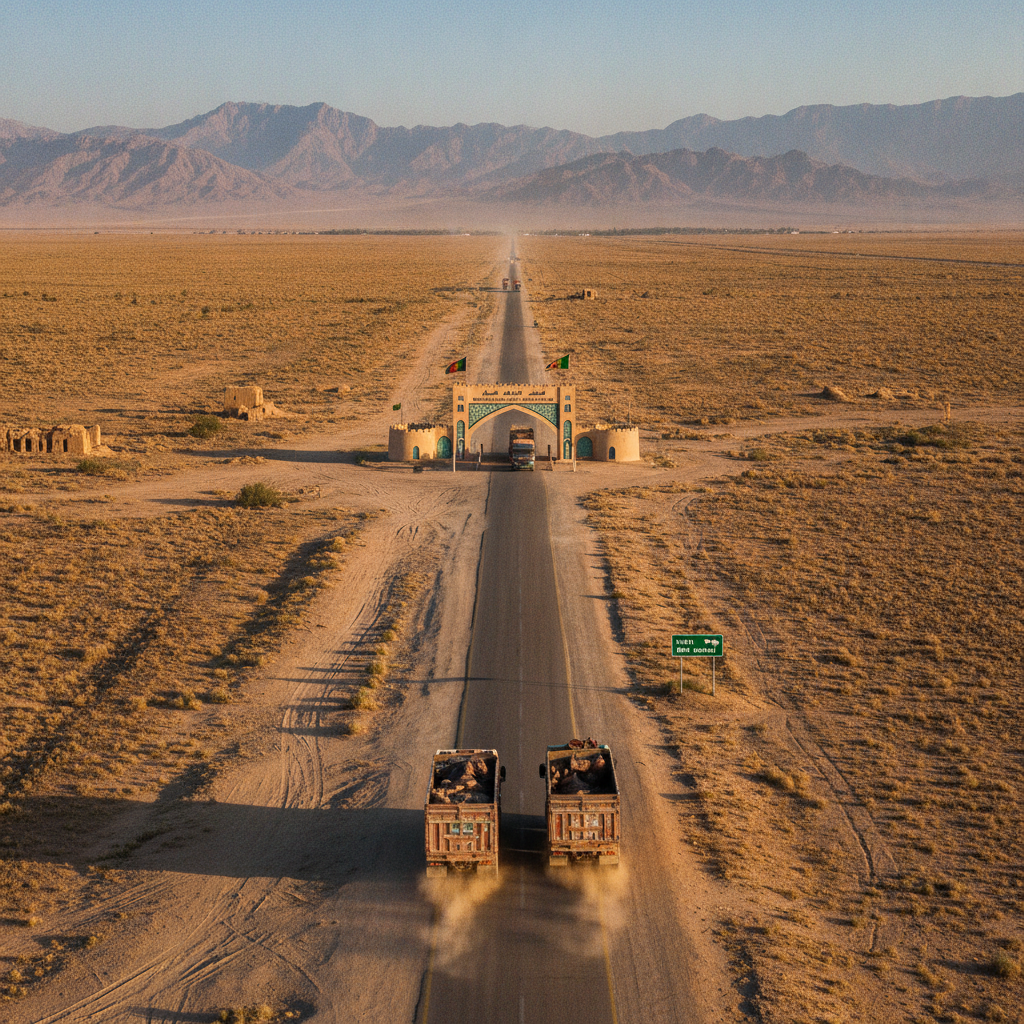
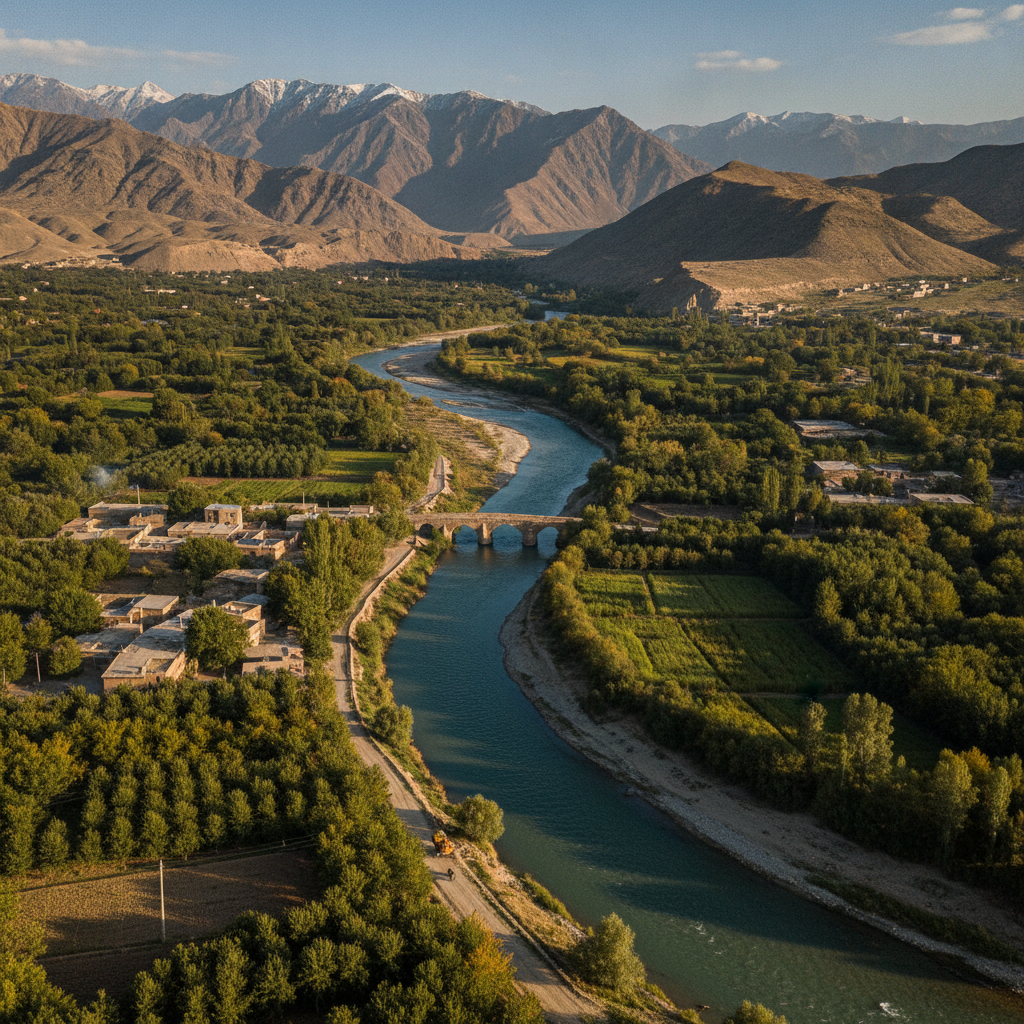
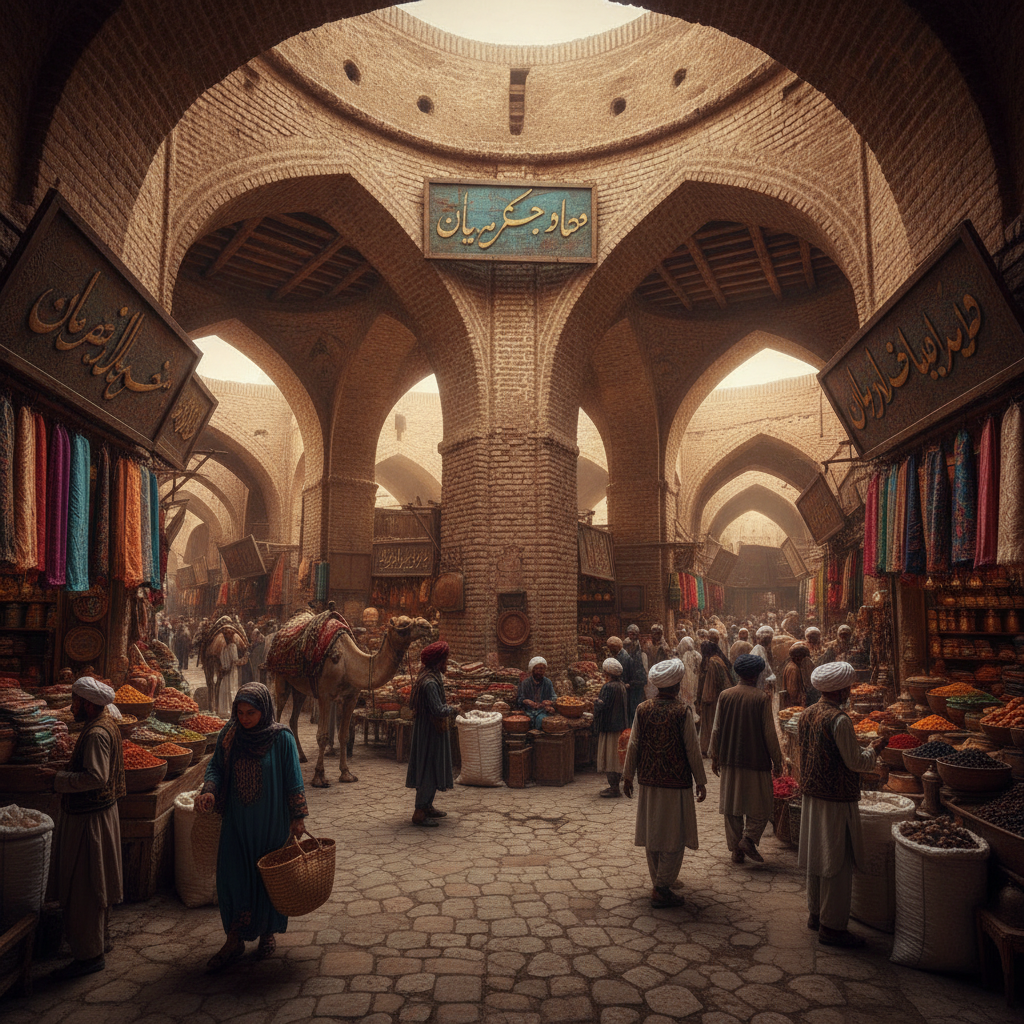
Explore the old city bazaar of Herat — the covered market that has operated as a Silk Road commercial hub for over a millennium, the lanes of carpet dealers, metalworkers, silk weavers, and spice merchants preserving the commercial geography of a city that connected Chinese silk production with Mediterranean consumption for centuries.
- 1
Covered Bazaar Entrance Chaharsooq
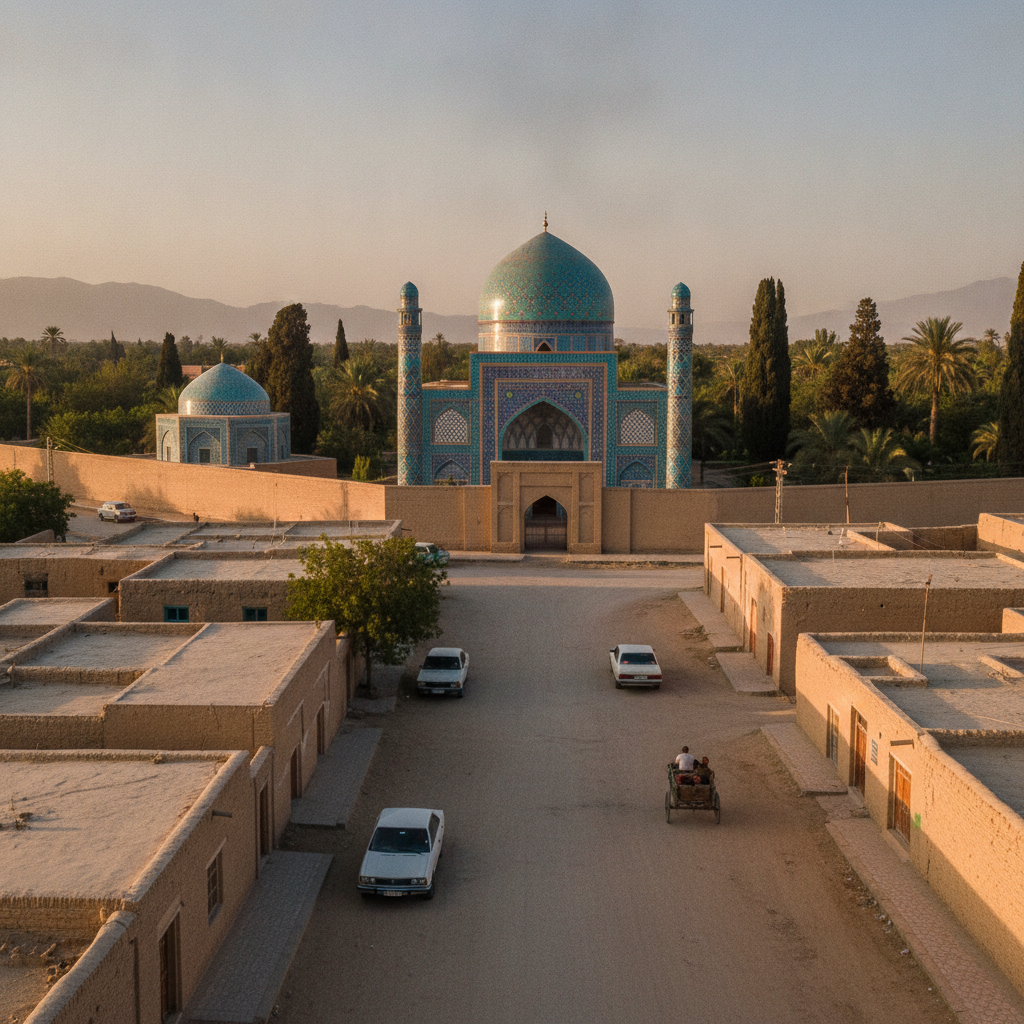
Enter the old city bazaar through the Chaharsooq — the four-way covered intersection where the main bazaar streets meet, the traditional form of Central Asian bazaar organization placing the four markets at the intersection of the city's main axes, the dome of the Chaharsooq marking the commercial heart of the old city.
- 2
Carpet and Kilim Market
The carpet and kilim market of Herat — the dealers displaying the flat-woven kilims and pile carpets of the Herat region, the distinctive Herati carpet design with its fish-pattern (mahi) field and floral border one of the most widely imitated patterns in the carpet world, the originals produced by Herati weavers over five centuries.
- 3
Metalwork Copper Bazaar
The copper and metalwork bazaar — the craftsmen beating copper and brass into the decorated trays, samovars, and household vessels of the Herati tradition, the hammering and engraving techniques producing the intricate floral and arabesque patterns characteristic of Afghan metalwork, the workshops noisy and fragrant with hot metal.
- 4
Silk Weaving Heritage
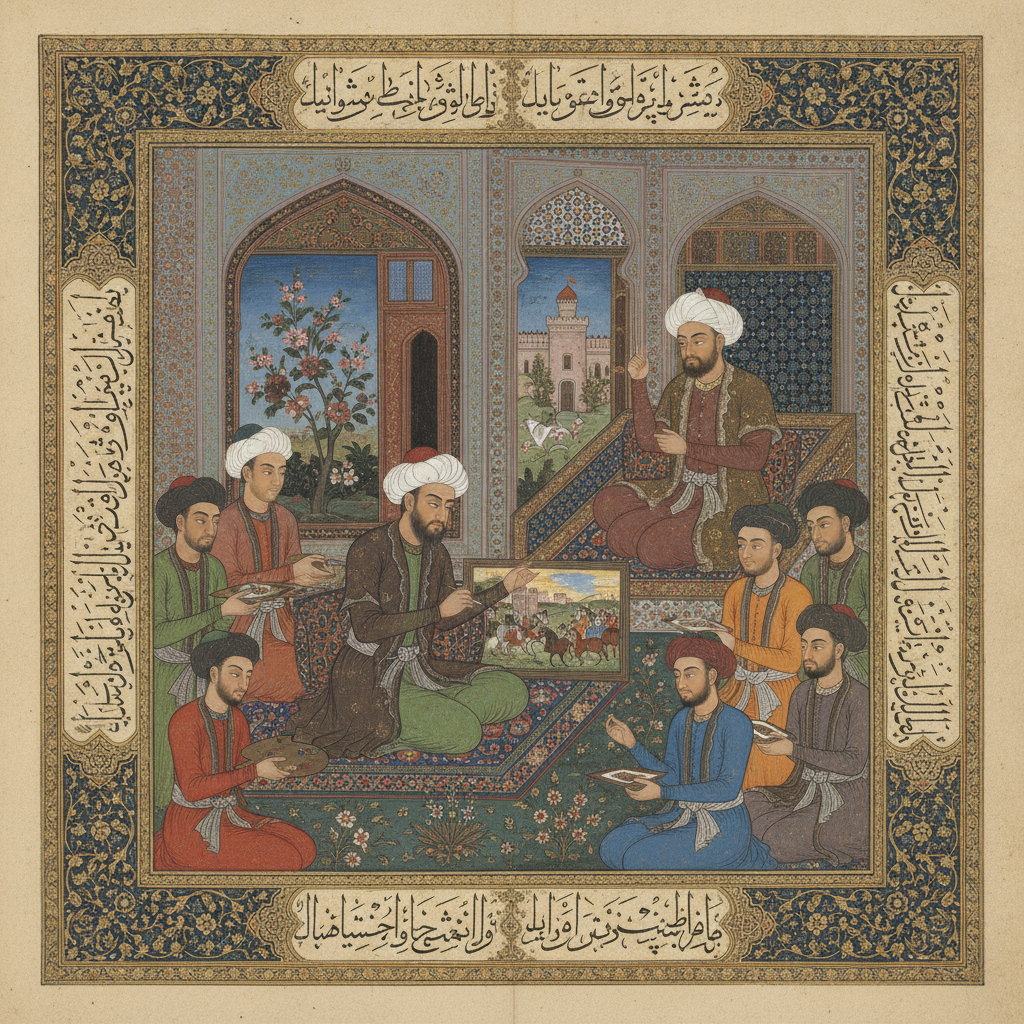
The silk weaving heritage of Herat — the city historically famous for its silk fabrics that were traded along the Silk Road, the ikat-dyed silks and brocades produced by Herati weavers influencing textile production from Istanbul to Delhi, the weaving workshops today continuing a tradition dating to the Timurid period.
- 5
Spice and Dried Fruit Stalls
The spice and dried fruit stalls of the bazaar — the distinctive aromas of cumin, coriander, saffron, and dried rose petals, the mounds of raisins and dried mulberries from the Herat valley's orchards, the spice trade that has been one of the organizing commercial activities of this bazaar since the medieval period.
- 6
Traditional Caravanserai Remains
The remains of traditional caravanserais within the bazaar quarter — the historic stopping places for Silk Road caravans where merchants from China, Persia, India, and Central Asia stored their goods and rested their animals, the buildings now serving as wholesale warehouses but preserving the courtyard structure of the original caravanserai form.
Walk this route with audio
Stories play automatically as you reach each stop — no tapping needed.