Herat Musalla Complex Timurid Minarets
Visit the Musalla Complex — the extraordinary outdoor prayer ground built by Queen Gawhar Shad, wife of the Timurid Sultan Shah Rukh, in the early 15th century, once a complete complex of mosque, madrasa, and mausoleum that represented the peak of Timurid architectural achievement, today reduced to five surviving minarets and Queen Gawhar Shad's own mausoleum.
- 1
Gawhar Shad Mausoleum
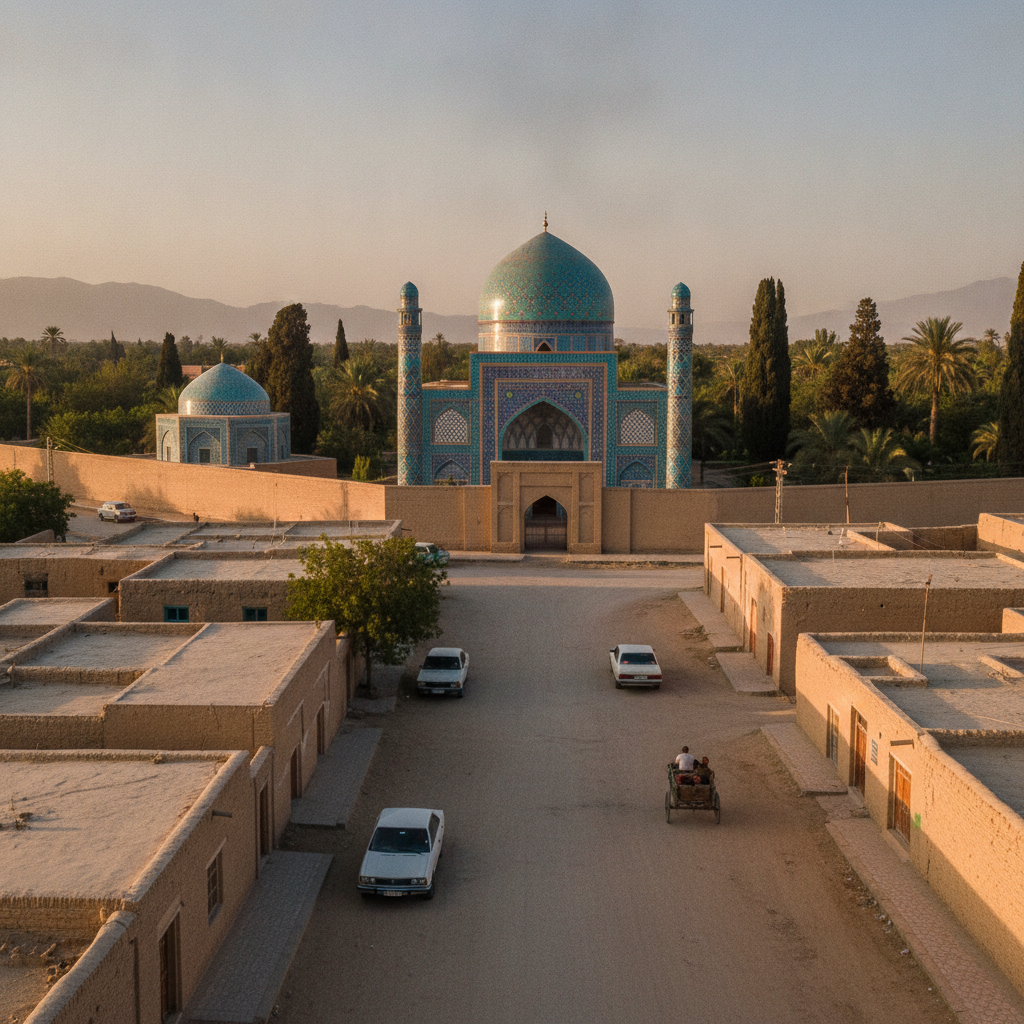
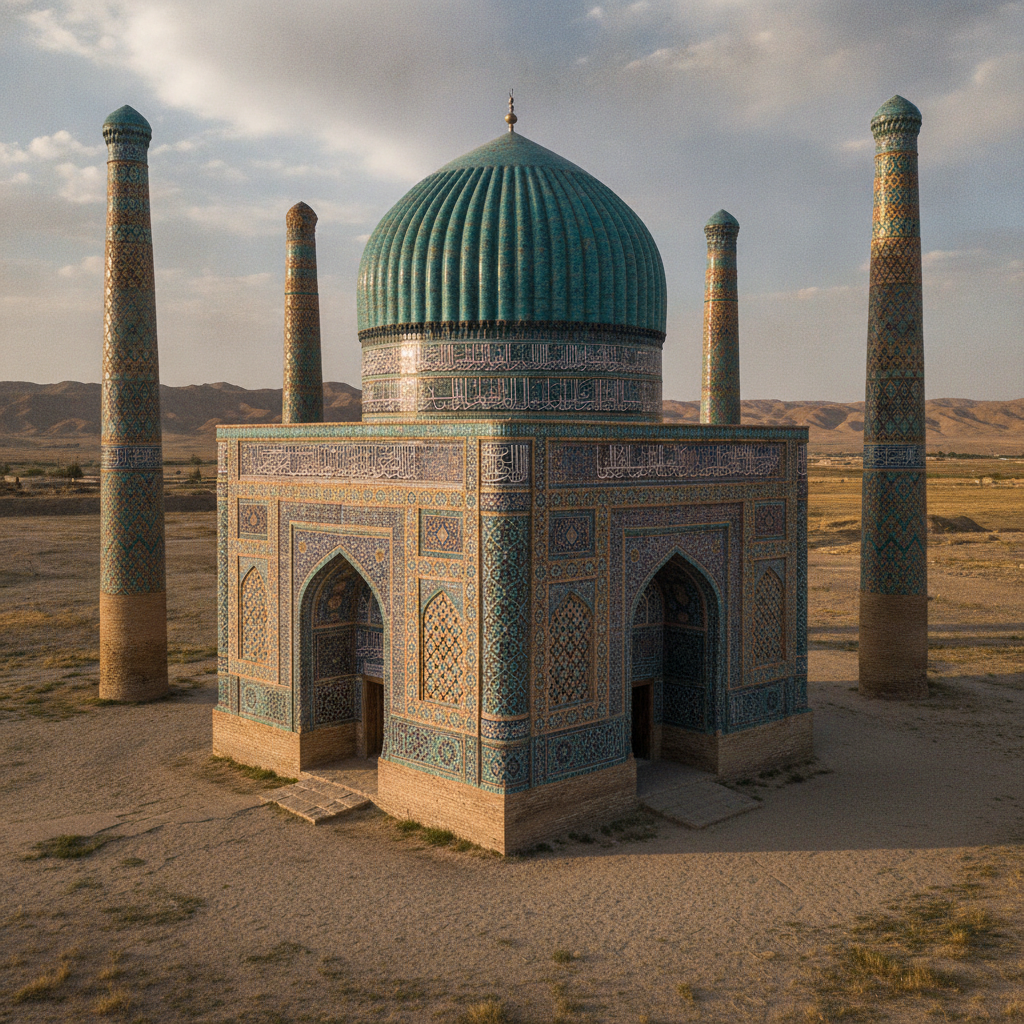
The mausoleum of Queen Gawhar Shad — the tomb of the extraordinary Timurid queen who was the greatest patron of arts and architecture in 15th-century Central Asia, the building with its tilework dome among the finest surviving examples of Timurid funerary architecture, the queen buried here after her execution in 1457.
- 2
Five Surviving Minarets
The five surviving minarets of the Musalla complex — the cylindrical towers decorated in intricate geometric tilework that once flanked the now-destroyed mosque and madrasa, the minarets leaning at various angles after centuries of neglect and the deliberate demolition of the complex by the British army in 1885 to create a clear field of fire.
- 3
Original Complex Scale
Understanding the original scale of the Musalla — the complex that once included the largest mosque in the Timurid world, a madrasa, and multiple mausolea covering an area of several hectares, the British demolition in anticipation of a Russian invasion removing what travelers of the 19th century described as the most beautiful buildings in Central Asia.
- 4
Timurid Tilework Patterns
The tilework on the surviving minarets — the bands of geometric stars, interlaced polygons, and Kufic calligraphy covering the cylindrical surfaces in the distinctive Herati tilework style that influenced mosque decoration from Samarkand to Tabriz, the patterns using a limited palette of blue, turquoise, white, and black to achieve extraordinary visual complexity.
- 5
Husayn Bayqara Court Connection
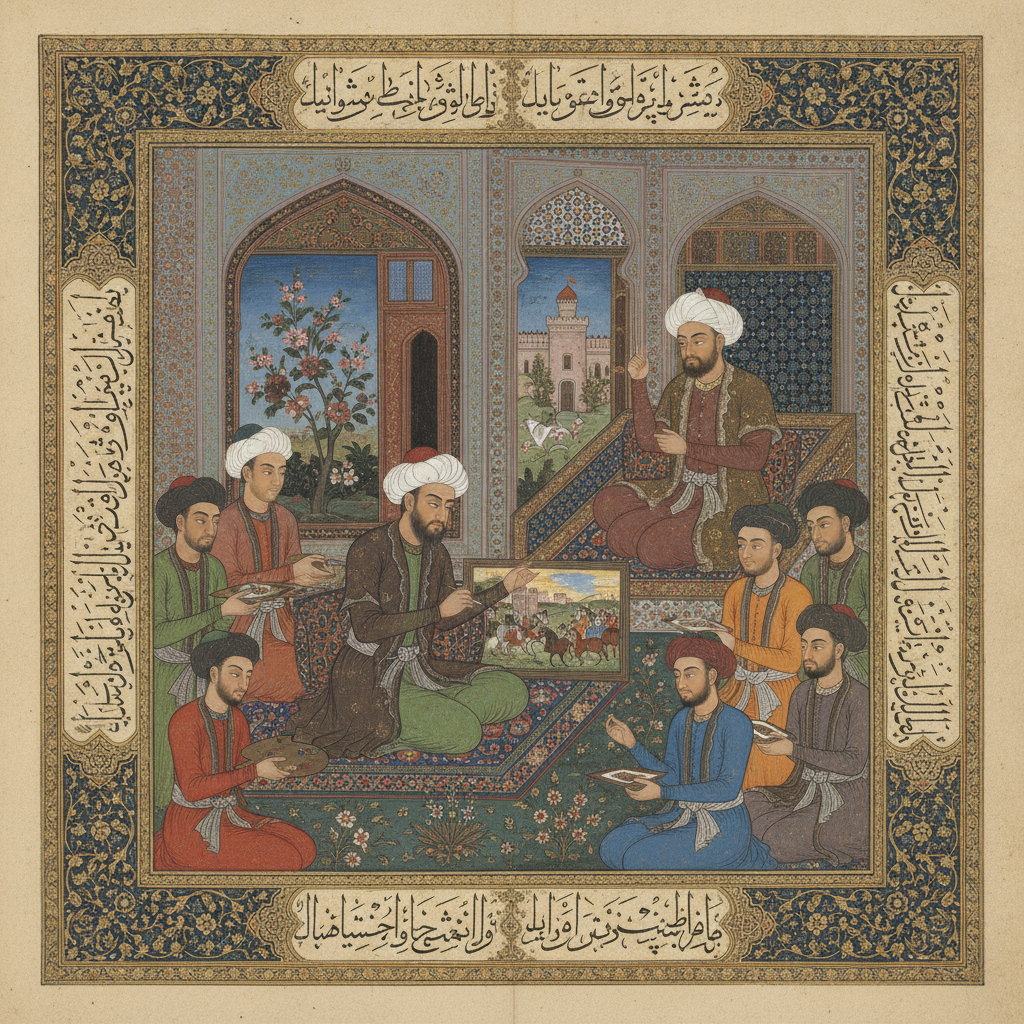
The connection to the court of Sultan Husayn Bayqara — the 15th-century ruler who made Herat the greatest cultural center in the Islamic world, the poet Jami and the artist Bihzad working in this city during a golden age when Herat's influence on Persian literature and miniature painting extended across the entire Islamic world.
- 6
Archaeological Park Setting
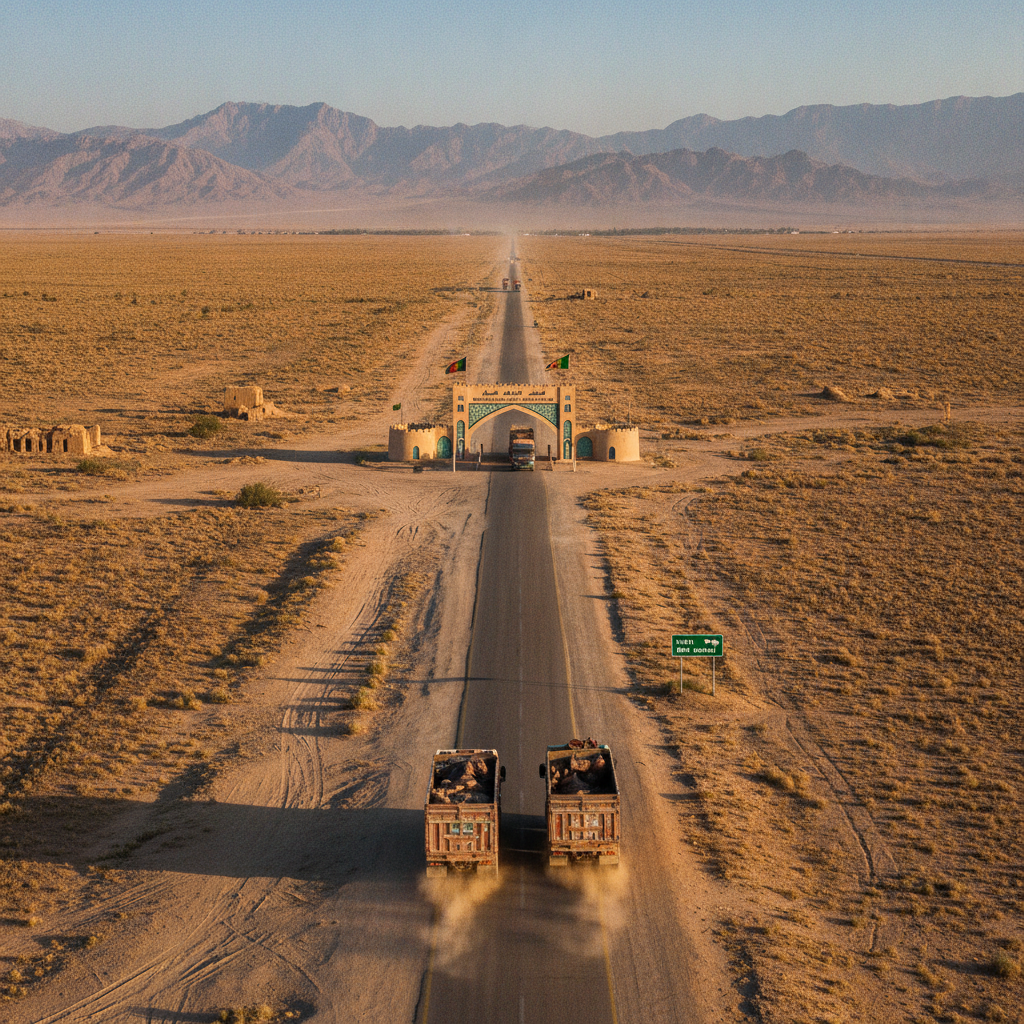
The archaeological park setting of the Musalla complex today — the surviving monuments preserved within a protected area on the edge of the modern city, the contrast between the ancient tilework towers and the surrounding contemporary Herat showing both how much has been lost and how significant the surviving fragments remain.
Walk this route with audio
Stories play automatically as you reach each stop — no tapping needed.