Herat Citadel Qala Ikhtiyaruddin Ancient Fortress
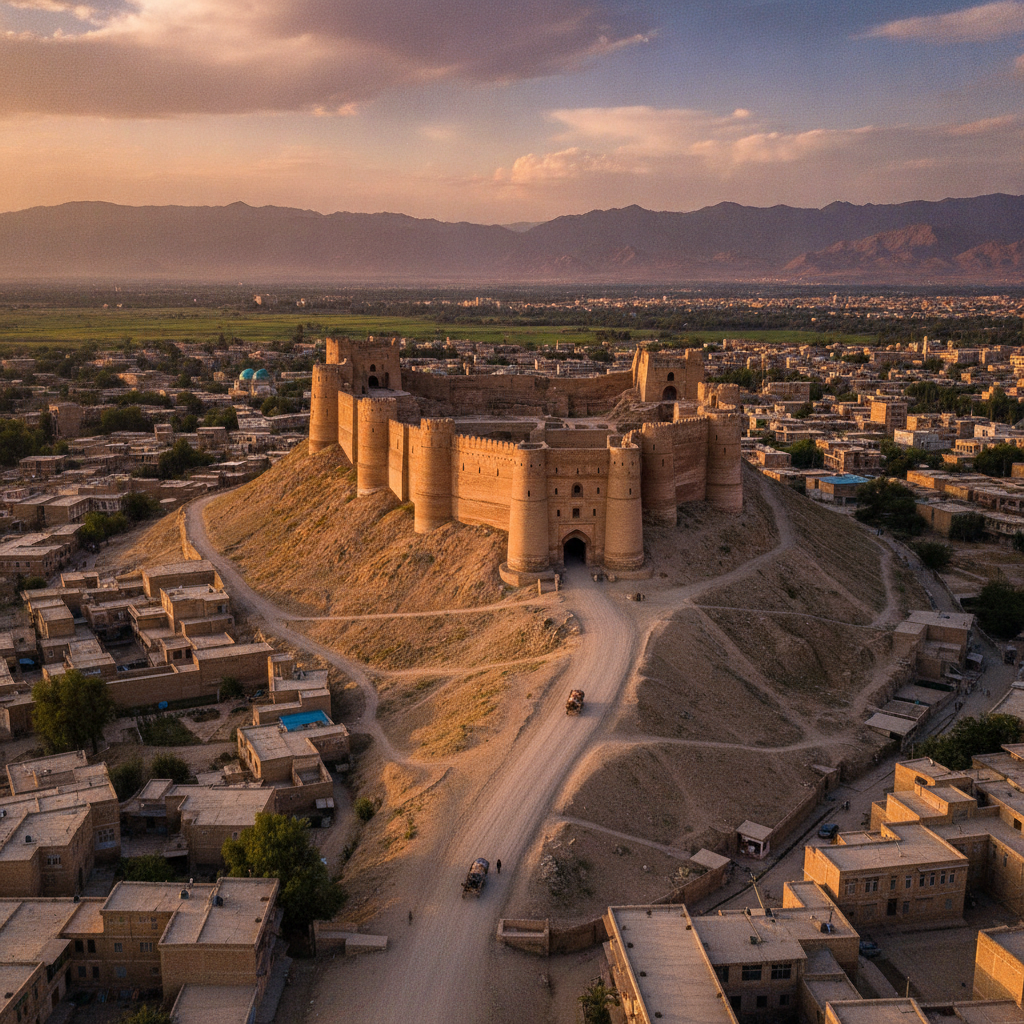
Visit the Citadel of Herat — the ancient fortress known as Qala Ikhtiyaruddin, a fortification that has occupied this strategic hilltop at the center of the city since the time of Alexander the Great, rebuilt by the Timurid dynasty and now standing as the most visible monument of Herat's 2,500 years of continuous urban history.
- 1
Citadel Hill Approach
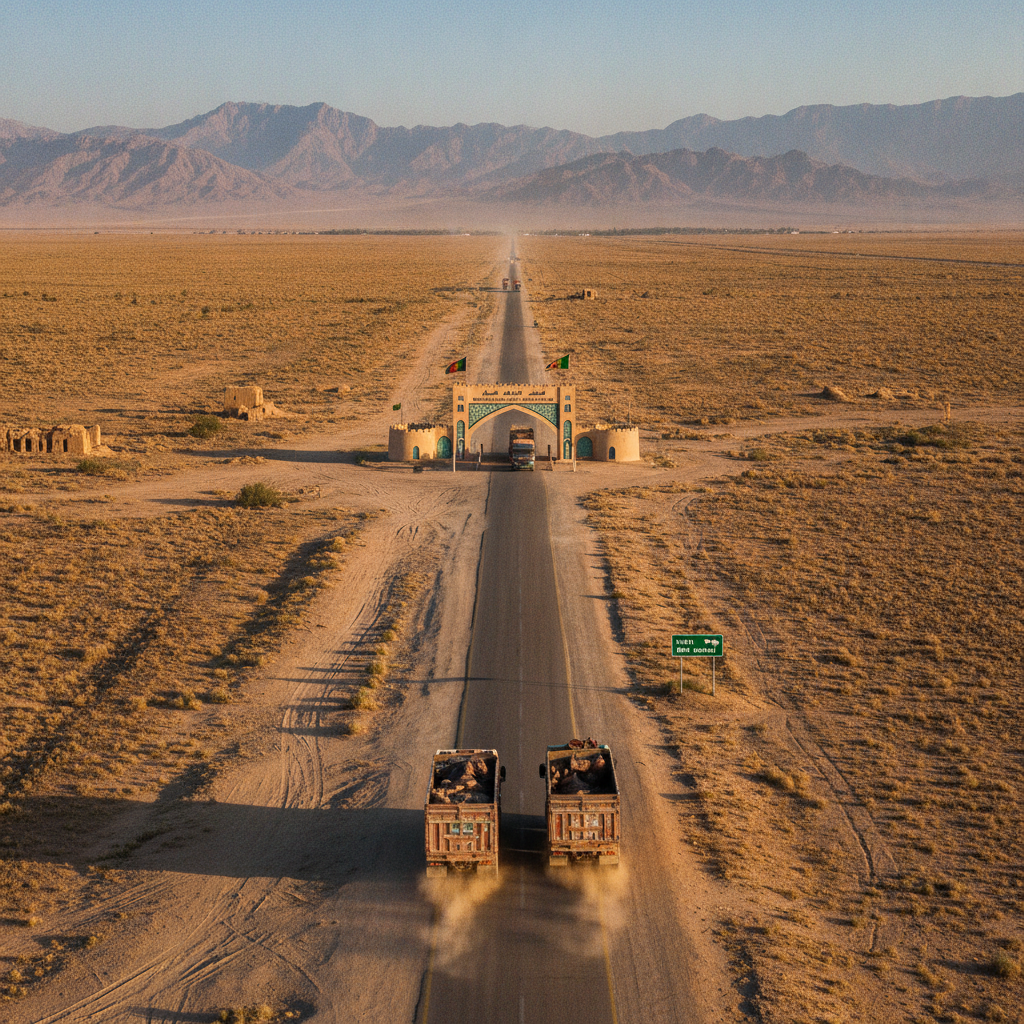
Approach the Citadel of Herat rising on its artificial mound at the center of the old city — the fortress visible from across the Herat valley, the elevated position that made this hilltop the natural defensive core of the city through every civilization from the Achaemenid to the Timurid, the massive mud-brick walls catching the afternoon light.
- 2
Alexander's Foundation Layers
The Hellenistic foundation layers of the citadel — the archaeological evidence of the fortress established by Alexander the Great in 329 BCE as part of his system of garrison cities in Central Asia, the earliest levels buried beneath subsequent centuries of reconstruction but demonstrable in the overall form and position of the structure.
- 3
Timurid Reconstruction Towers
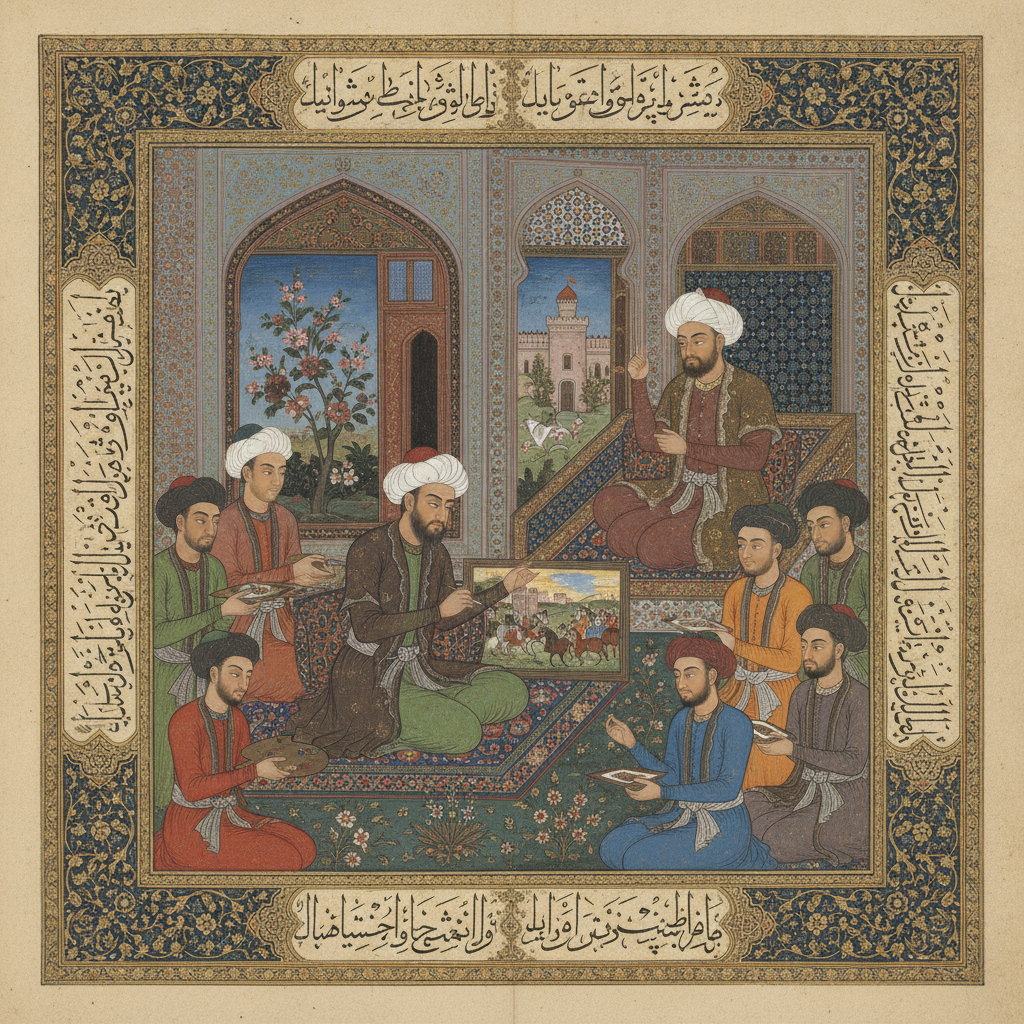
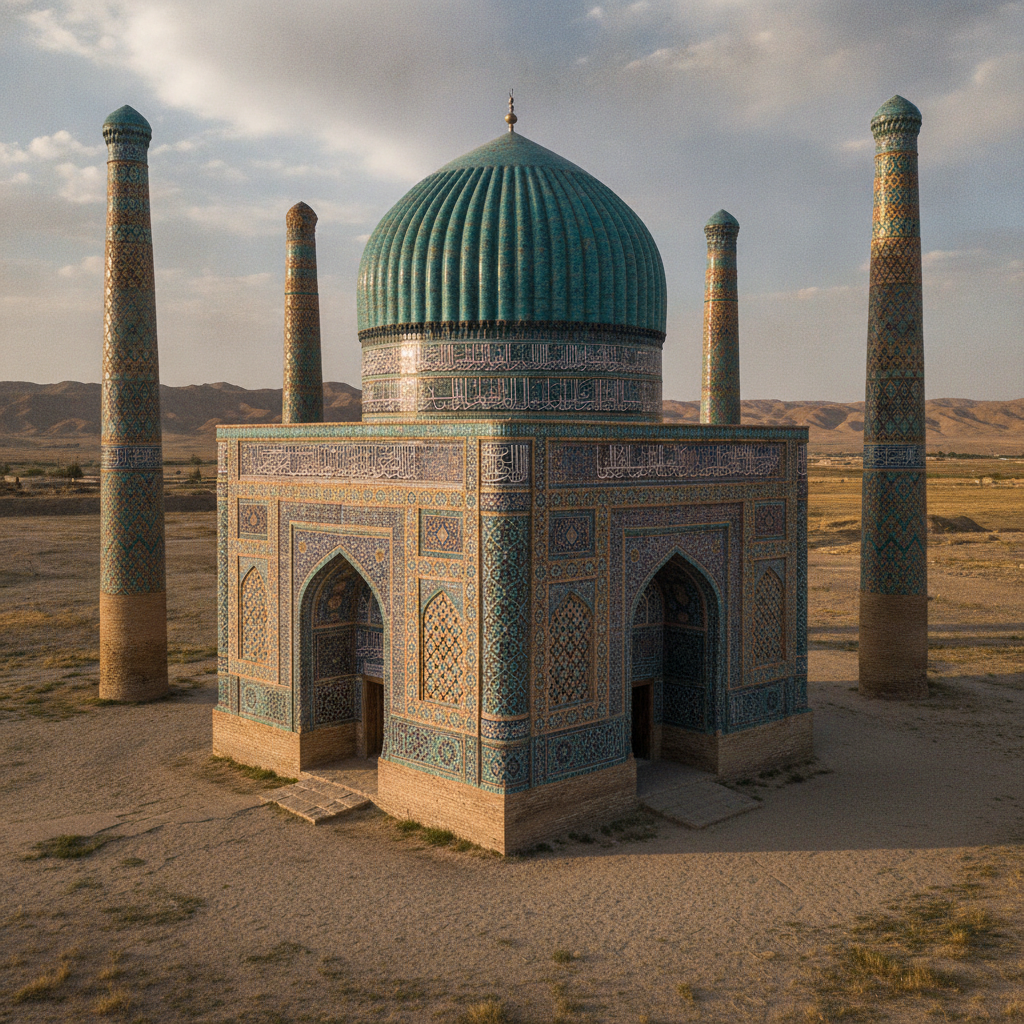
The Timurid-period reconstruction of the citadel — the massive round towers and curtain walls built under Timur's son Shah Rukh in the early 15th century when Herat was the capital of the Timurid Empire, the construction technique of mud-brick and fired-brick combination typical of the Timurid fortification style.
- 4
Museum Inside Citadel Walls
The museum installed within the citadel walls — the collection of artifacts from Herat's archaeological sites displayed in the fortress rooms, the exhibits spanning the Achaemenid, Hellenistic, Kushan, and Timurid periods and telling the story of one of the longest continuously inhabited cities in Asia.
- 5
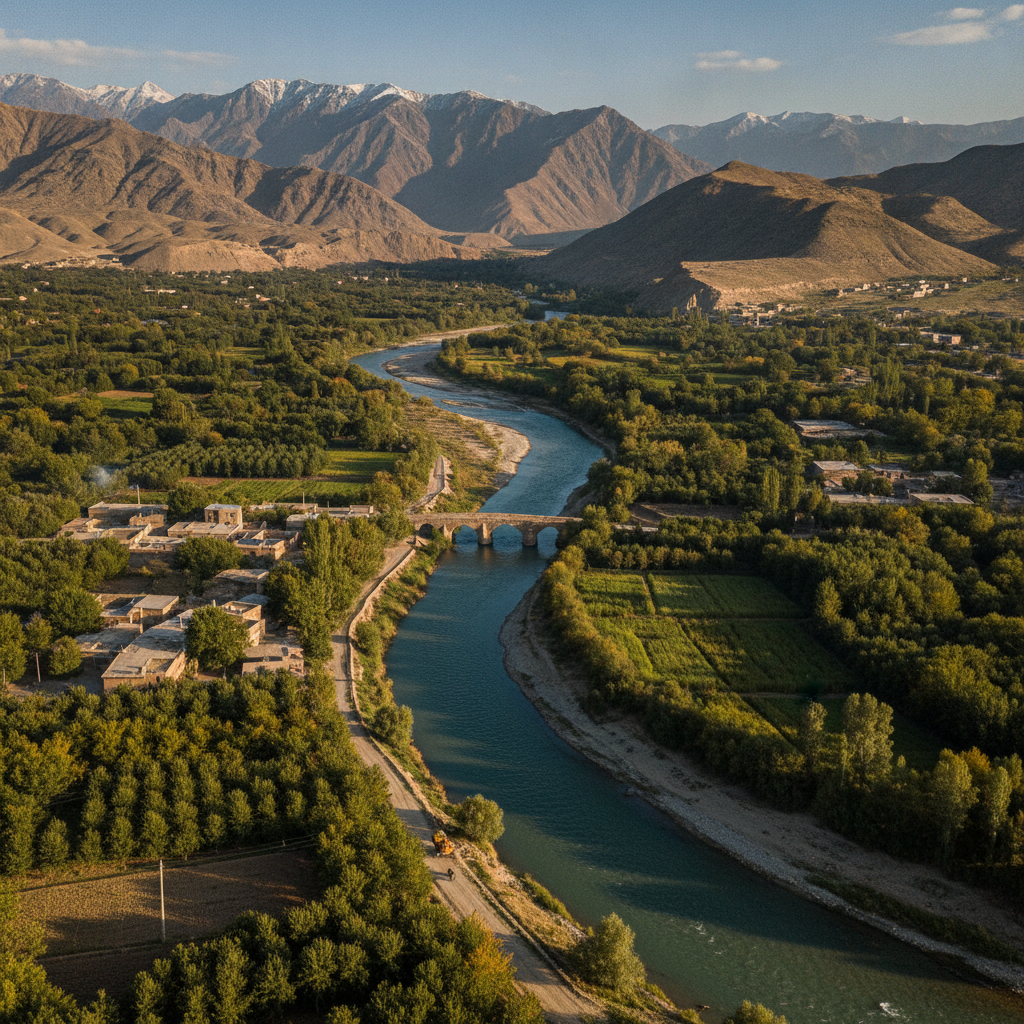
Panorama of Herat Valley
The panorama of the Herat valley from the citadel ramparts — the city spread below in the valley of the Hari Rud river, the green agricultural zone extending to the Paropamisus mountains on the north, the desert beginning immediately south, and the Iranian border visible in the distance, the geography explaining Herat's strategic importance.
- 6
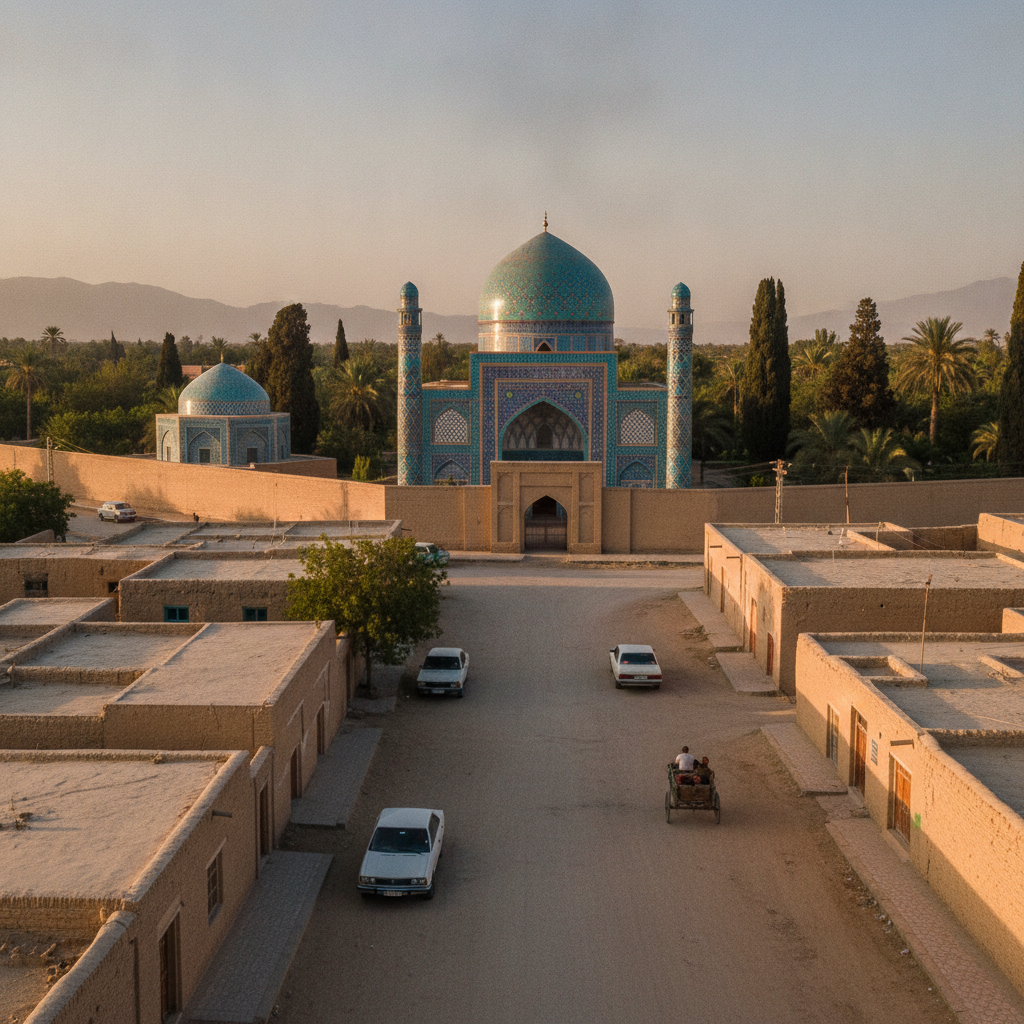
Sunset View Over Minarets
The sunset view from the citadel over the minarets of Herat — the spires of the Friday Mosque and the Timurid mausoleum complexes catching the last light below, the muezzin calls rising from across the city, the ancient fortress witnessing another evening in a city that has been continuously inhabited for longer than almost any other place on earth.
Walk this route with audio
Stories play automatically as you reach each stop — no tapping needed.