 Guatemala
Lake Atitlan
Discover routes, attractions, and guides in Lake Atitlan.
8 routes

Lake Atitlan Day Trips: Chichicastenango, Antigua, and the Pacific Coast
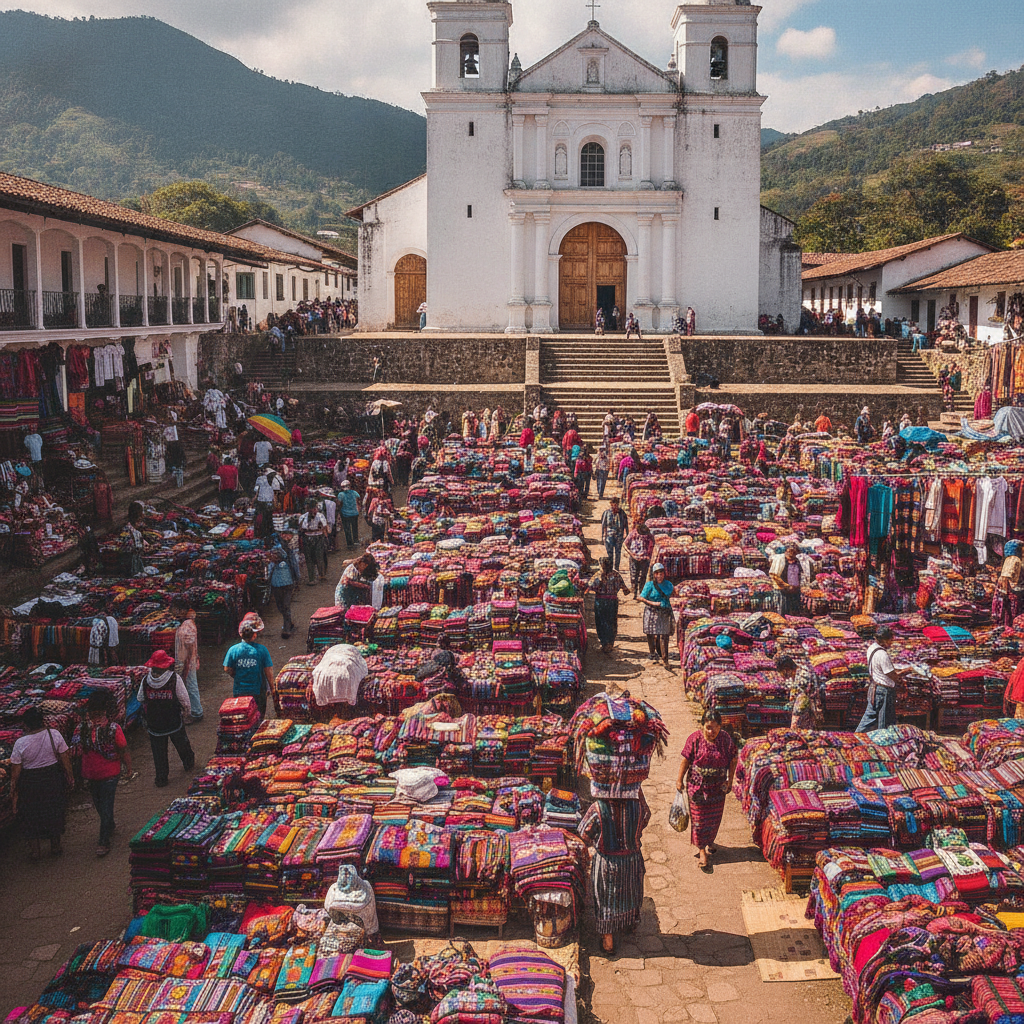
Lake Atitlan sits within comfortable day-trip distance of several of the most important destinations in Guatemala. The twice-weekly market at Chichicastenango, two hours north, is the largest indigenous market in Central America. Antigua Guatemala is a two-hour drive east and can be combined with the lake in a single multi-day itinerary. The Pacific coast beaches of Monterrico and Las Lisas are approximately three hours south, offering a dramatic contrast between cool highland lake and hot Pacific shoreline. This route covers the main excursions from the lake and how to combine them efficiently.

Lake Atitlan Textiles: Maya Weaving Traditions and the Huipil
The twelve villages around Lake Atitlan produce some of the most distinctive handwoven textiles in the Maya world, with each community maintaining identifiable weaving patterns, colors, and techniques that have identified community membership for centuries. The huipil, the traditional woven blouse worn by Maya women, carries encoded information about the weavers community, marital status, and sometimes clan. The backstrap loom technique used around the lake predates the Spanish conquest and produces cloth of extraordinary intricacy. This route examines the textile traditions of the lake communities, the cooperatives that have organized production for the tourism market, and the social meaning of weaving within contemporary Maya culture.

Lake Atitlan Practical Guide: Getting There, Accommodation, and Village Logistics
Lake Atitlan requires some logistical planning that rewards understanding before arrival. There is no direct international airport; all visitors arrive via Guatemala City or Antigua and then travel by road and boat to the lake. The lancha boat system connecting the twelve villages operates on a fixed schedule that determines the practicality of day trips between communities. Accommodation ranges from budget hostels in San Pedro La Laguna to upscale eco-lodges accessible only by boat. This route covers the practical information needed to navigate the lake efficiently and choose the right village base for your travel style.

Lake Atitlan Food and Coffee: Dining Between the Villages
The food culture around Lake Atitlan reflects the intersection of traditional Maya highland cuisine, a thriving expat and backpacker restaurant economy centered on San Pedro La Laguna, and the growing specialty coffee production from the volcanic slopes above the lake. Traditional Kaqchikel and Tz utujil dishes based on corn, black beans, squash, and chiles survive in village comedores and home kitchens. The international restaurant scene in San Pedro and Panajachel offers everything from wood-fired pizza to vegan cooking. The coffee from the slopes of Volcan San Pedro is considered among the finest in Guatemala, with several small-farm roasters now selling directly to visitors.

Lake Atitlan History: Maya Kingdoms, Spanish Conquest, and Civil War
The Lake Atitlan basin has been continuously inhabited for over 2,000 years. Before the Spanish conquest the lake was the center of the Tz utujil Maya kingdom based at Chuitinamit and the Kaqchikel kingdom based at Iximche to the northeast. Pedro de Alvarado conquered the Tz utujil in 1524 after crossing from the Pacific coast. The colonial and independence periods saw the lake communities persist with their traditional agriculture while the surrounding department of Solola became one of the most indigenous regions of Guatemala. The 1970s and 1980s brought the worst violence of the Guatemalan civil war to the lake basin, with massacres in Santiago Atitlan and forced disappearances across the twelve villages.

Lake Atitlan Birdwatching: Endemic Species and Shoreline Habitats
Lake Atitlan and the surrounding highlands support an exceptional concentration of bird species, including several endemic and near-endemic birds found nowhere else. The reed beds along the lakeshore, the forested slopes of the three volcanoes, and the cloud forest fragments above 2,500 meters create a layered set of habitats. The Atitlan grebe, a flightless diving bird specific to this lake, was declared extinct in 1989 following a combination of introduced bass predation and coot hunting pressure on its nesting sites. Today the lake attracts serious birders seeking the highland endemics of the Guatemala highlands alongside a rich waterbird assemblage.

Lake Atitlan: Caldera, Volcanoes, and the Twelve Maya Villages
Lake Atitlan, called by Aldous Huxley the most beautiful lake in the world, occupies a volcanic caldera in the Guatemalan highlands at 1,562 meters altitude. Three active volcanoes, San Pedro, Toliman, and Atitlan, rise directly from the southern shore. The twelve villages surrounding the lake are each identified with one of the twelve apostles and maintain distinct indigenous Maya cultures: Tz utujil on the southern shore, Kaqchikel on the north and east. The lake has no natural outlet and its level fluctuates with rainfall cycles. This route covers the foundational geography, the Maya village cultures, and the natural history of one of the most dramatic highland lakes in the world.

Lake Atitlan Adventure Activities: Kayaking, Volcano Trekking, and Yoga Retreats
Lake Atitlan has developed a diverse adventure and wellness tourism offering built around its extraordinary landscape. The calm morning water before the Xocomil wind arrives makes the lake ideal for kayaking. The three surrounding volcanoes offer trekking routes of varying difficulty, with San Pedro being the most popular day hike and Atitlan requiring overnight camping on the upper slopes. San Marcos La Laguna has become one of the most concentrated yoga retreat centers in Central America. This route covers the full range of active and wellness experiences available at the lake.