Lake Atitlan Adventure Activities: Kayaking, Volcano Trekking, and Yoga Retreats
Lake Atitlan has developed a diverse adventure and wellness tourism offering built around its extraordinary landscape. The calm morning water before the Xocomil wind arrives makes the lake ideal for kayaking. The three surrounding volcanoes offer trekking routes of varying difficulty, with San Pedro being the most popular day hike and Atitlan requiring overnight camping on the upper slopes. San Marcos La Laguna has become one of the most concentrated yoga retreat centers in Central America. This route covers the full range of active and wellness experiences available at the lake.
- 1
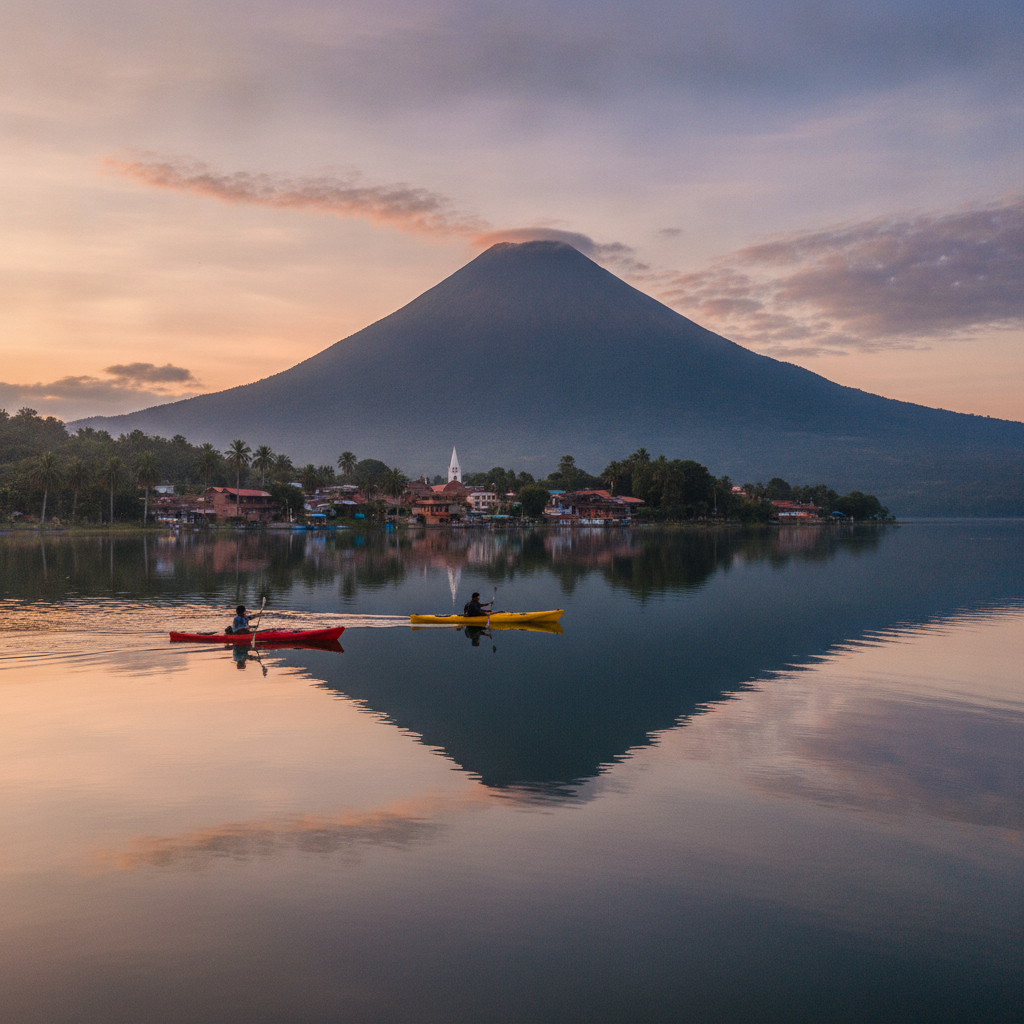
Morning Kayaking: Crossing the Lake Before the Xocomil
Kayaking on Lake Atitlan is most safely done in the early morning before the Xocomil afternoon wind arrives, typically between 6 AM and 11 AM. The glassy morning water allows comfortable crossings between villages; the most popular route is from Panajachel south across the lake to San Pedro or Santiago, a crossing of approximately six to eight kilometers that takes 90 minutes to two hours depending on conditions. Several rental operations in Panajachel and San Pedro offer single and double kayaks. The crossing reveals the caldera geography in a way impossible to appreciate from the shore, with the three volcanoes arrayed around the lake perimeter and the walls of the caldera visible beneath the villages. Independent kayakers should carry a waterproof bag for essentials and be aware that the afternoon wind can strand an inexperienced paddler mid-lake.
- 2
Volcan San Pedro Hike: The Most Accessible Summit
Volcan San Pedro at 3,020 meters is the most commonly hiked of the three lake volcanoes, with a well-established trail starting from San Pedro La Laguna village. The hike to the summit and back takes approximately four to five hours round trip from the village dock and involves significant elevation gain through several distinct vegetation zones: agricultural land and coffee plantations in the lower section, pine-oak forest through the middle slopes, and cloud forest near the summit. The summit offers one of the best panoramic views of the entire lake and the Guatemalan highlands on clear days. Guides are required for the San Pedro summit hike following a period of robberies on the trail in the 2000s; guide services are organized through the village tourist office at the dock.
- 3
Volcan Atitlan and Toliman: The Challenging Double Summit
Volcan Atitlan at 3,537 meters and the adjacent Toliman at 3,158 meters are geologically connected and can be climbed as a challenging combined route that requires overnight camping on the upper slopes. The route begins from Santiago Atitlan on the southern shore and involves two days of hiking with camping between the two summits. The terrain above 3,000 meters is steep and requires a guide familiar with the route; the upper slopes of both volcanoes are cloud-covered most mornings, making clear summit views uncommon. The double summit route is considered one of the more serious trekking challenges in Guatemala and should be attempted only by experienced hikers in good physical condition during the dry season between November and April.
- 4
San Marcos La Laguna: Yoga Retreats and the Wellness Economy
San Marcos La Laguna, accessible only by lancha on the steep-sided western shore, has developed since the 1990s into the most concentrated yoga and wellness retreat destination in Central America. A combination of dramatic lakeshore setting, relative isolation from road traffic, and a series of early retreat center establishments created a critical mass that has attracted dozens of yoga schools, meditation centers, and holistic health practitioners. The village has a population split between traditional Kaqchikel Maya residents and a transient international wellness community. La Paz yoga retreat center, with direct lake access and accommodation ranging from dormitories to private rooms, is among the longest-established. Retreat packages range from week-long programs to month-long teacher training courses.
- 5
Swimming and Open Water at the Lake: Safety and Conditions
Lake Atitlan is swimmable in the morning hours before the afternoon wind creates choppy conditions, and several villages offer designated swimming areas. The water temperature at altitude stays cool year-round, hovering around 18 to 20 degrees Celsius, which is refreshing rather than warm. The lake suffered from cyanobacteria blooms in 2009 triggered by sewage inputs from lakeshore communities and agricultural runoff, which temporarily closed swimming; water quality has improved following the installation of sewage treatment infrastructure in several villages but remains variable. The clearest water and best swimming conditions are typically found away from village docks and agricultural land; Santa Cruz La Laguna and San Marcos La Laguna have relatively clean swimming access near the village lanchas.
- 6
Paragliding and the Air Above the Caldera
The geography of Lake Atitlan, a deep caldera surrounded by rising volcanic peaks, creates thermal conditions that support paragliding from launch sites on the caldera rim. The primary launch site is above Panajachel on the rim of the caldera at approximately 2,200 meters, where afternoon thermals generated by the heating Xocomil-channeling terrain allow extended soaring flights over the lake surface. Tandem flights with certified instructors are available from several operators, providing a 20 to 40 minute aerial perspective on the caldera that is otherwise impossible to appreciate. The flight path typically crosses over Panajachel, soars over the lake, and lands on the beach near the dock. The paragliding season aligns with the dry season when thermals are strongest and more predictable, typically from November through April.
Walk this route with audio
Stories play automatically as you reach each stop — no tapping needed.
More in Lake Atitlan
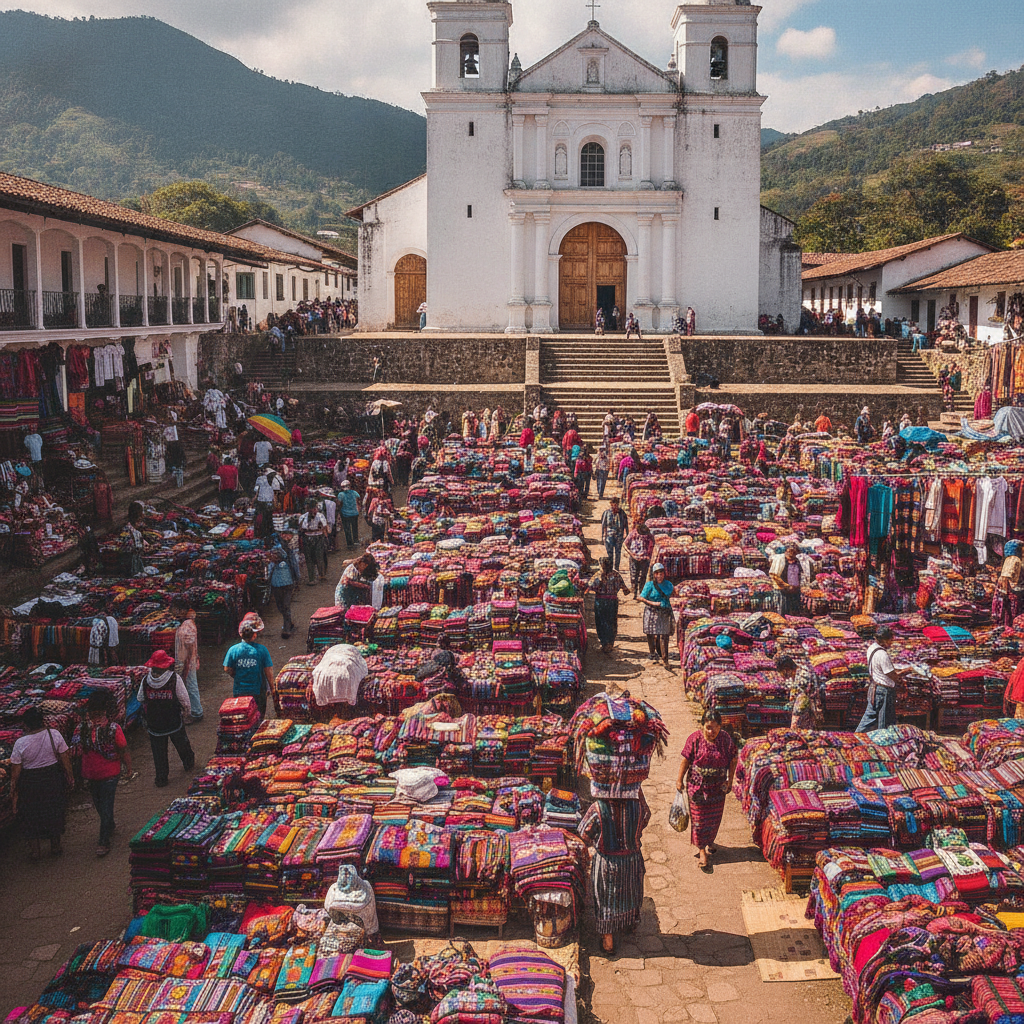
Lake Atitlan Day Trips: Chichicastenango, Antigua, and the Pacific Coast
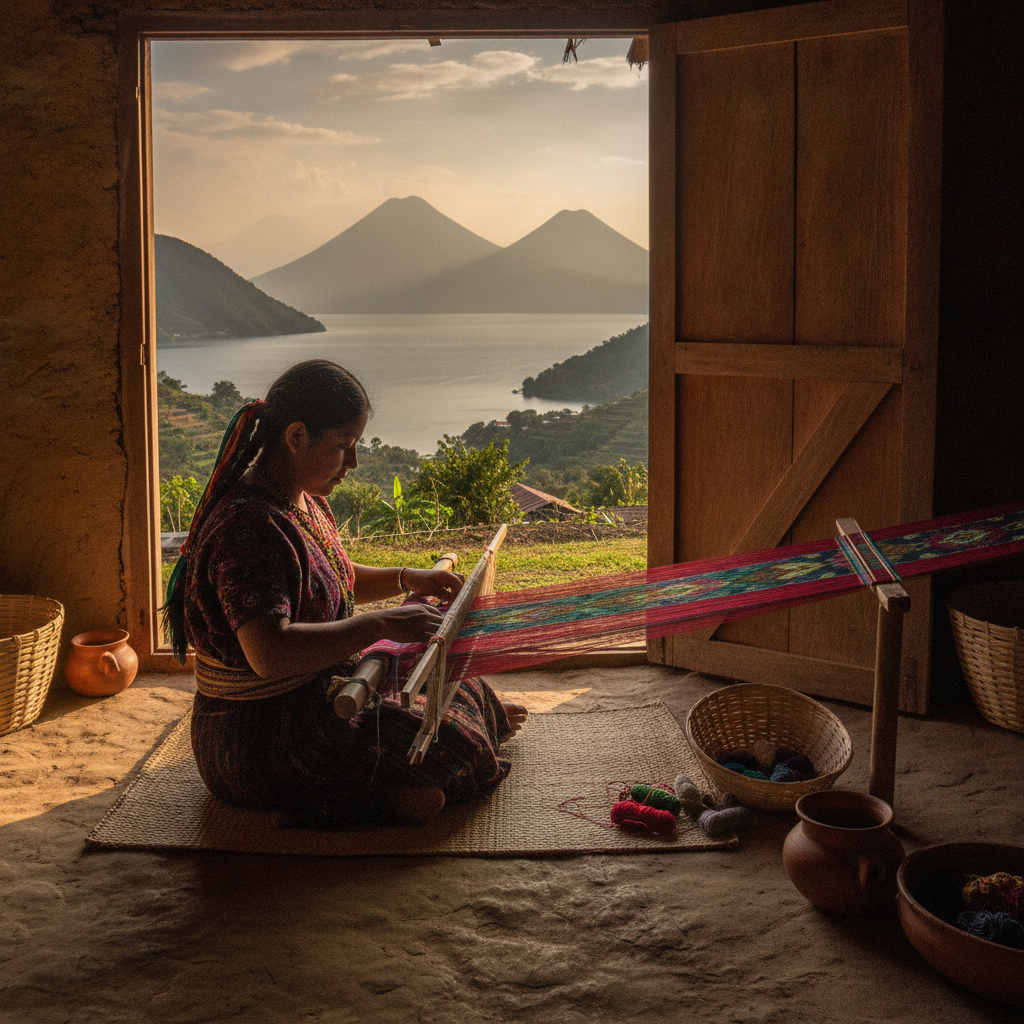
Lake Atitlan Textiles: Maya Weaving Traditions and the Huipil
Lake Atitlan Practical Guide: Getting There, Accommodation, and Village Logistics
Lake Atitlan Food and Coffee: Dining Between the Villages
Lake Atitlan History: Maya Kingdoms, Spanish Conquest, and Civil War