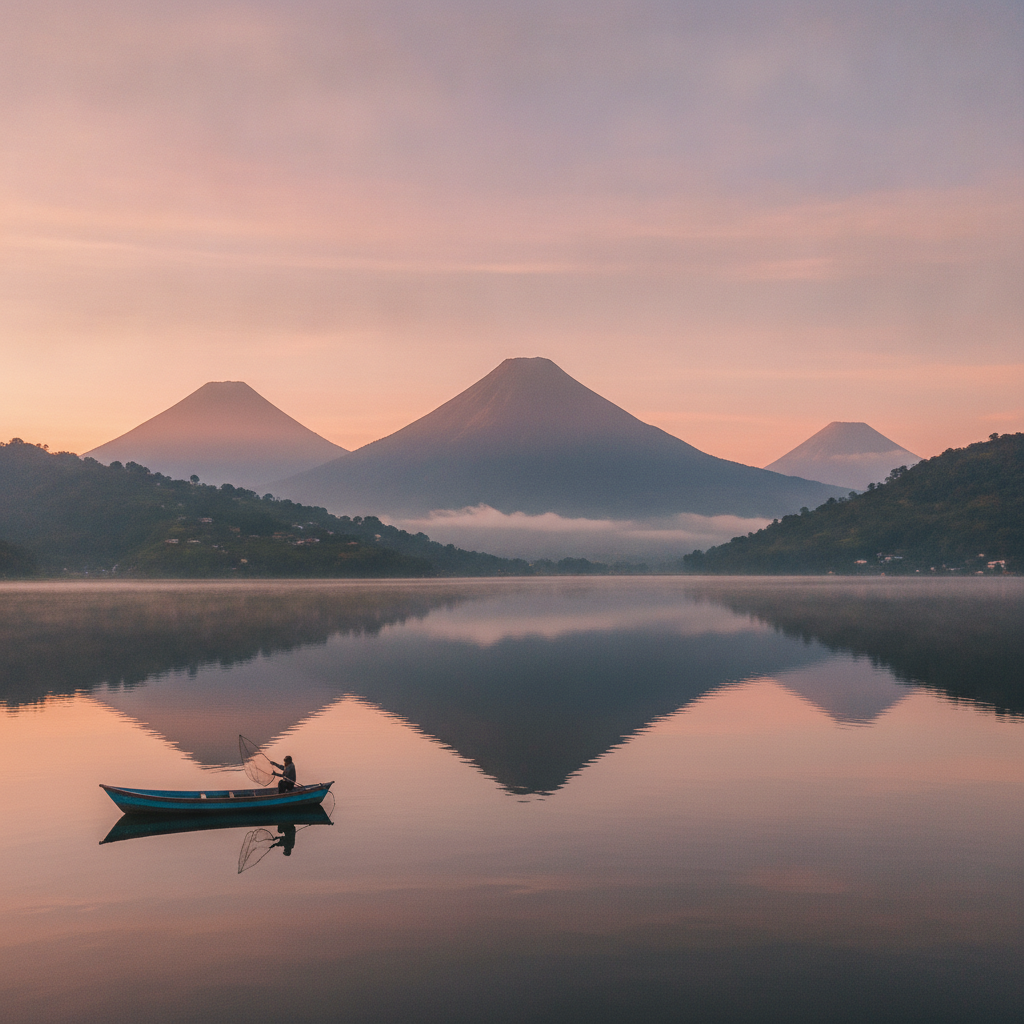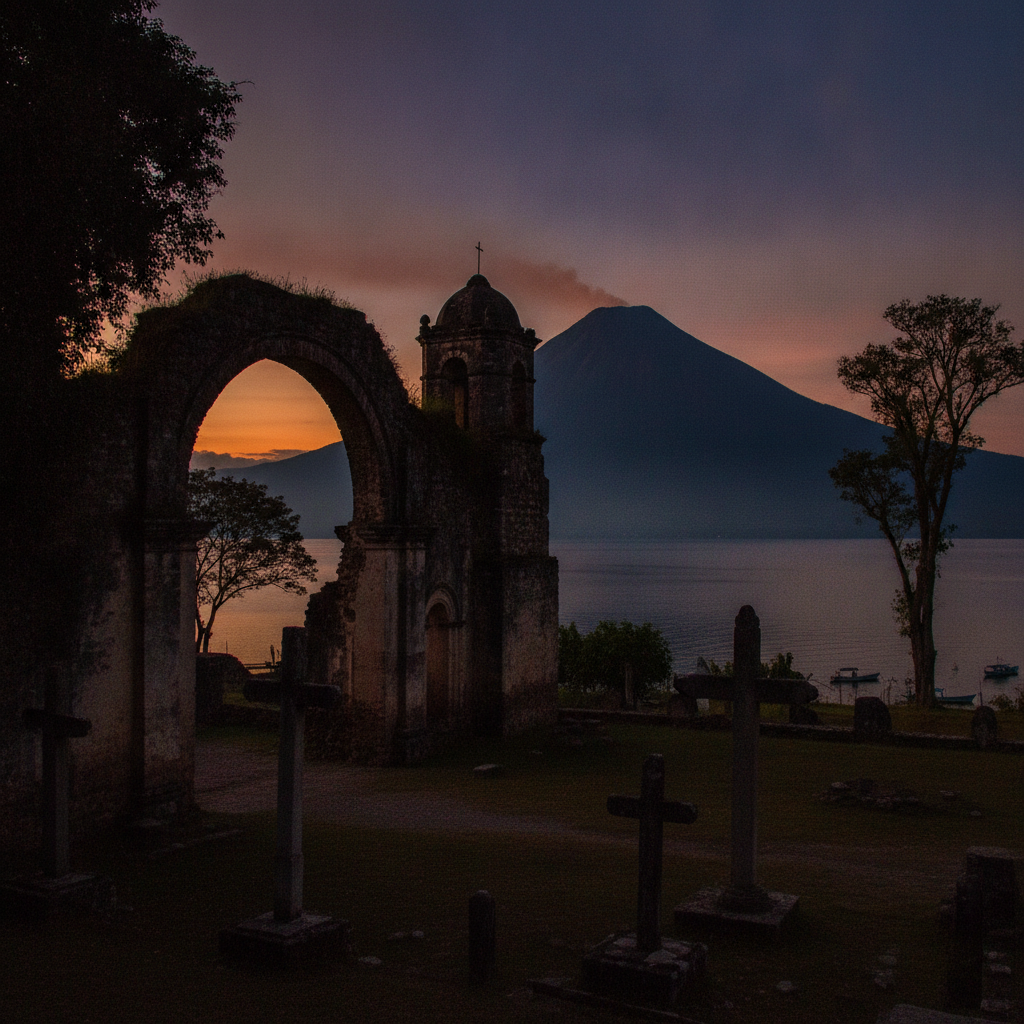
Lake Atitlan History: Maya Kingdoms, Spanish Conquest, and Civil War
The Lake Atitlan basin has been continuously inhabited for over 2,000 years. Before the Spanish conquest the lake was the center of the Tz utujil Maya kingdom based at Chuitinamit and the Kaqchikel kingdom based at Iximche to the northeast. Pedro de Alvarado conquered the Tz utujil in 1524 after crossing from the Pacific coast. The colonial and independence periods saw the lake communities persist with their traditional agriculture while the surrounding department of Solola became one of the most indigenous regions of Guatemala. The 1970s and 1980s brought the worst violence of the Guatemalan civil war to the lake basin, with massacres in Santiago Atitlan and forced disappearances across the twelve villages.
- 1
Pre-Columbian Kingdoms: Tz utujil at Chuitinamit and Kaqchikel at Iximche
At the time of the Spanish conquest, Lake Atitlan was surrounded by two competing Maya kingdoms. The Tz utujil, speakers of a language related to Kiche, controlled the southern and western shores from their hilltop capital of Chuitinamit above Santiago Atitlan. The Kaqchikel controlled the northern and eastern shores and the highlands east of the lake from their capital at Iximche near present-day Tecpan. The two groups were in conflict at the time of the conquest, and the Kaqchikel initially allied with the Spanish against both the Kiche of Quetzaltenango and the Tz utujil. Archaeological sites at Chuitinamit remain partially unexcavated on the promontory south of Santiago Atitlan and are accessible by lancha and a short hike.
- 2
Pedro de Alvarado and the 1524 Conquest of the Southern Shore
Pedro de Alvarado, having defeated the Kiche at Quetzaltenango in early 1524, crossed the lake in canoes and defeated the Tz utujil at Chuitinamit in April 1524. The conquest of the lake communities was rapid because of epidemic disease that had preceded the Spanish forces, with smallpox having devastated indigenous populations across the Maya highlands. The Kaqchikel alliance with the Spanish broke down in 1524 when Alvarado demanded tribute payments the Kaqchikel considered excessive; they abandoned Iximche and waged guerrilla warfare for several years before final submission. The Dominican and Franciscan religious orders established mission churches in each of the twelve lake communities beginning in the 1540s, imposing the apostle naming convention still used today.
- 3
The 1976 Earthquake: Devastation and International Aid
The February 1976 earthquake, measuring 7.5 on the Richter scale, caused catastrophic damage across the Guatemalan highlands, killing 23,000 people nationally and leaving one million homeless. The lake communities suffered severe structural damage; the earthquakes that followed the main shock destroyed many of the colonial-era church buildings that had survived the conquest. The destruction brought large numbers of international aid workers and development organizations to the lake region, which paradoxically accelerated the connections between isolated indigenous communities and the outside world even as it created lasting trauma. The earthquake also coincided with the beginning of the period of intensified political violence in the department of Solola.
- 4
The Civil War Years: Violence and Resistance at Santiago Atitlan
The Guatemalan civil war, which lasted from 1960 to 1996, reached its most intense phase of violence in the indigenous highlands between 1981 and 1983 under the military government of Efrain Rios Montt. The lake communities, particularly Santiago Atitlan, were targeted because of suspected support for the guerrilla organizations operating in the highlands. The military established a garrison inside Santiago Atitlan, leading to systematic kidnapping and killings of community members. In December 1990, soldiers fired into a crowd of 3,000 civilians who had marched peacefully to demand the garrison removal, killing 12 people. The international outcry was so significant that the government withdrew the garrison, making Santiago Atitlan the only Guatemalan community to successfully expel the army during the conflict.
- 5
Post-War Recovery and Tourism Development in the 1990s
The signing of the peace accords in December 1996 ended the civil war and opened the lake region to increased tourism development. The backpacker economy that developed in San Pedro La Laguna through the late 1990s and 2000s brought significant income but also cultural friction, as international visitors with very different social norms settled alongside traditionally conservative Maya communities. The remittance economy also grew as lake community members migrated to the United States, with dollars flowing back to transform village housing and consumption patterns. The tension between traditional Maya identity, the effects of the civil war, and the economic opportunities and cultural pressures of international tourism continues to define social dynamics around the lake.
- 6
Maximon Cult Origins: Syncretism Between Maya Religion and Catholicism
The Maximon figure found in Santiago Atitlan represents one of the most vivid examples of Maya-Catholic religious syncretism in Guatemala. Maximon is believed to incorporate elements of the Maya deity Mam, associated with the earth and rain, combined with colonial-era associations with Judas Iscariot and the Spanish colonial authority figure. The effigy is dressed in Western clothing including a hat and necktie, accepts offerings of cigarettes and alcohol, and is associated with requests for practical worldly benefits rather than spiritual salvation. The Maximon cult is maintained by the Cofradias, a system of religious brotherhoods that survived the colonial period by incorporating Catholic feast day observances while preserving pre-Christian ritual responsibilities. Photographing Maximon requires a small fee paid to the Cofradia.
Walk this route with audio
Stories play automatically as you reach each stop — no tapping needed.
More in Lake Atitlan
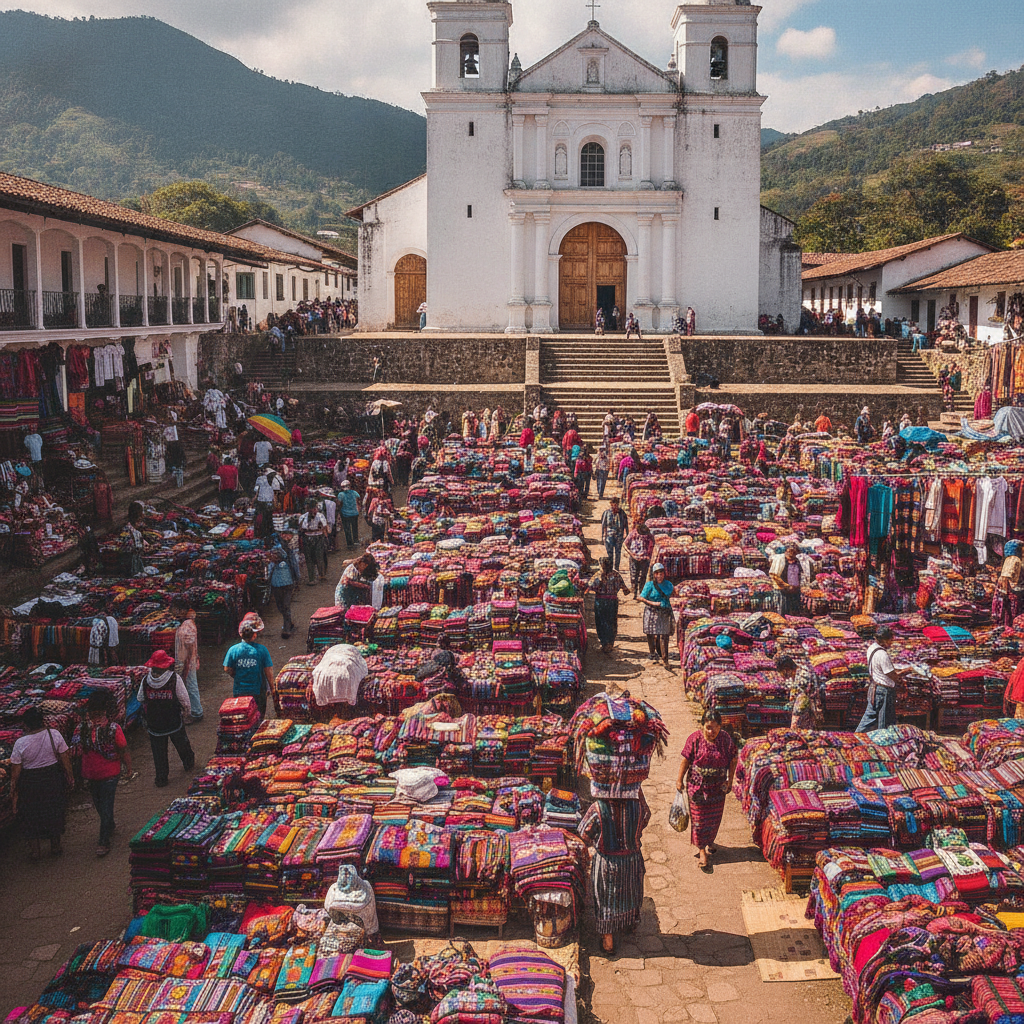
Lake Atitlan Day Trips: Chichicastenango, Antigua, and the Pacific Coast
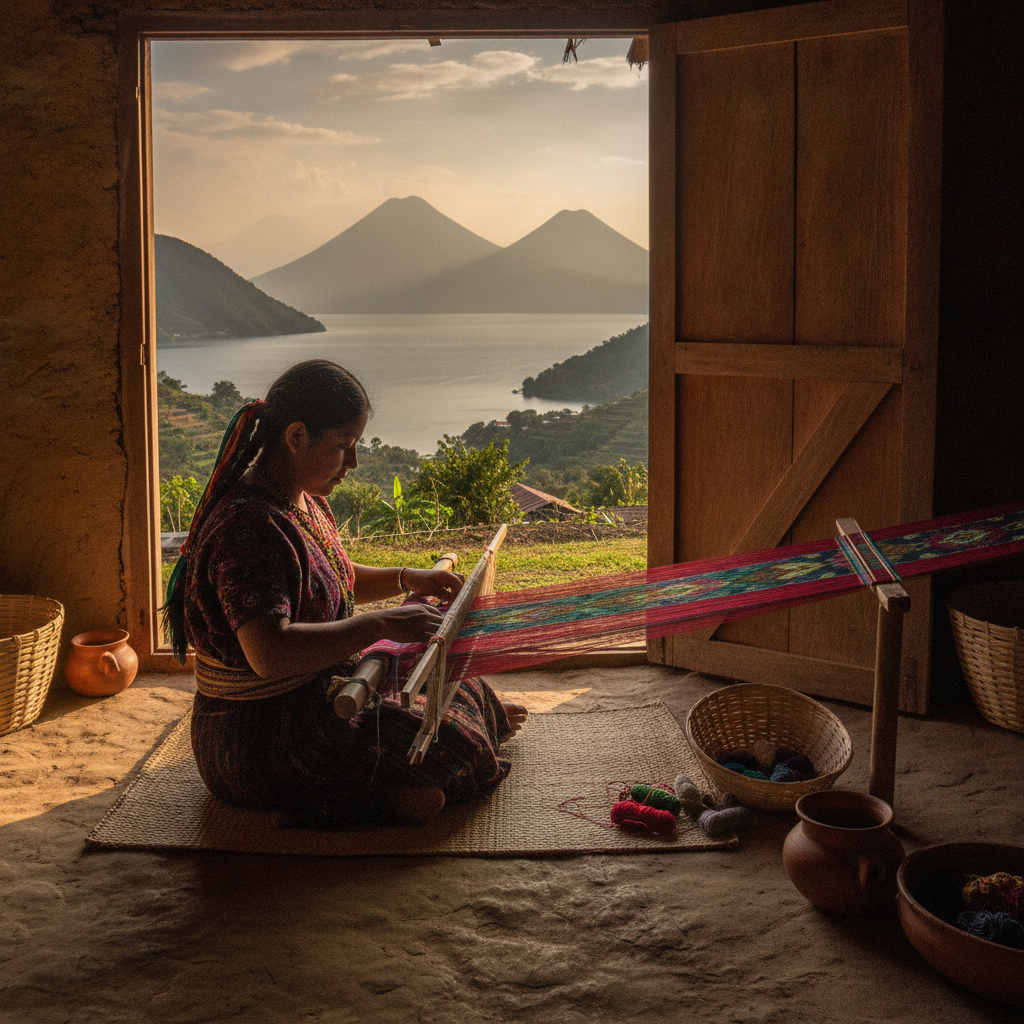
Lake Atitlan Textiles: Maya Weaving Traditions and the Huipil
Lake Atitlan Practical Guide: Getting There, Accommodation, and Village Logistics
Lake Atitlan Food and Coffee: Dining Between the Villages
Lake Atitlan Birdwatching: Endemic Species and Shoreline Habitats