

Puno to Bolivia: The Titicaca Border Crossing
Puno sits at the gateway between Peru and Bolivia — the Lake Titicaca crossing via Copacabana or the overland crossing at Yunguyo connects the two countries; the journey across the altiplano and around the lake is one of South America's great overland travel experiences

Puno: Capital of Peruvian Folklore
Puno — declared the 'Folklore Capital of Peru' — hosts the Candelaria Festival every February, when more than 40,000 dancers and musicians perform in one of the world's largest folk festivals; the city's folklore tradition blends Andean, colonial, and contemporary elements into a living cultural expression
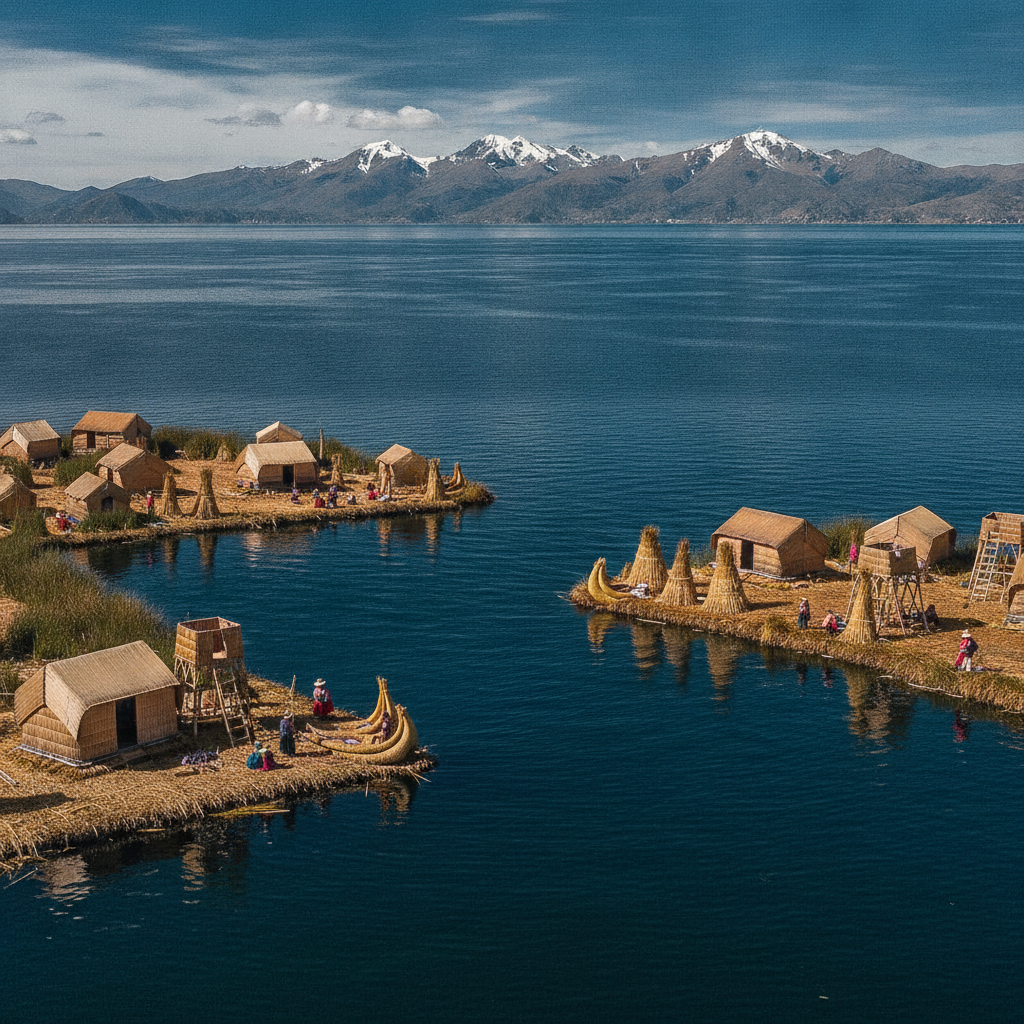
Lake Titicaca: The Sacred Lake of the Andes
Lake Titicaca — at 3,812m above sea level, the world's highest navigable lake — straddles the Peru-Bolivia border near Puno; the lake's extraordinary blue colour, the floating reed islands of the Uros, and the island of Taquile with its living weaving tradition make it one of the most remarkable destinations in South America
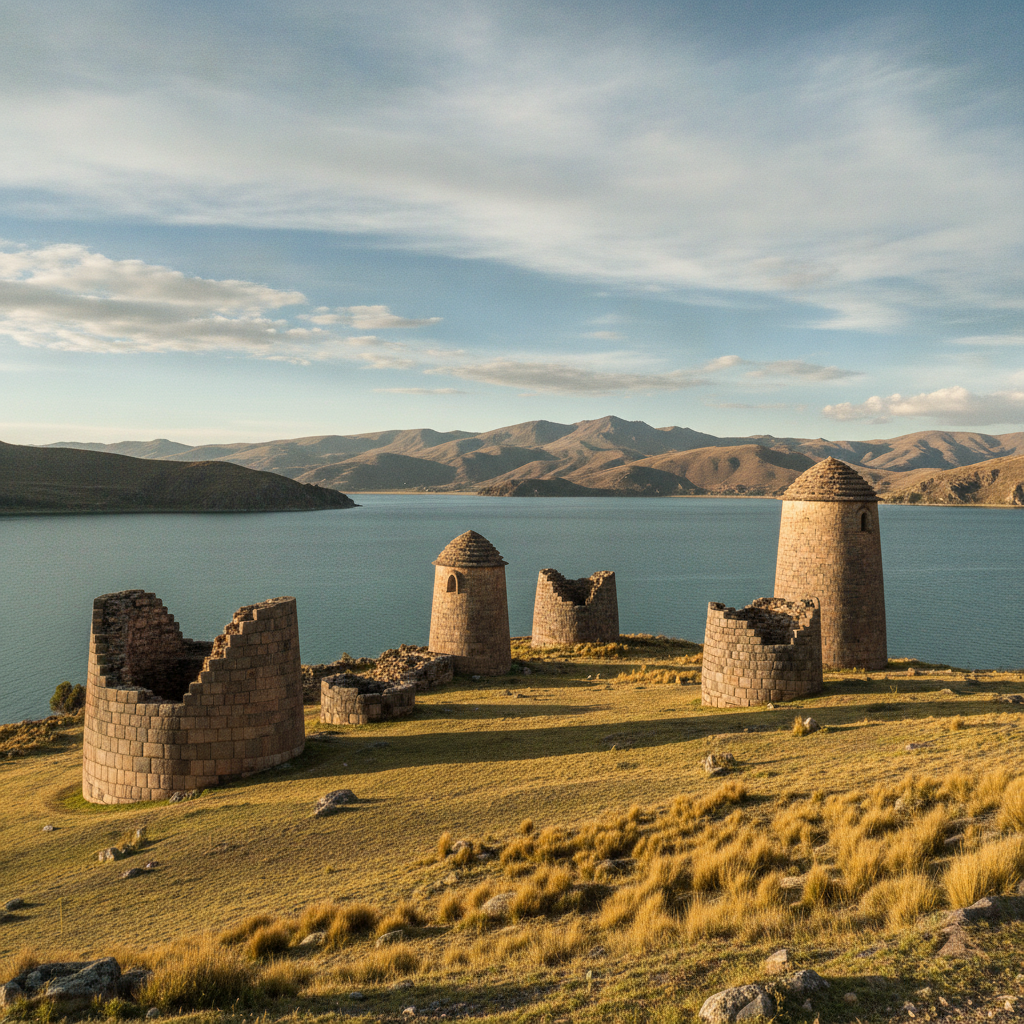
Sillustani: Pre-Inca Towers of the Dead
Sillustani — a peninsula jutting into the Lake Umayo above the Titicaca basin — has the most impressive concentration of chullpas (pre-Inca funerary towers) in the Andes; the cylindrical towers, built by the Colla culture before the Inca conquest, held the mummified remains of the nobility
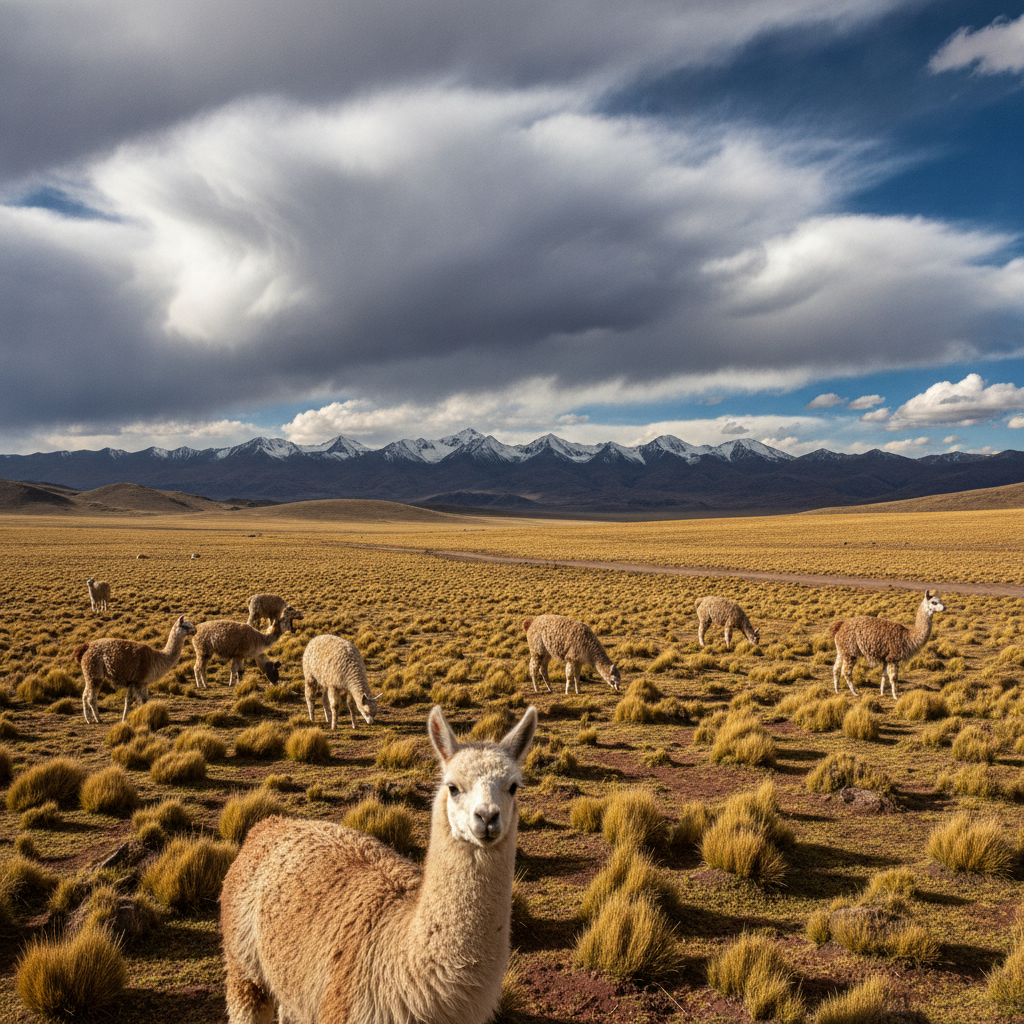
The Altiplano: The High Plain of the Andes
The altiplano — the high plateau surrounding Lake Titicaca at 3,800–4,500m — is one of the world's most extreme inhabited environments; the vast treeless grassland (puna), the intense light, the alpaca and llama herds, and the distance of the horizons create a landscape of singular grandeur
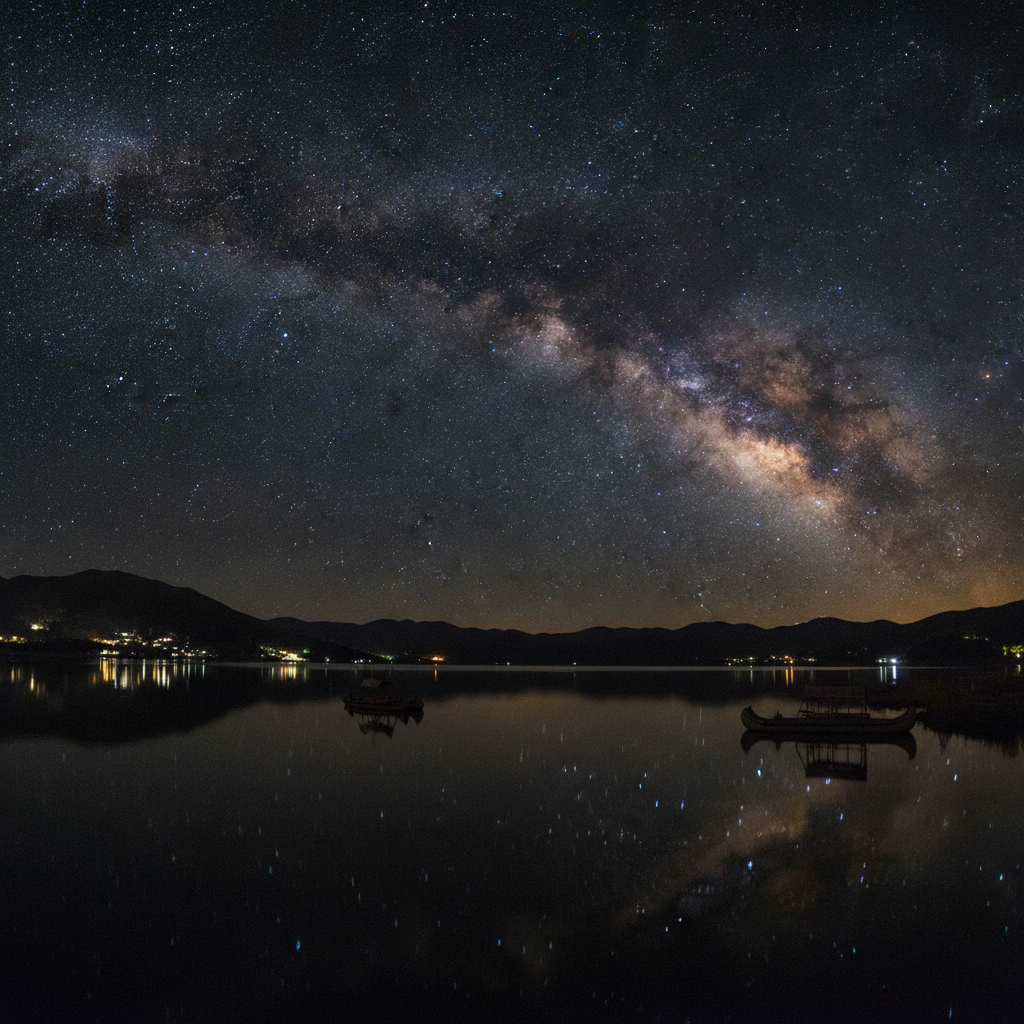
Puno Night Sky: Stars Over Titicaca
Puno's altitude (3,827m), its distance from major light pollution, and the dry altiplano air create exceptional conditions for stargazing; the Milky Way over Lake Titicaca is one of the most spectacular night sky experiences in South America
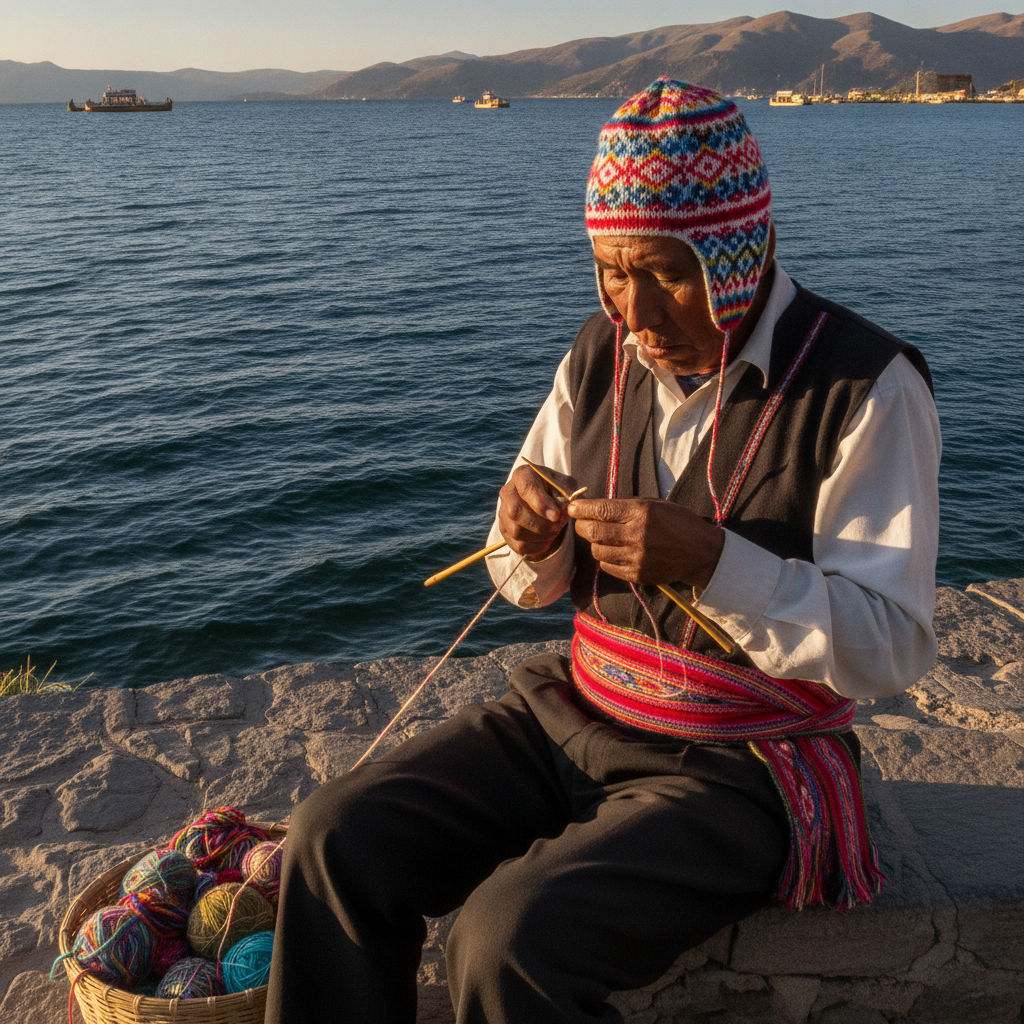
Taquile Island: Men Who Knit
Taquile Island on Lake Titicaca is celebrated for an extraordinary reversal of textile gender roles — the island's men do all the knitting; the complex symbolism encoded in Taquile's textiles was declared UNESCO Intangible Cultural Heritage of Humanity
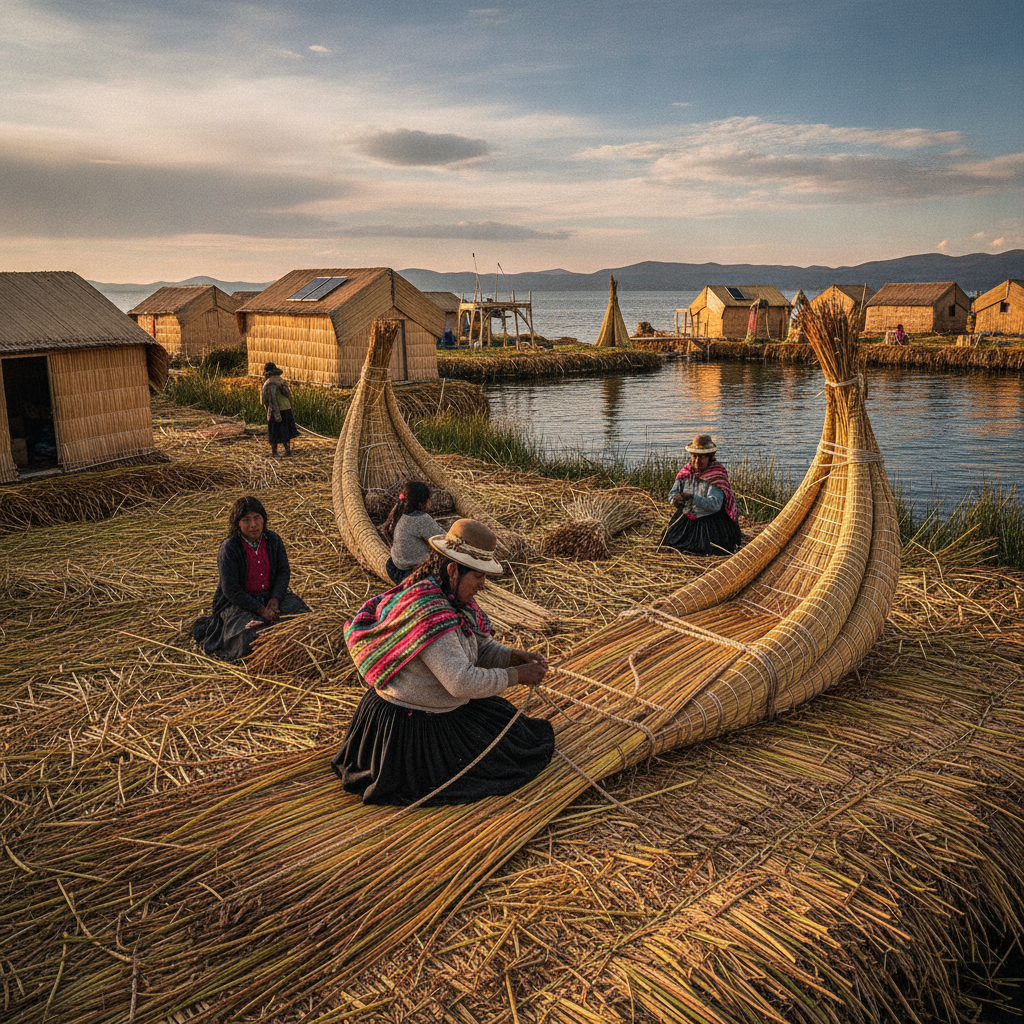
The Uros: Life on the Floating Islands
The Uros people of Lake Titicaca have lived on floating islands made entirely from totora reeds for centuries; their unique culture — adapted to life on water in one of the world's most extreme environments — is maintained by the lake's approximate 2,000 Uros community members