Puno: Capital of Peruvian Folklore
Puno — declared the 'Folklore Capital of Peru' — hosts the Candelaria Festival every February, when more than 40,000 dancers and musicians perform in one of the world's largest folk festivals; the city's folklore tradition blends Andean, colonial, and contemporary elements into a living cultural expression
- 1
Fiesta de la Candelaria
Fiesta de la Candelaria - held in Puno every February 2 (Virgin of Candelaria Day) - is a two-week festival involving more than 200 dance groups and 40,000 dancers; the festival is UNESCO-listed as intangible cultural heritage; the parade of costumed dancers through the city's streets lasts a whole day
- 2
Diablada Dance
The Diablada (Dance of the Devils) – where magnificently dressed dancers representing Inca, colonial and supernatural characters perform together – is the most iconic dance in Candelaria; the diablada's costumes (with their painted masks, feathered headdresses and sequined costumes) represent months of preparation by each dance group
- 3
Morenada and other dances
Candelaria has more than 150 distinct dance styles - Morenada (representing colonial-era enslaved Africans), Llamerada (honoring llama herders), Waka-Waka (satirising Spanish bullfighting) and Sicuri (traditional Aymara flute-and-drum tradition each with its own costume geography) -
- 4
Aymara culture
Puno is the heart of Aymara culture - the Aymara people (as opposed to Quechua) are the dominant indigenous group around Lake Titicaca; The Aymara language (spoken by about 2 million people), the Aymara calendar, and Aymara ritual specialists (yatiris) maintain a cultural tradition parallel to and older than the Inca
- 5
Puno's altitude and climate
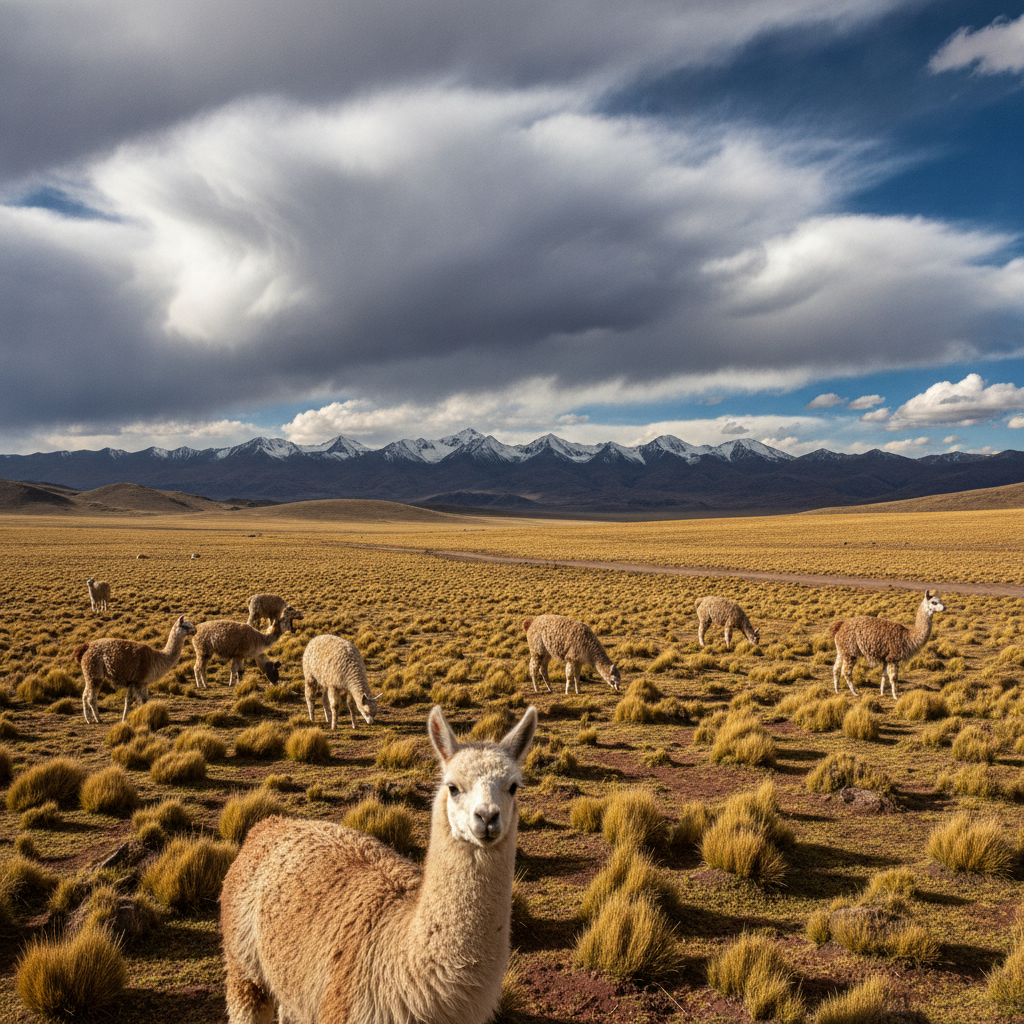
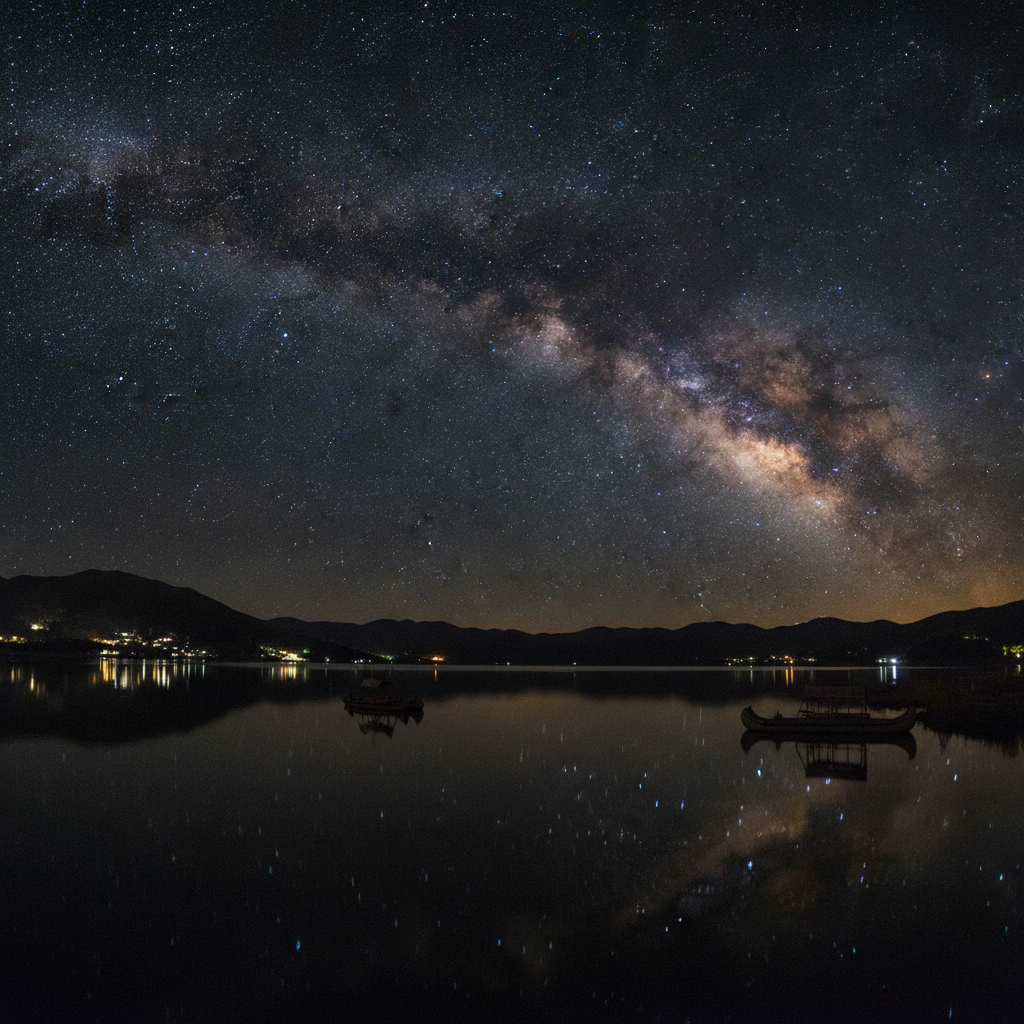
Puno at 3,827m is one of Peru's highest cities; the altitude means cold nights (near freezing all year round) and intense UV radiation; the lake moderates temperatures somewhat compared to the open altiplano; the thin air, the extraordinary quality of light and the vast open sky are the sensory characteristics of the Titicaca Basin
- 6
Sillustani Funerary Towers
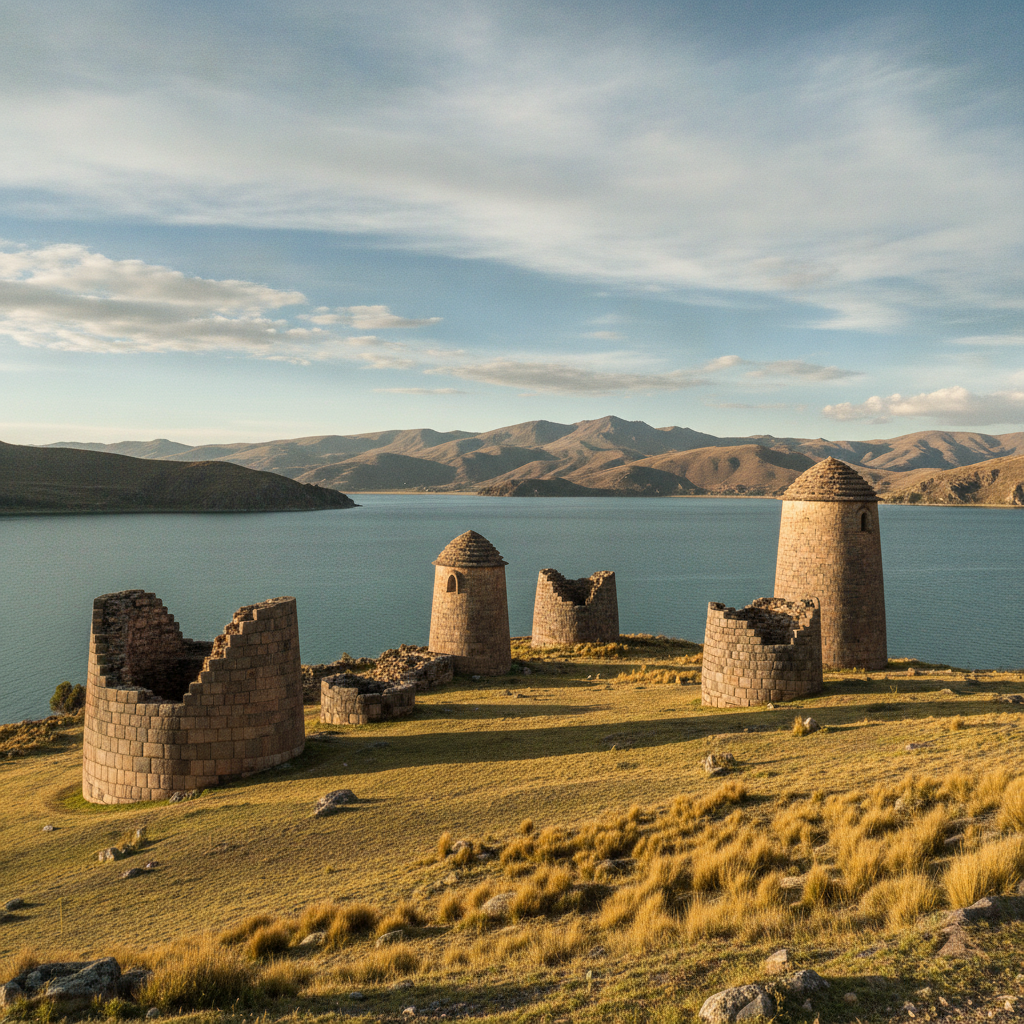
Sillustani — 34 km from Puno — has the most impressive chullpa field (burial tower) in the Andes; the pre-Inca Colla culture built these cylindrical stone towers (up to 12 m high) to house the mummified remains of their nobility; the towers on the shores of Lake Umayo create an extraordinary atmospheric landscape
Walk this route with audio
Stories play automatically as you reach each stop — no tapping needed.