Puno Night Sky: Stars Over Titicaca
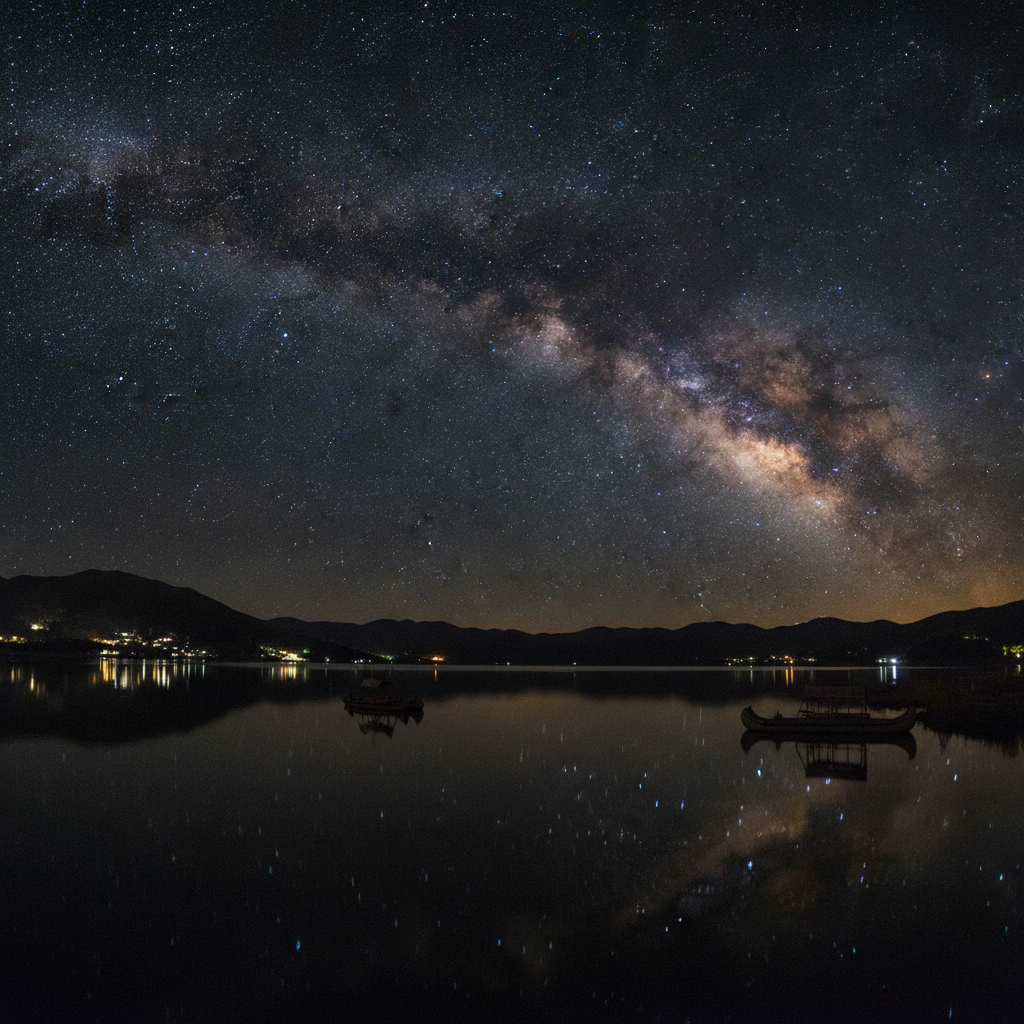
Puno's altitude (3,827m), its distance from major light pollution, and the dry altiplano air create exceptional conditions for stargazing; the Milky Way over Lake Titicaca is one of the most spectacular night sky experiences in South America
- 1
Altitude Astronomy
At 3,827 m, Puno's atmosphere is 30% thinner than at sea level — there is less air and therefore less atmospheric distortion between the observer and the stars; the combination of thin air, low humidity and minimal light pollution gives the altiplano night sky a clarity and star density unmatched at lower altitudes
- 2
Andean Star Lore
The Incas and their descendants didn't just observe the stars - they also observed the dark constellations (the dark spaces between the stars, formed by dust clouds in the Milky Way); the Dark Constellation the Lama, the Dark Constellation Serpent and the Dark Constellation Fox were as significant to Andean astronomy as the Point Star constellations were to European astronomy
- 3
The Milky Way over the lake
The reflection of the Milky Way in the still surface of Titicaca - the "lake of the sky" meeting the actual sky - is one of the most surreal and beautiful astronomical sights on earth; the dark sky lakeside camps offer this experience during the dry season (May-October)
- 4
Andean calendar
The Andean agricultural calendar was derived from astronomical observations - the rising of the Pleiades (called Collca, 'storage') in June indicated the time to plant potatoes; the heliacal rising of specific stars and dark constellations regulated the agricultural cycle across the high Andes
- 5
Call Altiplano Nights
Stargazing at Puno requires preparation for extreme cold - temperatures drop below freezing at night year-round at this altitude; the thermal layers required for a cold Andean night also produce a profound physical awareness of the environment; the discomfort of the cold is part of the immersive experience
- 6
Taquile Island Darkness
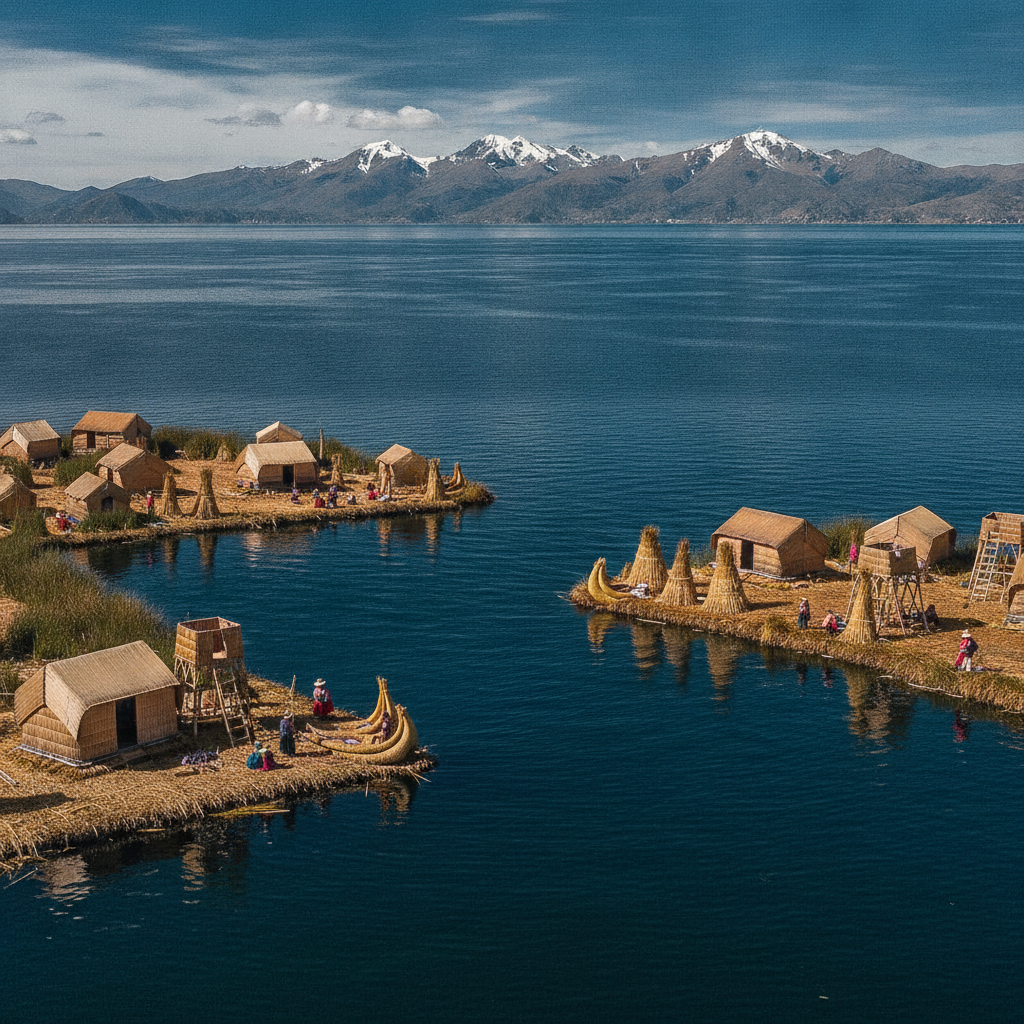
Taquile Island on Lake Titicaca - with no motor vehicles and minimal electricity - has one of the darkest night environments in Peru; The community homestay program on Taquile includes the opportunity to observe the Andean night sky from the island without light pollution from the mainland
Walk this route with audio
Stories play automatically as you reach each stop — no tapping needed.