Zurich
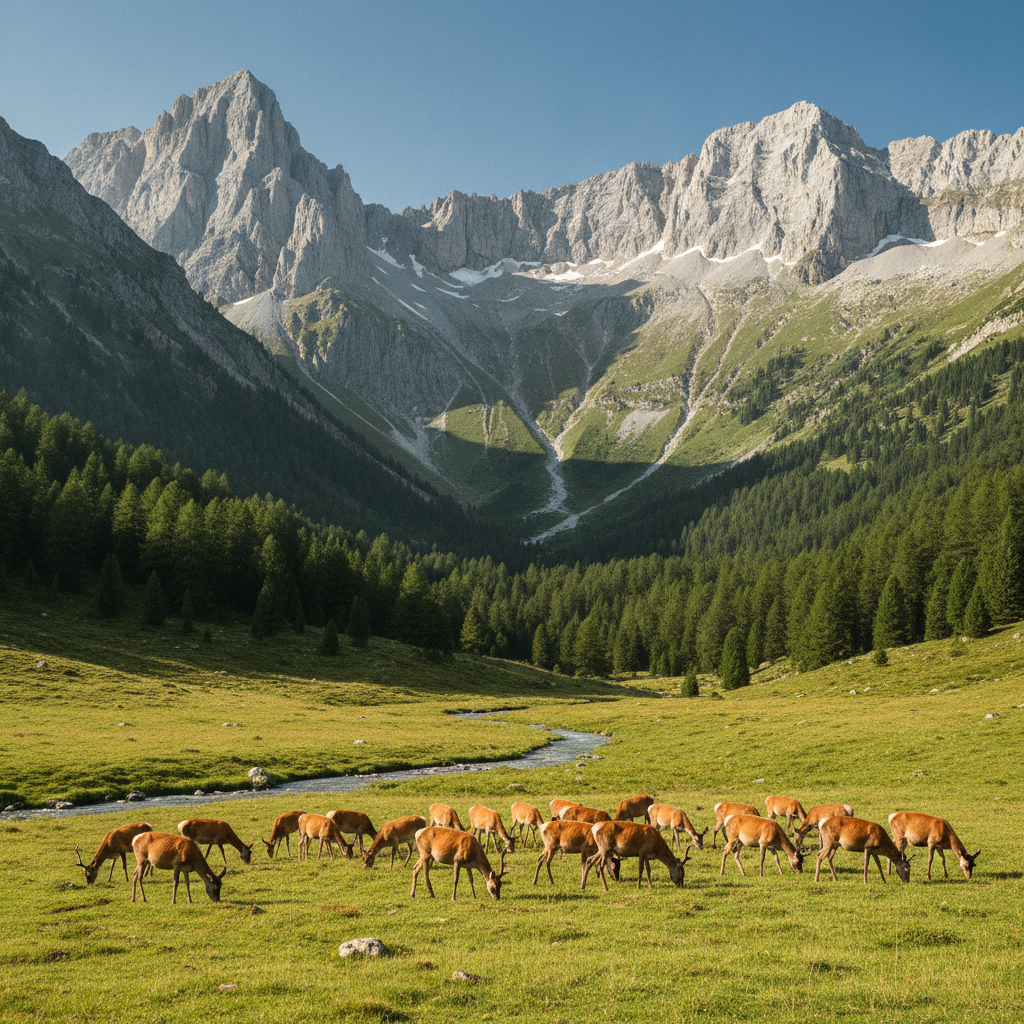
Swiss National Park & Graubünden — Switzerland's Alpine Wilderness
Swiss National Park (Schweizerischer Nationalpark — the 174-square-kilometre protected wilderness area in the Engadin valley of eastern Graubünden, established 1914 as the first national park in the Alps and the oldest in Central Europe, accessible from Zurich in approximately 2.5 hours by train via St. Moritz): the Swiss National Park is unique in Europe in that it has been completely free of human interference (no hunting, no logging, no grazing, no construction) since 1914, creating a genuinely wild Alpine ecosystem that gives visitors the best opportunity in Switzerland to observe Alpine wildlife (red deer, chamois, ibex (steinbock), golden eagle, bearded vulture, wolf, and lynx) in an undisturbed natural setting.
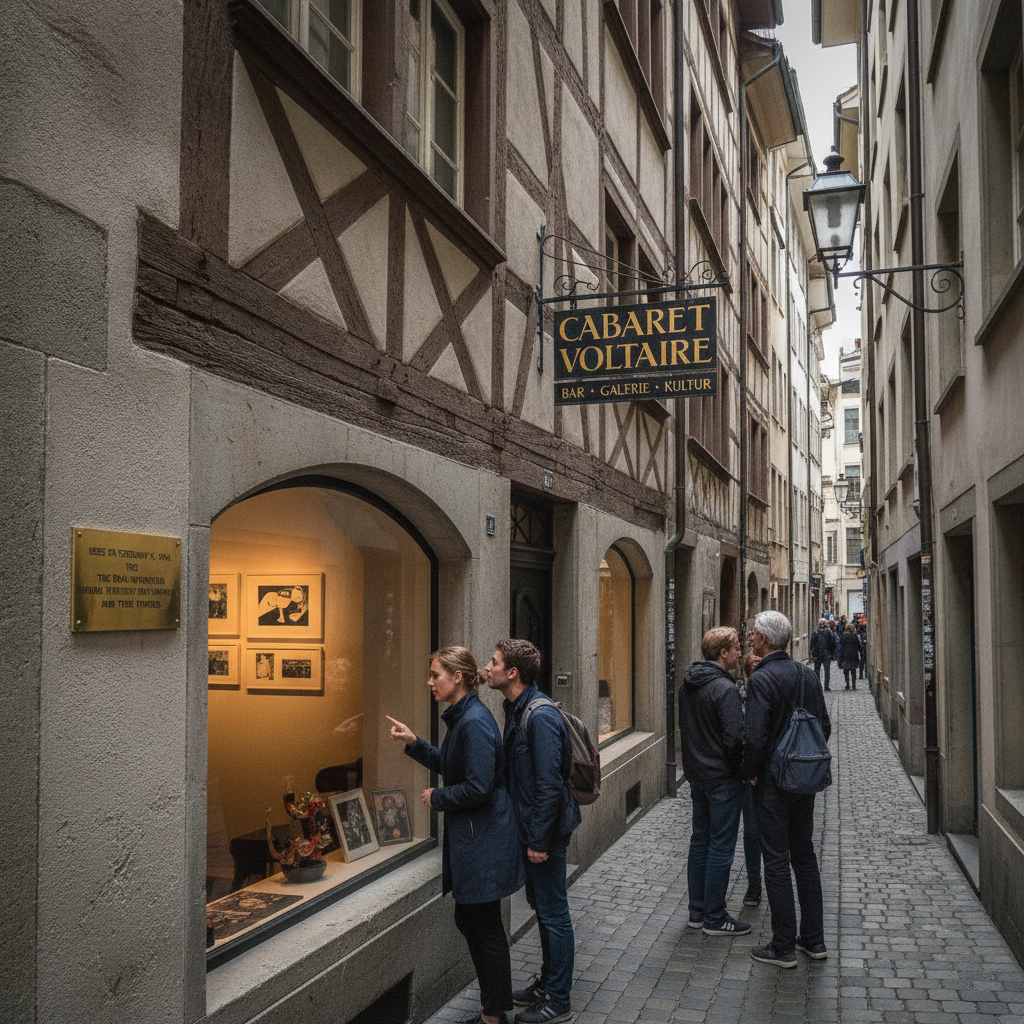
Cabaret Voltaire — Where Dada Was Born & Zurich's Cultural Underground
Cabaret Voltaire (Spiegelgasse 1, Niederdorf, Zurich — the bar and performance space where the Dada movement was founded on February 5, 1916, by Hugo Ball, Emmy Hennings, Jean Arp, Tristan Tzara, Richard Huelsenbeck, and Sophie Taeuber): the founding of Dada in neutral Zurich in 1916 — by a group of artists and writers who had fled the madness of World War I — was one of the defining moments in 20th-century cultural history; Dada's anti-art, anti-logic, and anti-war stance, expressed through nonsense poetry, collage, performance art, and the deliberate rejection of conventional aesthetics, directly influenced Surrealism, Pop Art, Conceptual Art, Punk, and virtually every subsequent avant-garde movement in the 20th century.
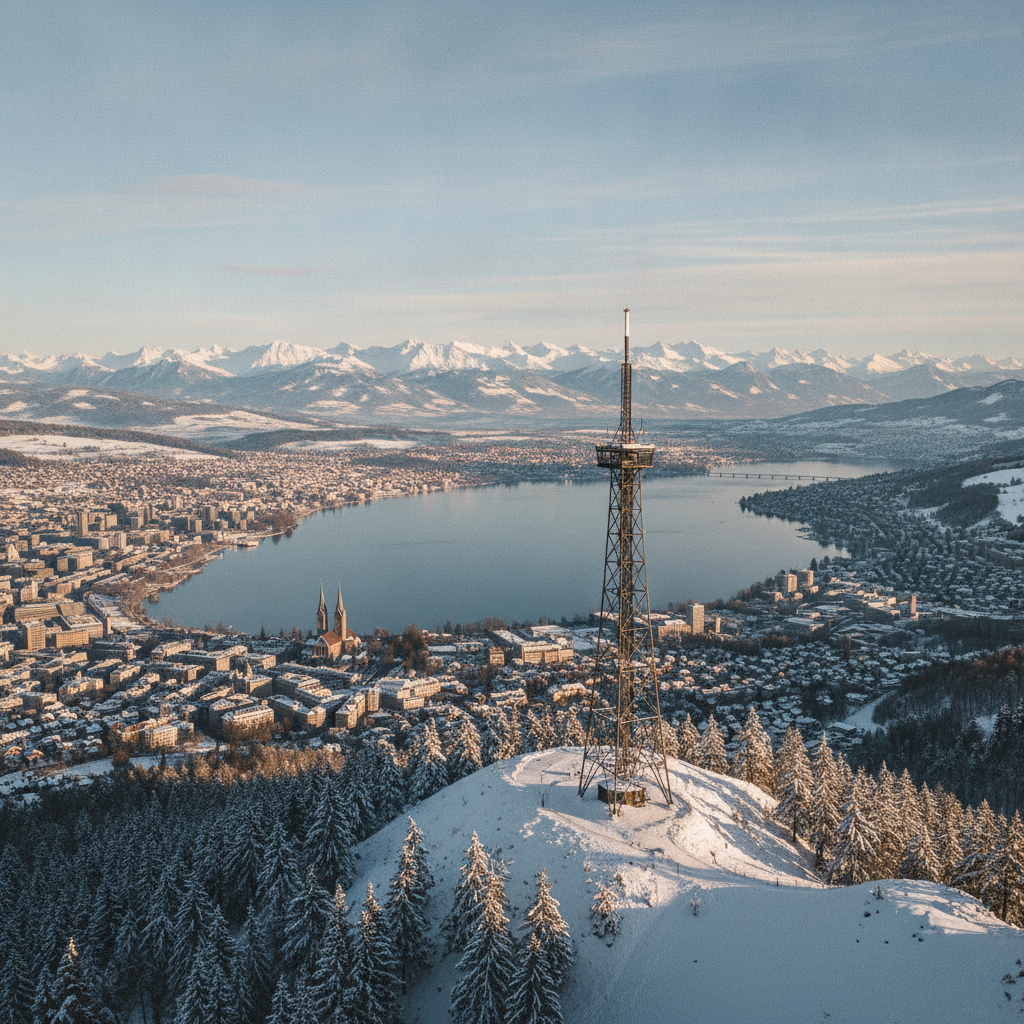
Uetliberg Mountain — Zurich's Local Mountain & Alpine Panorama
Uetliberg (the 871-metre mountain immediately southwest of central Zurich — Zurich's 'local mountain' (Hausberg), accessible in 25 minutes by the S10 train from Zurich Hauptbahnhof to the Uetliberg station at 869 metres): the Uetliberg summit (with its 50-metre observation tower, the Uto Kulm Hotel, and the extensive ridge walk south along the Albiskette ridge to Felsenegg) provides the finest panoramic view of Zurich and the Alpine arc — on clear days the entire Alpine chain from Säntis to Mont Blanc is visible from the observation tower.
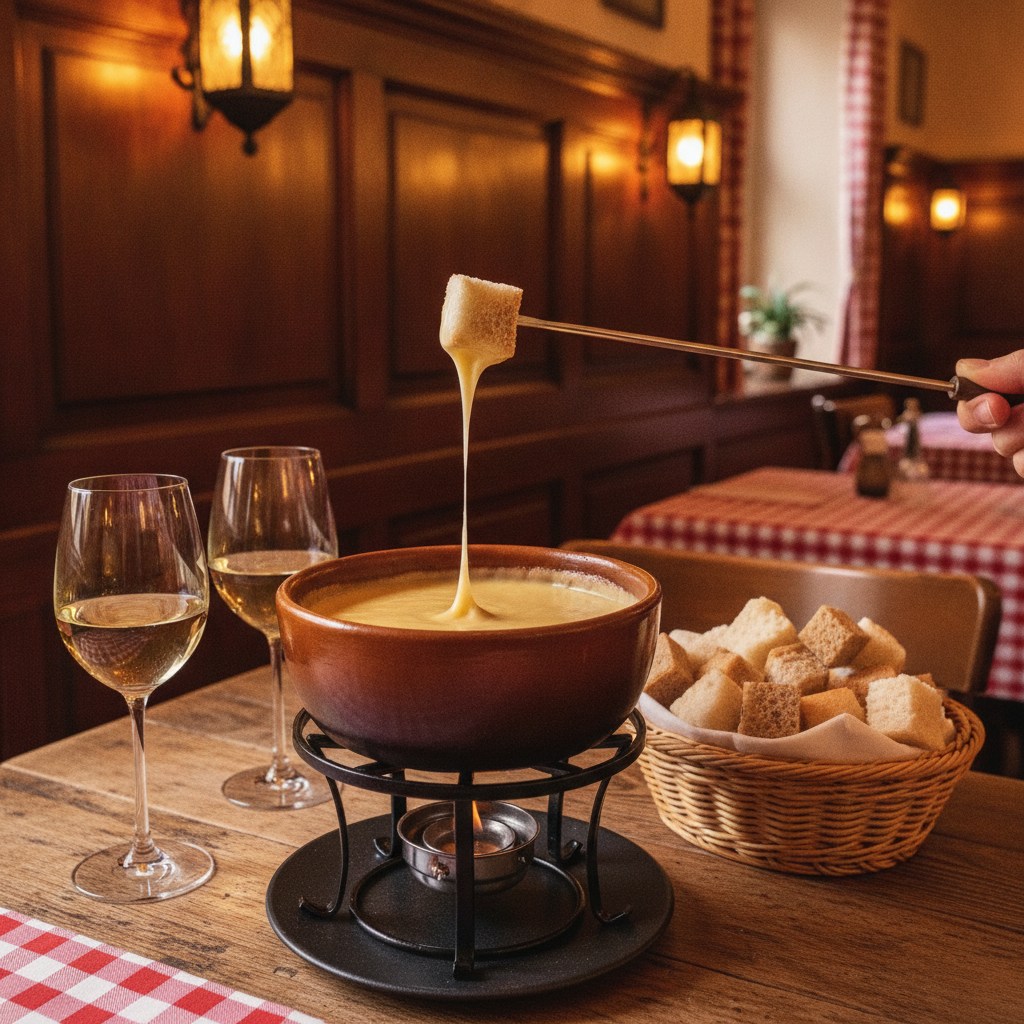
Swiss Food in Zurich — Fondue, Raclette, Rösti & Swiss Chocolate
Zurich's food culture reflects Switzerland's extraordinary position as one of the wealthiest and most food-sophisticated countries in the world, with a culinary tradition shaped by the Alpine dairy farming heritage (cheese, butter, cream), the French, German, and Italian influences of the three main Swiss linguistic regions, and the city's role as a cosmopolitan financial centre with one of the world's most diverse restaurant scenes: the classic Swiss dishes (fondue, raclette, rösti) are simultaneously comfort food and high gastronomy.
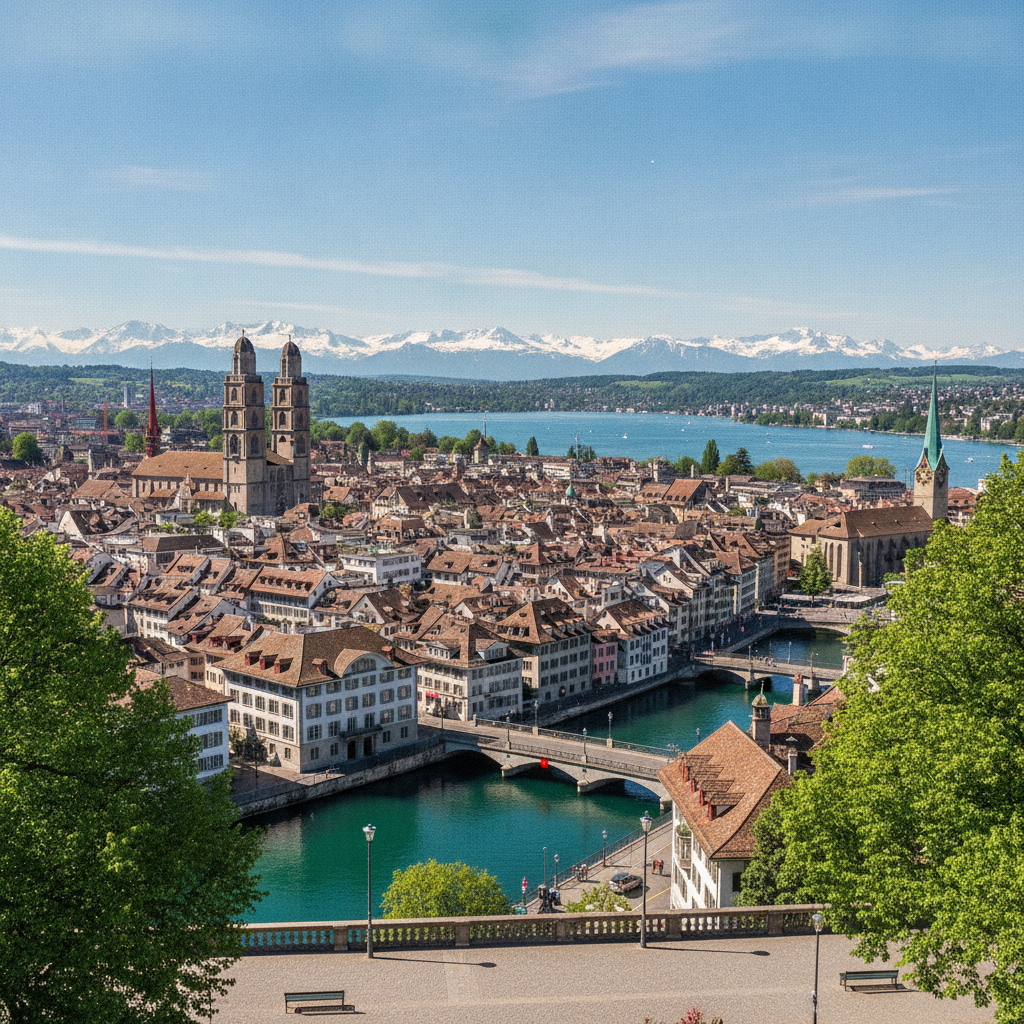
Zurich Old Town, the Grossmünster & Lake Zurich
Zurich (Zürich — the largest city in Switzerland, financial capital of the country, consistently ranked in the top 3 cities in the world for quality of life) is built around the northern end of Lake Zurich (Zürichsee) and the Limmat river: the medieval Old Town (Altstadt) on both banks of the Limmat contains the twin Romanesque towers of the Grossmünster (the cathedral of Huldrych Zwingli's Protestant Reformation), the Fraumünster (with its extraordinary Marc Chagall stained glass windows), and the Guild Houses of the Niederdorf (the right bank) and the Lindenhügel (the hill overlooking the whole ensemble).
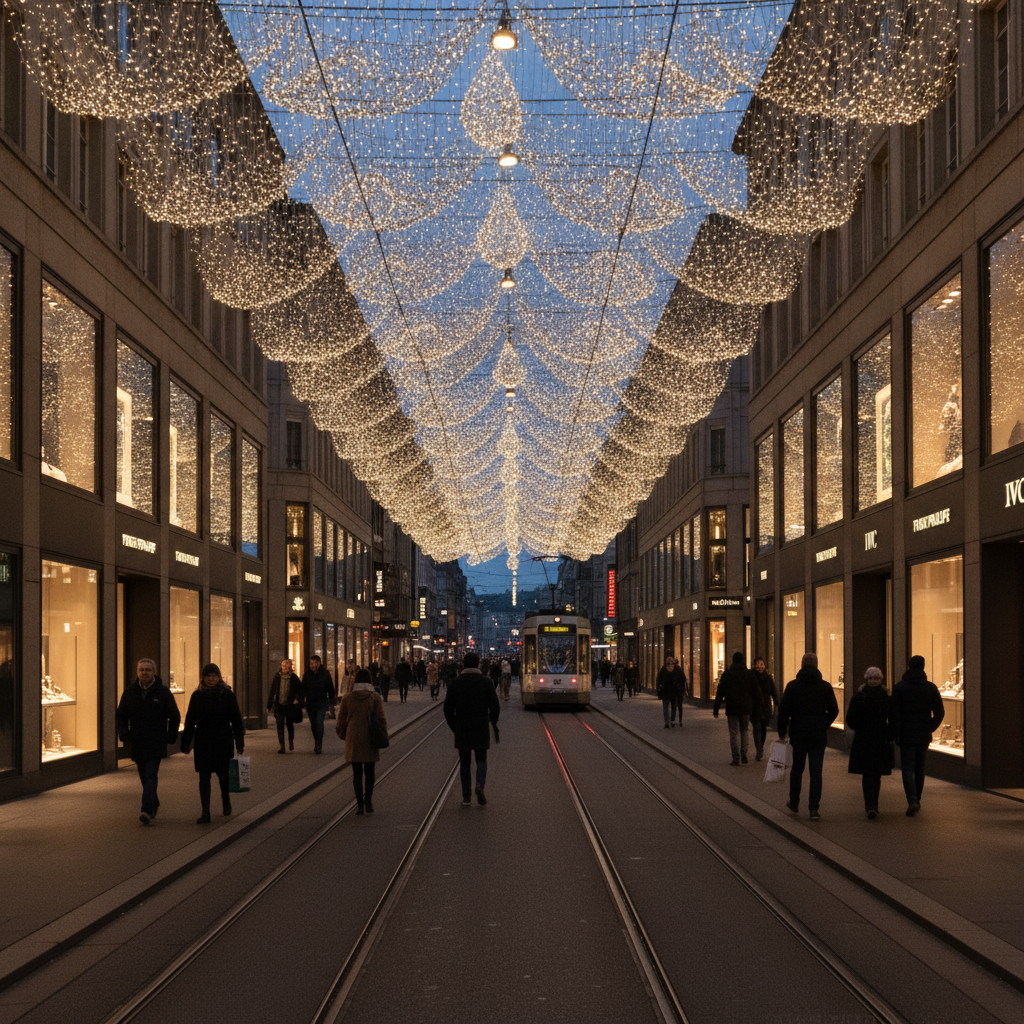
Bahnhofstrasse, the Kunsthaus & Zurich's Museum District
Bahnhofstrasse (the 1.4-kilometre main street of Zurich, running from the Hauptbahnhof (central station) south to the lake — the most expensive shopping street in continental Europe, lined with Swiss watch brands, luxury jewellers, and international fashion houses) leads south to the lake and east to the Kunsthaus Zurich (the largest art museum in Switzerland and one of the finest collections of modern art in Europe), forming the cultural and commercial spine of the city.
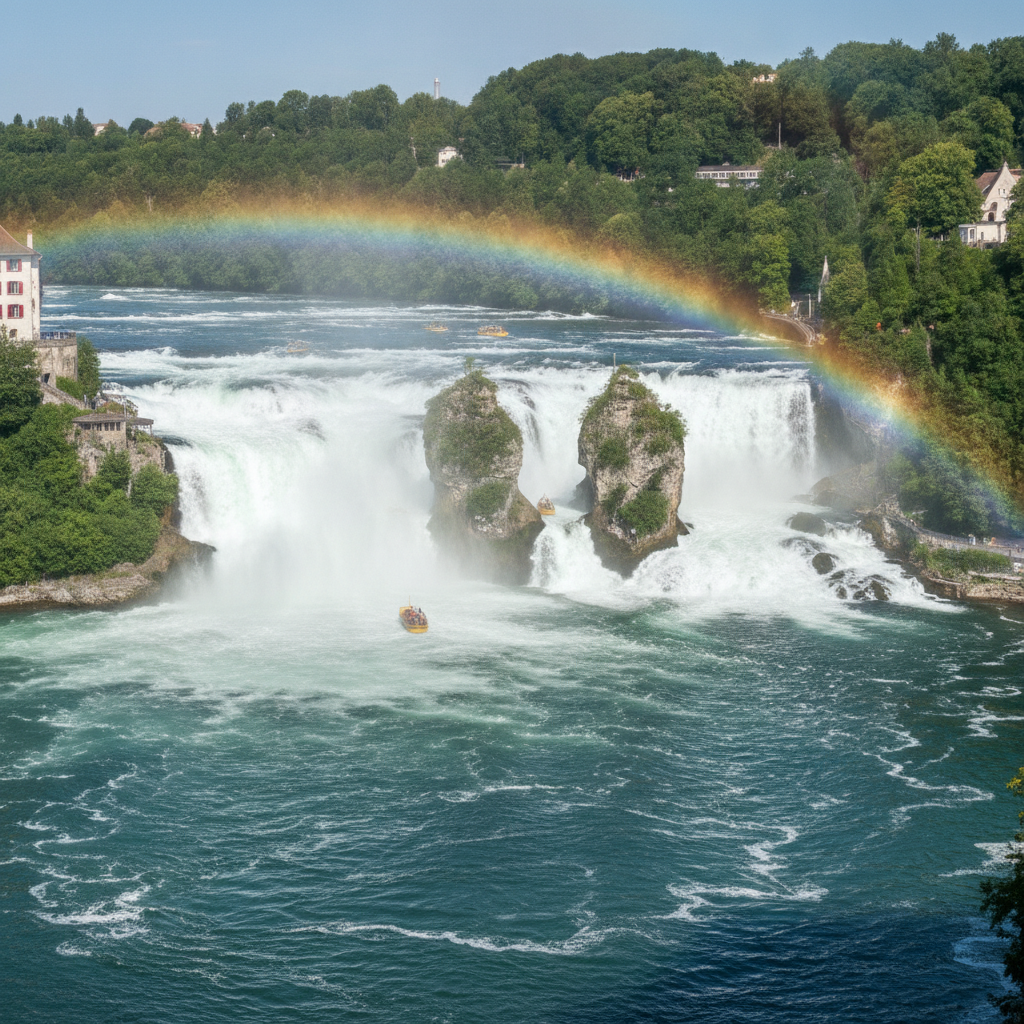
Rhine Falls & Schaffhausen — Europe's Largest Waterfall
Rhine Falls (Rheinfall — the largest waterfall in Europe by volume of water, located at Schaffhausen on the German-Swiss border, 30 km north of Zurich and 30 minutes by direct train from Zurich Hauptbahnhof): the Rhine at this point plunges 23 metres over a natural Jurassic limestone shelf 150 metres wide, producing an average flow of 700 cubic metres per second (rising to over 1,000 in spring snowmelt), visible and audible from a considerable distance, and accessible via boat from both banks — one of the most spectacular natural sites in Switzerland.
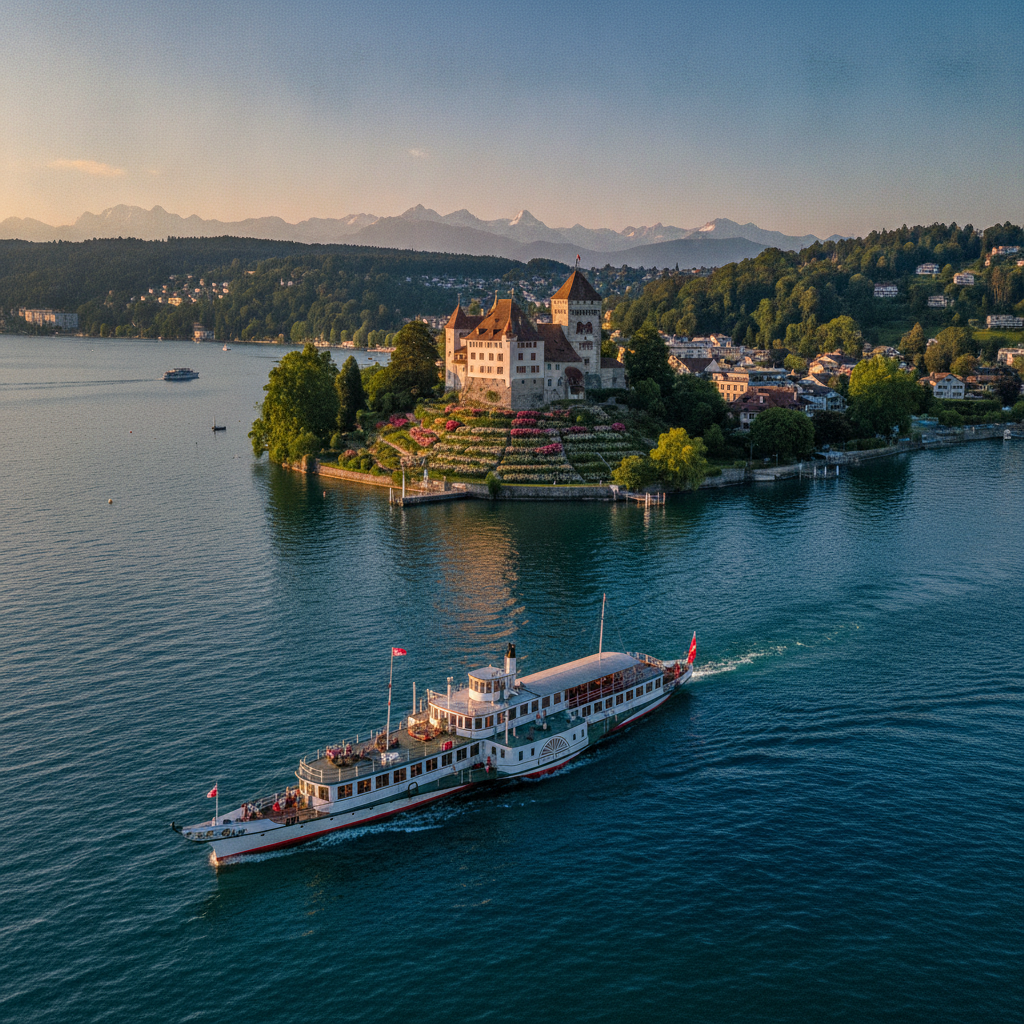
Lake Zurich Boat Trip & Rapperswil — The City of Roses
The Lake Zurich boat trip (from the Bürkliplatz in central Zurich south along the entire length of the lake to Rapperswil — the medieval town at the southern end of the lake known as the 'City of Roses' for its rose garden on the castle hill, 1.5-2 hours each way by scheduled lake steamer): the Zürichsee boat services (operated by ZSG — Zürichsee-Schifffahrtsgesellschaft, with a fleet of historic Belle Époque paddle steamers and more recent motor vessels) are one of the most pleasant ways to experience Lake Zurich and the surrounding landscape of rolling hills, vineyard slopes, and the distant Alps.
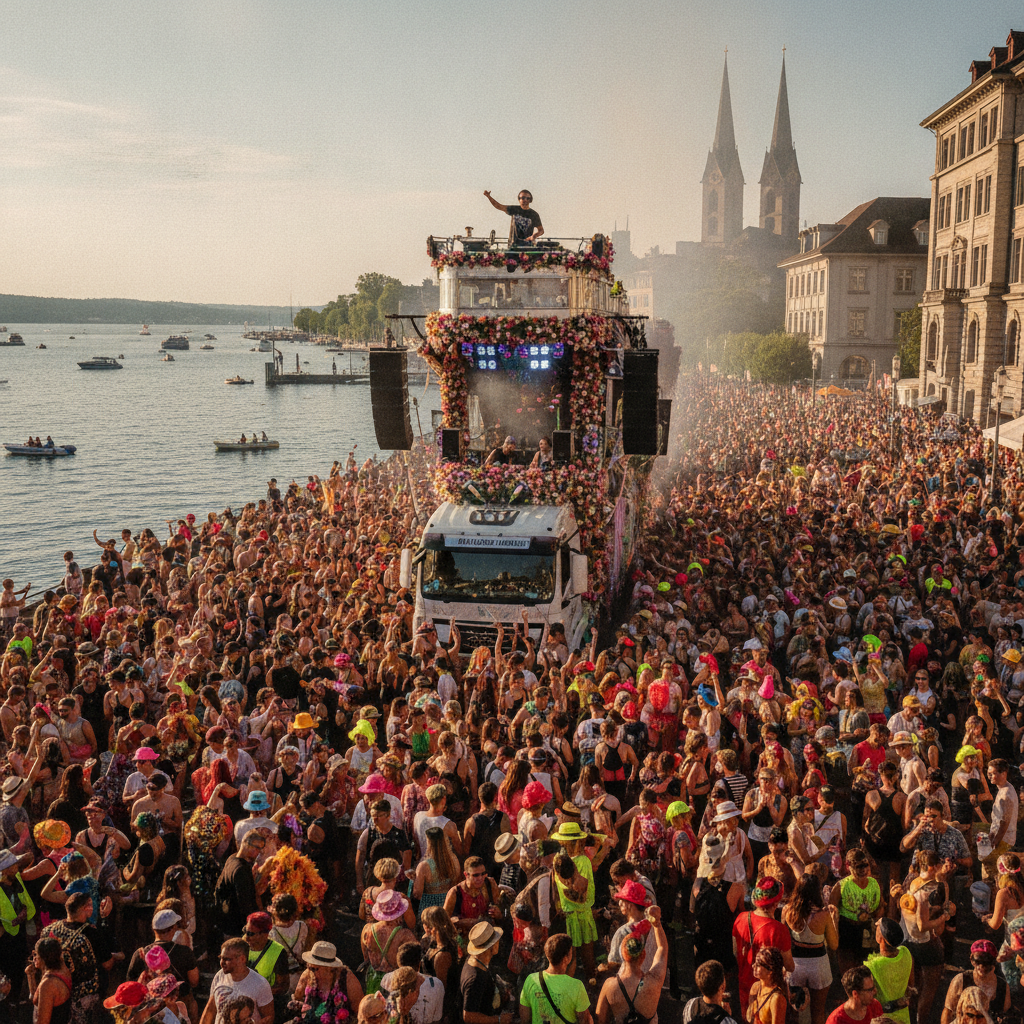
Street Parade, Techno Culture & Zurich Nightlife
Zurich Street Parade (the annual techno music parade held on the second Saturday of August along the Zurich lakefront, established 1992 by Daniel Bähler and Marek Krynski — the largest techno music event in the world by attendance, with approximately 900,000 participants): the Street Parade transforms the Zurich lakefront (from Bürkliplatz east along the Utoquai to Bellevue) into a 1.8-kilometre outdoor dance floor, with approximately 30 decorated 'love mobiles' (the parade floats, each an enormous sound system with its own DJ performing continuous techno music) moving slowly along the route followed by dancing crowds.