Swiss Food in Zurich — Fondue, Raclette, Rösti & Swiss Chocolate
Zurich's food culture reflects Switzerland's extraordinary position as one of the wealthiest and most food-sophisticated countries in the world, with a culinary tradition shaped by the Alpine dairy farming heritage (cheese, butter, cream), the French, German, and Italian influences of the three main Swiss linguistic regions, and the city's role as a cosmopolitan financial centre with one of the world's most diverse restaurant scenes: the classic Swiss dishes (fondue, raclette, rösti) are simultaneously comfort food and high gastronomy.
- 1
Cheese Fondue — The National Dish of Switzerland
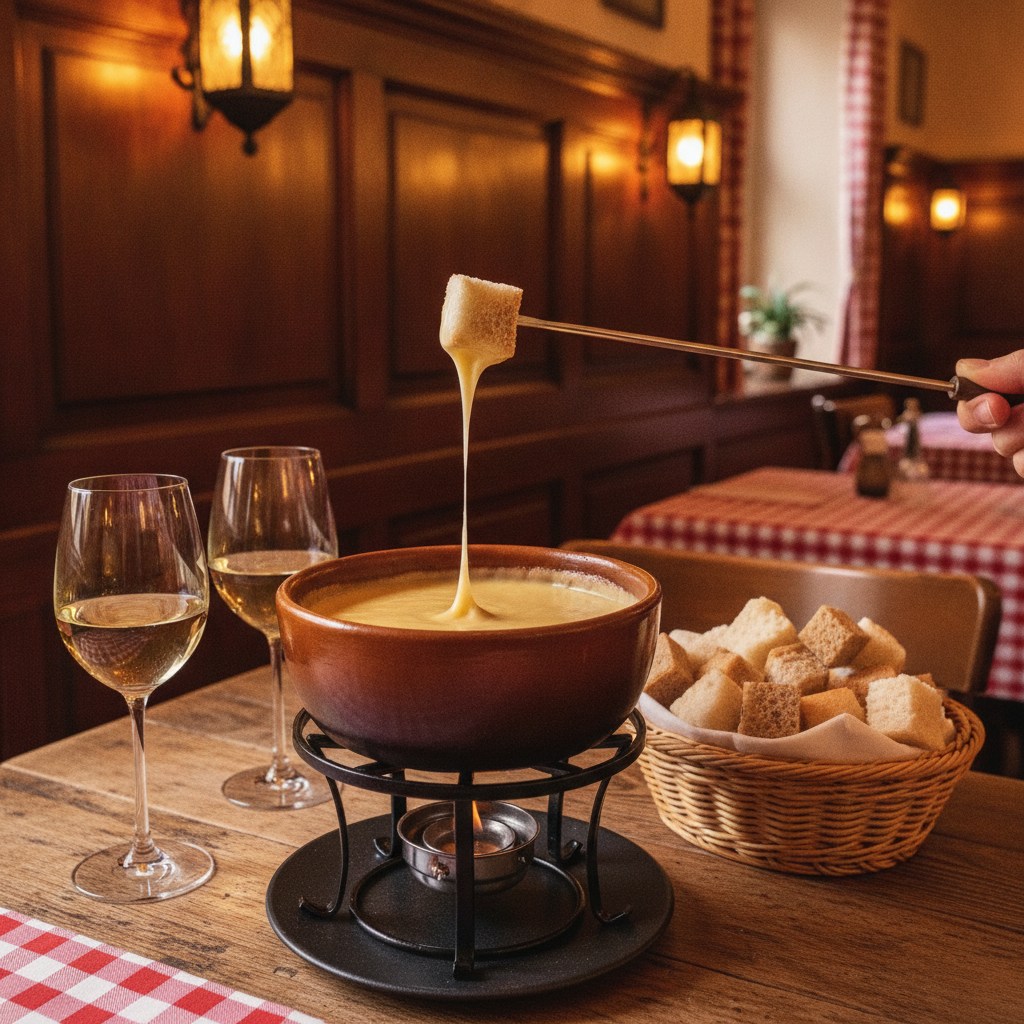
Swiss cheese fondue (fondue au fromage — the dish of melted cheese (traditionally a mixture of Gruyère and Emmental, or regional variations using Appenzeller, Vacherin Fribourgeois, or other Swiss cheeses) heated in a ceramic pot (caquelon) over a small burner (réchaud), into which cubes of crusty bread are dipped on long forks): fondue (from the French fondre, 'to melt') was declared the Swiss national dish by the Swiss Cheese Union (Schweizerische Käseunion) in a promotional campaign in the 1930s-1950s that elevated a traditional Alpine winter meal into an international symbol of Swiss identity; the best fondue in Zurich is served in traditional restaurants (Beizli/Gasthäuser) in the Old Town and the surrounding neighbourhoods: the Restaurant Raclette Stube (Niederdorfstrasse — an essential address), the Zunfthaus zur Zimmerleuten (Limmatquai 40 — in the historic guild house of the carpenters), and the Zeughauskeller (the former armoury, now the largest traditional Swiss restaurant in Zurich, seating 700 in the medieval barrel-vaulted cellar space).
- 2
Raclette, Rösti & Zürcher Geschnetzeltes
The second holy trinity of Swiss food (alongside fondue): raclette (the half-wheel of Raclette cheese heated under a specialized grill until the surface melts, then scraped (racler = to scrape in French) onto a plate with boiled potatoes, cornichon pickles, and pickled pearl onions — one of the most intensely satisfying combination of flavours in Alpine cuisine), rösti (the coarsely grated potato cake, fried in butter until crispy outside and soft inside — the definitive Swiss potato preparation, claimed as the national dish by German-speaking Switzerland), and Zürcher Geschnetzeltes (the Zurich specialty — thin strips of veal in a creamy sauce with white wine and mushrooms, served with rösti — the most important dish that can be specifically claimed as a Zurich creation): the best Zürcher Geschnetzeltes in Zurich is served at Restaurant Kronenhalle (Rämistrasse 4 — the legendary Zurich restaurant and art gallery (with original works by Picasso, Matisse, Chagall, Miró, and Giacometti on the walls) that has been the meeting place of Zurich's creative and intellectual elite since 1924).
- 3
Swiss Chocolate Heritage — Lindt, Sprüngli & the Chocolate Trail
Swiss chocolate (the country produces approximately 180,000 tonnes of chocolate annually and is the world's largest per capita consumer of chocolate at approximately 10 kg per person per year): Switzerland invented milk chocolate (Daniel Peter, working with Henri Nestlé, developed the milk chocolate process in Vevey in 1875), the conching process (Rodolphe Lindt, Bern, 1879 — the mechanical process of kneading and aerating the chocolate mass that gives Swiss chocolate its characteristically smooth texture), and the filled praline chocolate (Jean Neuhaus Jr., Brussels, 1912); the Lindt & Sprüngli chocolate factory and museum (Lindt Home of Chocolate, opened 2020, in Kilchberg on Lake Zurich, 15 minutes from Zurich by S-Bahn) is the most visited chocolate destination in Switzerland, with a museum chronicling the history of Swiss chocolate, production viewing areas, and the largest Lindt chocolate shop in the world; the Confiserie Sprüngli (Paradeplatz) is the essential Zurich chocolate address.
- 4
Zurich Food Markets — Bürkliplatz & Bauschänzli
Zurich's food market culture: the Bürkliplatz Market (the twice-weekly market (Tuesday and Friday mornings, May-October) on the lakefront Bürkliplatz square, primarily selling organic and artisanal food products — fruits, vegetables, cheese, bread, meat, fish, flowers, and regional specialties from the Zurich region and wider Switzerland — one of the most picturesque morning markets in Switzerland, with the lake and the Old Town as backdrop), the Helvti Platz (Kreis 4) organic market (Thursday mornings), and the Rosenhof Christmas Market (the most atmospheric of the several Christmas markets held in Zurich's Old Town in December, in the medieval courtyard of the Rosenhof); Switzerland's extraordinary dairy heritage is on display at Zurich's markets, particularly the aged Alpine cheeses (Bergkäse, Alpkäse, Sbrinz) produced on Swiss mountain pastures, the air-dried Bündnerfleisch (dried beef from Graubünden), and the Landjäger (the Swiss dried pork and beef sausage that has been a Swiss hiking staple since the 16th century).
- 5
Zurich Wine Culture — Swiss Wines & the Vineyard
Swiss wine (the wines produced in Switzerland's approximately 15,000 hectares of vineyards — almost entirely consumed within Switzerland, making Swiss wine virtually unknown outside the country despite its exceptional quality): Zurich canton has its own wine-producing region (Zürichsee wine trail, along the eastern and western shores of Lake Zurich, and the Zürichgau region in the Zürich Unterland and Zürich Oberland) producing primarily Pinot Noir (Blauburgunder) and Müller-Thurgau (Riesling-Silvaner); the most important Swiss wine varieties to know are: Chasselas (Fendant in Valais, Perlan in Geneva — the quintessentially Swiss white wine, light and dry with a slight spritz, the traditional accompaniment to fondue), Pinot Noir (the dominant red variety throughout German-speaking Switzerland and the Graubünden), Merlot (the primary red grape of the Italian-speaking Ticino region), and the Valais specialty varieties (Cornalin, Humagne Rouge, Petite Arvine) that are unique to Switzerland.
- 6
Langstrasse — Street Food, Döner & Multicultural Zurich
Langstrasse (the Langstrasse, the main street of Zurich's Kreis 4 and Kreis 5 (Fourth and Fifth Districts), the most socially diverse and culinarily varied street in Zurich, running 2 km from the Helvetiaplatz through the Langstrassenquartier (the nightlife and red-light district) to the Escher-Wyss-Platz industrial quarter): the Langstrasse concentrates the food culture of Zurich's immigrant communities — Turkish döner kebab shops (Zurich has a large Turkish community), Italian pizzerias, Vietnamese phở restaurants, Lebanese shwarma stalls, West African restaurants, Indian curry houses, and the characteristic Zurich street food of the Langstrasse (the Bratwurst from street grills, the traditional Swiss sausage available from mobile vendors throughout the Old Town); the Langstrasse is also the centre of Zurich's music club and bar scene, with venues ranging from the Rote Fabrik (the legendary arts centre on the lakeside in the adjacent Kreis 2) to the underground techno clubs of the Escher-Wyss area that have made Zurich one of the important cities in European electronic music culture.
Walk this route with audio
Stories play automatically as you reach each stop — no tapping needed.
More in zurich
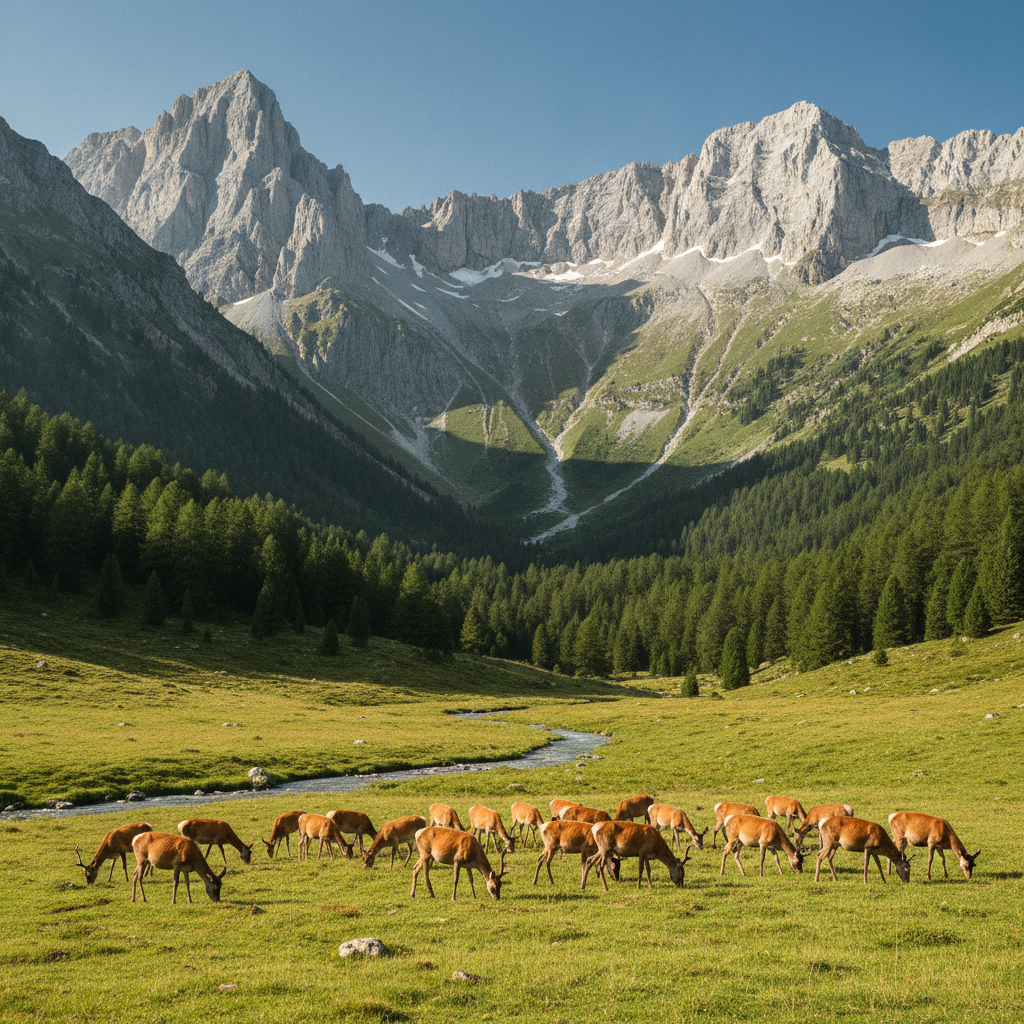
Swiss National Park & Graubünden — Switzerland's Alpine Wilderness
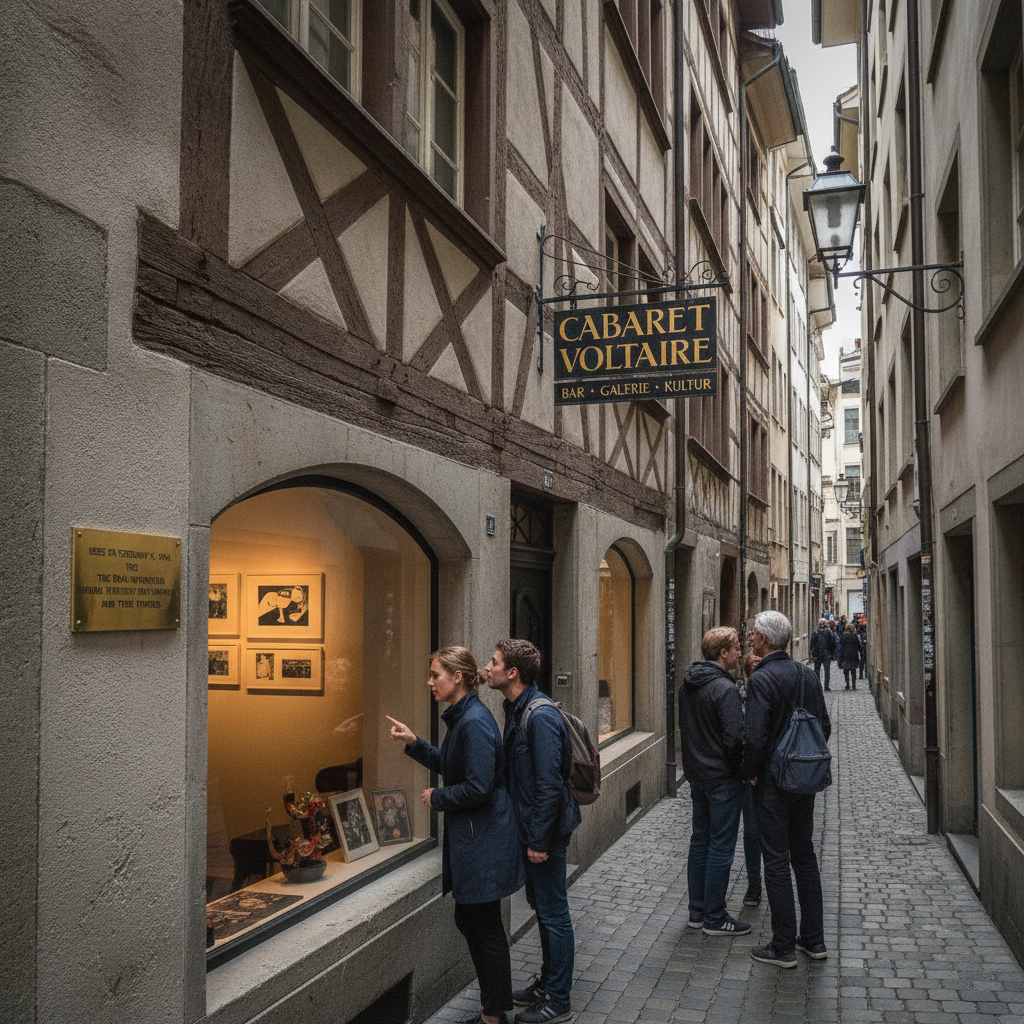
Cabaret Voltaire — Where Dada Was Born & Zurich's Cultural Underground
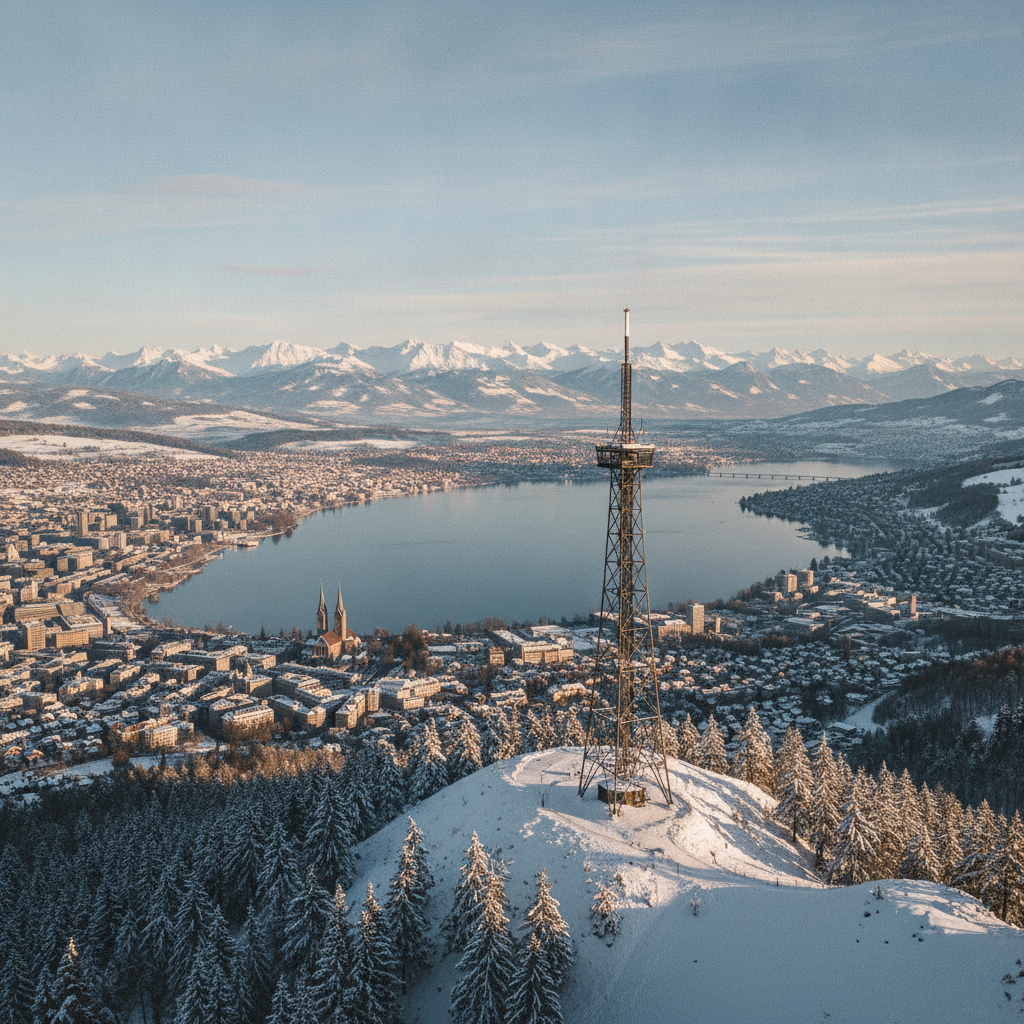
Uetliberg Mountain — Zurich's Local Mountain & Alpine Panorama
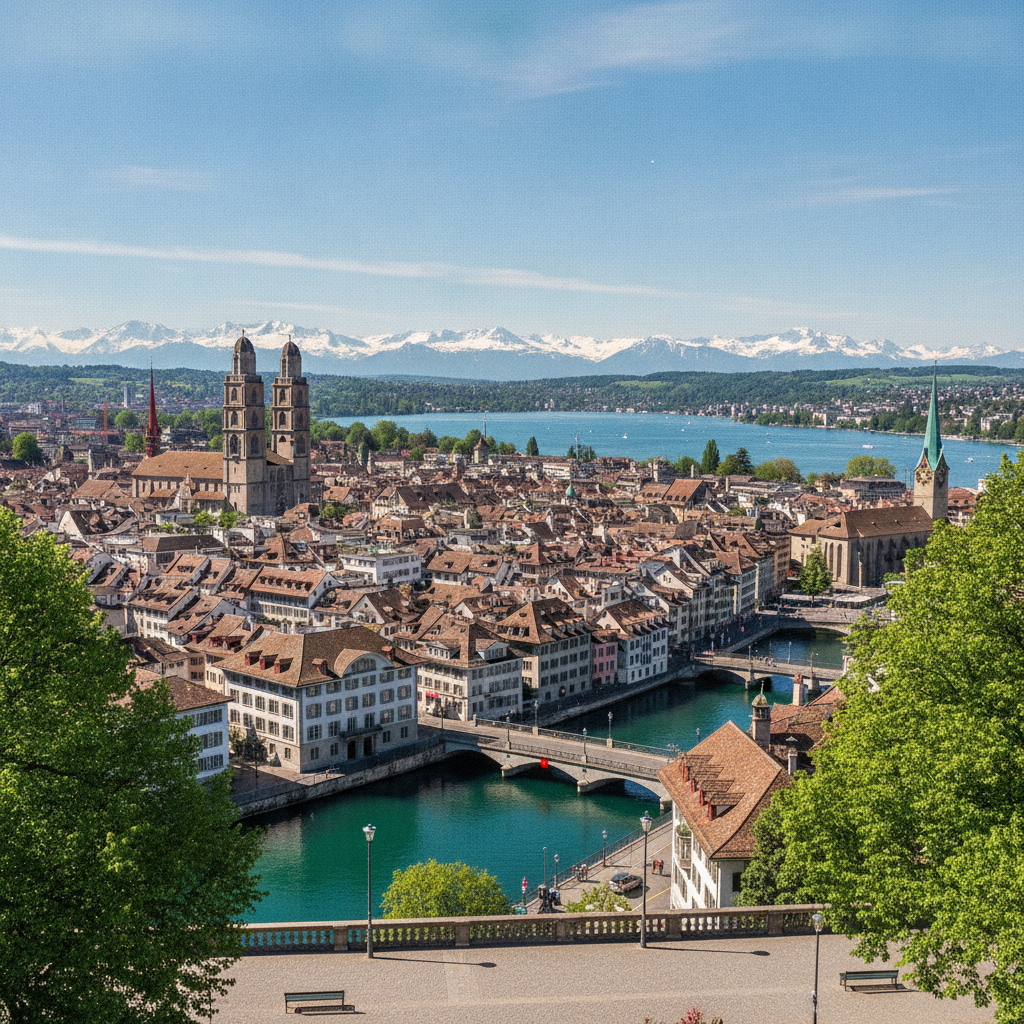
Zurich Old Town, the Grossmünster & Lake Zurich
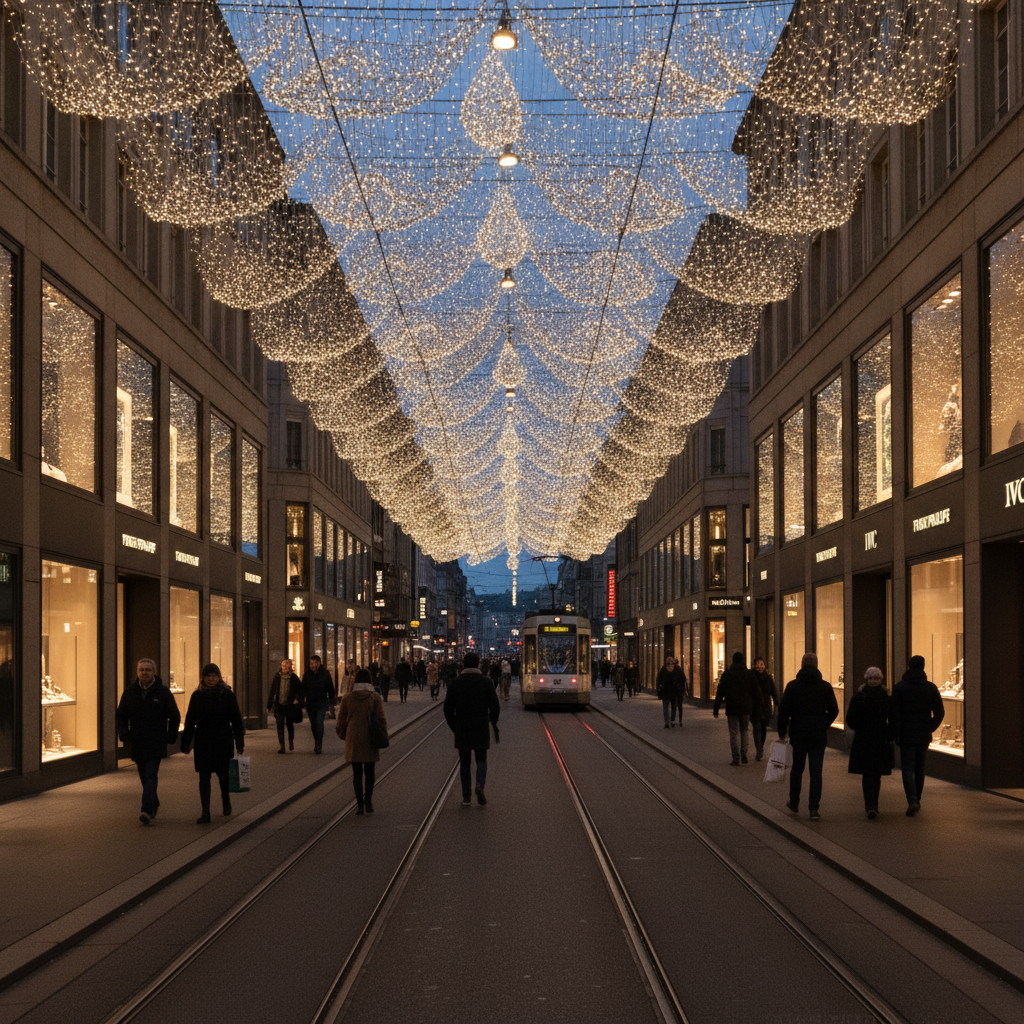
Bahnhofstrasse, the Kunsthaus & Zurich's Museum District