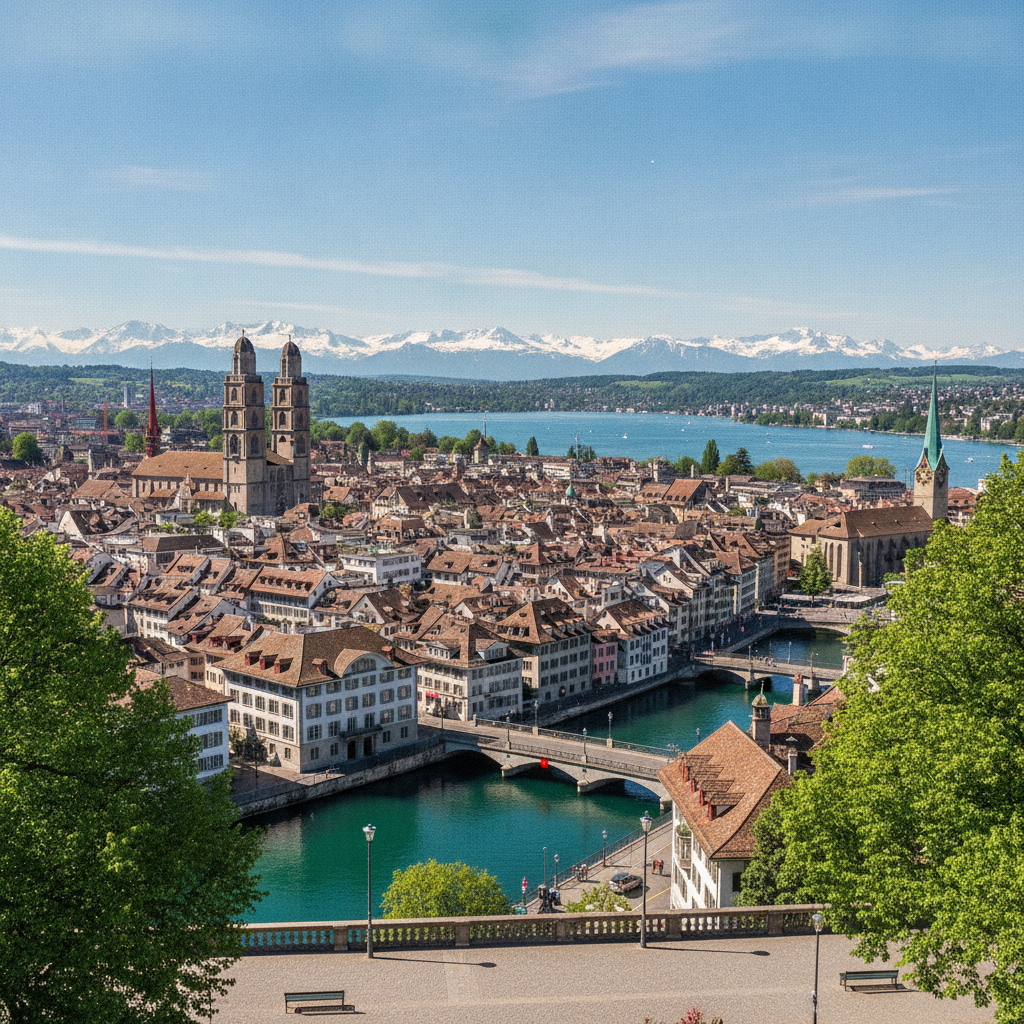
Zurich Old Town, the Grossmünster & Lake Zurich
Zurich (Zürich — the largest city in Switzerland, financial capital of the country, consistently ranked in the top 3 cities in the world for quality of life) is built around the northern end of Lake Zurich (Zürichsee) and the Limmat river: the medieval Old Town (Altstadt) on both banks of the Limmat contains the twin Romanesque towers of the Grossmünster (the cathedral of Huldrych Zwingli's Protestant Reformation), the Fraumünster (with its extraordinary Marc Chagall stained glass windows), and the Guild Houses of the Niederdorf (the right bank) and the Lindenhügel (the hill overlooking the whole ensemble).
- 1
Grossmünster — The Cathedral of the Zurich Reformation
Grossmünster (Grossmünsterplatz, Zurich Old Town — the large Romanesque cathedral with its distinctive twin towers, the most important church in Zurich and the centre of the Swiss Reformation): the Grossmünster was built on the site of a Carolingian church dating to approximately 800 CE (traditionally associated with Charlemagne, who according to legend discovered the graves of the Zurich martyrs Felix and Regula on this site), with the current building constructed primarily 1100-1220 in the Romanesque style; the twin towers (the distinctive pepper-pot dome caps were added to the towers in 1782) dominate the Zurich skyline and are visible from almost every part of the city; the church's greatest historical significance is its role as the church of Huldrych Zwingli (1484-1531, the Swiss Protestant reformer who served as the People's Priest of the Grossmünster from 1519 and initiated the Swiss Reformation independently of (and sometimes in conflict with) Martin Luther's German Reformation in Wittenberg; Zwingli's reforms were more radical than Luther's in several respects (the abolition of images and music from church services, the symbolic interpretation of the Eucharist), and the Swiss Reformed tradition (Calvinist) that grew from Zwingli's work became one of the three main branches of the Protestant Reformation.
- 2
Fraumünster — Marc Chagall's Stained Glass
Fraumünster (Münsterhof, left bank of the Limmat, Zurich Old Town — the Gothic church with its distinctive narrow spire (78 metres), built on the site of a Benedictine convent founded by King Louis the German in 853 CE for his daughter Hildegard, the current church dating primarily from the 13th century): the Fraumünster's primary attraction (and one of the outstanding works of 20th-century art in Switzerland) is the five stained glass windows in the choir (south window — 'Jakob's Staircase' (1970); north window — 'The Prophets' (1970); middle window — 'Christ' (1970); left window — 'Zion' (1970); and the single rose window above — 'The Revelation' (1978)) designed by the Belarusian-French artist Marc Chagall (1887-1985): the windows (each approximately 10 metres tall) deploy Chagall's characteristic visual language of floating figures, vivid cobalt blues and greens, and the mixture of Jewish and Christian symbolism, in compositions that fill the choir with coloured light when the sun shines through from the east in the morning.
- 3
Lake Zurich & the Seeufer Promenade
Lake Zurich (Zürichsee — the 40-kilometre long lake extending southeast from Zurich through the Zurich Oberland to the Walensee connection, 3.7 km wide at its widest, maximum depth 136 metres, surface area 88 km²): the northern shore of the lake within Zurich provides the city's most spectacular natural scenery and recreational space — the Seepromenade (the lakefront promenade from the Bürkliplatz (the main lakefront square where the public boat piers are located) southeast along the Utoquai and Bellerivestrasse to the Zürichhorn park is a 3-4 km walk or cycle that is the primary leisure route for Zurichers; the lake swimming facilities (Seebäder — the traditional outdoor swimming facilities built over the water on platforms) are an essential part of Zurich summer life: the Frauenbad Stadthausquai (the women's bath beside the Stadthaus) and the Männerbad Schanzengraben (the men's bath) are historic Art Nouveau wooden structures that have been in operation since the 19th century; the Zürichhorn park at the eastern end of the promenade contains a replica of the Swiss sculptor Jean Tinguely's kinetic fountain 'Heureka' (1964).
- 4
Niederdorf — The Right Bank Old Town
Niederdorf (the right bank of the Limmat, forming the eastern half of the Zurich Old Town — the most atmospheric part of the Old Town, with its narrow cobblestone lanes, medieval guild houses, Romanesque church towers, and the densest concentration of restaurants, bars, and cafes in central Zurich): the Niederdorf (the name derives from the old Swiss German for 'lower village,' describing the lower part of the eastern bank below the Grossmünster) is the tourist and nightlife centre of Zurich, with the pedestrian street of Niederdorfstrasse (the main street of the Niederdorf) lined with restaurants, beer halls, kebab shops, and the famous Zurich Cabaret Voltaire (Spiegelgasse 1 — the bar and performance space where Hugo Ball, Emmy Hennings, Jean Arp, Tristan Tzara, and Sophie Taeuber launched the Dada movement on February 5, 1916 — one of the most significant events in 20th-century art history, the founding of the anti-art movement that directly influenced Surrealism, Conceptual Art, and Pop Art).
- 5
Lindenhügel & the Panoramic View over Zurich
Lindenhügel (the Lindenhügel hill above the left bank Old Town, accessible from the Lindenhügel steps from the Fraumünster area, or from the funicular (Polybahn) from the Central square): the Lindenhügel (with the ETH Zurich (Eidgenössische Technische Hochschule Zürich — the Federal Institute of Technology, consistently ranked the best university in continental Europe and among the top 10 in the world, founded 1855) and the adjacent University of Zurich on the upper part of the hill) provides the finest panoramic view over the Zurich Old Town and Lake Zurich; the ETH Zurich (which counts Albert Einstein, Nobel laureates in physics Wilhelm Röntgen (the discoverer of X-rays, Nobel 1901) and Erwin Schrödinger among its former students and faculty, and is responsible for the development of the World Wide Web (Tim Berners-Lee's proposal for the WWW was submitted to CERN in 1989, though most of the formative work was done while Berners-Lee was at ETH Zurich's neighbor institution)) has its main terrace, the ETH-Terrasse, providing the most celebrated viewpoint in central Zurich.
- 6
Guildhalls & Münsterhof — Medieval Zurich's Commercial Heart
Münsterhof (the square on the left bank of the Limmat, between the Fraumünster and the Limmat waterfront — the central square of medieval left-bank Zurich and the site of the most important surviving guild houses in the city): the Zunfthaus zur Meisen (the 18th-century guild house of the wine merchants, now the porcelain collection of the Swiss National Museum), the Zunfthaus zur Waag (the guild house of the linen weavers and hat makers, now a restaurant), and the guild houses surrounding the Münsterhof and the adjacent Weinplatz (Wine Square, the medieval fish and wine market) form the finest surviving ensemble of late medieval and early modern guild architecture in Zurich; the Rathaus (Town Hall, 1694-1698, on the Limmat bridge — the only surviving building on a bridge in Zurich and the seat of the cantonal government of Zurich) with its High Baroque facade rising directly from the river is one of the most dramatically sited civic buildings in Switzerland.
Walk this route with audio
Stories play automatically as you reach each stop — no tapping needed.
More in zurich
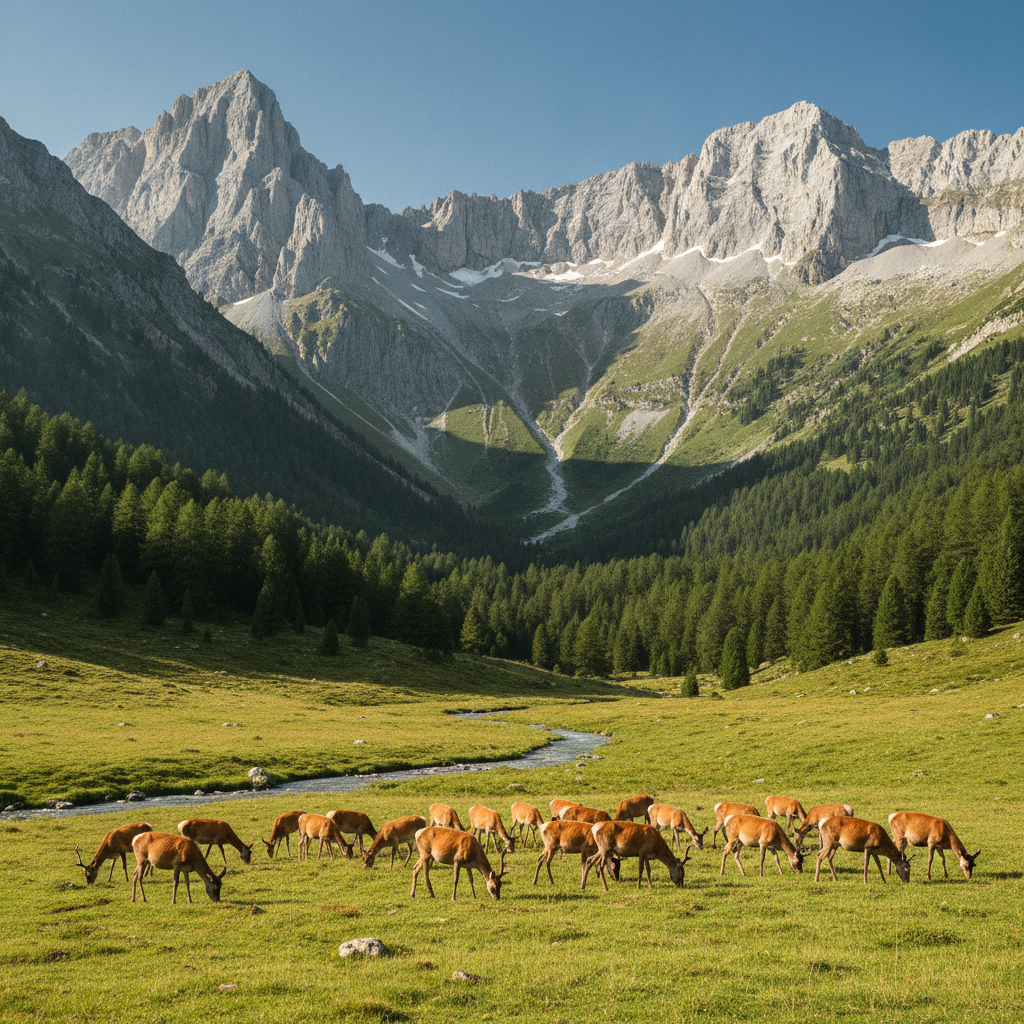
Swiss National Park & Graubünden — Switzerland's Alpine Wilderness
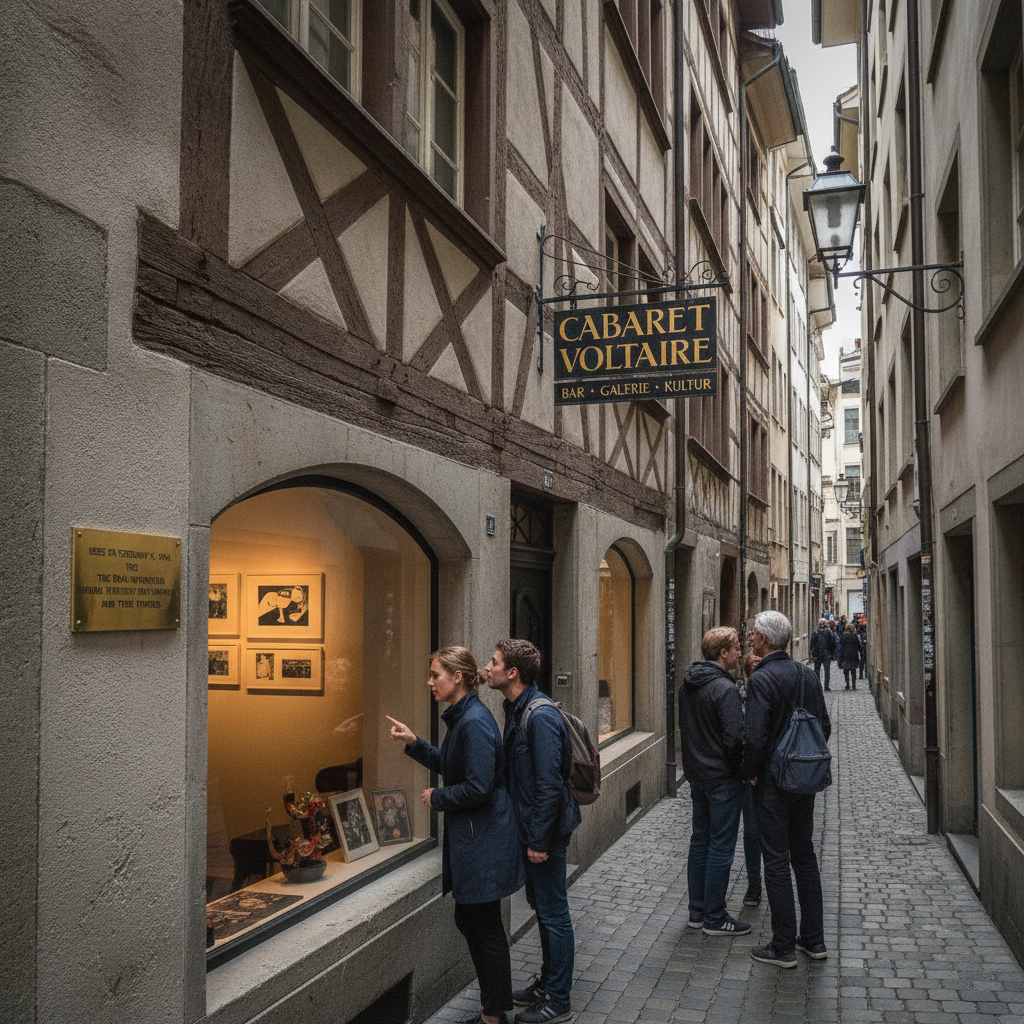
Cabaret Voltaire — Where Dada Was Born & Zurich's Cultural Underground
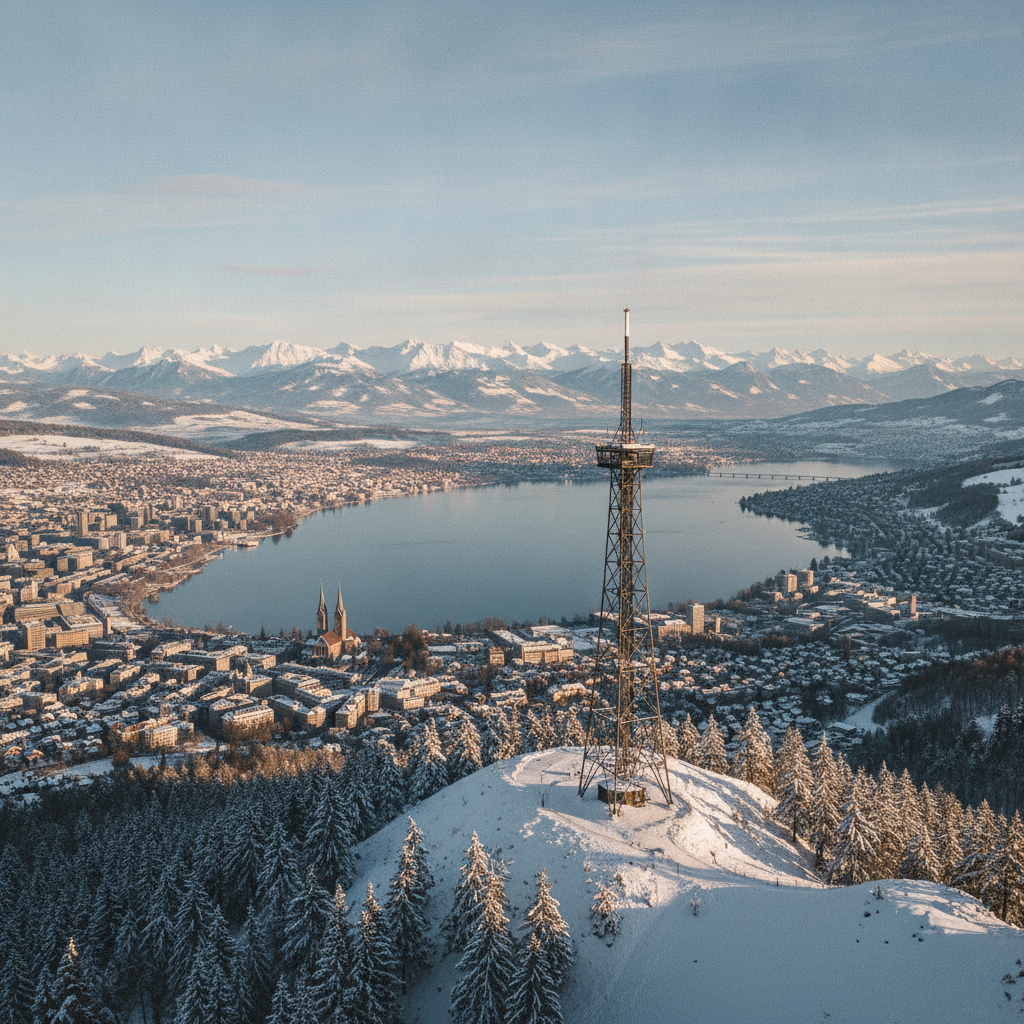
Uetliberg Mountain — Zurich's Local Mountain & Alpine Panorama
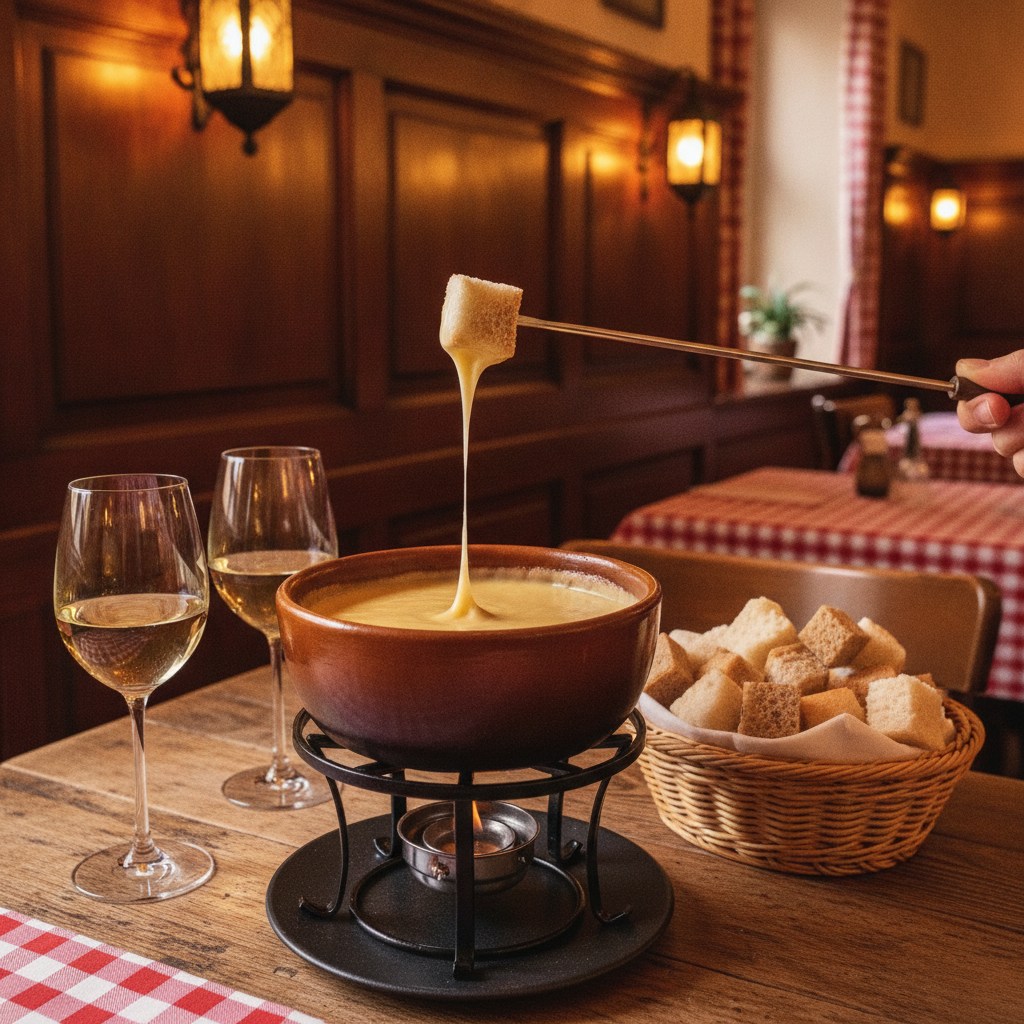
Swiss Food in Zurich — Fondue, Raclette, Rösti & Swiss Chocolate
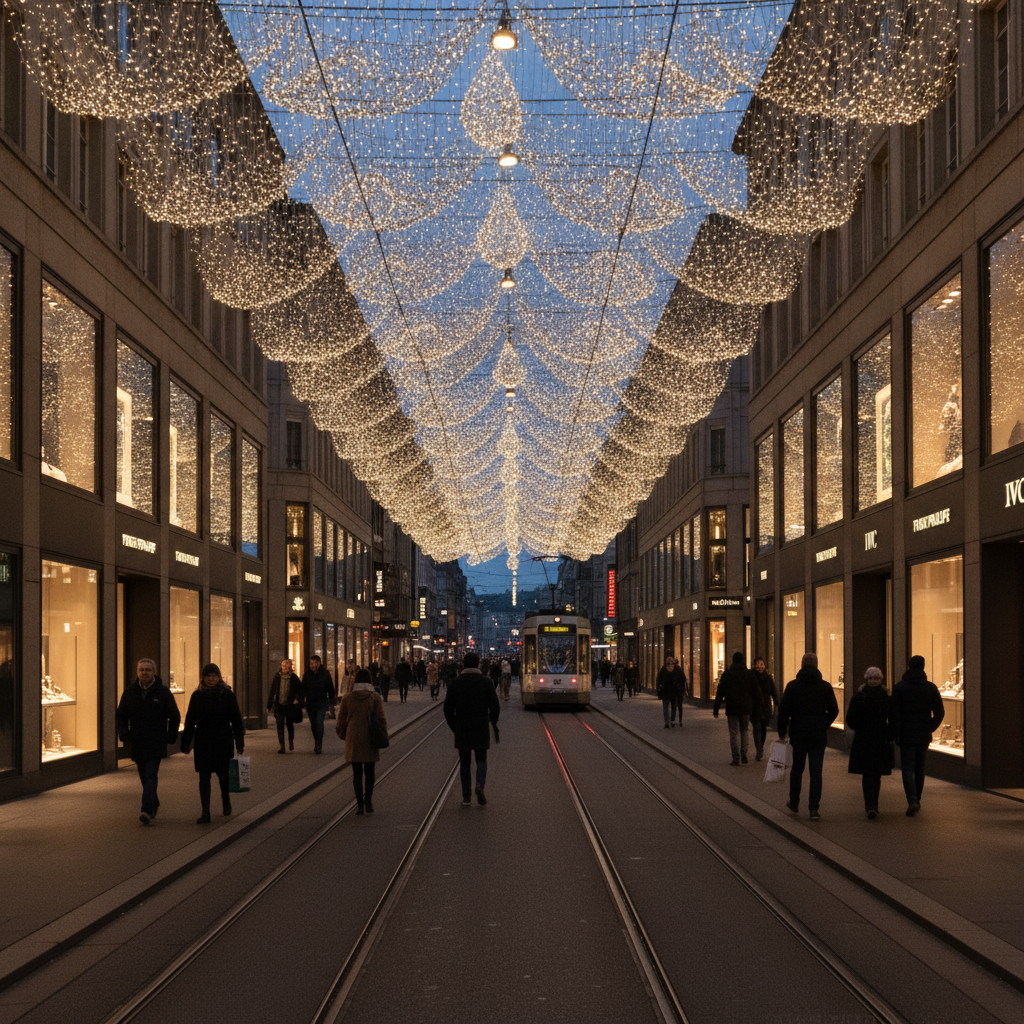
Bahnhofstrasse, the Kunsthaus & Zurich's Museum District