New York
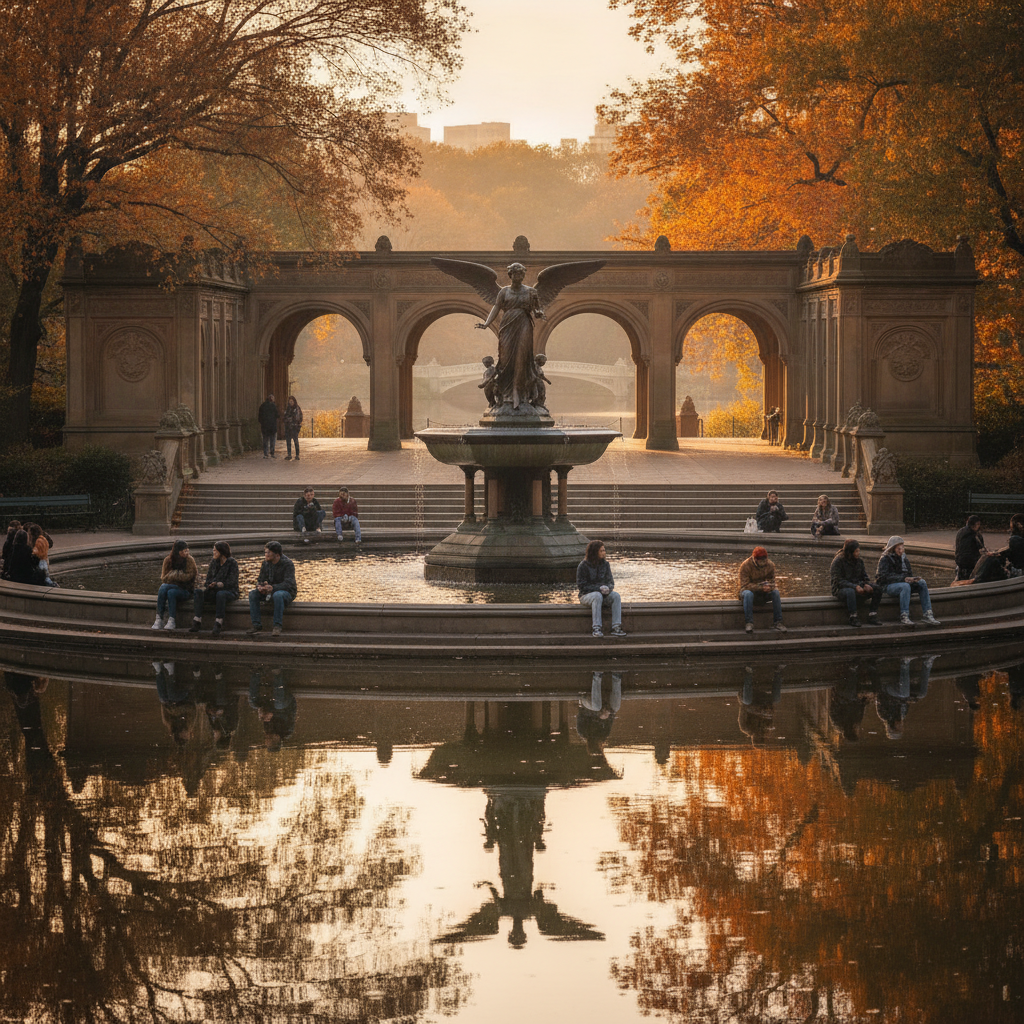
Central Park & Museum Mile: Art, Nature & the Heart of Manhattan
Central Park—843 acres of meadows, lakes, woodland and formal gardens in the middle of Manhattan, completed 1876 from a design by Frederick Law Olmsted and Calvert Vaux—is the most visited urban park in the United States (42 million visits a year). On its eastern edge runs Museum Mile: five blocks of Fifth Avenue containing the Metropolitan Museum of Art (the largest art museum in the Western hemisphere), the Guggenheim, and the American Museum of Natural History. This walk combines the park's best interior spaces with the world-class museums on its edge—a day that could easily expand to two or three.
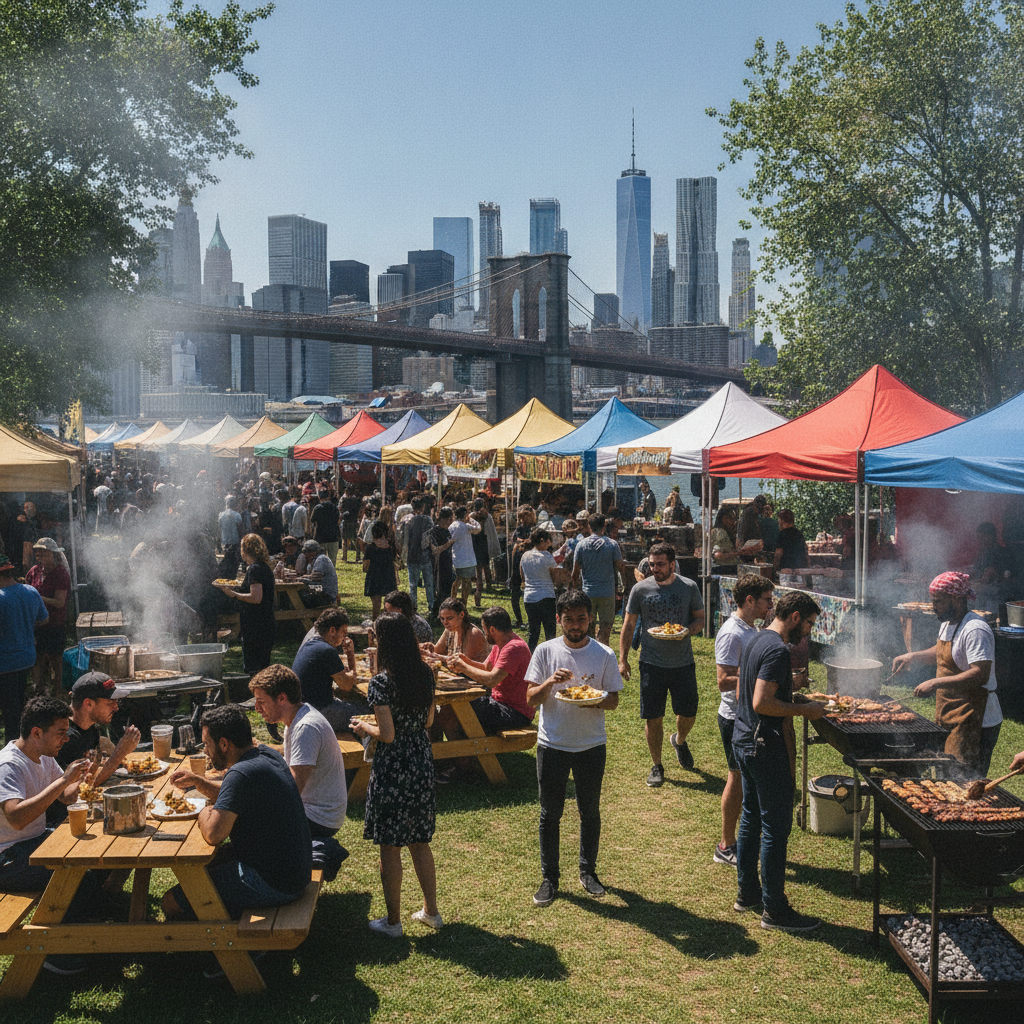
Brooklyn: Food Markets, Art & the Best Views of Manhattan
Brooklyn—New York's most populous borough and, since the early 2000s, the epicenter of the city's food, art and culture scenes—offers experiences unavailable in Manhattan: the Saturday food markets at Brooklyn Bridge Park (Smorgasburg, the largest open-air food market in America), the design district of DUMBO, the landmarked brownstones of Brooklyn Heights, the Victorian-era grandeur of Prospect Park, and the Brooklyn Museum (the second-largest art museum in New York). All of this, plus the most famous views of the Manhattan skyline available anywhere.
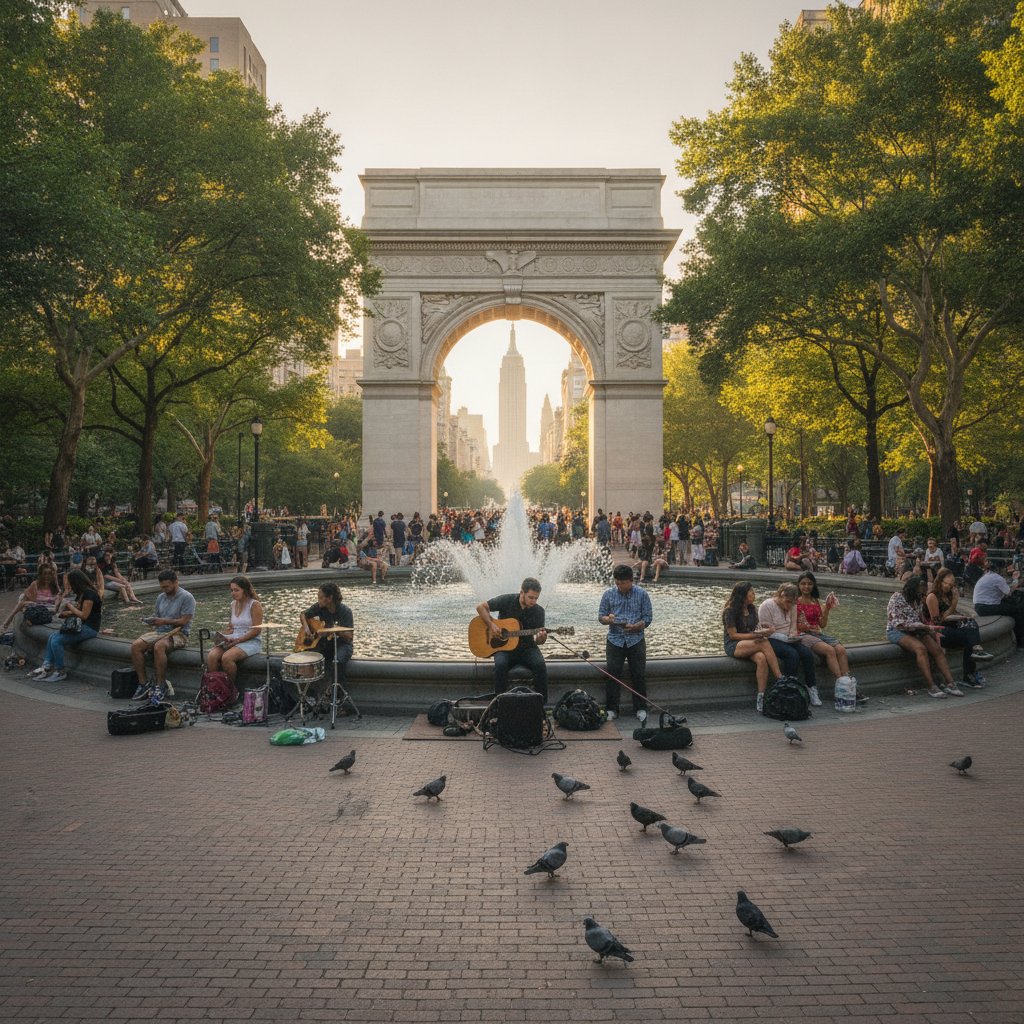
Greenwich Village & SoHo: Bohemian Heart of Downtown Manhattan
Greenwich Village—New York's bohemian neighborhood since the 1910s, home to the Beat Generation, the folk revival (Bob Dylan played his first New York gig here in 1961), the gay rights movement (the Stonewall riots, 1969) and generations of artists, writers and radicals—sits directly north of SoHo, the neighborhood of cast-iron Victorian warehouse buildings that was the center of the New York art world in the 1960s–1980s and is now the world's most expensive retail shopping district. Together they form the most historically and culturally rich two-square-mile area in American urban life.
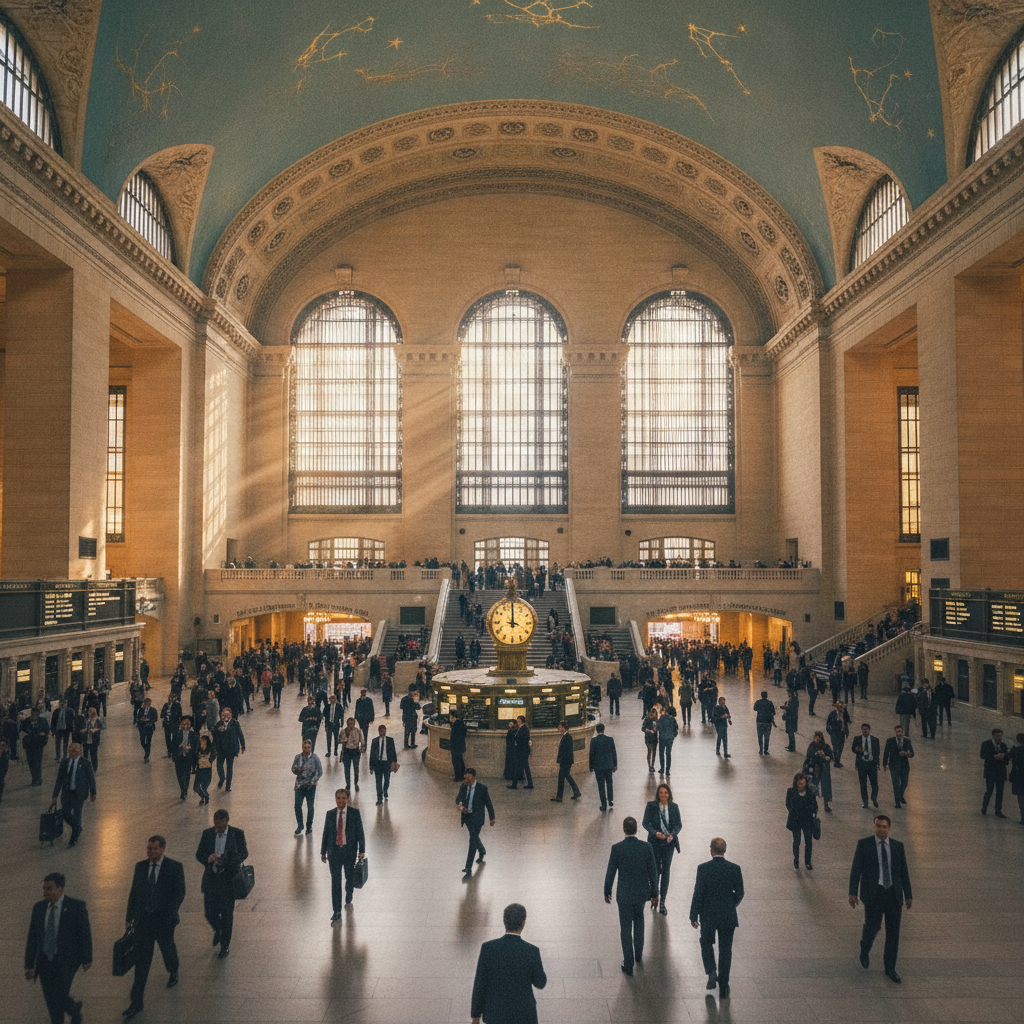
Midtown Icons: Grand Central, Rockefeller Center & Times Square
Midtown Manhattan—the section of Manhattan between 34th and 59th Streets—is the commercial and architectural heart of New York, where the city's most famous buildings, institutions and public spaces cluster within walking distance. This walk visits six of the greatest: Grand Central Terminal (the most beautiful train station in the world), the Chrysler Building (the most beautiful skyscraper in the world), the New York Public Library, Rockefeller Center (the greatest urban development of the 20th century), St Patrick's Cathedral, and Times Square (the world's most famous intersection).
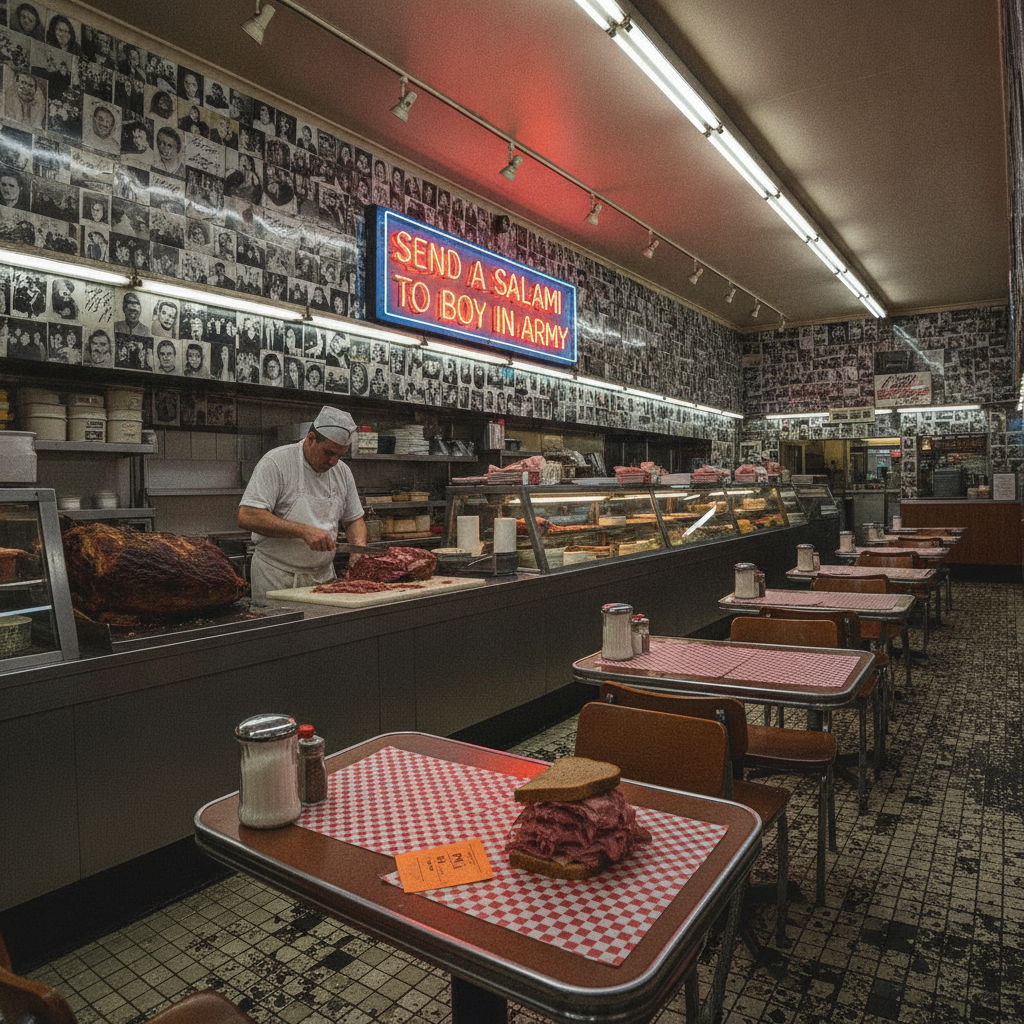
Lower East Side & Chinatown: The Immigrant City
The Lower East Side—the neighborhood between Houston Street, the East River, Canal Street and the Bowery—was the most densely populated place on Earth in the early 20th century, when it housed the largest concentration of Jewish immigrants in the world: 330,000 people per square mile in 1910. The tenement buildings of Orchard, Essex and Delancey Streets were the entry point for hundreds of thousands of Eastern European Jewish immigrants; today the neighborhood's character has shifted (nightlife, galleries, gentrification) but its food institutions—Katz's Deli, Russ & Daughters, Economy Candy—remain among the best in New York. Just to the south is Chinatown, the largest Chinese-American community in the US and the most authentic Chinese food neighborhood outside China.
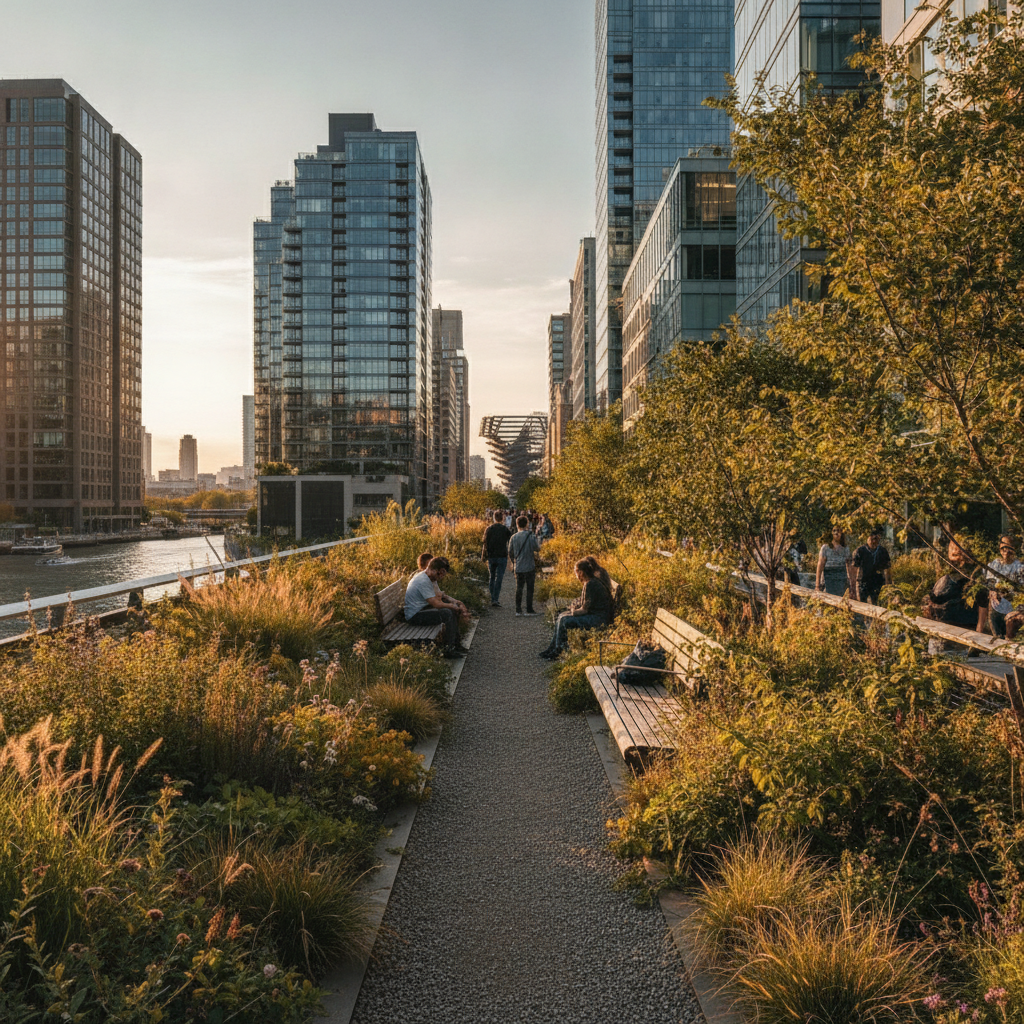
The High Line & Hudson Yards: New York's Reinvented West Side
The High Line—a 1.45-mile elevated linear park built on a disused freight railway line that ran through the western edge of Manhattan (1934–1980)—opened in 2009 and became one of the most successful urban regeneration projects in American history. It sparked the transformation of West Chelsea, the Meatpacking District and Hudson Yards from industrial zones to some of the most expensive real estate on Earth. This walk traces the High Line from its southern terminus at the Whitney Museum of American Art northward to Hudson Yards (the biggest private real estate development in US history), then back south to the edge of the Hudson at Little Island.
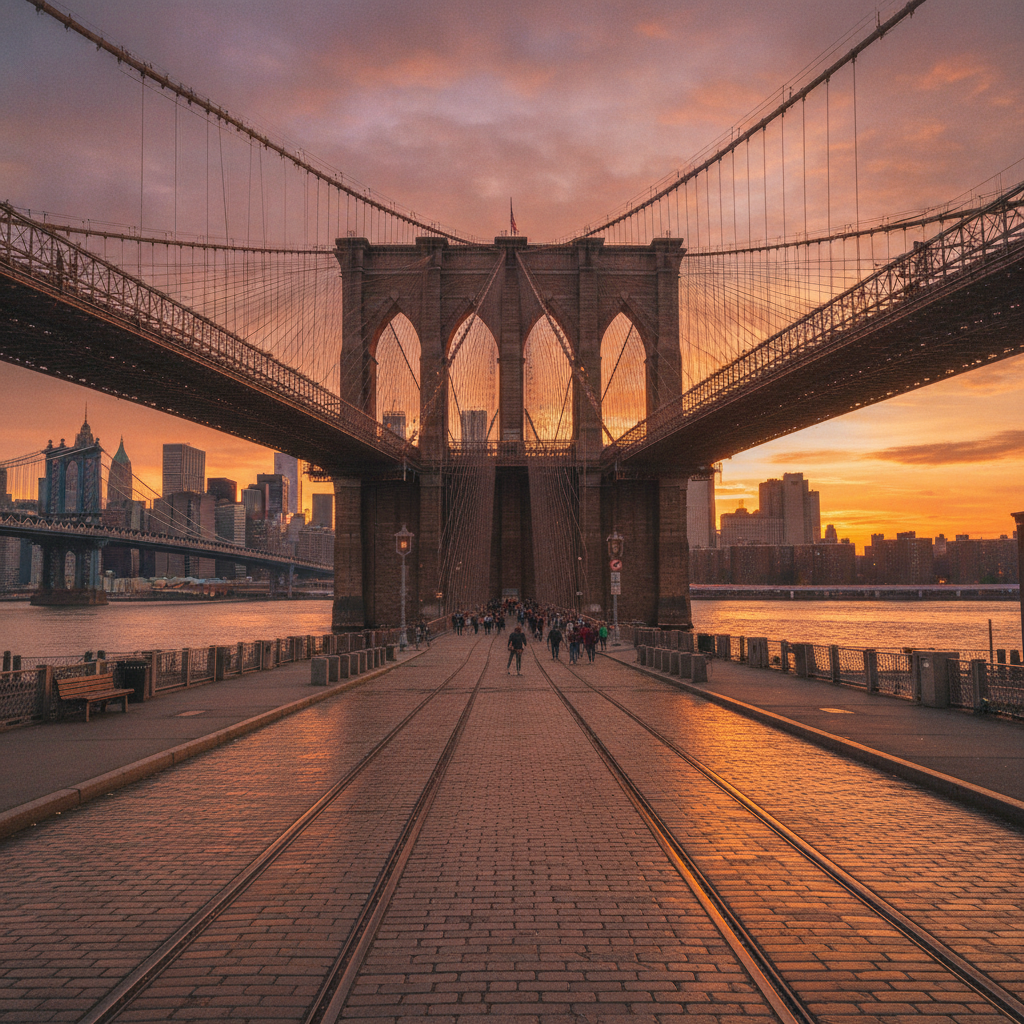
Lower Manhattan: Icons, Wall Street & the Brooklyn Bridge
Lower Manhattan is where New York began—and where its mythology runs deepest. This walk moves from Battery Park (where the first Dutch settlers landed in 1624 and where you catch the ferry to the Statue of Liberty) north through the financial district's canyon of skyscrapers to the Brooklyn Bridge, then crosses to DUMBO for the most famous view of the Manhattan skyline in existence. It covers 400 years of American history in about 3 miles: from the colonial fort to the Federal Hall where Washington was inaugurated, to the world's most famous suspension bridge, completed in 1883.
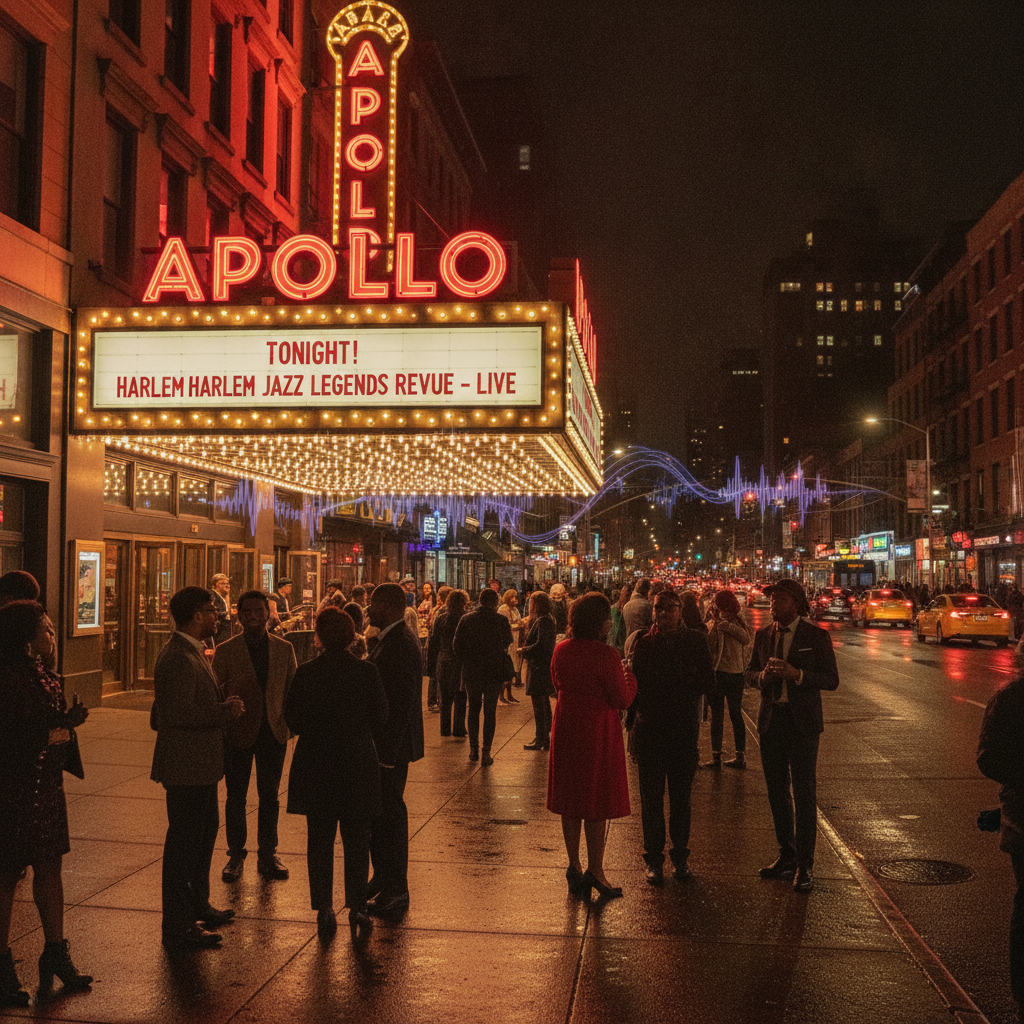
Harlem: Jazz, Soul Food & the African American Renaissance
Harlem—the neighborhood of upper Manhattan above 110th Street, which became the center of African American cultural and intellectual life following the Great Migration of the early 20th century—is the birthplace of jazz as we know it, the site of the Harlem Renaissance (the extraordinary flowering of African American art, literature and music in the 1920s and 30s), and home to some of the greatest soul food restaurants in the United States. This walk moves through the cultural landmarks that made Harlem the most important neighborhood in American music history.