Cartagena
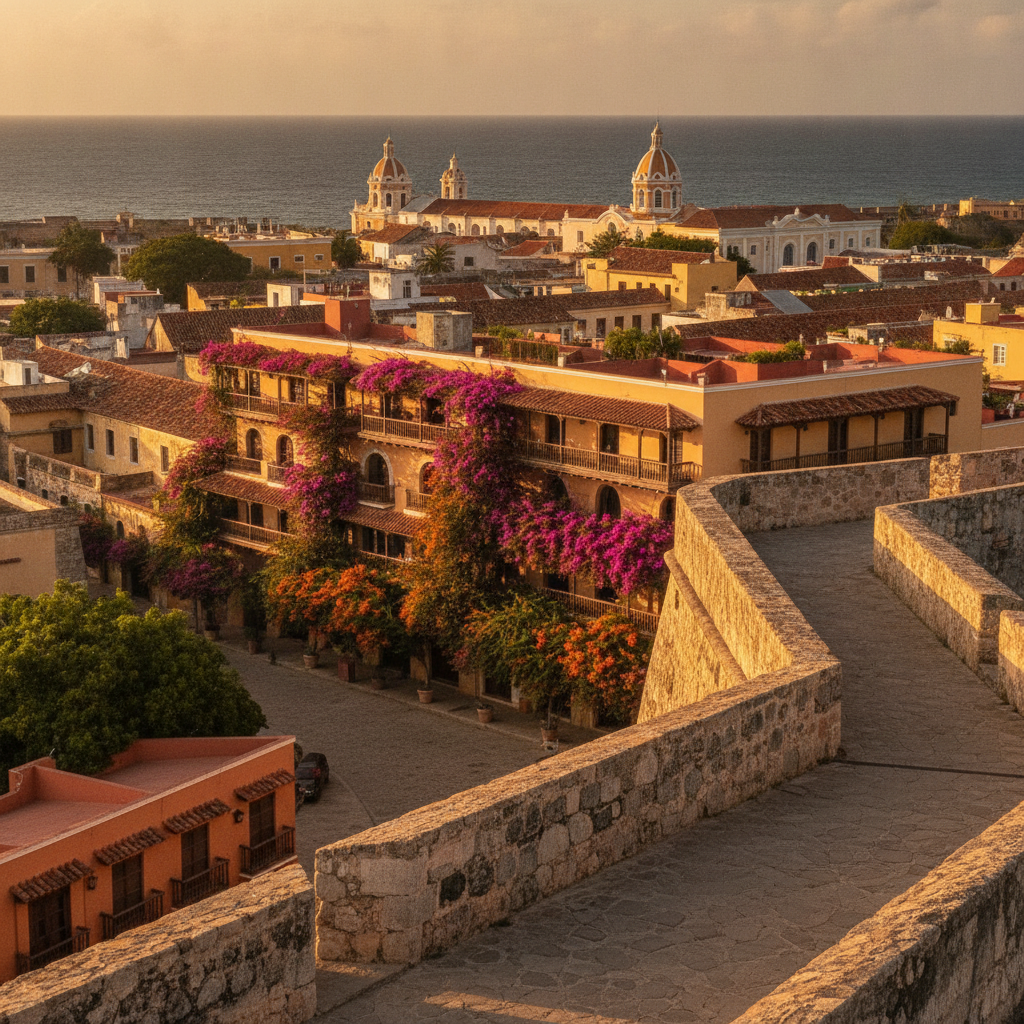
La Ciudad Amurallada — Cartagena's UNESCO Walled Colonial City
Cartagena de Indias (the port city on the Caribbean coast of Colombia — UNESCO World Heritage Site (designated 1984) and the most visited tourist destination in Colombia after Bogotá): the 'Ciudad Amurallada' (the 'Walled City' — the historic colonial core of Cartagena, enclosed within the 11-kilometre (6.8-mile) Spanish colonial fortified city wall (the 'Las Murallas') built from the 16th through 18th centuries) is the best-preserved Spanish colonial city in the Americas and the most photographed city in Colombia.
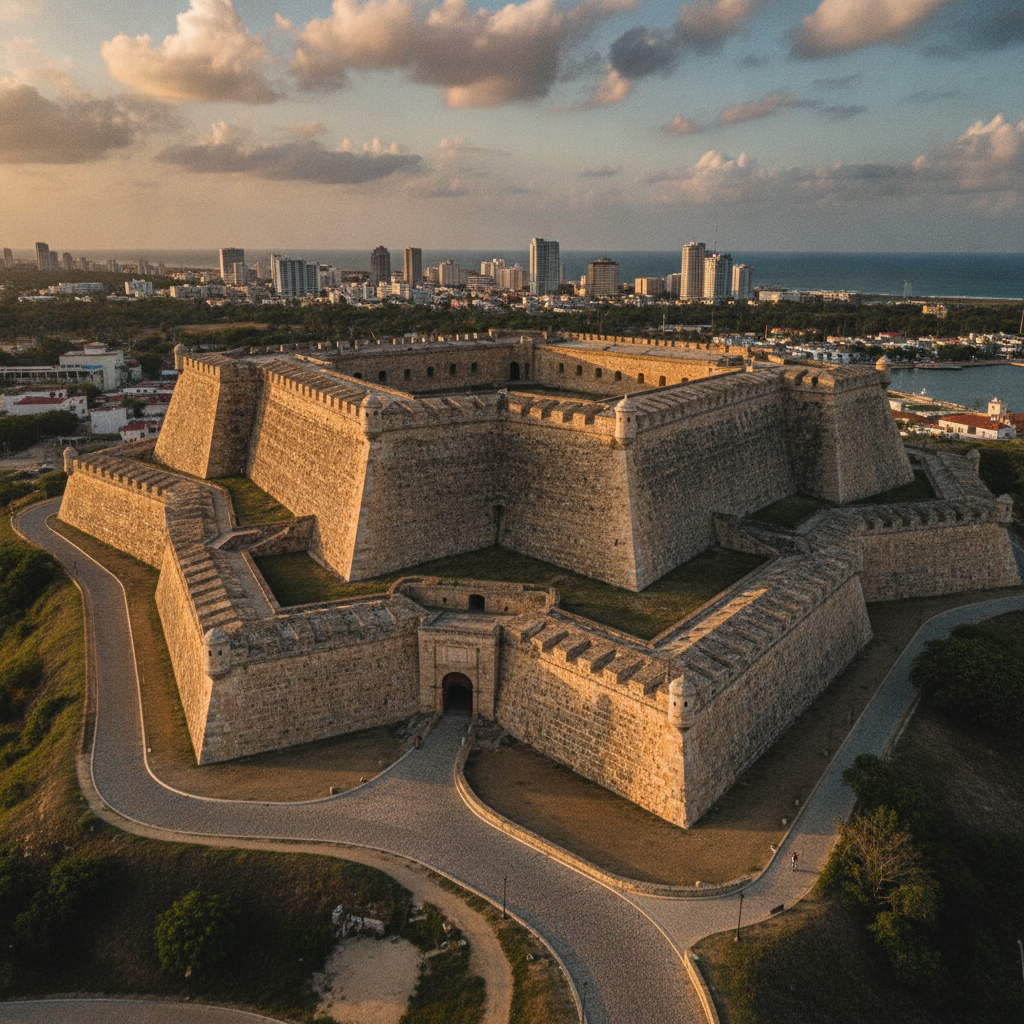
Castillo San Felipe de Barajas & Cartagena's Military Heritage
The Castillo San Felipe de Barajas (the massive Spanish colonial fortress on the San Lázaro hill overlooking Cartagena — the largest fortress built by Spain in the Americas, constructed in multiple phases from 1536 to 1796) is the supreme achievement of Spanish colonial military architecture and the fortress that successfully repelled the largest British naval expedition in history in the Battle of Cartagena de Indias (1741).
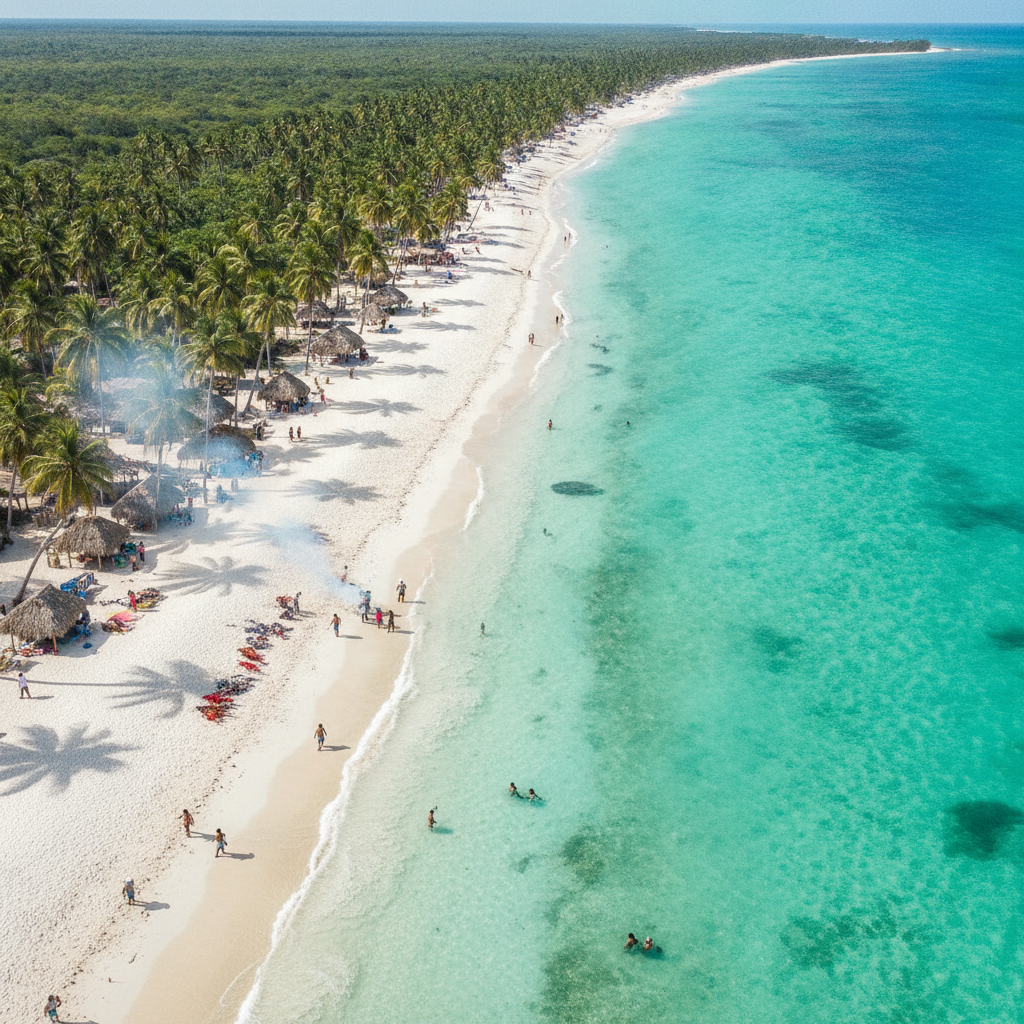
Playa Blanca, Barú & Cartagena's Caribbean Beach Experience
The Caribbean coast beaches accessible from Cartagena — the Playa Blanca on the Barú Peninsula (the most beautiful beach in Colombia, 45 minutes by boat), the Islas del Rosario (the coral island archipelago in the national marine park, 45-90 minutes by boat), and the beaches of Bocagrande and Marbella (the urban beaches adjacent to the walled city) — together constitute one of the finest Caribbean beach experiences available in South America.
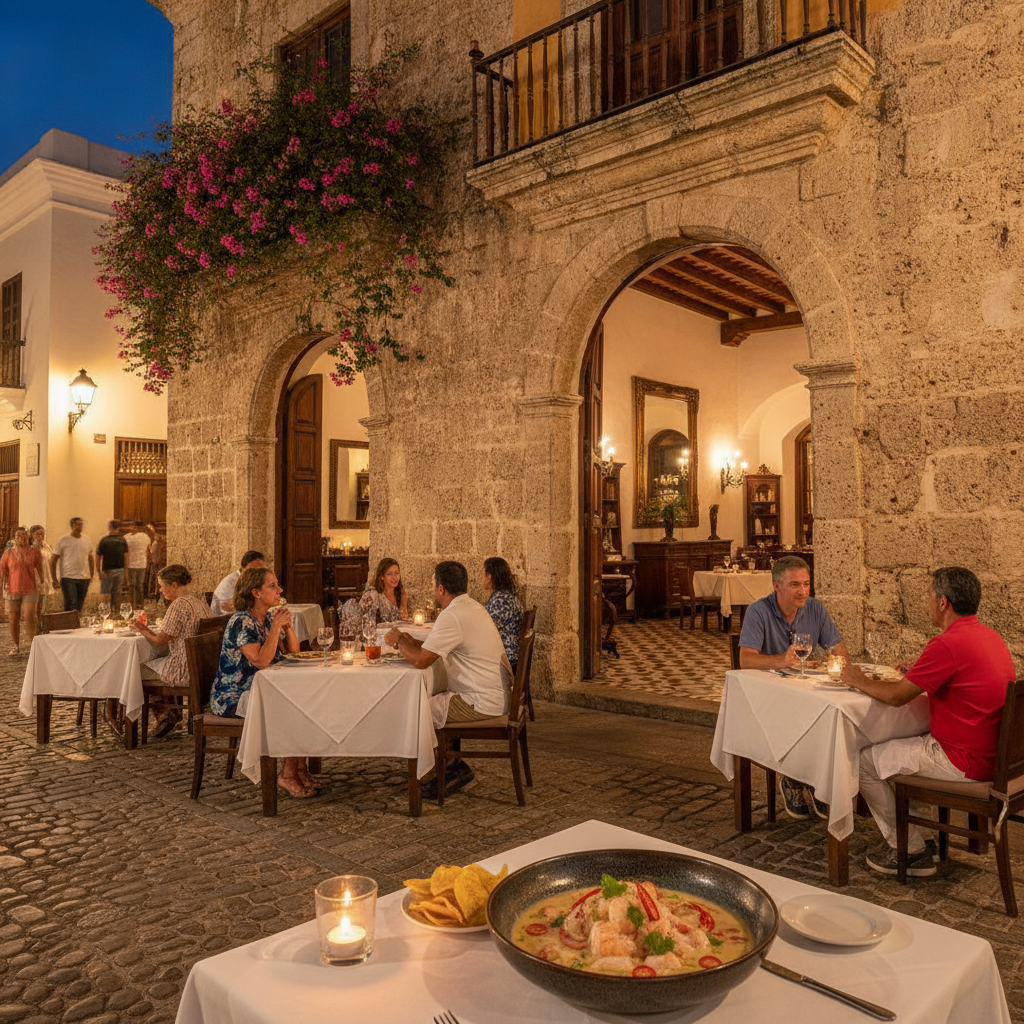
Cartagena's Modern Restaurant Scene & Creative Colombian Cuisine
Cartagena's modern restaurant scene (the collection of creative restaurants in the walled city and Getsemaní that has made Cartagena one of the most exciting gastronomic destinations in South America in the 2010s-2020s — the restaurants serving the contemporary interpretations of the Colombian Caribbean coast cuisine alongside the international influences of the city's cosmopolitan tourism industry) has transformed the city into a culinary destination of international renown.
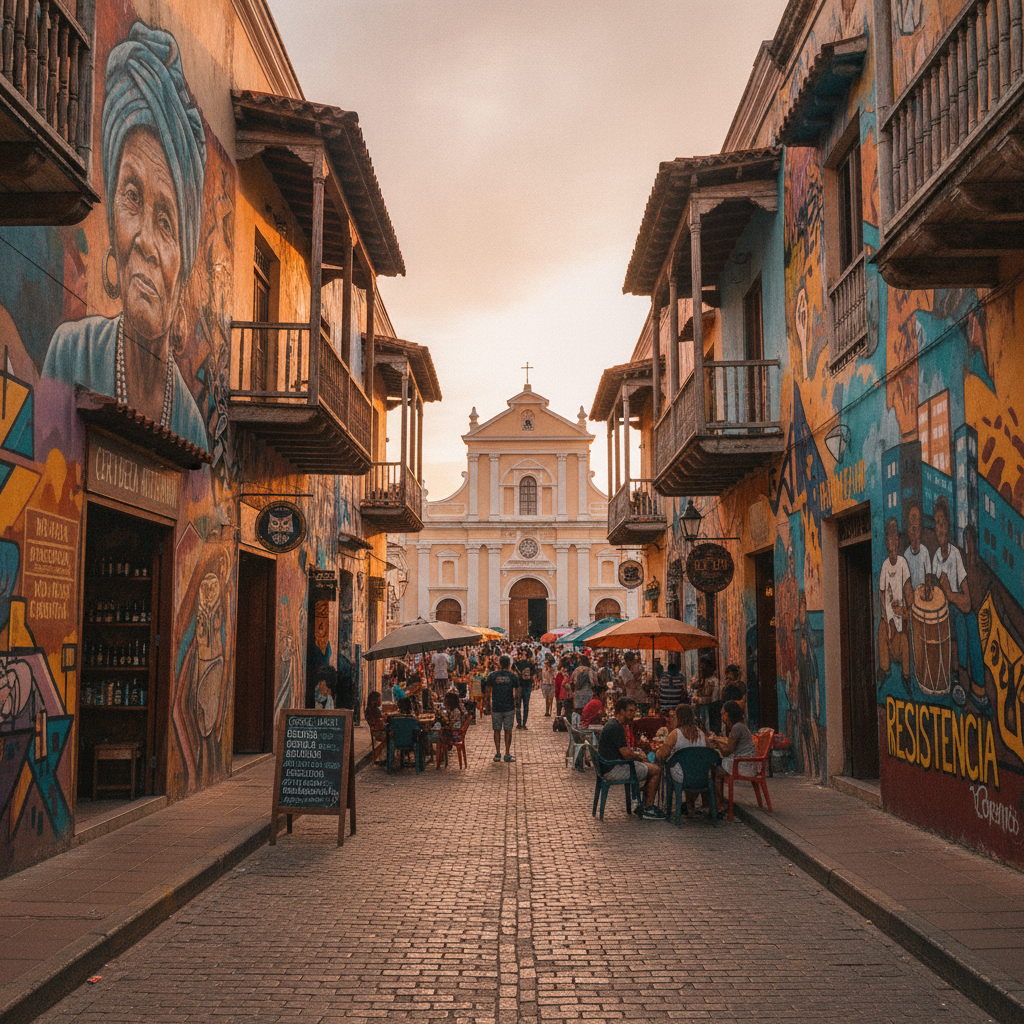
Getsemaní, Street Art & Cartagena's Creative Underground
Getsemaní (the neighbourhood immediately outside the city wall of Cartagena — the former working-class neighbourhood that has undergone the most dramatic creative transformation of any neighbourhood in Colombia in the 2010s, from a dangerous, marginalized area to the most vibrant arts, street food, craft beer, and nightlife destination in Cartagena) is now the most exciting neighbourhood in the city.
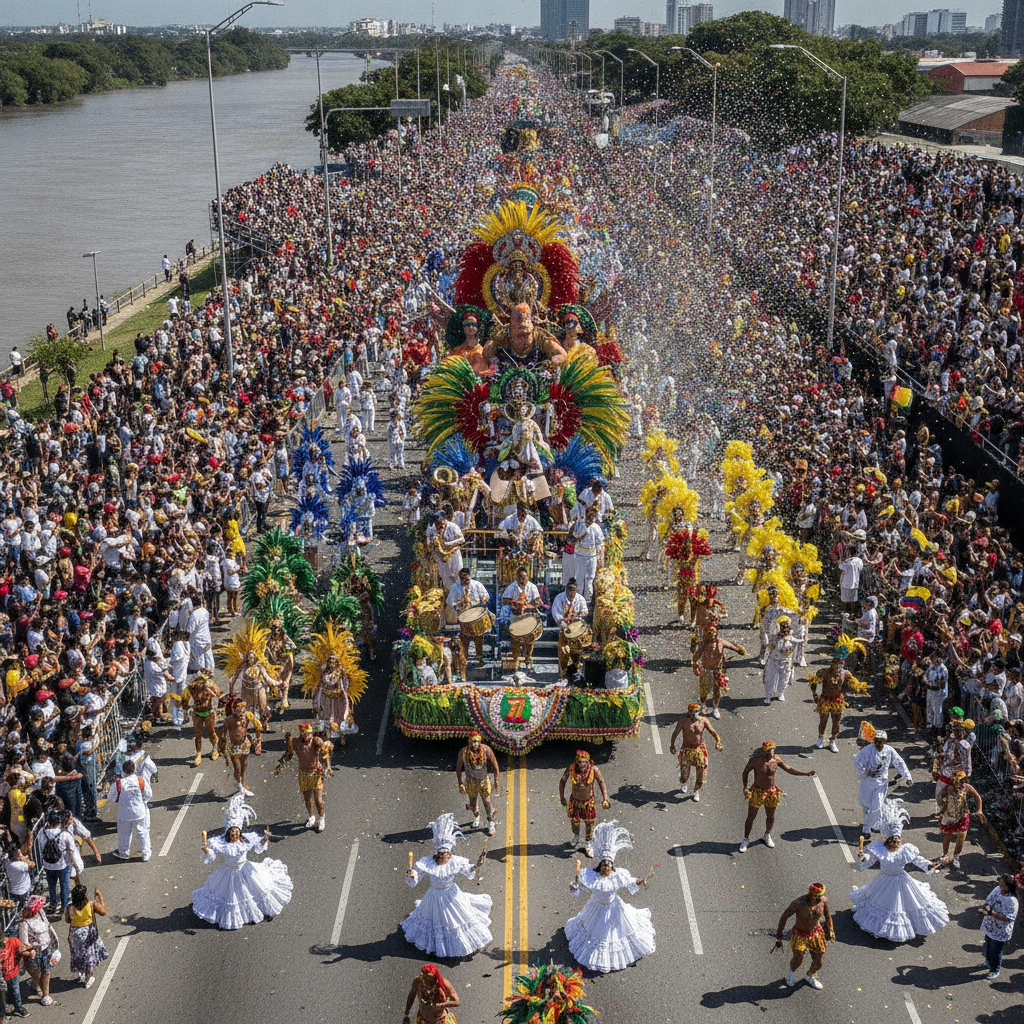
Barranquilla Carnaval & Colombia's Caribbean Coast Culture
The Carnaval de Barranquilla (the UNESCO Intangible Cultural Heritage of Humanity carnival held in the port city of Barranquilla, 120 km northeast of Cartagena — the second largest carnival in the world after the Rio de Janeiro Carnaval, with approximately 1.5-2 million participants during the 4-day event held in the days before Ash Wednesday) and the broader Colombian Caribbean coast culture (the cumbia, the porro, the mapalé, the vallenato, and the Afro-Colombian cultural traditions of the Barranquilla-Cartagena region) are accessible as a day trip or short excursion from Cartagena.
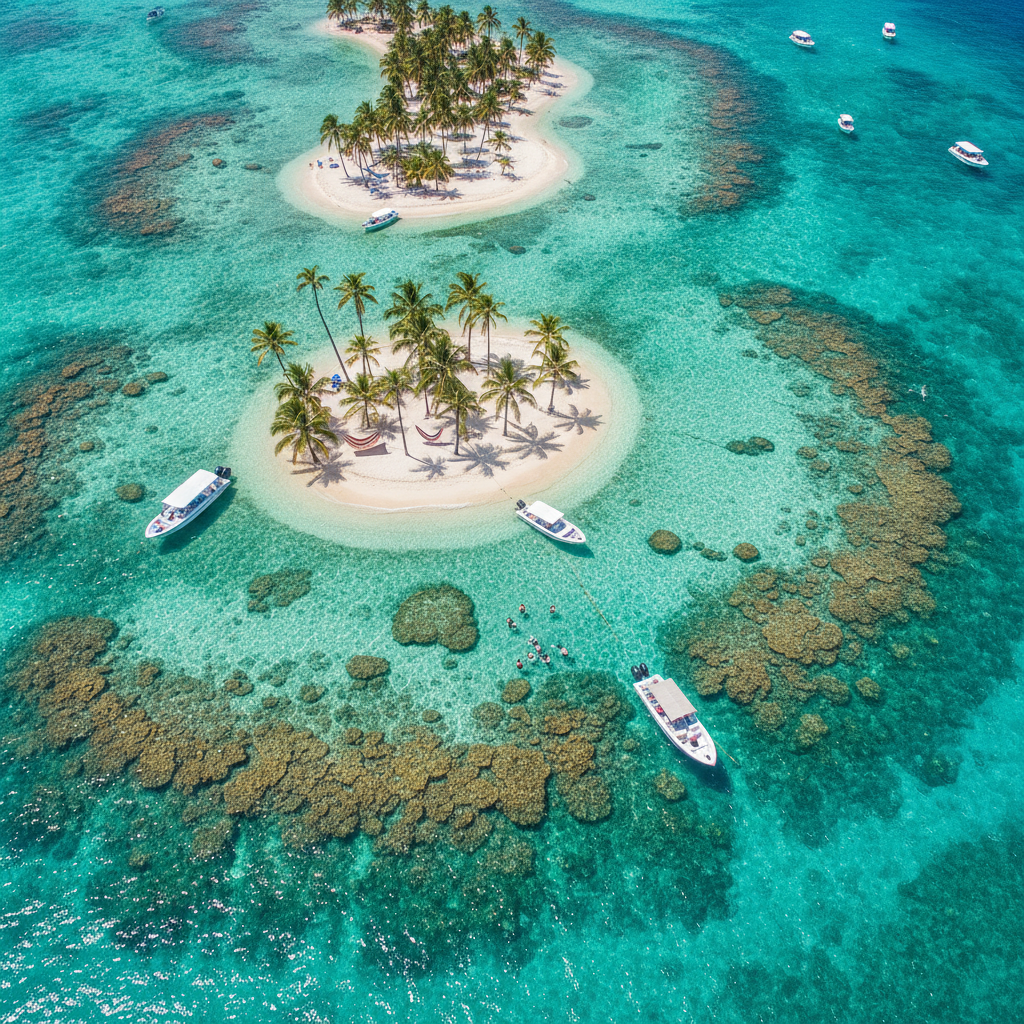
Islas del Rosario, Diving & Cartagena's Marine Park
The Islas del Rosario (the 27-island coral archipelago in the Parque Nacional Natural Corales del Rosario y San Bernardo, 45 km southwest of Cartagena) offer some of the finest coral reef scuba diving and snorkelling in Colombia, with the extraordinary water clarity of the Caribbean, the elkhorn and brain coral formations, and the diverse marine life of the Colombian national marine park.
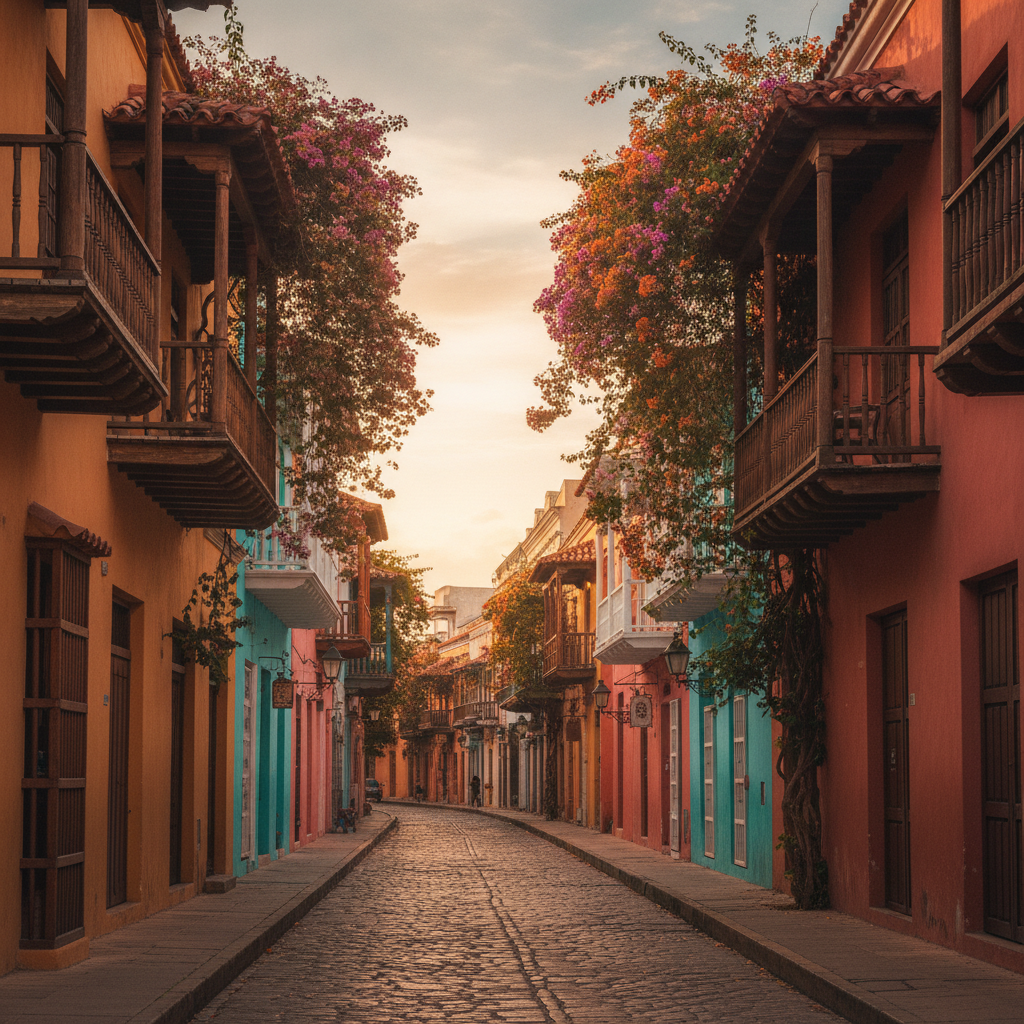
Cartagena's Coloured Colonial Architecture & Bougainvillea
Cartagena's coloured colonial architecture (the ochre, yellow, pink, terracotta, and blue facades of the Spanish colonial buildings in the walled city, draped in the purple, orange, and red bougainvillea that spills over every balcony and rooftop) is the defining visual identity of the city — the image that has made Cartagena the most photographed city in Colombia and one of the most photographed in all of Latin America.
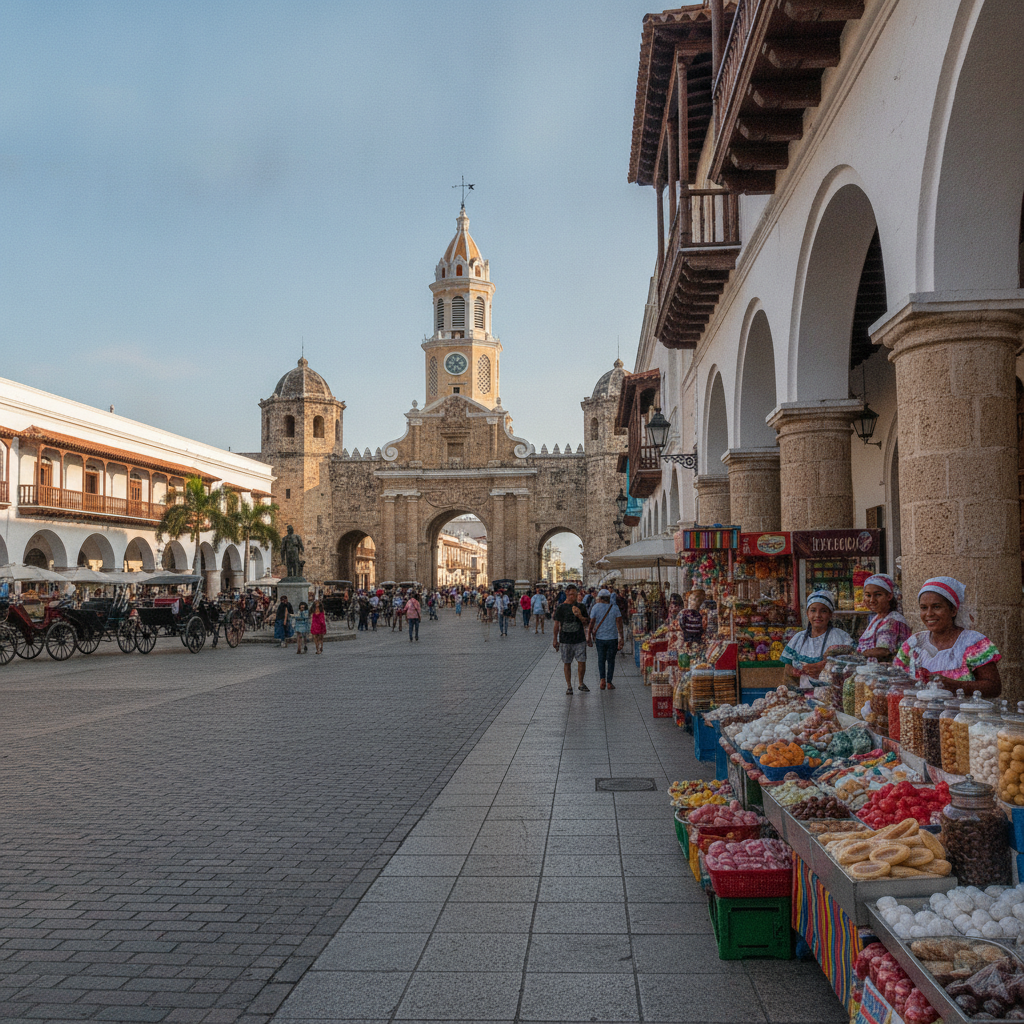
The Historic Plazas, Convents & Mansions of Cartagena
The historic plazas of Cartagena's walled city — the Plaza de Bolívar, the Plaza de los Coches (the 'Coach Square' — the plaza at the Puerta del Reloj gate where the slave market was held in the colonial period), the Plaza de la Aduana (the 'Customs House Square'), and the Plaza de San Pedro Claver — and the historic convents and mansions that surround them are the architectural heart of the UNESCO Heritage Site.