Bologna
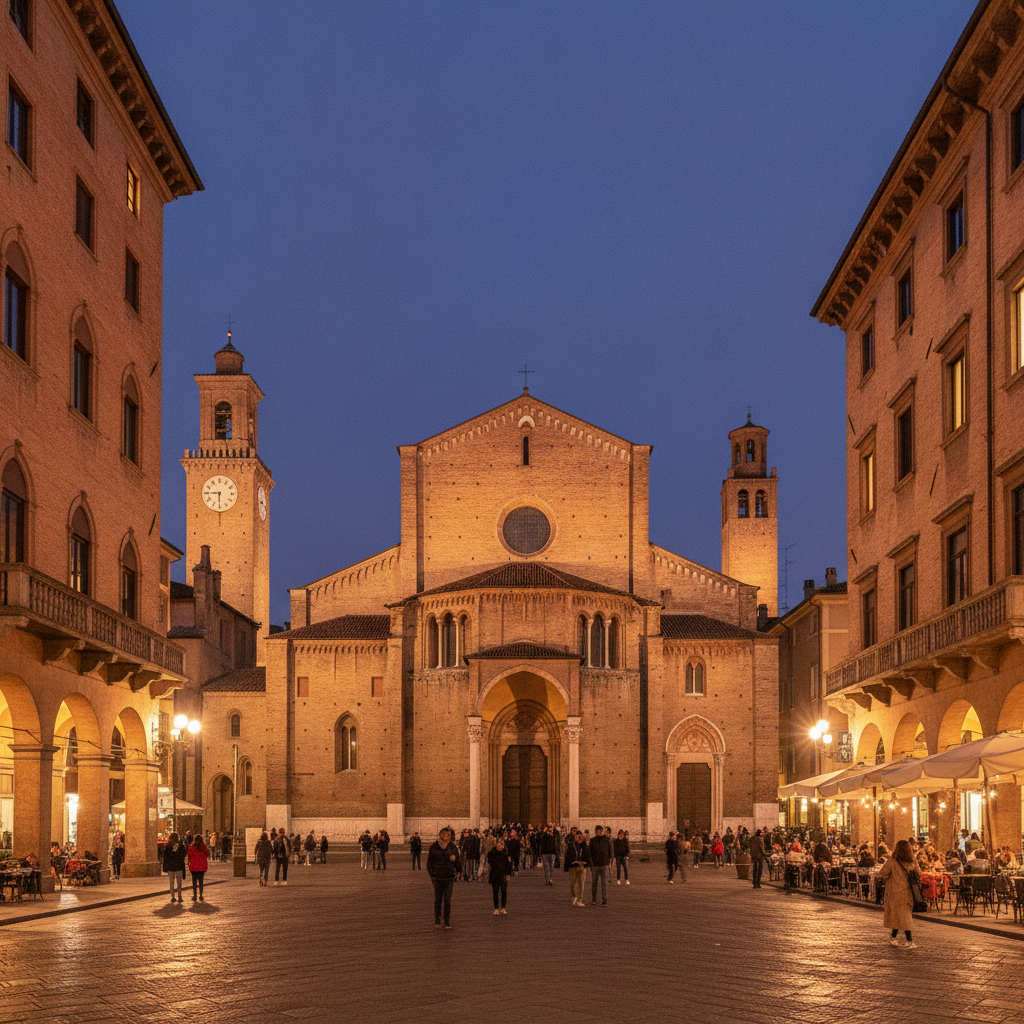
Santo Stefano Basilica, Medieval Palazzi & Bologna After Dark
The Piazza Santo Stefano and the surrounding medieval quarter of Bologna — the most atmospheric corner of the city — at night transforms into the heart of the Bologna social life: the aperitivo hour ('aperitivo bolognese' — the pre-dinner drink culture of Bologna, the city's most convivial social ritual), the restaurants and the 'osterie' of the historic centre filling as the university students and the city residents settle in for the long Bolognese evening.
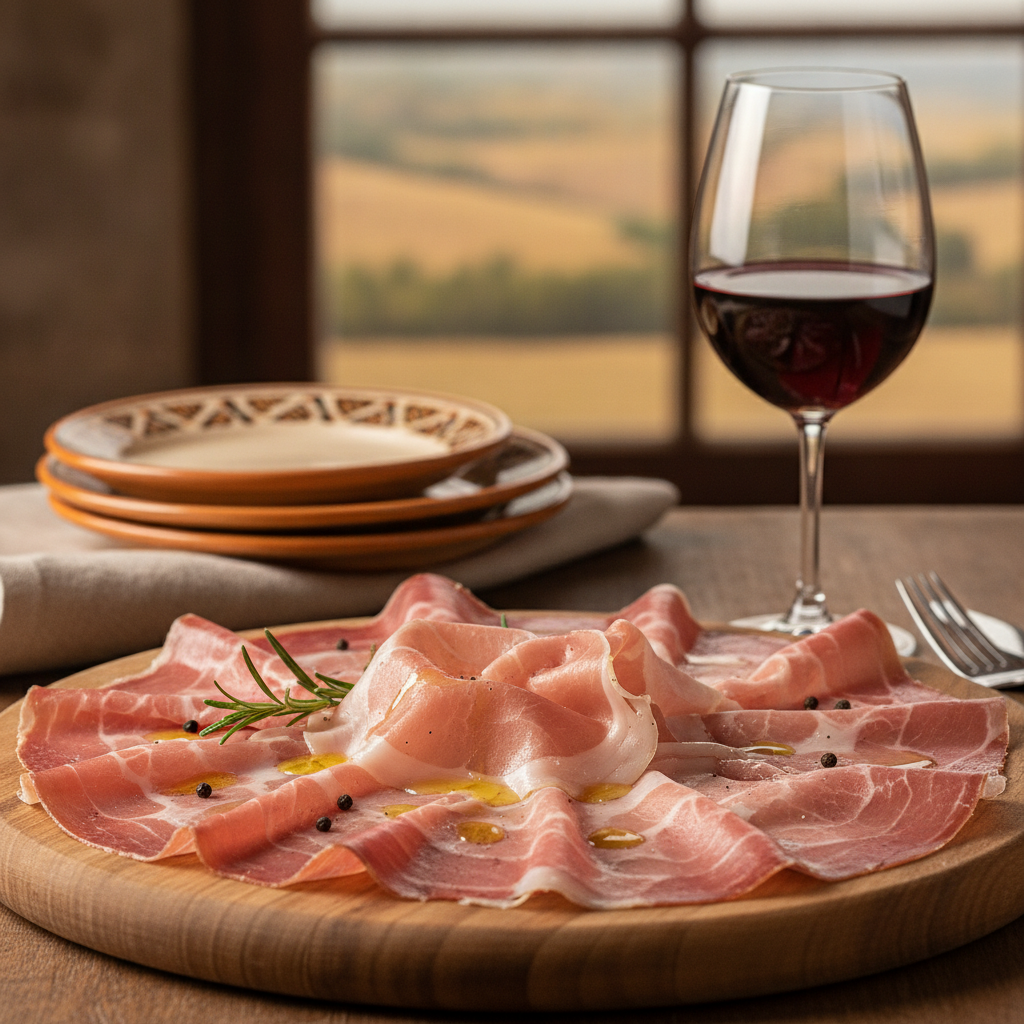
Parma Day Trip — Prosciutto, Duomo & Verdi's Homeland
Parma (the city 97 km west of Bologna, 1 hour by direct train) is the food capital of Emilia-Romagna after Bologna: the home of the Prosciutto di Parma DOP (the 'Parma ham' — the most internationally famous Italian charcuterie product), the Parmigiano-Reggiano cheese (produced in the area around Parma as well as around Bologna and Modena), and the Ducato di Parma (the Duchy of Parma — the independent duchy whose cultural legacy includes the Parma Cathedral frescoes by Correggio and the Teatro Farnese (the first permanent theatre with a proscenium arch in the world).
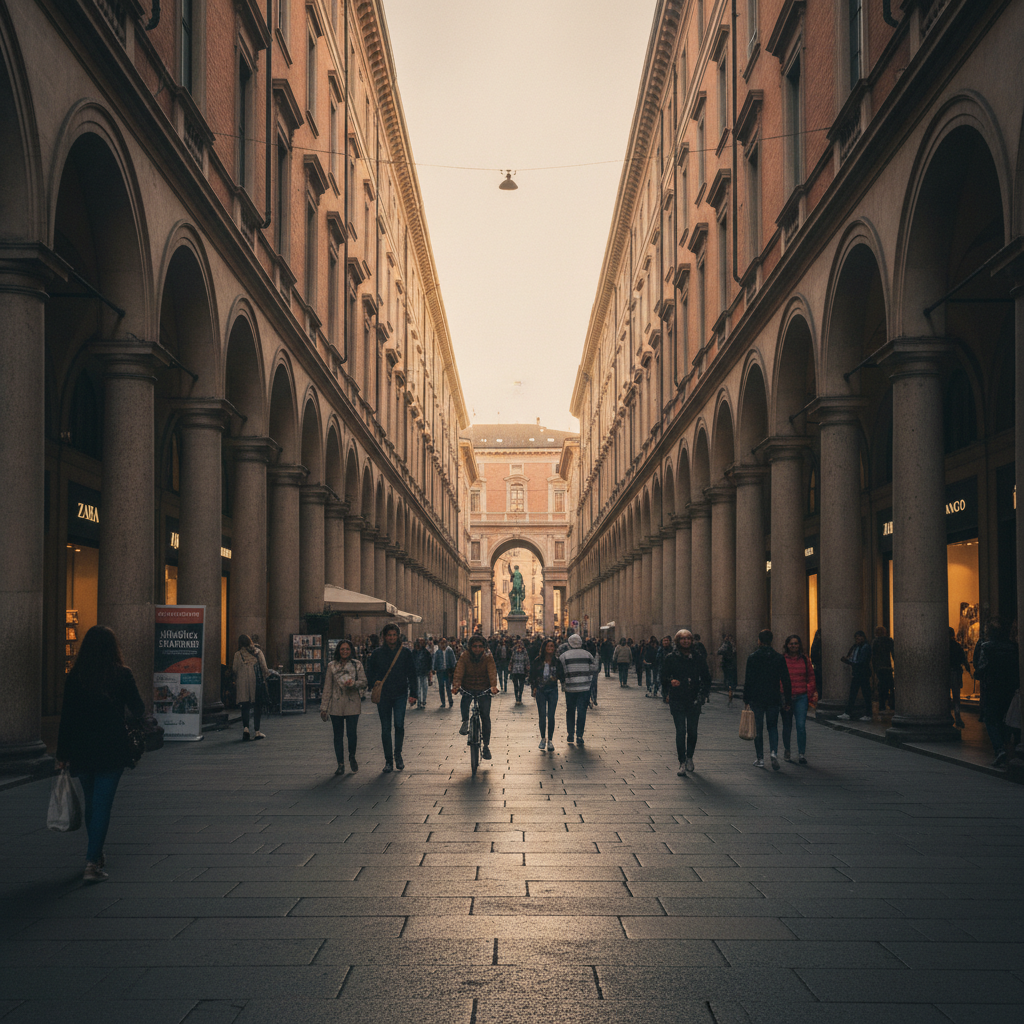
Via dell'Indipendenza, Shopping & Bologna's Artisan Culture
The Via dell'Indipendenza (the main shopping street of Bologna — the wide, straight thoroughfare running from the Piazza del Nettuno to the Porta Galliera, lined on both sides with the shops, the cafés, and the boutiques under the characteristic Bologna porticoes) and the surrounding streets (the Via Rizzoli, the Via Ugo Bassi, and the Via Caprarie) together form the most animated commercial centre of Bologna, the city where shopping under the porticoes is one of the most pleasant retail experiences in Italy.
Ravenna Mosaics Day Trip — UNESCO Byzantine Art Capital
Ravenna (the city 75 km east of Bologna, accessible in 1 hour by direct train) is the UNESCO World Heritage capital of Byzantine mosaic art — the city that was the capital of the Western Roman Empire (402-476 AD), the capital of the Ostrogothic Kingdom of Italy (493-540 AD), and the capital of the Byzantine Exarchate of Ravenna (584-751 AD), each period leaving the extraordinary mosaic-decorated churches and mausoleums that make Ravenna the most important Byzantine art site outside Constantinople.
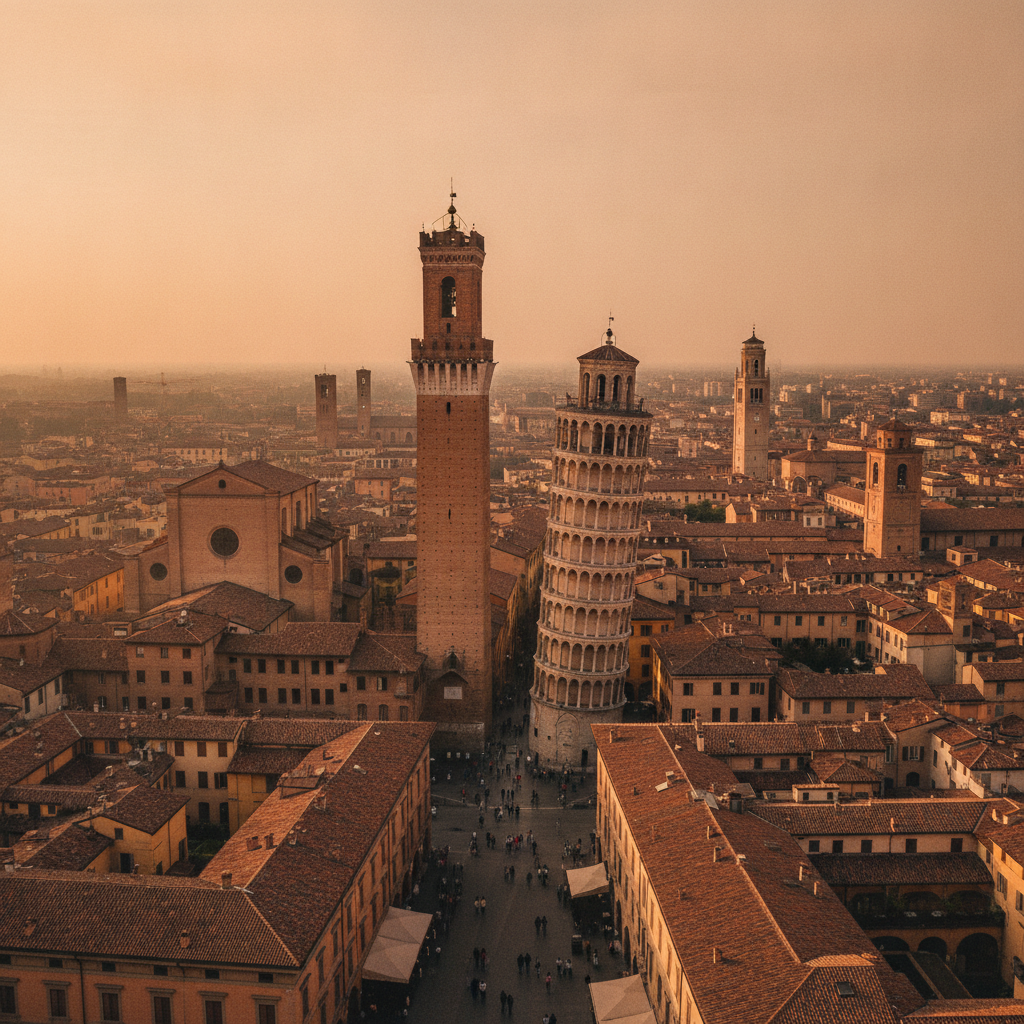
Bologna's Porticoes, Medieval Towers & UNESCO Historic Centre
Bologna is 'La Rossa' (the 'Red One' — the city of the red brick buildings and the terracotta tile roofs that give the entire city its distinctive warm reddish-brown colour) and the home of the 'portici' (the porticoes — the UNESCO World Heritage Site covered walkways, 62 km of them in the historic centre alone, that make Bologna the city with the most extensive portico system in the world and the only Italian city where you can walk for kilometres under cover): the Two Towers (the medieval towers of Asinelli and Garisenda, the most iconic landmarks of Bologna), and the Piazza Maggiore (the great central square with the Basilica di San Petronio and the Palazzo del Podestà).
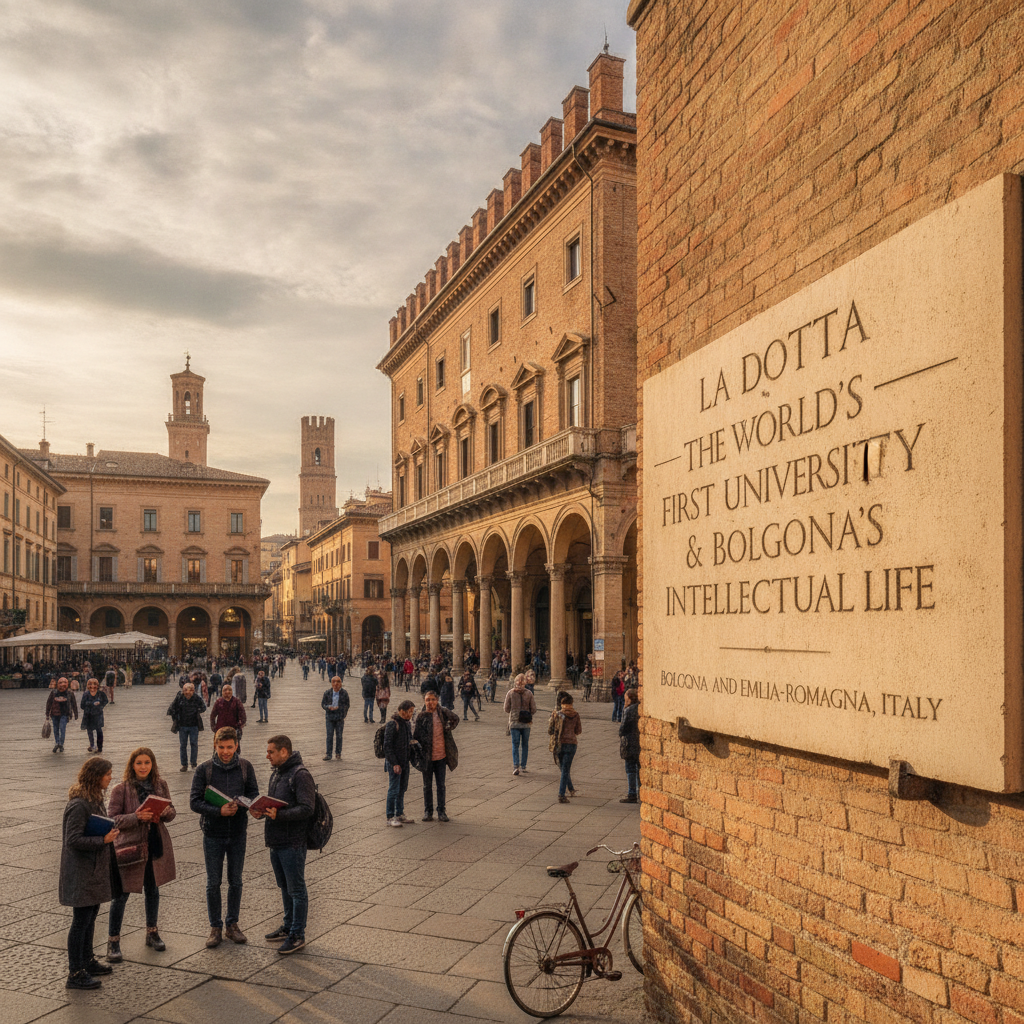
La Dotta — The World's First University & Bologna's Intellectual Life
Bologna is 'La Dotta' (the 'Learned One' — the nickname that refers to the University of Bologna, the oldest university in the Western world, founded in 1088, the university that has educated Dante, Petrarch, Copernicus, Thomas Becket, and Albrecht Dürer and that has defined the European university tradition for 900 years) — the university city par excellence, the city where one in six residents is a student and where the intellectual and the academic tradition permeates every aspect of civic life.
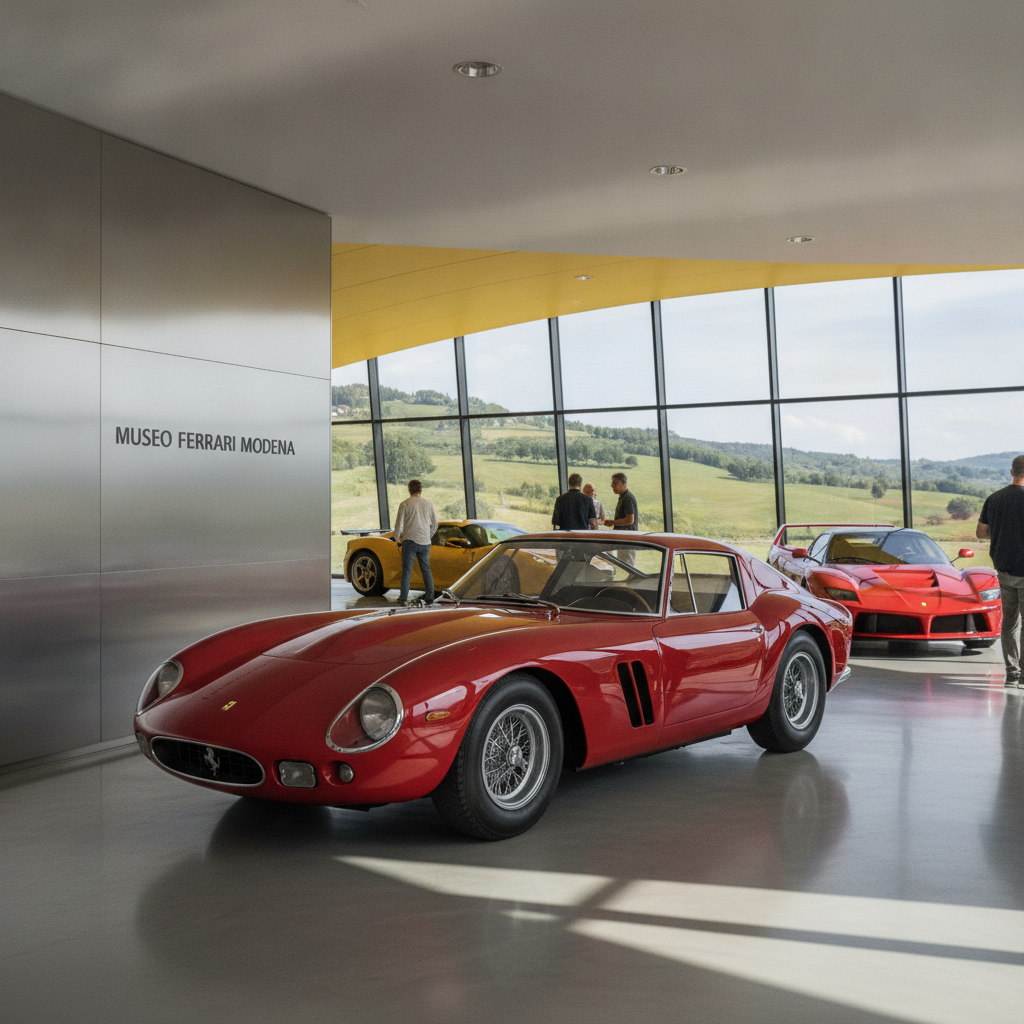
Ferrari Museum, Modena & the Motor Valley Day Trip
The 'Motor Valley' (the 'Terra dei Motori' — the 'Land of Motors', the area of Emilia-Romagna between Bologna and Modena that is the birthplace and the home of the most celebrated names in Italian automotive engineering: Ferrari (Maranello, 20 km from Modena), Lamborghini (Sant'Agata Bolognese, 30 km from Bologna), Maserati (Modena), Ducati (Bologna), and Pagani (San Cesario sul Panaro)) is Italy's most extraordinary concentration of automotive heritage, all within an hour's drive of Bologna.
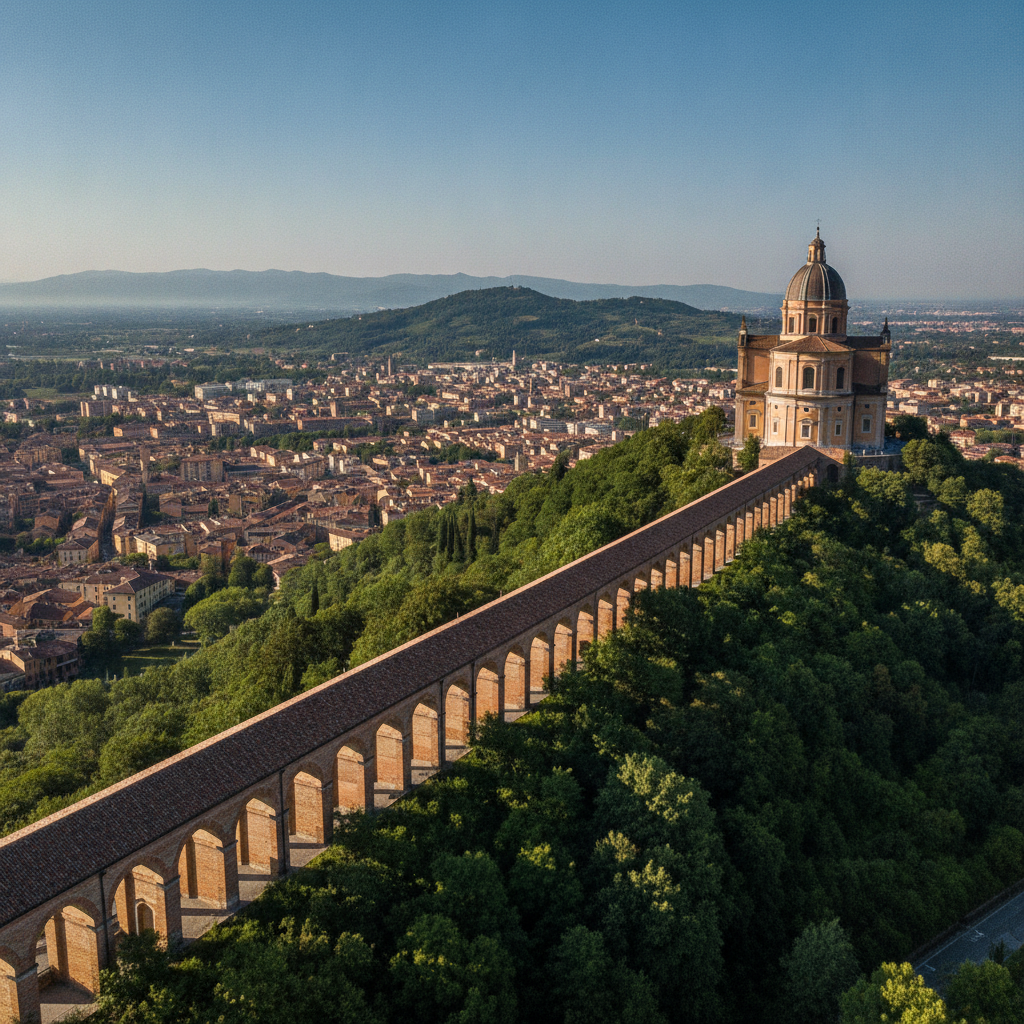
Basilica di San Luca, the World's Longest Portico & Bologna's Hills
The Portico di San Luca (the 3.796 km covered walkway with 666 arches — the longest portico in the world — ascending from the Porta Saragozza in the Bologna historic centre to the Basilica di Madonna di San Luca on the Colle della Guardia above the city) is the most extraordinary architectural pilgrimage route in Italy and the supreme expression of the Bologna portico tradition, the tradition that earned the city's 62 km of porticoes the status of UNESCO World Heritage Site in 2021.
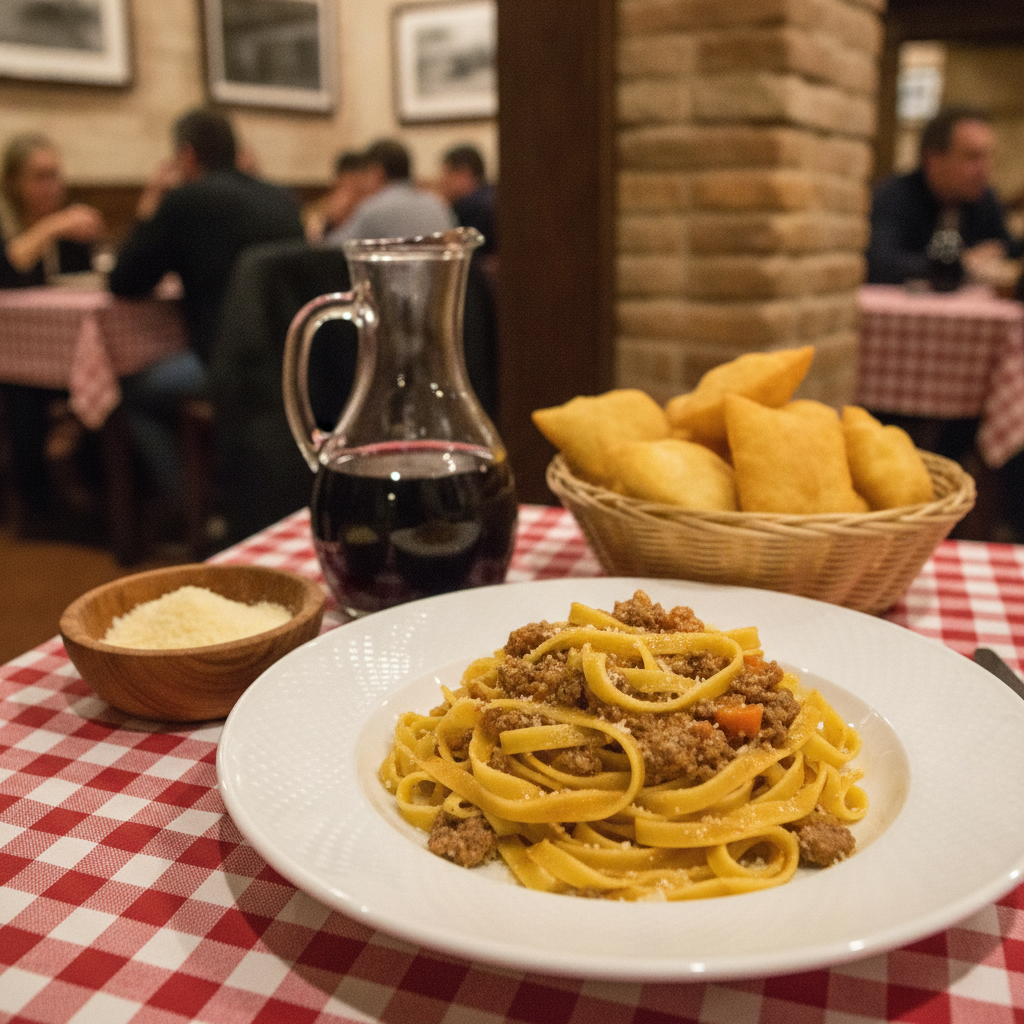
Tagliatelle al Ragù, Mortadella & Bologna as the Food Capital of Italy
Bologna is 'La Grassa' (the 'Fat One' — the third of the three nicknames of Bologna after 'La Rossa' and 'La Dotta': the 'Fat One' is the most affectionate of the three, referring to the extraordinary richness of the Bolognese food tradition, the tradition of the tagliatelle al ragù, the tortellini, the mortadella, and the Parmigiano-Reggiano that makes Bologna the unchallenged gastronomic capital of Italy) — the city that the Italians themselves acknowledge as the best place to eat in the most food-obsessed nation in the world.