 Brazil
Teresina
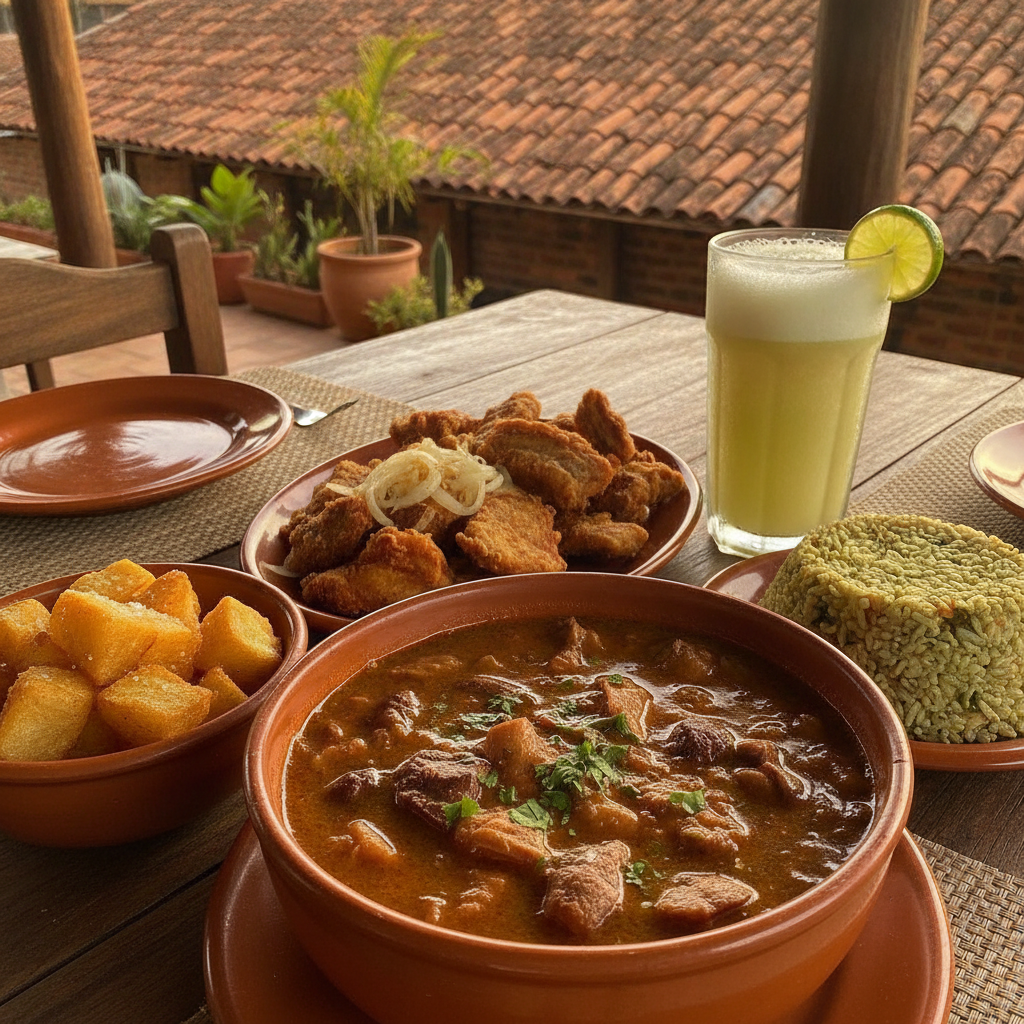
Piauí at the Table: Carne de Sol, Sarrabulho & River Fish
Teresina's food reflects the meeting of the sertão's drying culture, the riverine fish tradition, and the cerrado's babaçu economy — among the most distinctive regional cuisines in Brazil
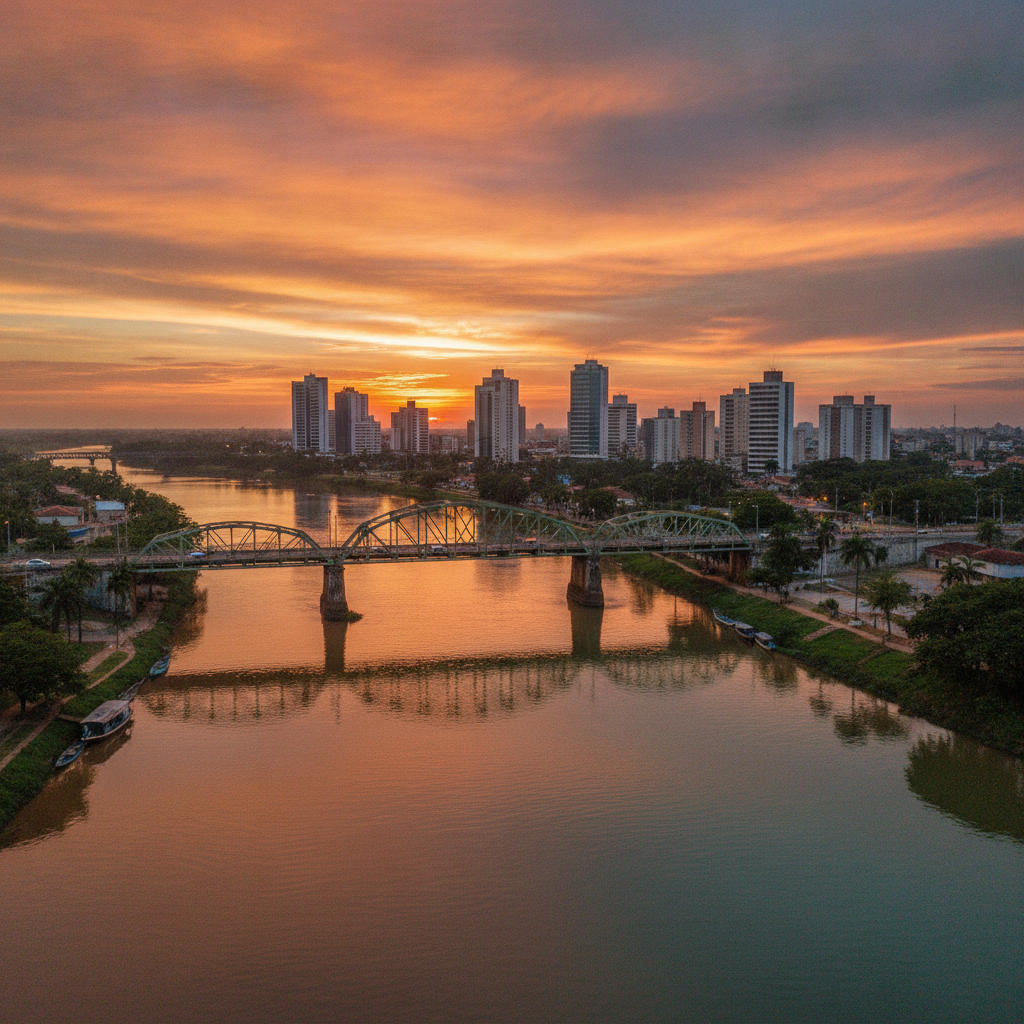
Parnaíba & Poti: Two Rivers at the Heart of Teresina
Teresina sits at the confluence of the Parnaíba and Poti rivers — the only Brazilian state capital not on the coast or on the São Francisco River; the rivers define the city's geography, culture, and daily life
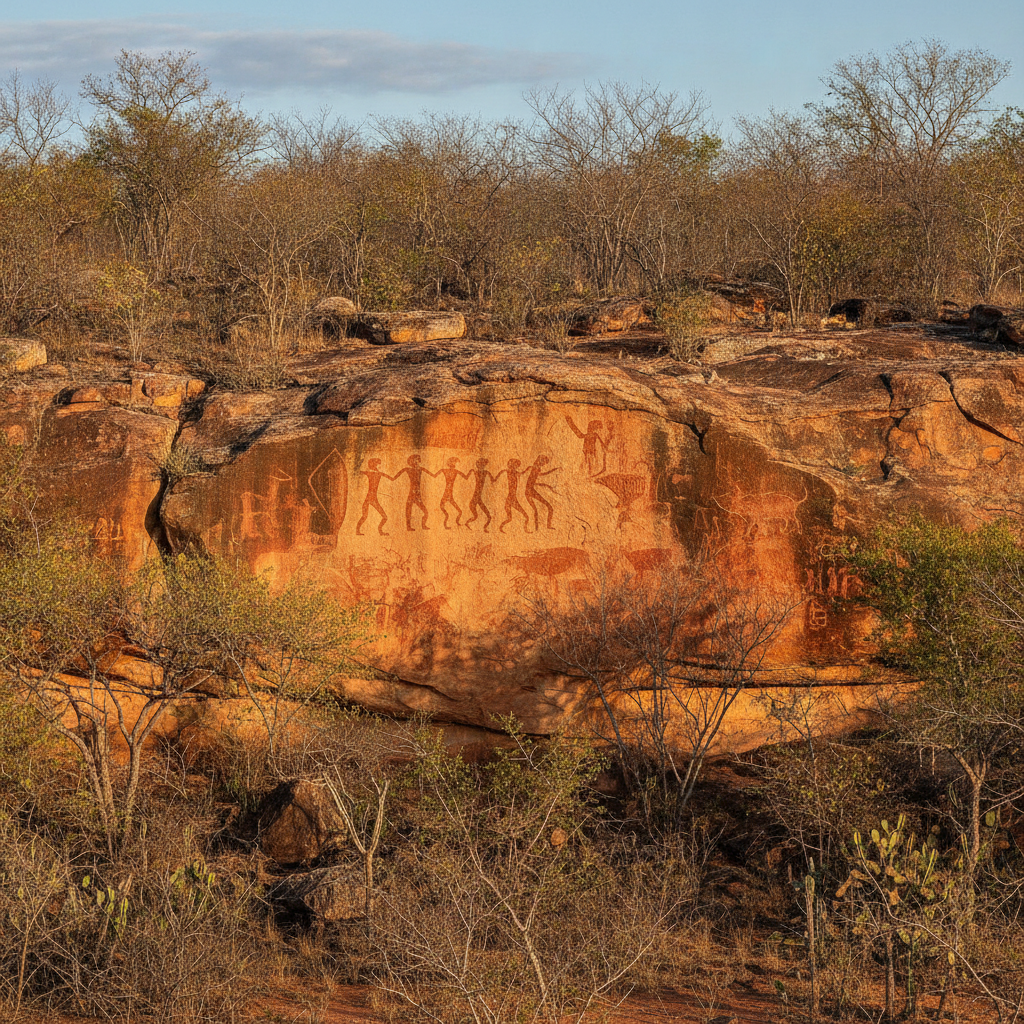
Serra da Capivara: The World's Oldest Human Art
The Serra da Capivara National Park — 500 km south of Teresina — contains over 30,000 prehistoric rock art sites and evidence that humans reached South America 50,000 years ago — reshaping our understanding of human history
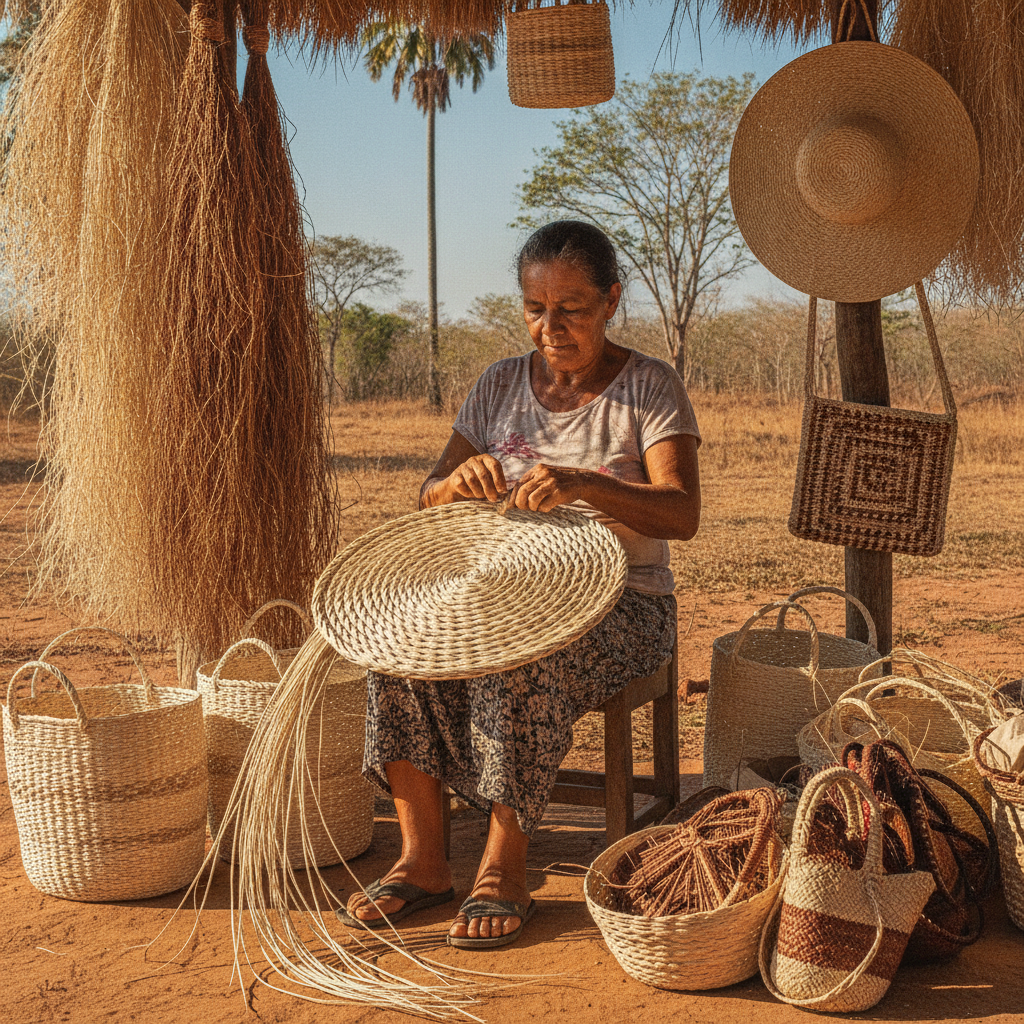
Piauí Crafts: Babaçu, Carnuba & the Art of the Interior
Piauí's craft tradition is inseparable from the natural materials of its landscape — babaçu palm fibre, carnuba wax, and leather from the sertão are transformed into baskets, hats, and decorative objects of great beauty
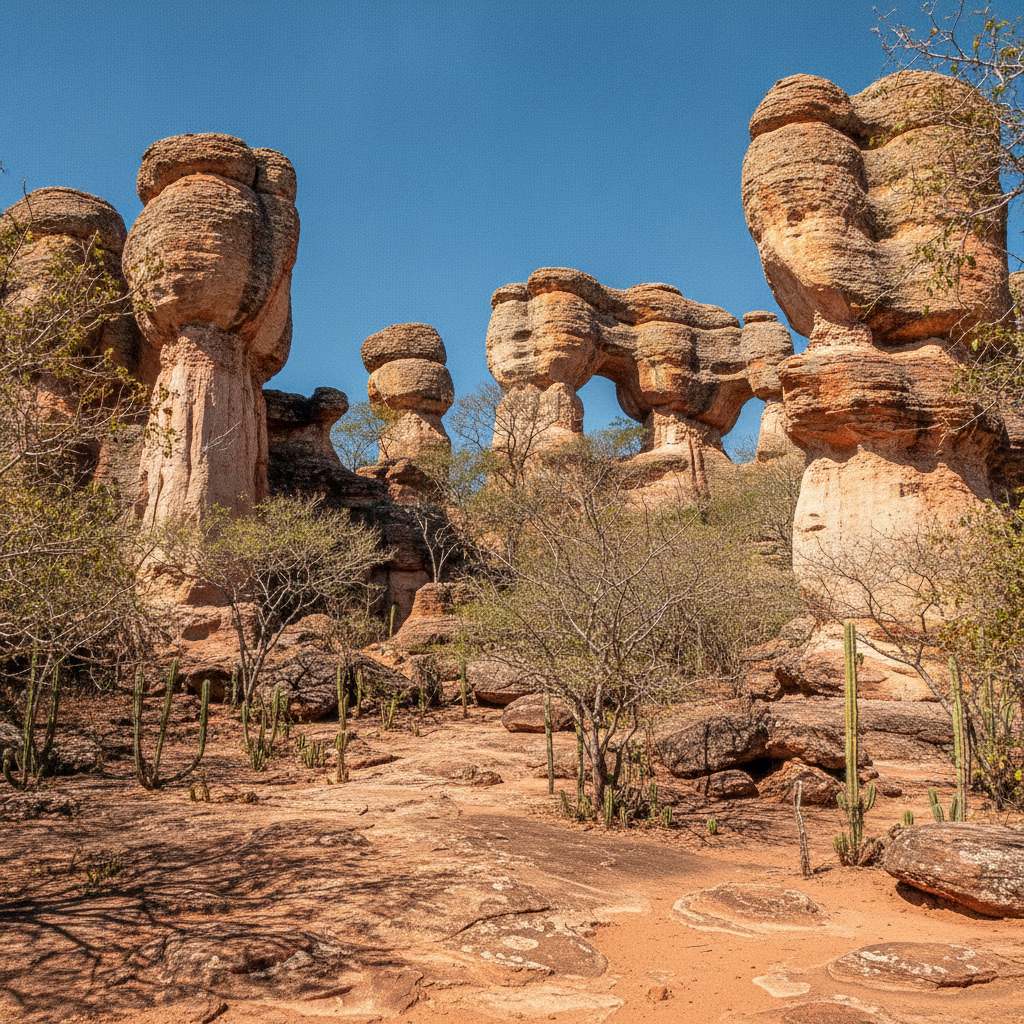
Sete Cidades: Piauí's Natural Rock Architecture
The Sete Cidades National Park — 180 km from Teresina — is a landscape of sandstone formations eroded into shapes that resemble ruined cities, complete with rock art; one of Brazil's most surreal natural landscapes
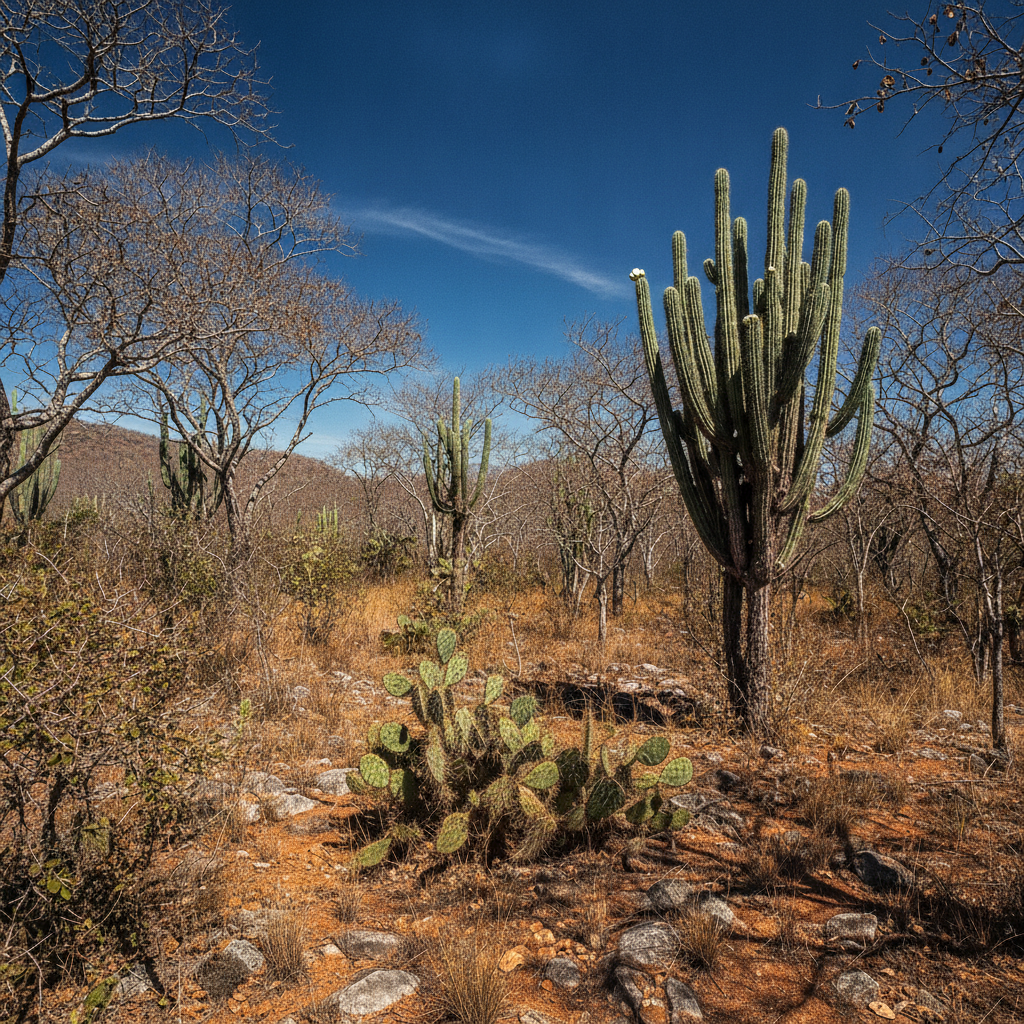
Teresina and the Caatinga: Life in Brazil's Dryland
Teresina is the hottest Brazilian state capital — the caatinga and cerrado biomes meet here; the city's culture of resilience, the babaçu palm economy, and the dramatic seasonal rains all derive from this harsh landscape
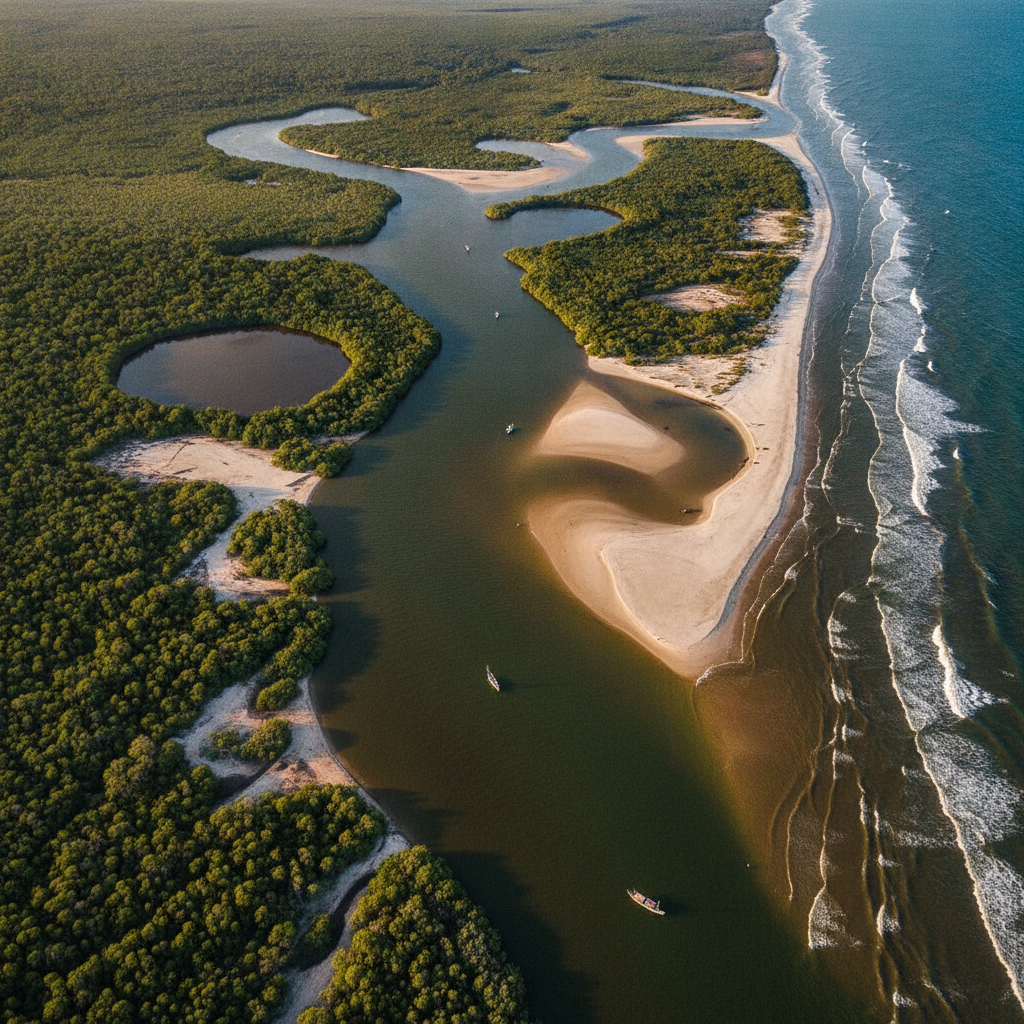
Delta do Parnaíba: America's Only Open-Sea Delta
The Delta do Parnaíba — 300 km from Teresina where the river meets the Atlantic — is one of Brazil's great natural wonders: 70 islands, 10 river channels, and the only sea delta in the open sea in the Americas
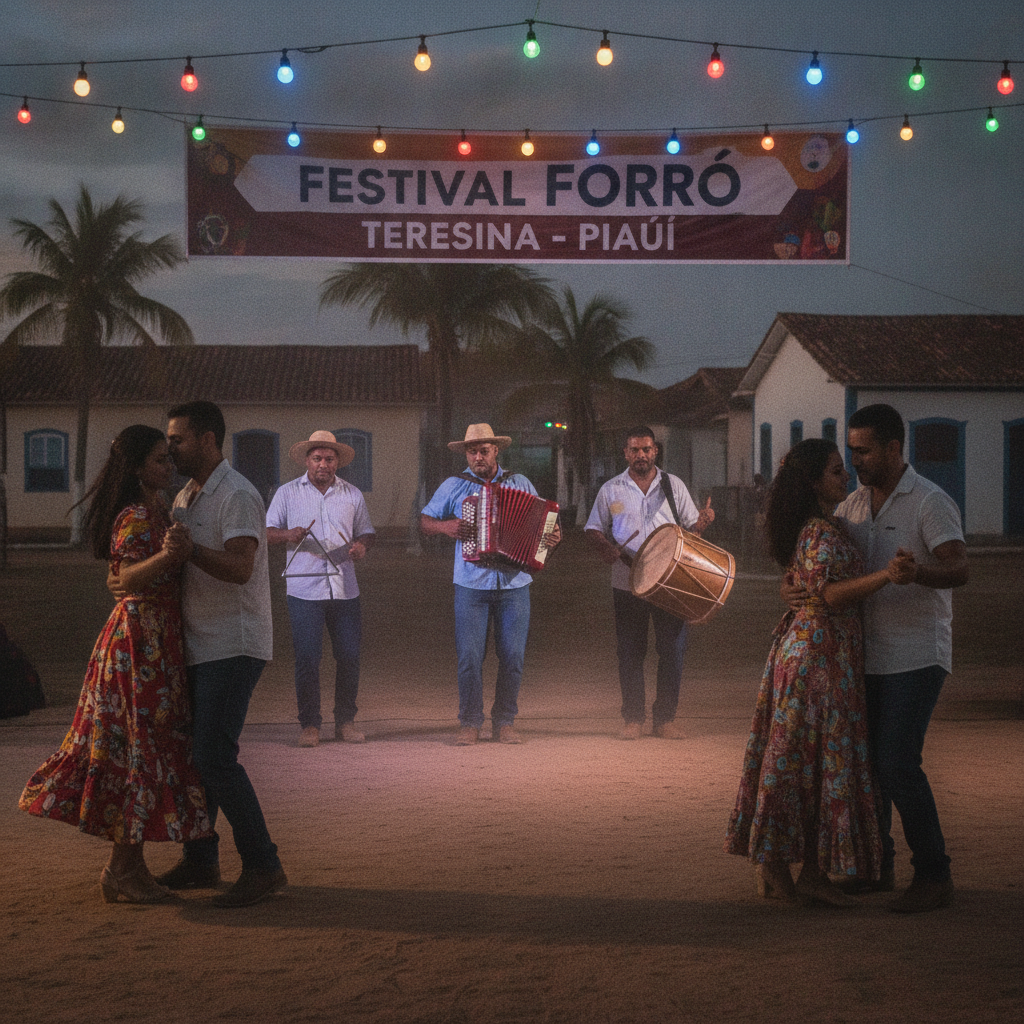
Teresina's Forró: The Soul of Brazil's Burning North
Forró — the music of the northeastern interior — is the soundtrack of Teresina; the accordion, triangle, and zabumba drum create the syncopated rhythm that the city dances to at festivals, in the street, and along the river