Piauí at the Table: Carne de Sol, Sarrabulho & River Fish
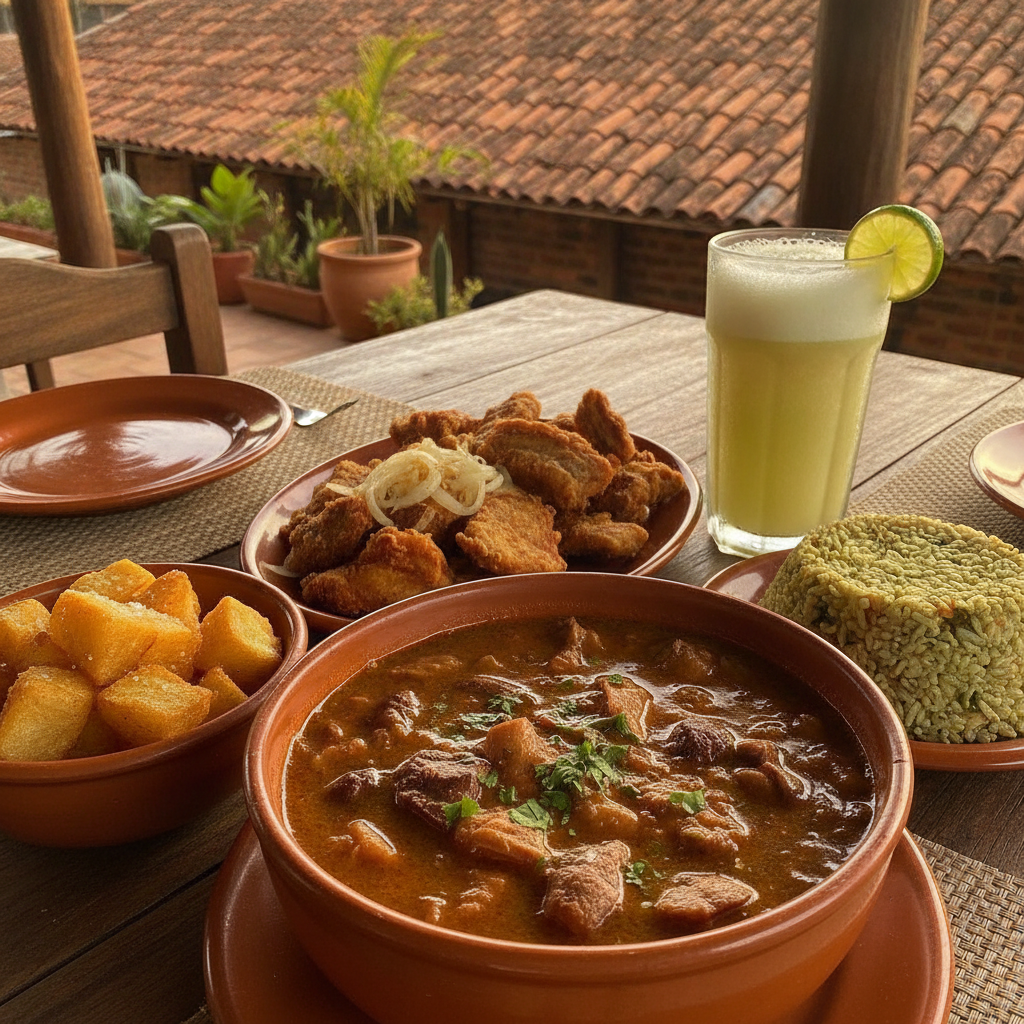
Teresina's food reflects the meeting of the sertão's drying culture, the riverine fish tradition, and the cerrado's babaçu economy — among the most distinctive regional cuisines in Brazil
- 1
Carne de Sol
The sun-dried, lightly salted beef of the northeastern hinterland is Teresina's most iconic ingredient — consumed grilled, stewed or shredded, the carne de sol's intense flavor defines the sertão table
- 2
Sarrabulho Piauiense
Sarrabulho - a slow-cooked stew of offal, blood and spices - is Piauí's most distinctive dish; an acquired taste that sets visitors apart, it is deeply embedded in the region's food culture and festive cooking
- 3
Arroz de Cuxá
Rice cooked with vinagreira (Hibiscus sabdariffa) leaves and toasted sesame — cuxá is Maranhão's iconic dish that has spread across northern Piauí; the tart, earthy combination is one of Brazil's most distinctive regional flavors
- 4
Babaçu Oil Cooking
Babaçu palm oil – extracted by traditional hand crushing of the nut – has a distinctive mild flavor used in Piauí's traditional cooking; the oil is both a food and an artisanal beauty product
- 5
Paçoca de Pilão
Punched dried meat mixed with cassava flour — paçoca — is the portable food of the northeastern interior; the coarse, flavorful mix, eaten dry, is the sertão equivalent of trail mix and the most practical food in the caatinga region
- 6
Murici and Bacuri fruits
Murici and bacuri — the indigenous cerrado caatinga fruits of Piauí — make intensely flavored juices and ice creams in Teresina; bacuri's creamy custard-like flesh is particularly prized and the ice cream made from it is extraordinary
Walk this route with audio
Stories play automatically as you reach each stop — no tapping needed.
More in Teresina
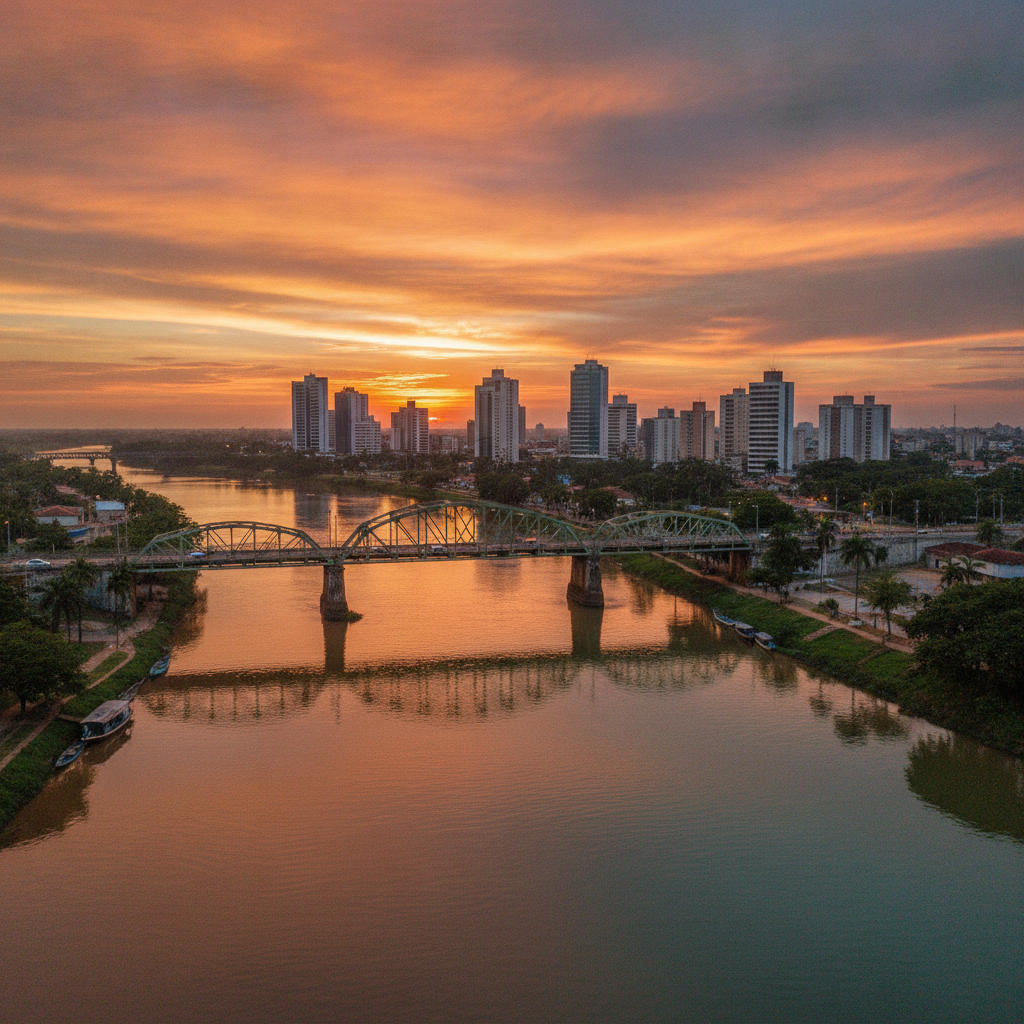
Parnaíba & Poti: Two Rivers at the Heart of Teresina
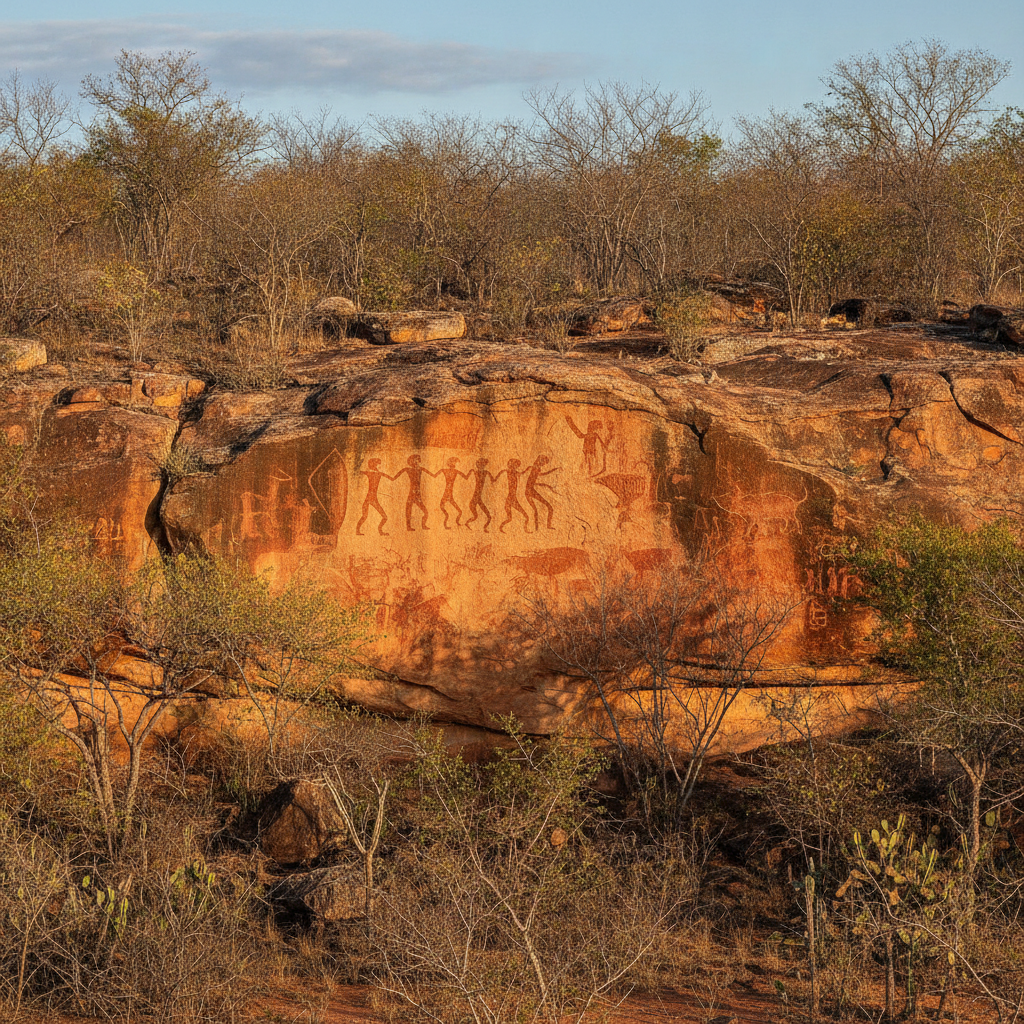
Serra da Capivara: The World's Oldest Human Art
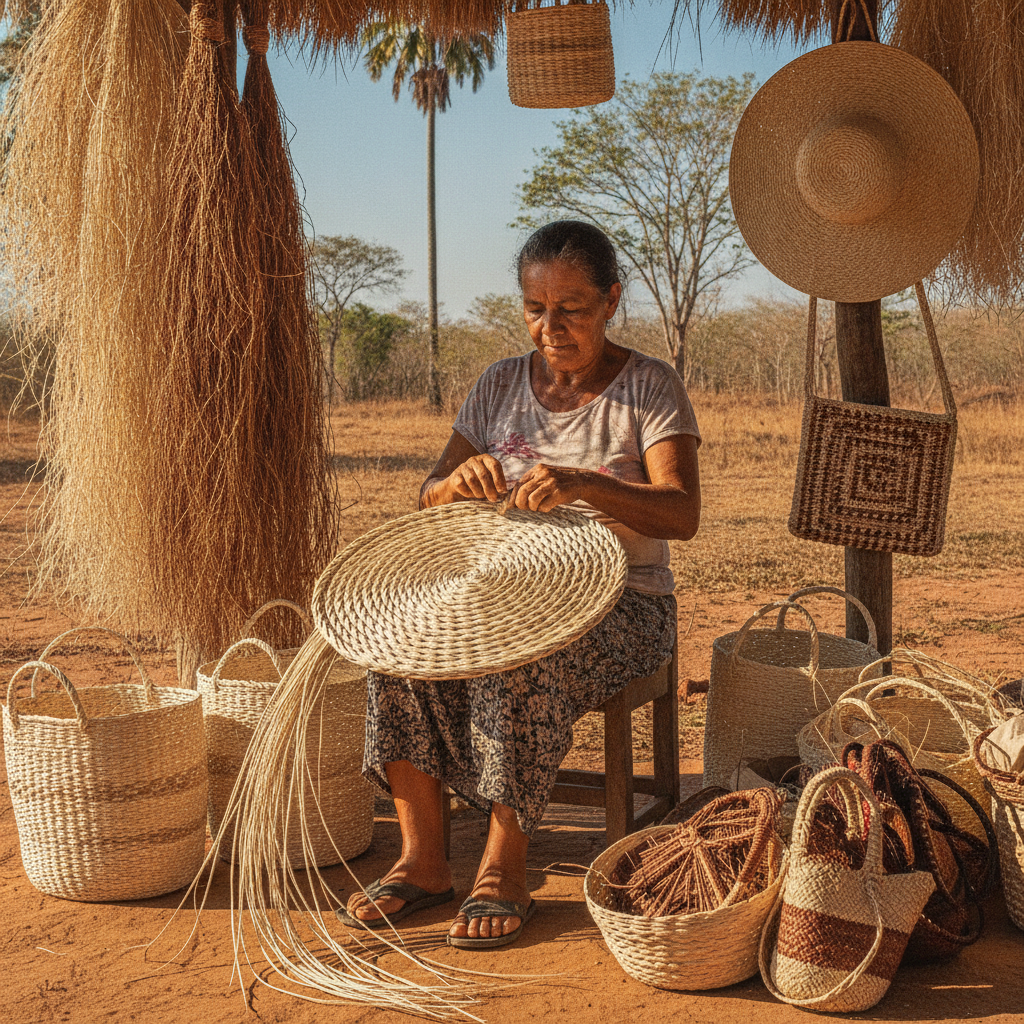
Piauí Crafts: Babaçu, Carnuba & the Art of the Interior
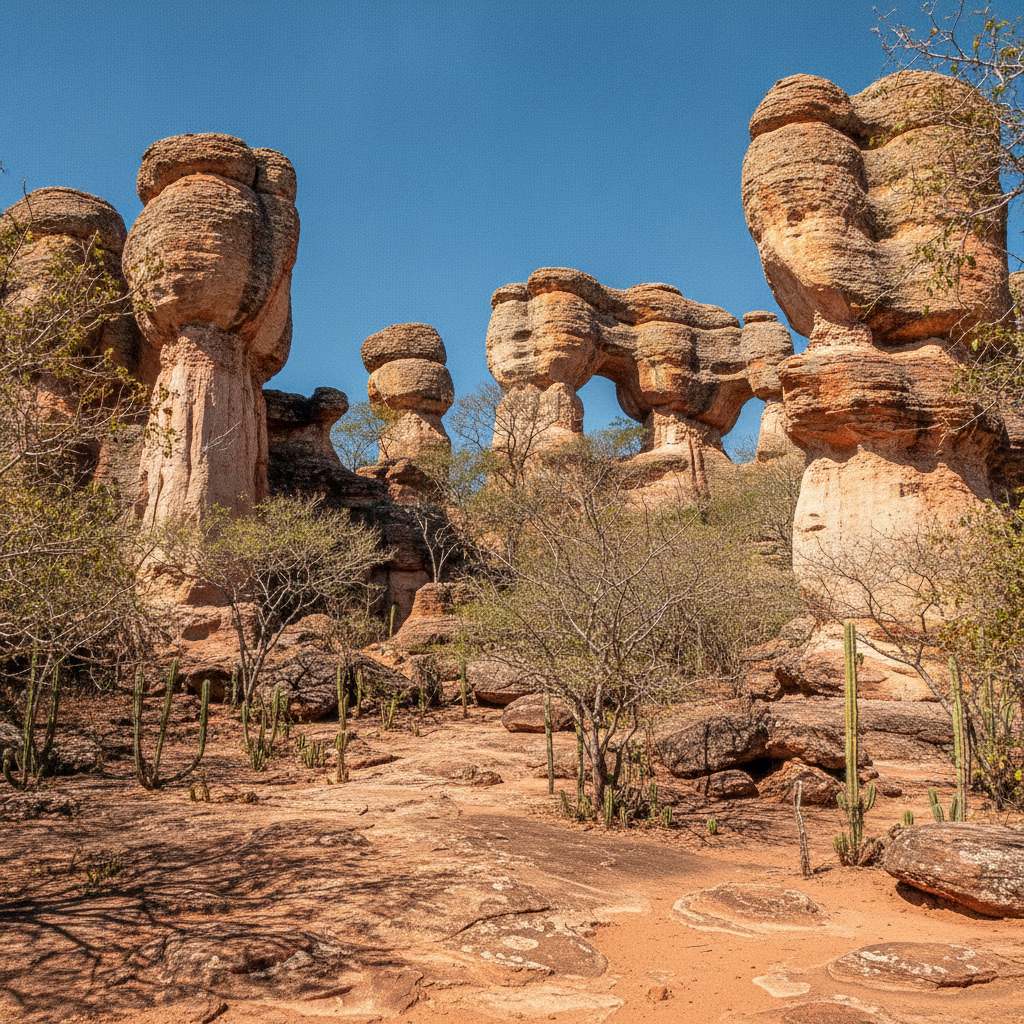
Sete Cidades: Piauí's Natural Rock Architecture
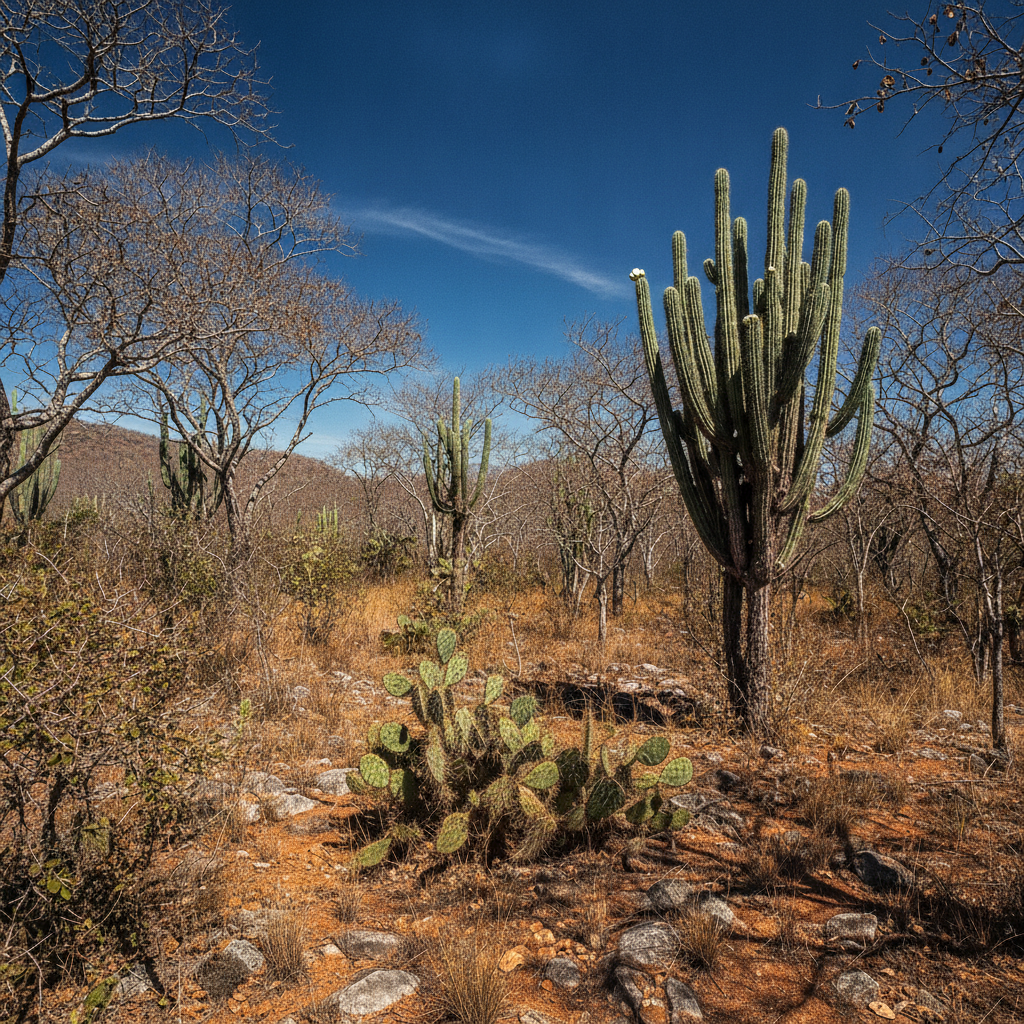
Teresina and the Caatinga: Life in Brazil's Dryland