Parnaíba & Poti: Two Rivers at the Heart of Teresina
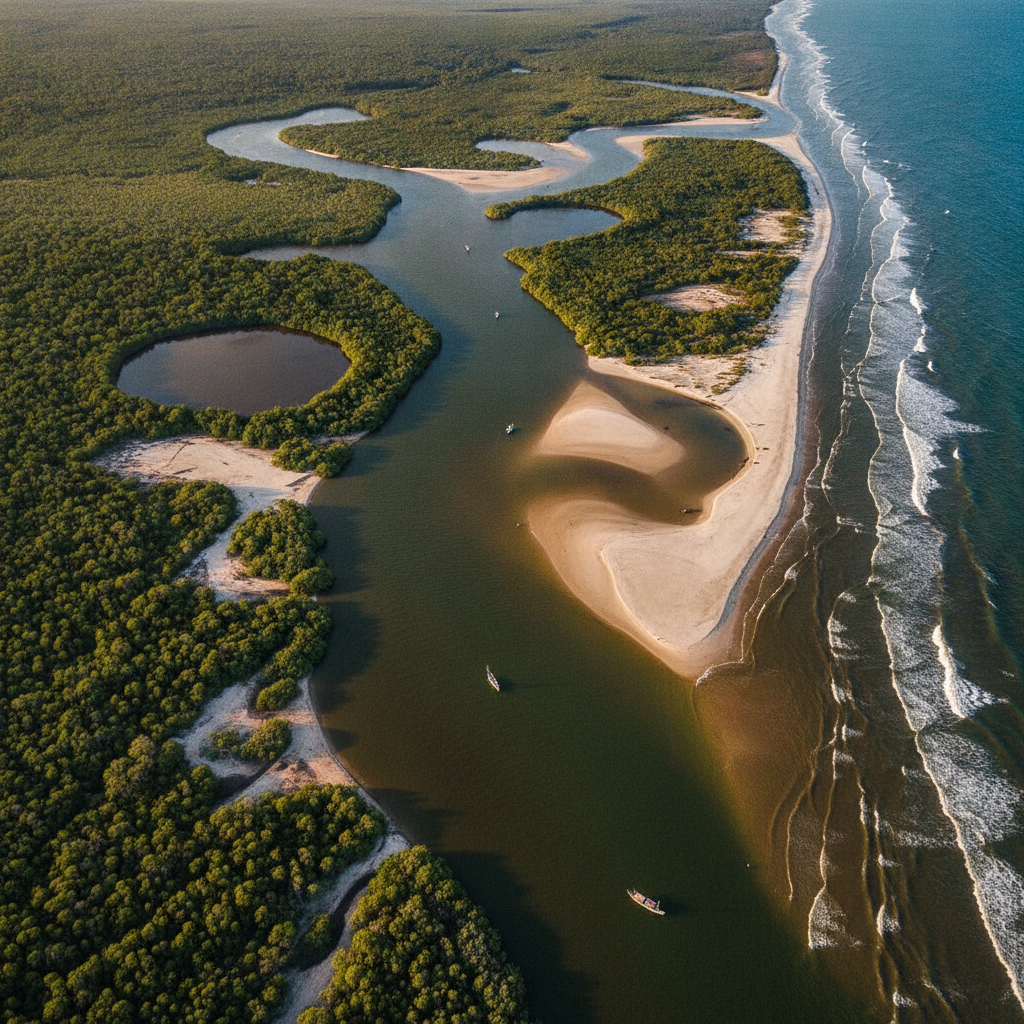
Teresina sits at the confluence of the Parnaíba and Poti rivers — the only Brazilian state capital not on the coast or on the São Francisco River; the rivers define the city's geography, culture, and daily life
- 1
River Confluence Viewpoint
The point where the rivers Parnaíba and Poti meet – visible from the Ponte Metálica – is Teresina's most dramatic geographical feature; the two different colored waters mixing is a natural spectacle
- 2
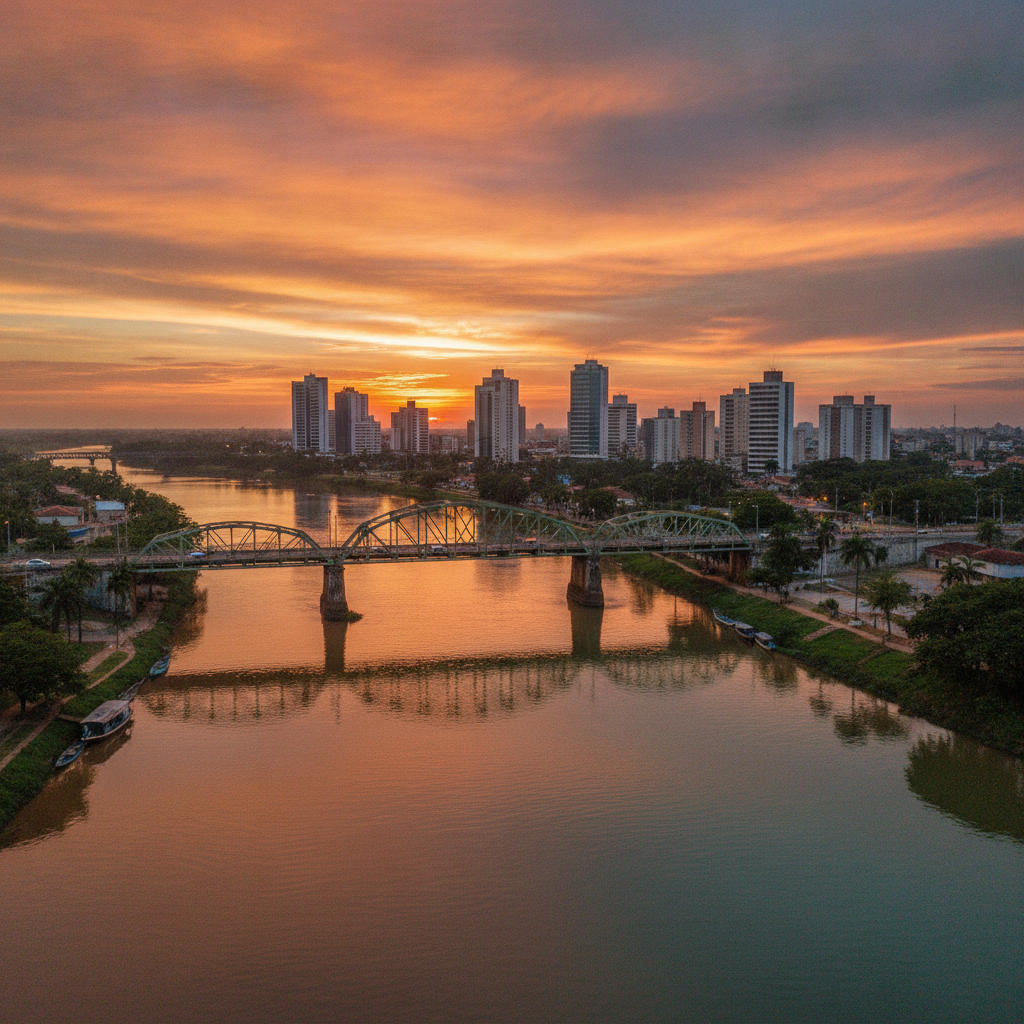
Ponte Metálica
The 19th-century iron bridge over the Parnaíba – built in England and assembled in Teresina in 1852 – is the city's most historic structure; the bridge, the oldest of its kind in Brazil, now serves pedestrians and connects to the waterfront park
- 3
Parque Ecológico da Lagoa do Norte
The large ecological park in the north of the city – centered on the Lagoa do Norte wetland – protects a significant urban wetland environment; the park's paths, bird life and fishing areas are Teresina's big green lungs
- 4
Mercado da Produção
The town's main market – on the Parnaíba waterfront – sells products from Piauí's interior: babaçu nuts, carnuba wax, dried meat and medicinal plants that define the northeastern cerrado caatinga economy
- 5
Parnaíba Headwaters Region
The upper basin of the Parnaíba River - in the Piauí tableland - is one of the driest and most isolated regions in Brazil; the river provides the only consistent source of water for millions of people in the semi-arid northeast
- 6
Riverside Evening Culture
Teresina beach comes alive in the evening — barracas (food stalls) selling acarajé and grilled fish, children swimming in the river and the city's famous live forró music along the Parnaíba bank
Walk this route with audio
Stories play automatically as you reach each stop — no tapping needed.
More in Teresina
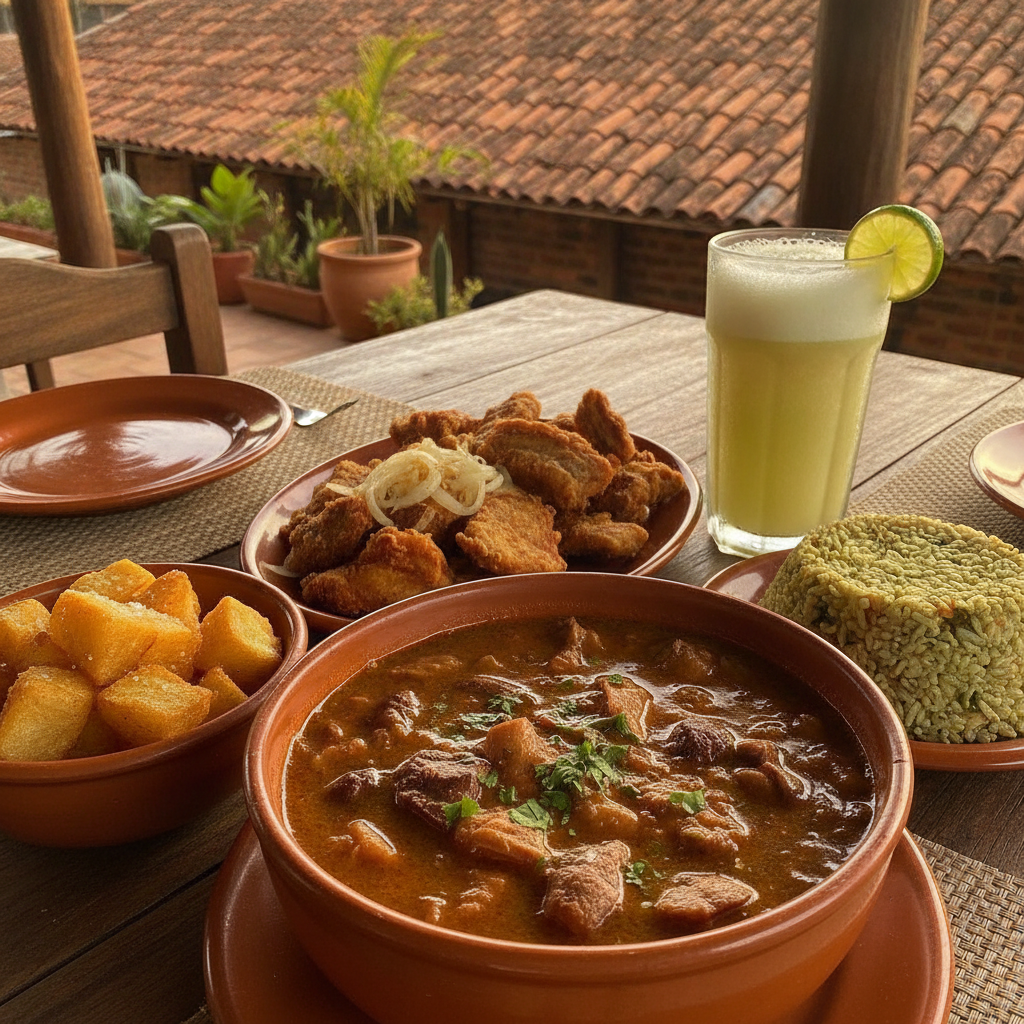
Piauí at the Table: Carne de Sol, Sarrabulho & River Fish
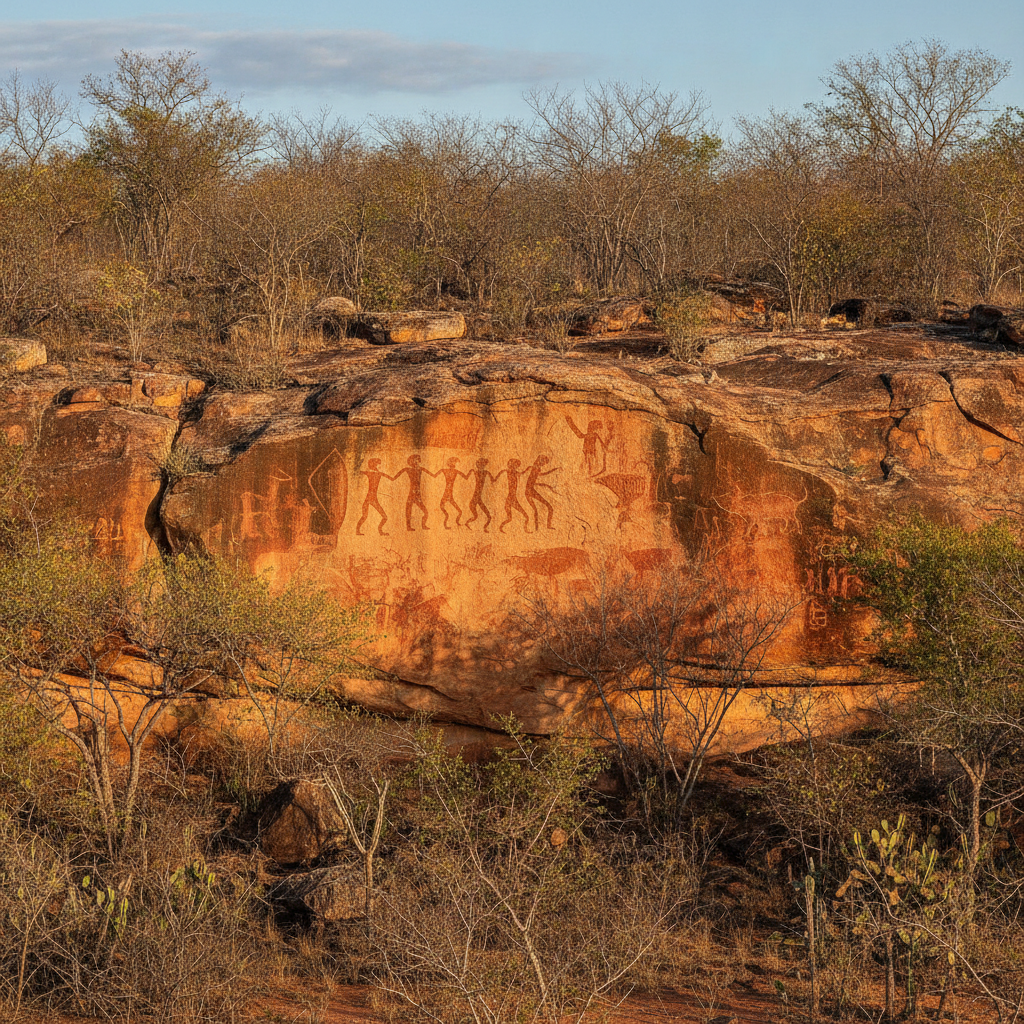
Serra da Capivara: The World's Oldest Human Art
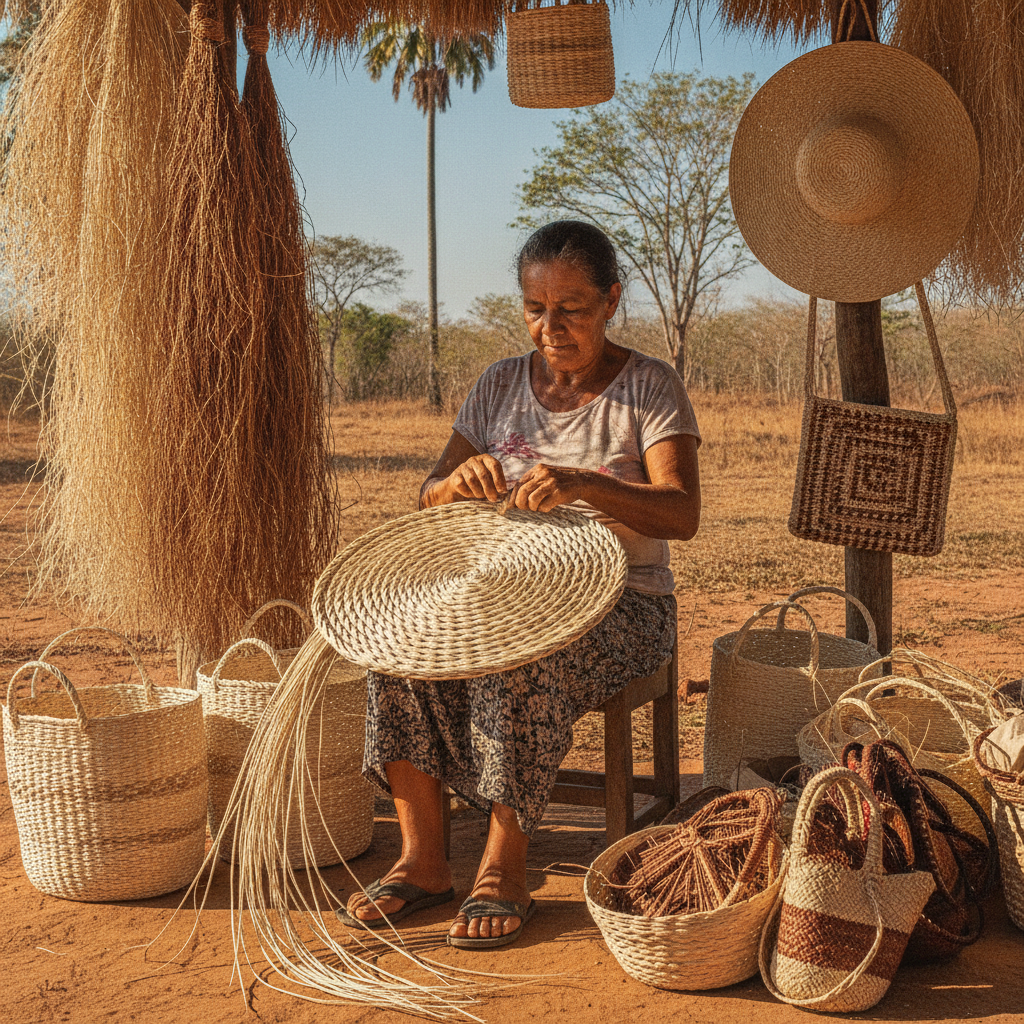
Piauí Crafts: Babaçu, Carnuba & the Art of the Interior
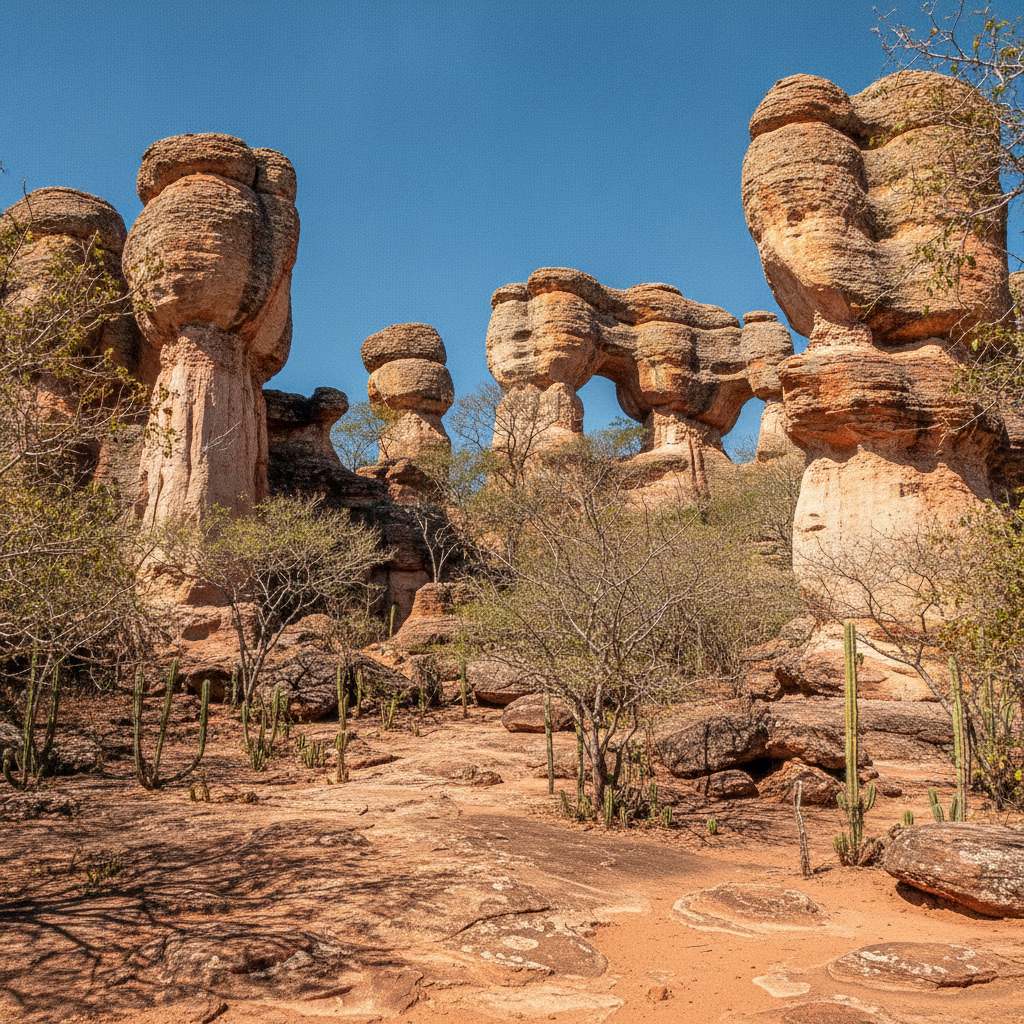
Sete Cidades: Piauí's Natural Rock Architecture
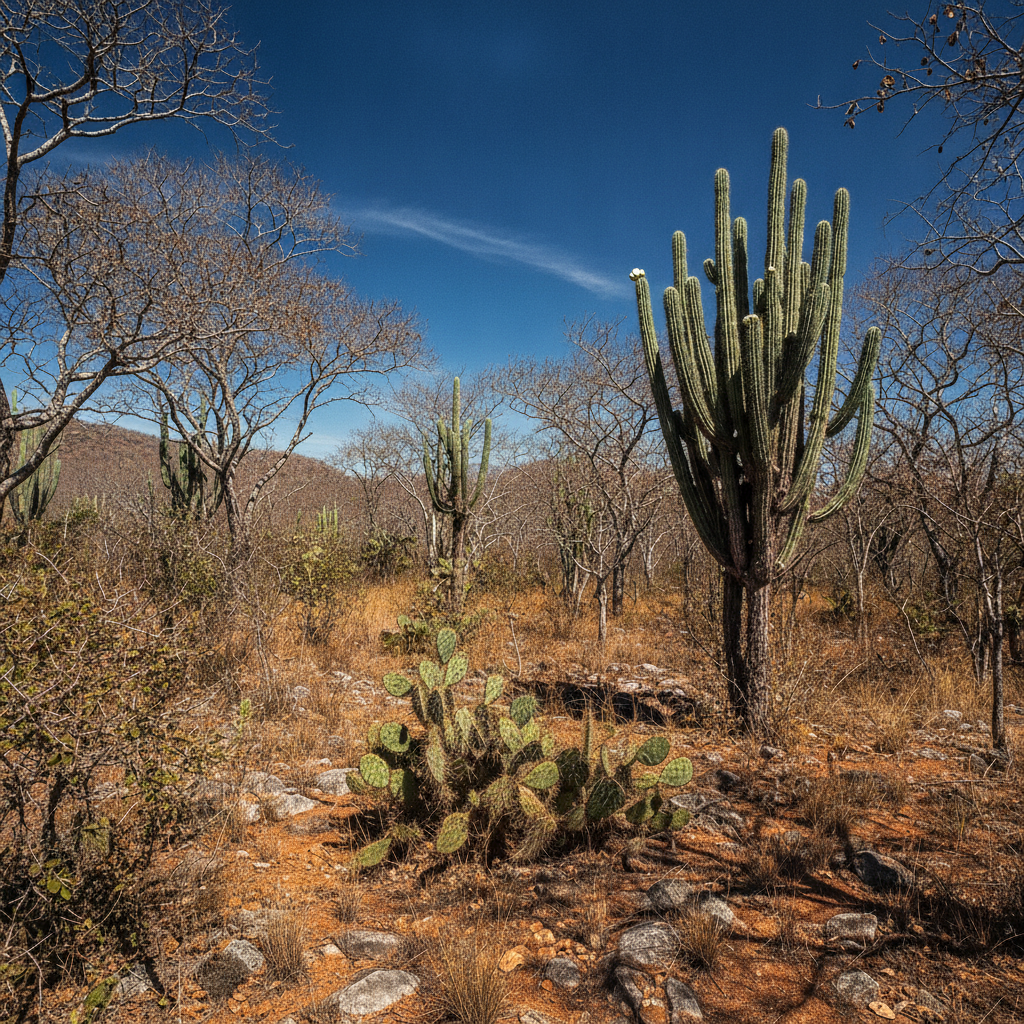
Teresina and the Caatinga: Life in Brazil's Dryland