Teresina and the Caatinga: Life in Brazil's Dryland
Teresina is the hottest Brazilian state capital — the caatinga and cerrado biomes meet here; the city's culture of resilience, the babaçu palm economy, and the dramatic seasonal rains all derive from this harsh landscape
- 1
Hottest capital in Brazil
Teresina regularly exceeds 40°C — it holds the record for the highest average temperature of any Brazilian state capital; the city's adaptation to heat (the culture of shade, the afternoon siesta, life by the water) is part of its identity
- 2
Caatinga Dry Forest
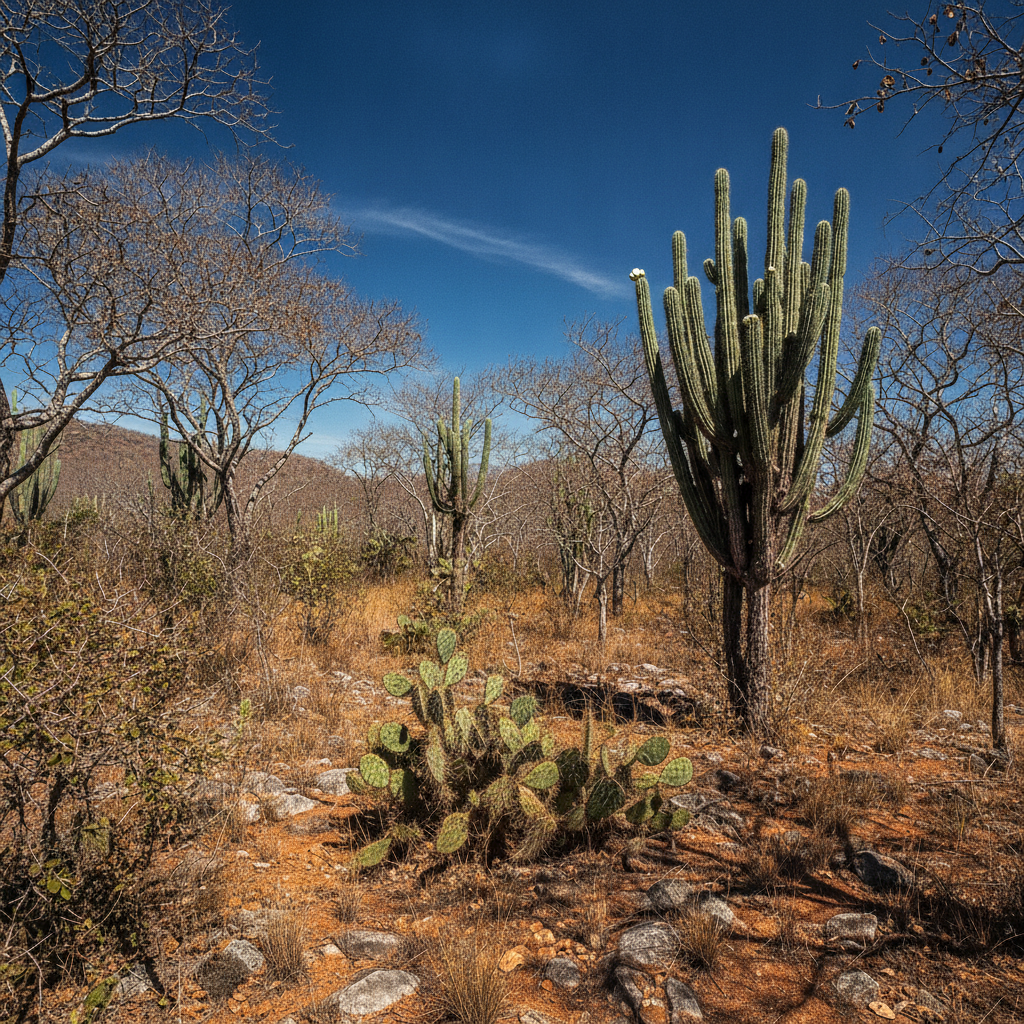
Caatinga - the unique semi-arid thorn scrub of northeastern Brazil - covers much of Piauí; the mandacaru cacti, the xique-xique and the pale-barked imburana trees define the landscape around Teresina and the interior of the state
- 3
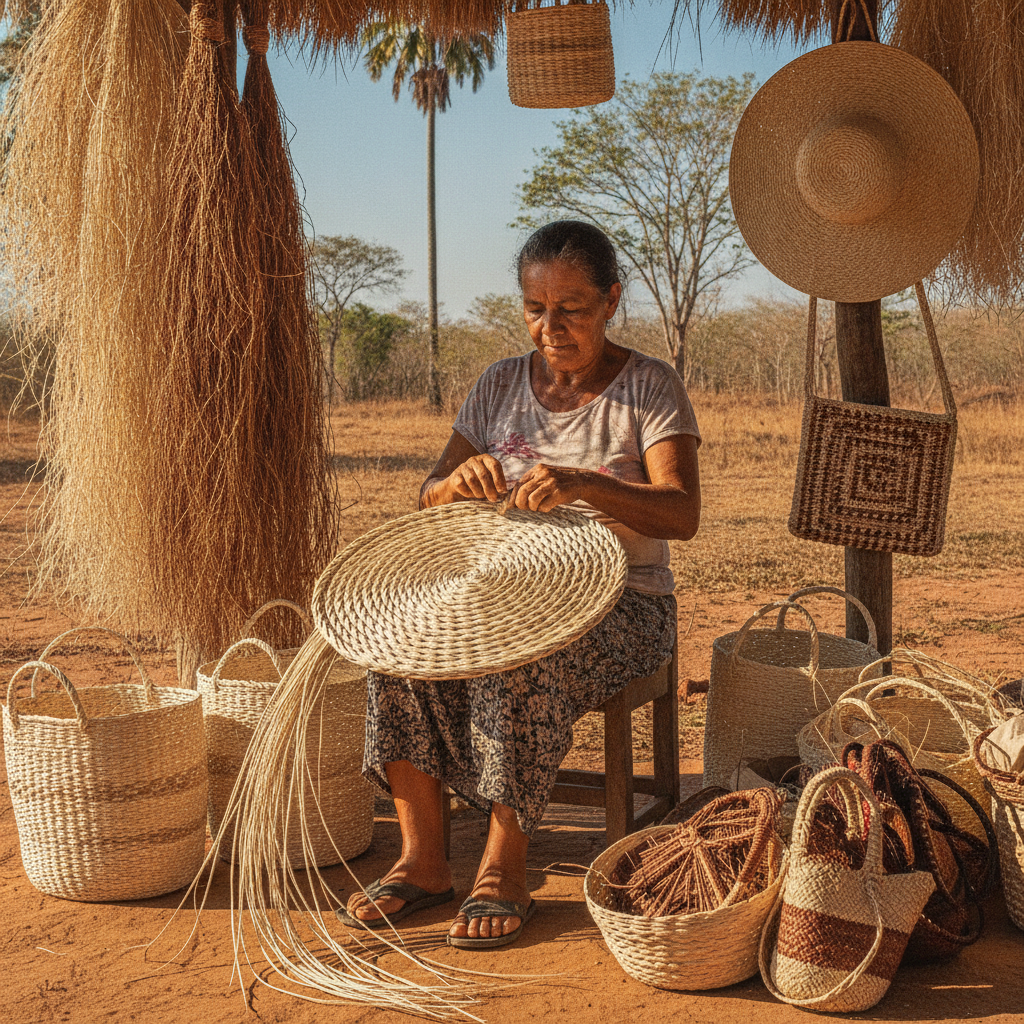
Babaçu Palm Economy
The Babaçu palm – which grows in the transition zone between cerrado and caatinga – is the economic backbone of rural Piauí; The babaçu miners (quebradeiras de coco) – mostly women – extract oil, fiber and charcoal from the nut
- 4
Carnuba Wax Production
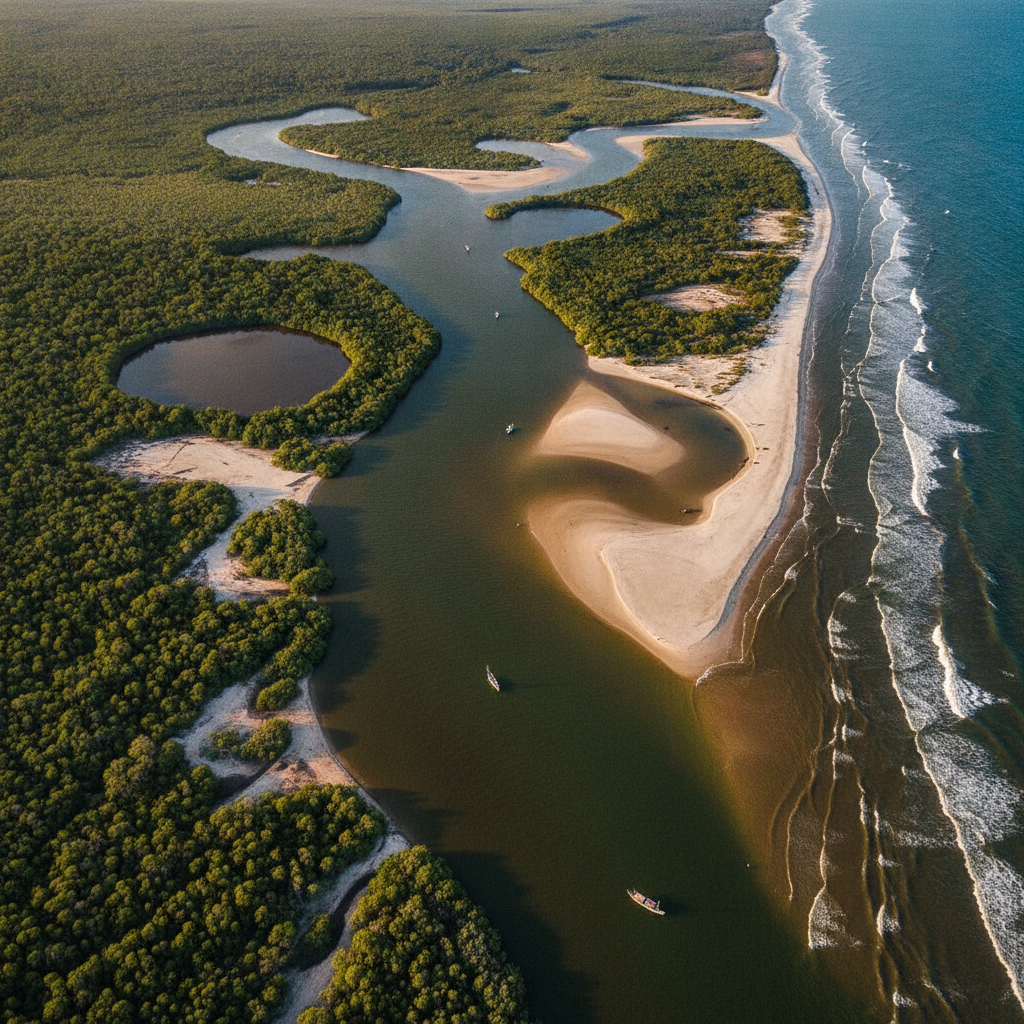
Piauí is the world's largest producer of carnuba wax — extracted from the leaves of the carnuba palm (Copernicia prunifera) in the dry northern islands; the wax, used in cosmetics and pharmaceuticals globally, is Piauí's most valuable export
- 5
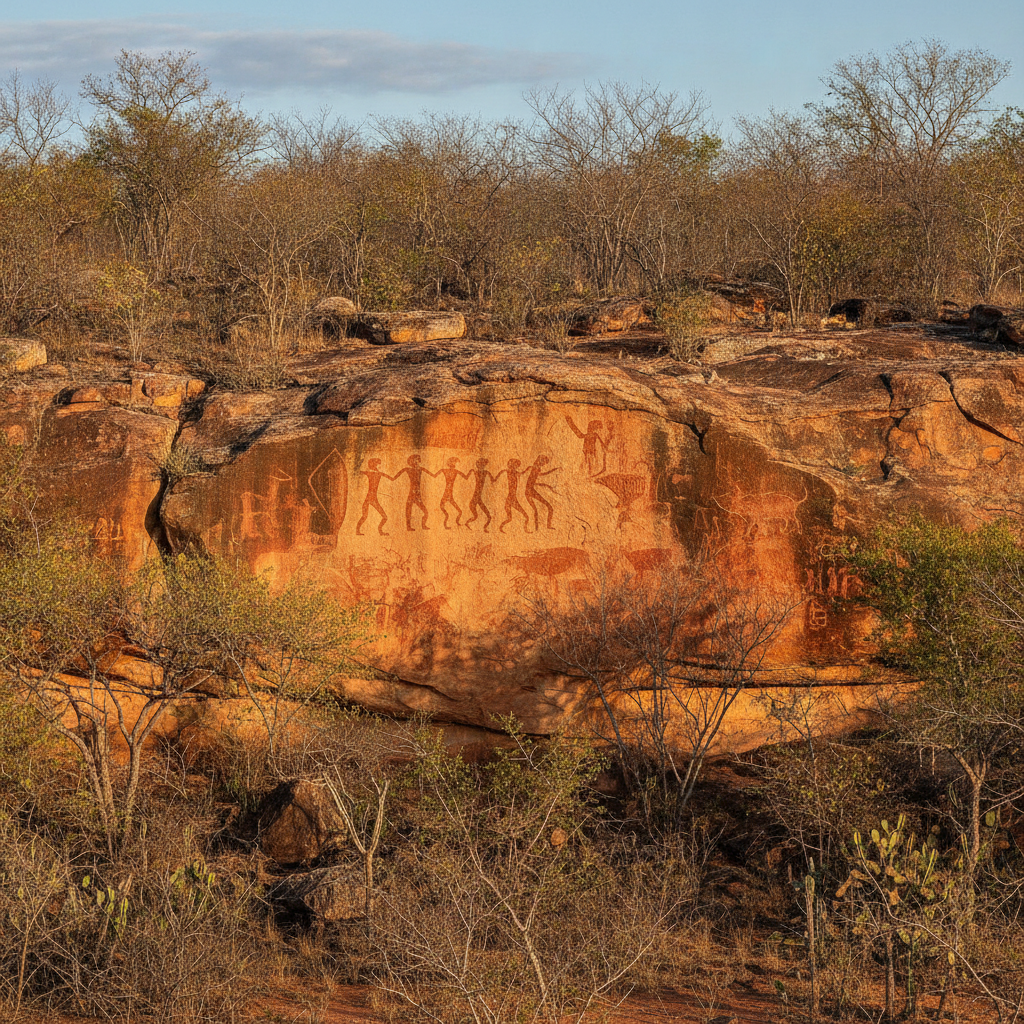
Serra da Capivara Near
Teresina is the main gateway to the Serra da Capivara National Park — 500 km to the south — which contains the world's largest concentration of prehistoric rock art; park's paleoarchaeological findings challenge theories of America's first people
- 6
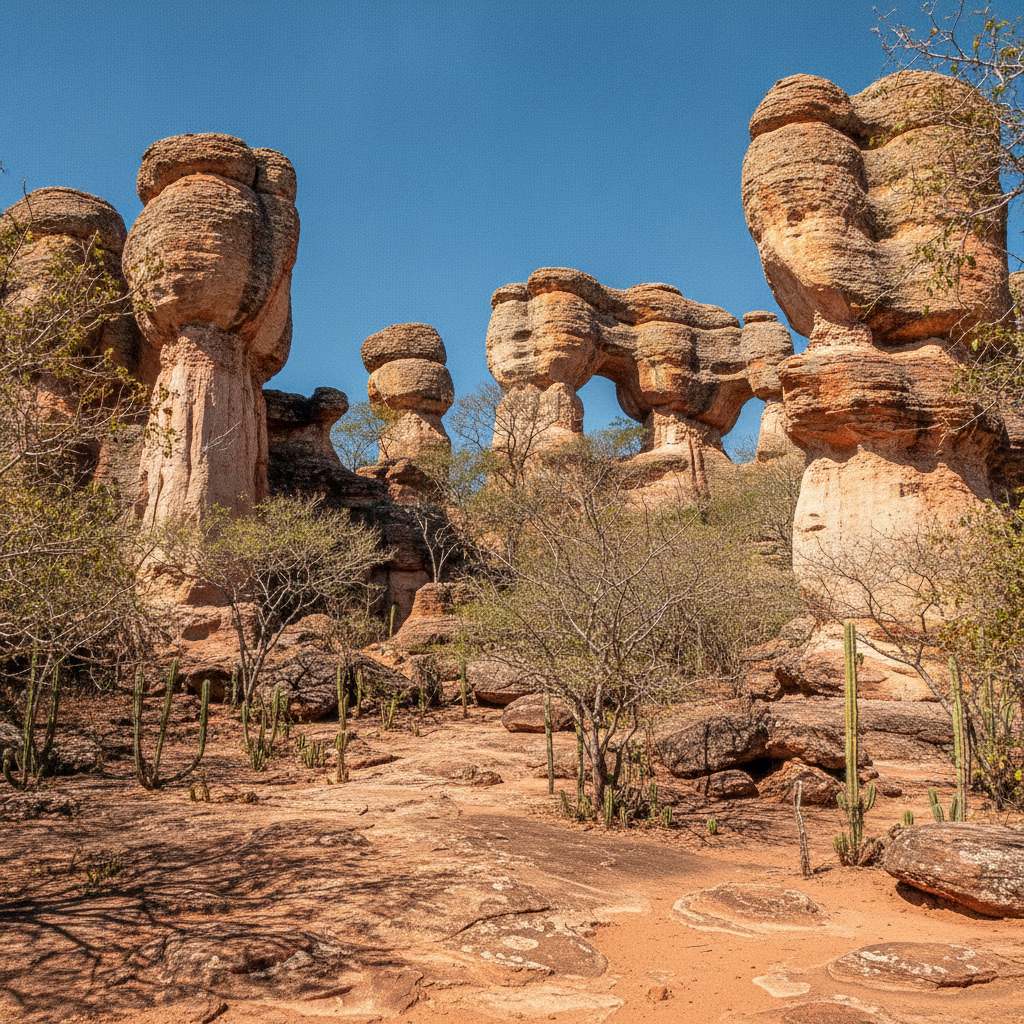
Piauís Meseta Tablelands
The flat tablelands (tabuleiros) and canyon landscapes of the Piauí interior that surround Teresina – Sete Cidades and Serra da Capivara National Parks – represent some of the Northeast's most spectacular geology
Walk this route with audio
Stories play automatically as you reach each stop — no tapping needed.
More in Teresina
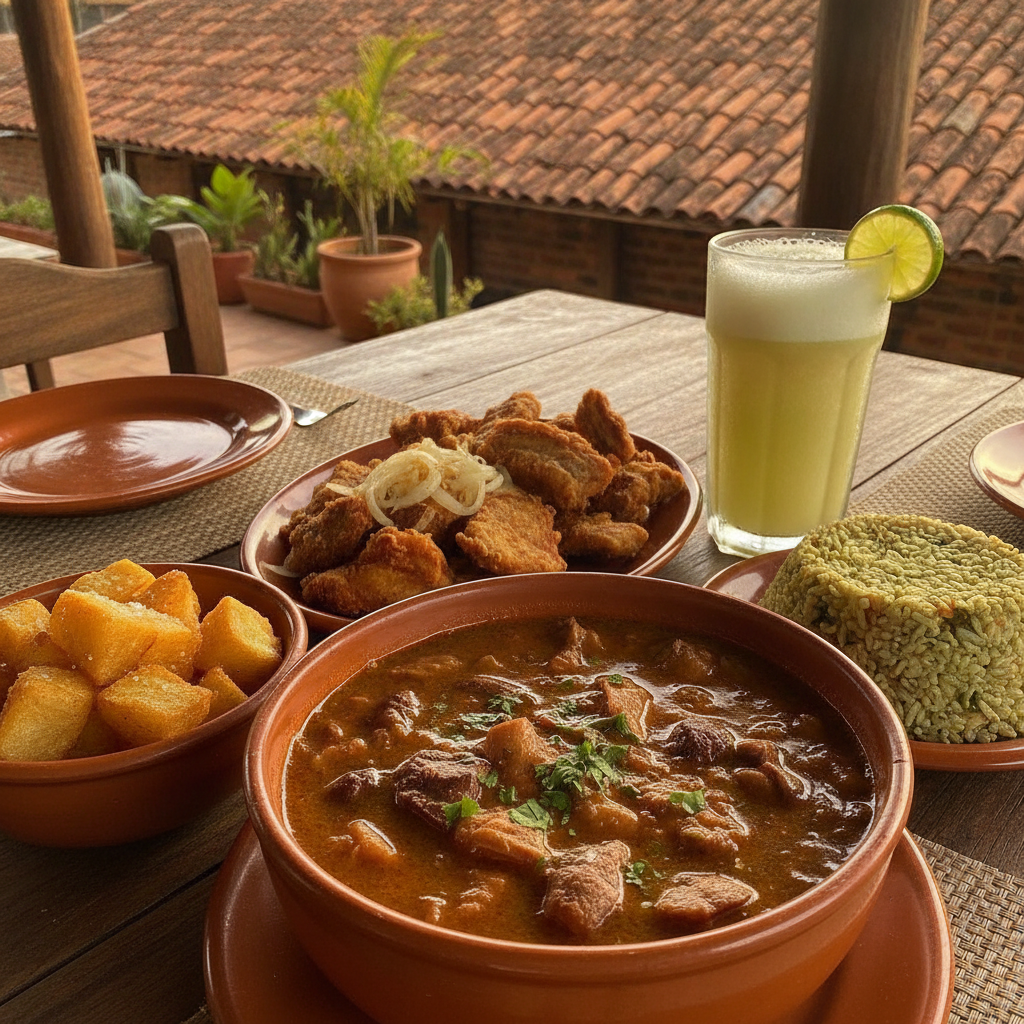
Piauí at the Table: Carne de Sol, Sarrabulho & River Fish
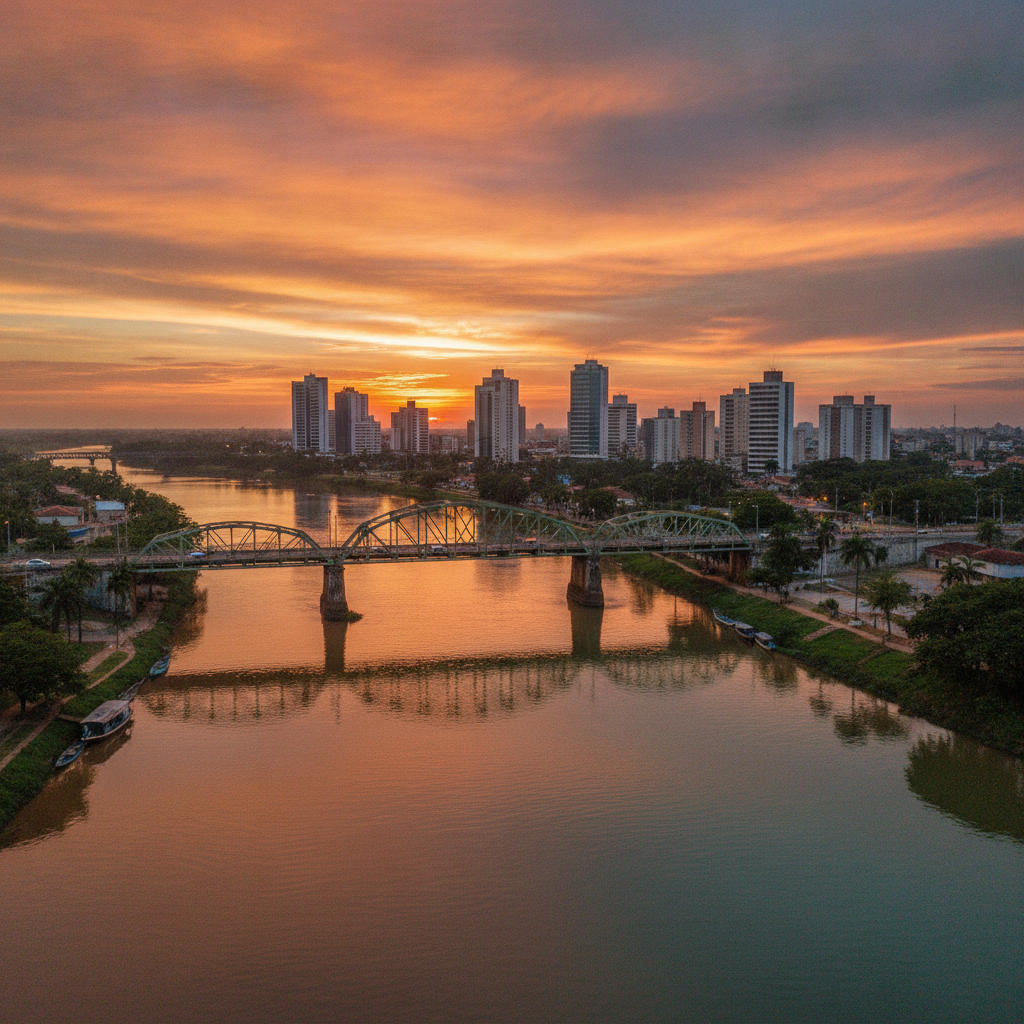
Parnaíba & Poti: Two Rivers at the Heart of Teresina
Serra da Capivara: The World's Oldest Human Art
Piauí Crafts: Babaçu, Carnuba & the Art of the Interior
Sete Cidades: Piauí's Natural Rock Architecture