Algiers
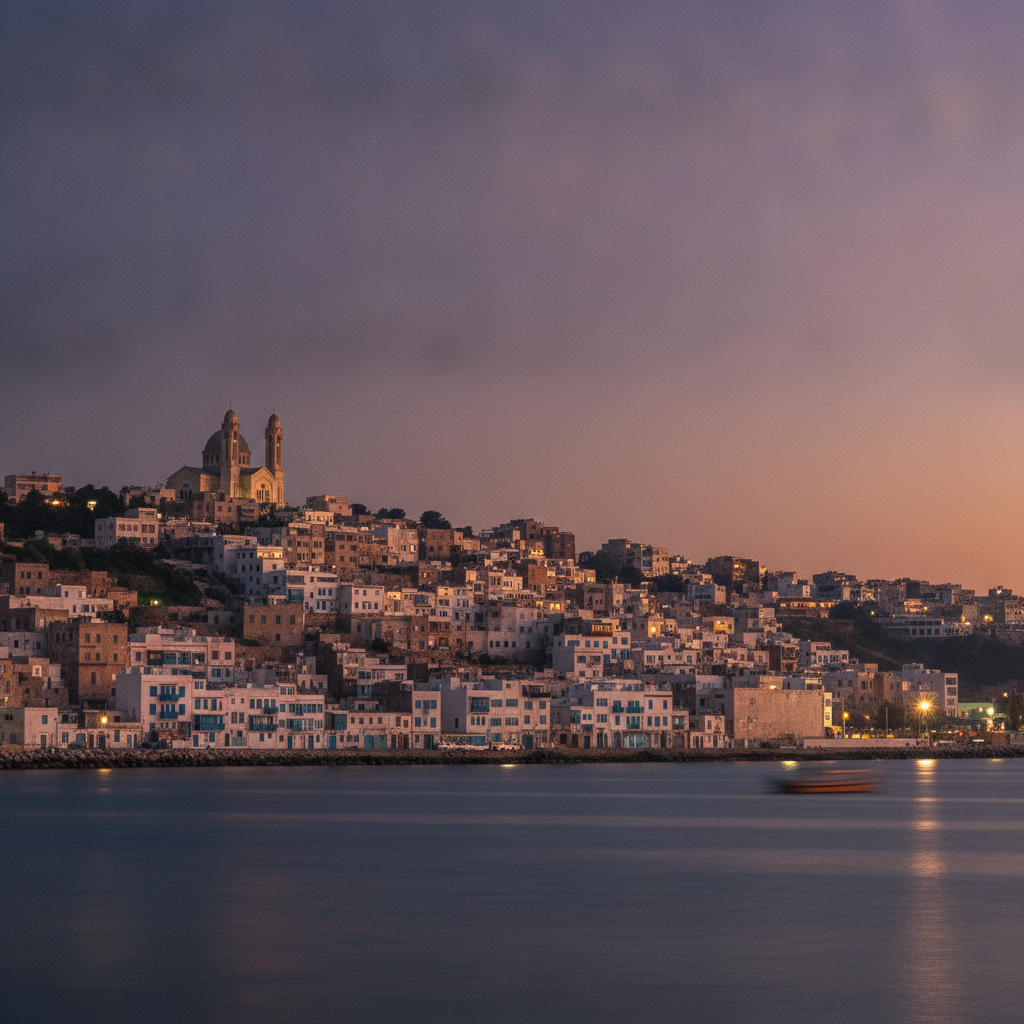
The Barbary Corsairs of Algiers Enslaved an Estimated 1-1.25 Million Europeans From 1516 to 1830 and the United States Fought Its First International Wars Against Them in the Barbary Wars of 1801-1815; Le Corbusier Visited Ghardaia in 1931 and the Whitewashed Geometric Minimalism of the Mozabite Ibadi Architecture Directly Influenced His Purist Architectural Philosophy; Cheb Hasni the Algerian Rai Singer Was Shot Dead in Oran in 1994 During the Black Decade Civil War in Which Approximately 100,000-200,000 Algerians Were Killed
The Barbary Corsairs enslaving 1-1.25 million Europeans; Le Corbusier influenced by Ghardaia Mozabite architecture in 1931; Cheb Hasni shot dead in 1994 during the Black Decade; the pieds-noirs exode of 1 million settlers in weeks; Tamazight recognized as co-official language in 2016; and Algiers as capital of the largest country in Africa with the Tassili n'Ajjer 15,000 Neolithic rock paintings in the Sahara.

Algiers Arts, Museums, Literature, Cuisine, and Photography Guide
The Bardo National Museum of Prehistory and Ethnography in Algiers with prehistoric Saharan collections; the Algiers Museum of Fine Arts housing the finest collection of French colonial and modern Algerian art; Albert Camus and the pied-noir literary tradition of Algerian French-language literature; Algerian cuisine (the chorba lentil soup, the bourek fried pastry, the chakhchoukha shredded bread stew, the dolma stuffed vegetables, and the basbousa semolina cake); and the Algiers photography guide including the Casbah morning light.
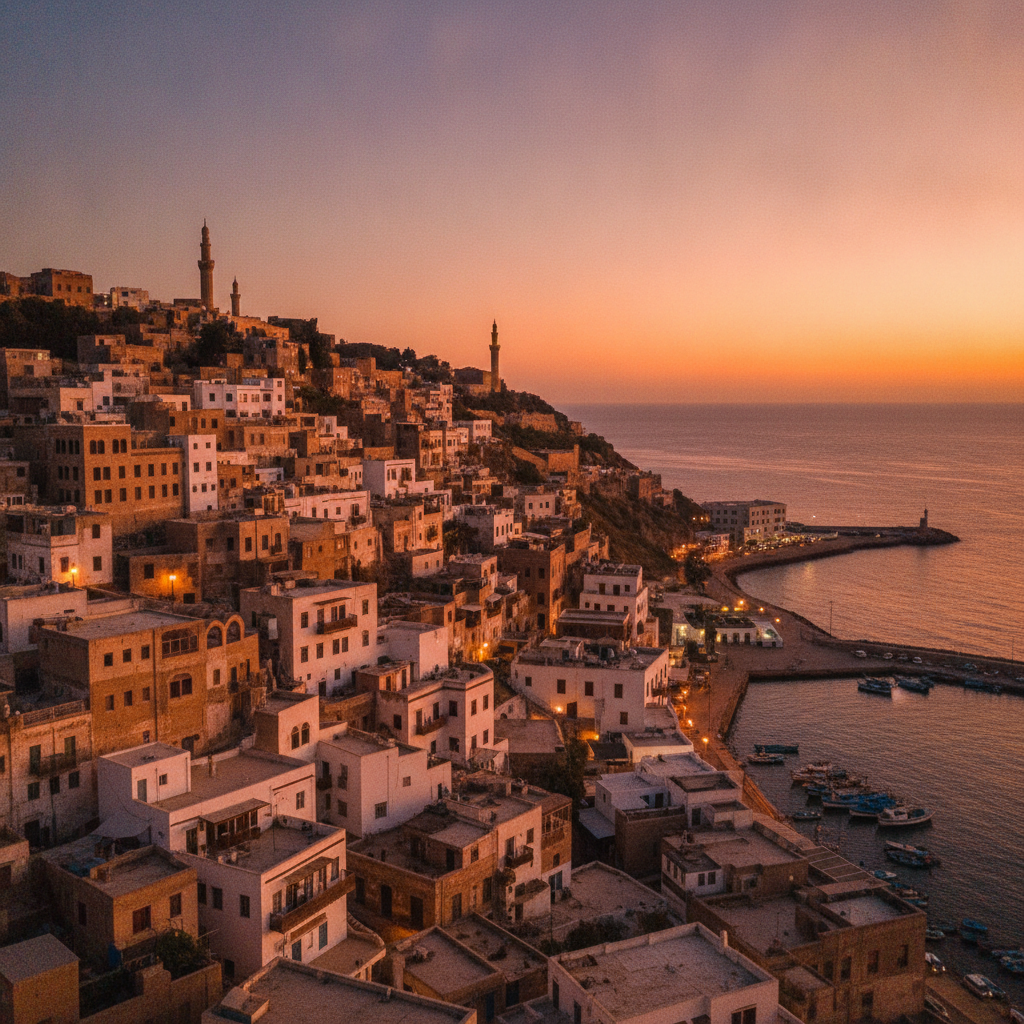
Algiers Complete Guide - Practical Tips, Amazigh Culture, Music, and Mediterranean Identity
Practical Algiers: visa requirements, safety, transport, Amazigh identity and the Tamazight language renaissance, Algerian music from rai to Andalusian chaabi, comparison with Tunis and Casablanca, and the complete reference guide for one of the world's most complex and rewarding capitals.
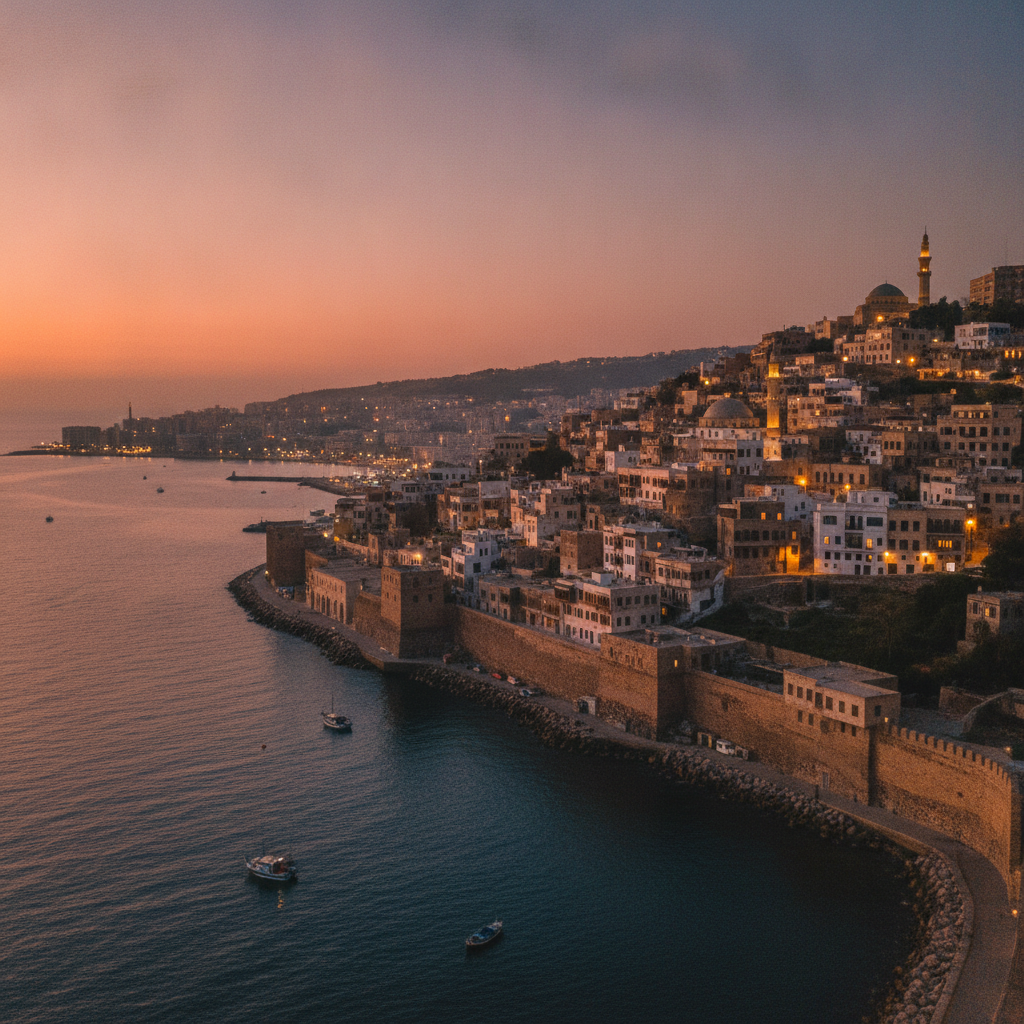
Djemila, Timgad, and the Roman Ruins of Algeria - North Africa's Best Preserved Roman Cities
Djemila (Cuicul) and Timgad (Thamugadi) as two of the best-preserved Roman cities in North Africa both UNESCO World Heritage Sites; the Numidian Kingdom of Jugurtha (who fought Rome from 112-105 BCE in the Jugurthine War); Tipasa on the Mediterranean coast west of Algiers as another UNESCO Roman-Christian site described by Albert Camus; and Bejaia (Bejaia - the Berber Hammadid kingdom capital and medieval center of mathematics where the Pisan mathematician Fibonacci learned the Hindu-Arabic numeral system in the 12th century including the zero that transformed European mathematics.
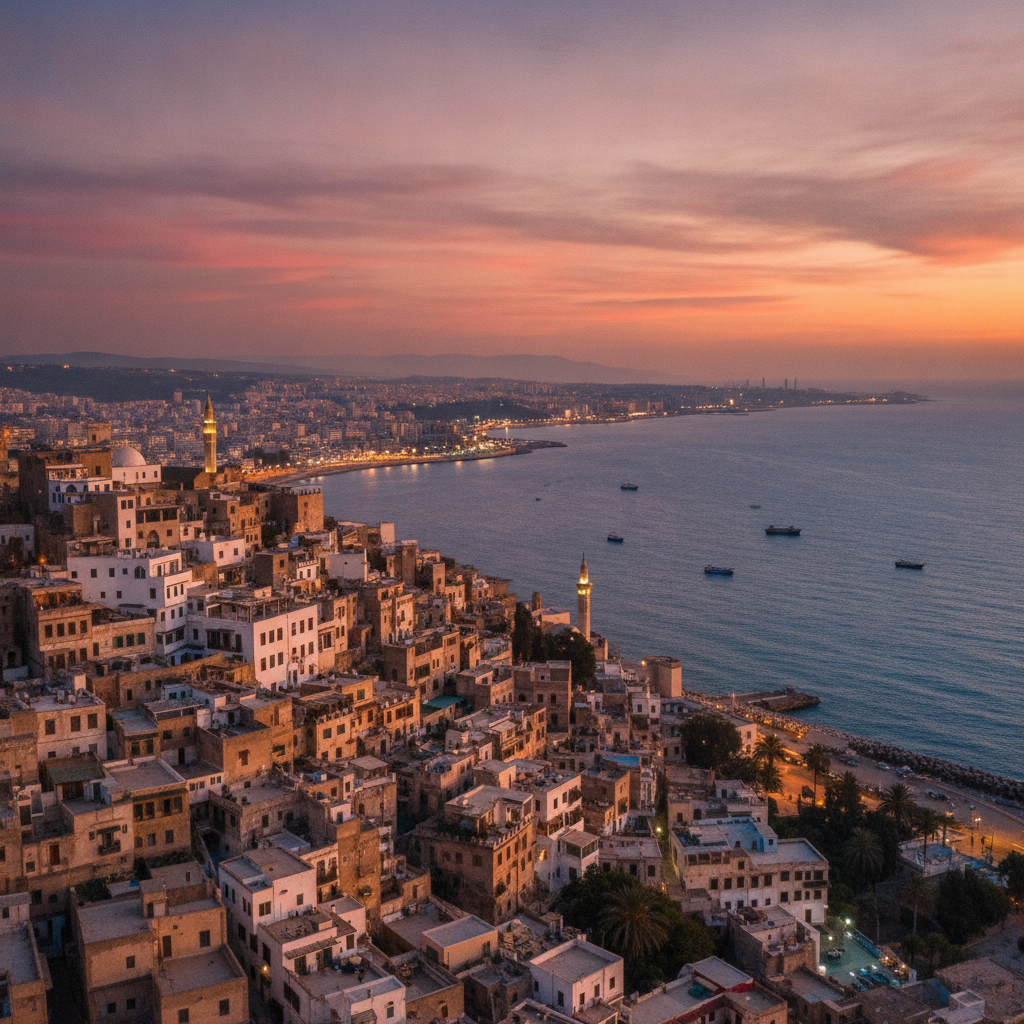
Algiers Day Trips and Regional Highlights - From Roman Ruins to Saharan Prehistory
Tipasa Roman-Christian ruins on the Mediterranean coast described by Albert Camus; Djemila UNESCO Roman city in the Tell Atlas mountains as one of the best-preserved Roman sites in the world; the Tassili n'Ajjer UNESCO plateau with 15,000 Neolithic rock paintings of a Green Sahara; day trips from Algiers to Tipasa (60 km) and the Chenoua coast; the Bejaia coast and Kabyle mountains as a domestic tourism circuit; and practical information for visiting Algeria as an independent traveler.
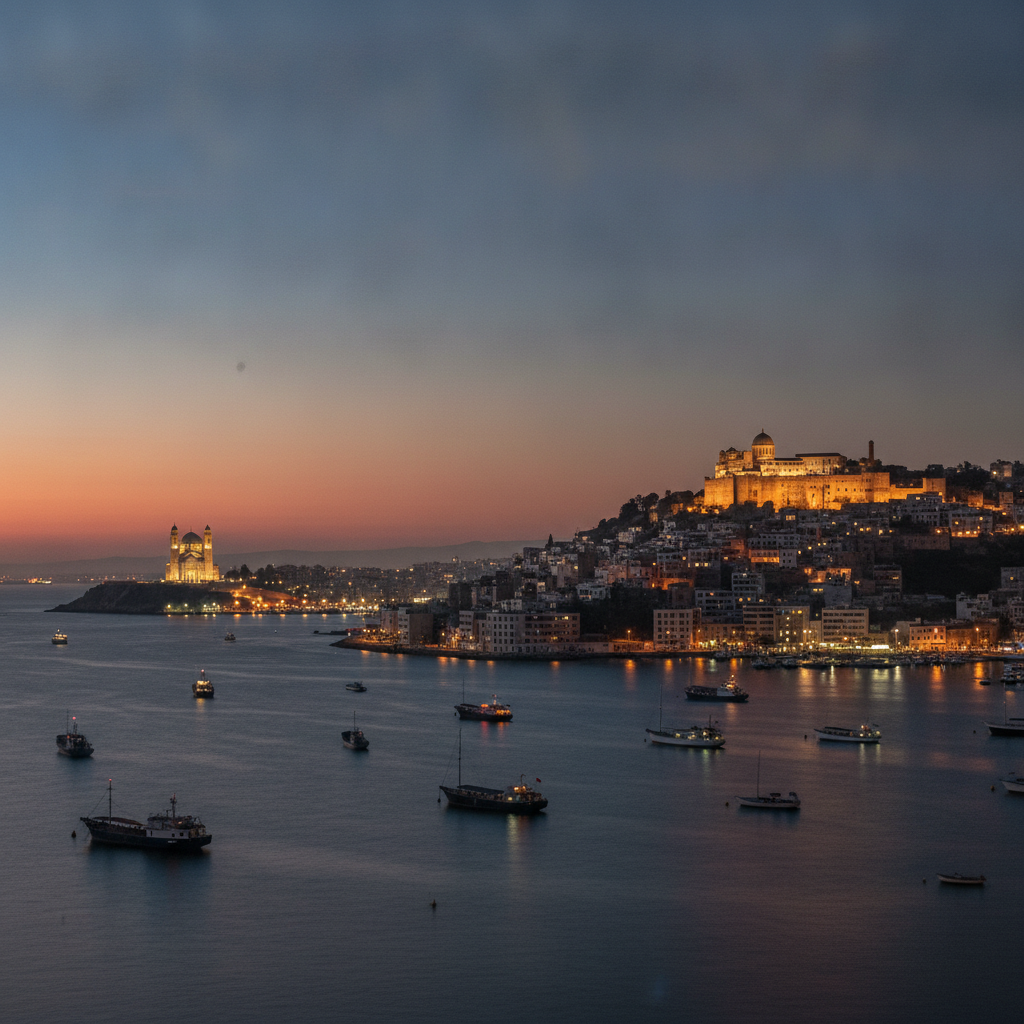
The 1966 Film La Bataille d'Alger Directed by Gillo Pontecorvo Is Studied at Military Staff Colleges Around the World as a Case Study in Counter-Insurgency and the French Used Systematic Torture (the Grillade Electric Shock Technique) on a Mass Scale in the Casbah During the 1957 Battle; The Tassili n'Ajjer UNESCO World Heritage Plateau Contains 15,000 Rock Paintings From a Green Sahara Period 8,000-4,000 BCE Depicting Hippopotami, Crocodiles, and Cattle in What Is Now Desert; Algeria Is the Largest Country in Africa at 2,381,741 km2 With Approximately 85-90% Covered by the Sahara Desert
The 1966 Battle of Algiers film studied at military staff colleges worldwide; the Tassili n'Ajjer's 15,000 rock paintings showing hippopotami and crocodiles in a Green Sahara; Algeria as the largest country in Africa with 85-90% Sahara; the Notre-Dame d'Afrique basilica with its Pray for us and for Muslims inscription; the Grande Poste 1910 Moorish-Renaissance colonial architecture; and the Algiers practical guide including the complex visa process and the Casbah as the primary UNESCO sight.