The 1966 Film La Bataille d'Alger Directed by Gillo Pontecorvo Is Studied at Military Staff Colleges Around the World as a Case Study in Counter-Insurgency and the French Used Systematic Torture (the Grillade Electric Shock Technique) on a Mass Scale in the Casbah During the 1957 Battle; The Tassili n'Ajjer UNESCO World Heritage Plateau Contains 15,000 Rock Paintings From a Green Sahara Period 8,000-4,000 BCE Depicting Hippopotami, Crocodiles, and Cattle in What Is Now Desert; Algeria Is the Largest Country in Africa at 2,381,741 km2 With Approximately 85-90% Covered by the Sahara Desert
The 1966 Battle of Algiers film studied at military staff colleges worldwide; the Tassili n'Ajjer's 15,000 rock paintings showing hippopotami and crocodiles in a Green Sahara; Algeria as the largest country in Africa with 85-90% Sahara; the Notre-Dame d'Afrique basilica with its Pray for us and for Muslims inscription; the Grande Poste 1910 Moorish-Renaissance colonial architecture; and the Algiers practical guide including the complex visa process and the Casbah as the primary UNESCO sight.
- 1
The Casbah of Algiers - UNESCO World Heritage and Ottoman Architecture
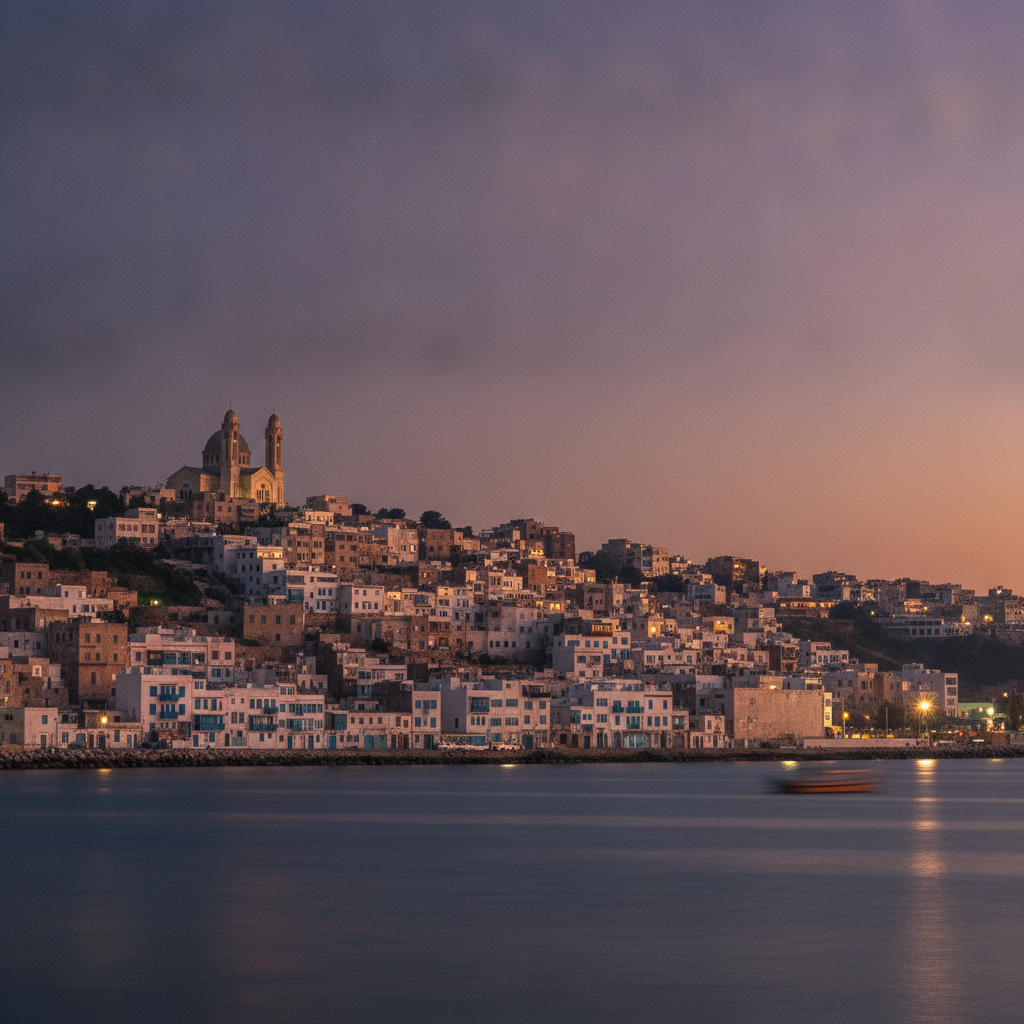
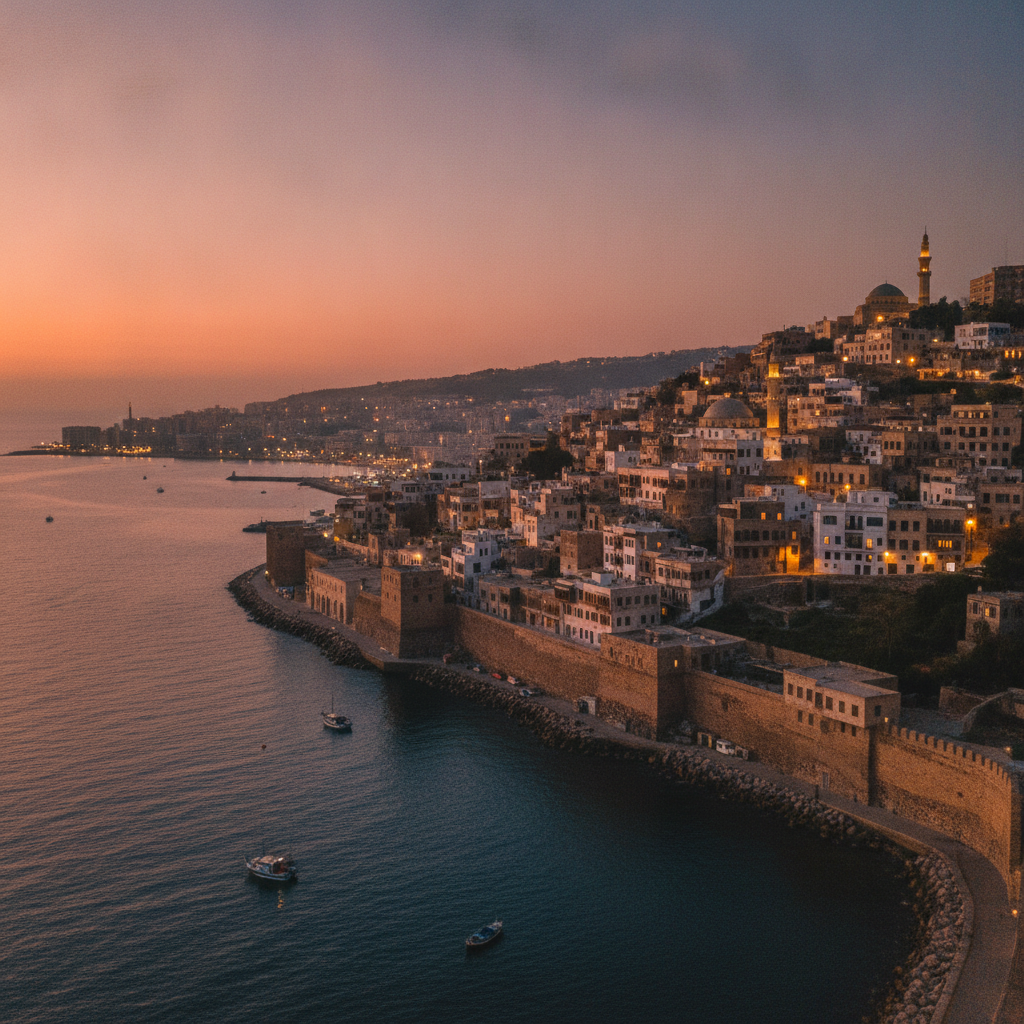
The Casbah of Algiers (al-Qasba) - the UNESCO World Heritage-listed historic center of the Algerian capital and one of the finest surviving Ottoman-era Islamic cities in North Africa: the heritage guide. The history (the Casbah of Algiers was built on the site of the ancient Berber and Phoenician settlement of Icosium: the Ottoman conquest of Algiers (1516 - Khair ad-Din Barbarossa (Hayreddin Pasha) captured Algiers for the Ottoman Empire and expelled the Spanish from the offshore islet (the Penon de Alger) where they had built a fort: the Ottoman city (the Casbah was developed primarily in the 16th-18th centuries as the administrative center of the Ottoman Regency of Algiers: the city was organized in a typical Ottoman Maghrebi pattern: the upper Casbah (the elite residential quarter near the summit): the lower Casbah (the commercial and artisan quarters near the port): the architecture (the Casbah architecture: the Ottoman palaces (dar - the large residential palaces of the Ottoman elite): the mosques (the Ketchaoua Mosque - the primary mosque of the Casbah: built 1612 - used as a cathedral during the French colonial period (1830-1962) and reconverted to a mosque after Algerian independence: the Djemaa al-Kebir (Great Mosque) - the oldest mosque in Algiers (11th century): the Djemaa al-Jedid (New Mosque) - a 17th century Ottoman domed mosque: the Dar Hassan Pacha (the 18th century Ottoman governor's palace): UNESCO (the Casbah of Algiers was listed as a UNESCO World Heritage Site in 1992 for its outstanding example of an Ottoman-era Moorish and Mediterranean city and for the role it played in the Algerian War of Independence).
- 2
The Battle of Algiers - The Algerian War of Independence and the Casbah
The Battle of Algiers (1957) - the pivotal urban guerrilla warfare campaign of the Algerian War of Independence and the Casbah of Algiers as the primary theater of conflict: the independence history guide. The Algerian War of Independence (the Algerian War (La Guerre d'Algerie - November 1, 1954 - March 19, 1962): the armed uprising of the National Liberation Front (Front de Liberation Nationale - FLN) against the French colonial administration of Algeria: Algeria had been under French colonization since 1830 - the longest French colonial occupation: approximately 1 million French settlers (pieds-noirs - black feet) lived in Algeria: the Battle of Algiers (the Battle of Algiers (January-October 1957): the FLN launched a campaign of urban guerrilla bombings and assassinations in Algiers directed primarily at the pieds-noirs civilian population: the French military (the 10th Parachute Division under General Jacques Massu) was given police powers in Algiers to suppress the FLN: the French response (the French military used systematic torture (the grillade - the electric shock technique) in the interrogation of FLN suspects: the torture was applied on a mass scale in the Casbah detention centers: the Battle of Algiers film (the film La Bataille d'Alger (1966) directed by Gillo Pontecorvo: shot in the Casbah in a quasi-documentary style: winner of the Golden Lion at Venice 1966: the most influential political film of the 20th century: studied at military staff colleges around the world as a case study in counter-insurgency and urban warfare: the independence (Algerian independence was proclaimed July 5, 1962: France recognized independence on July 3, 1962).
- 3
Algiers the White City - Haussmann by the Mediterranean and Colonial Architecture
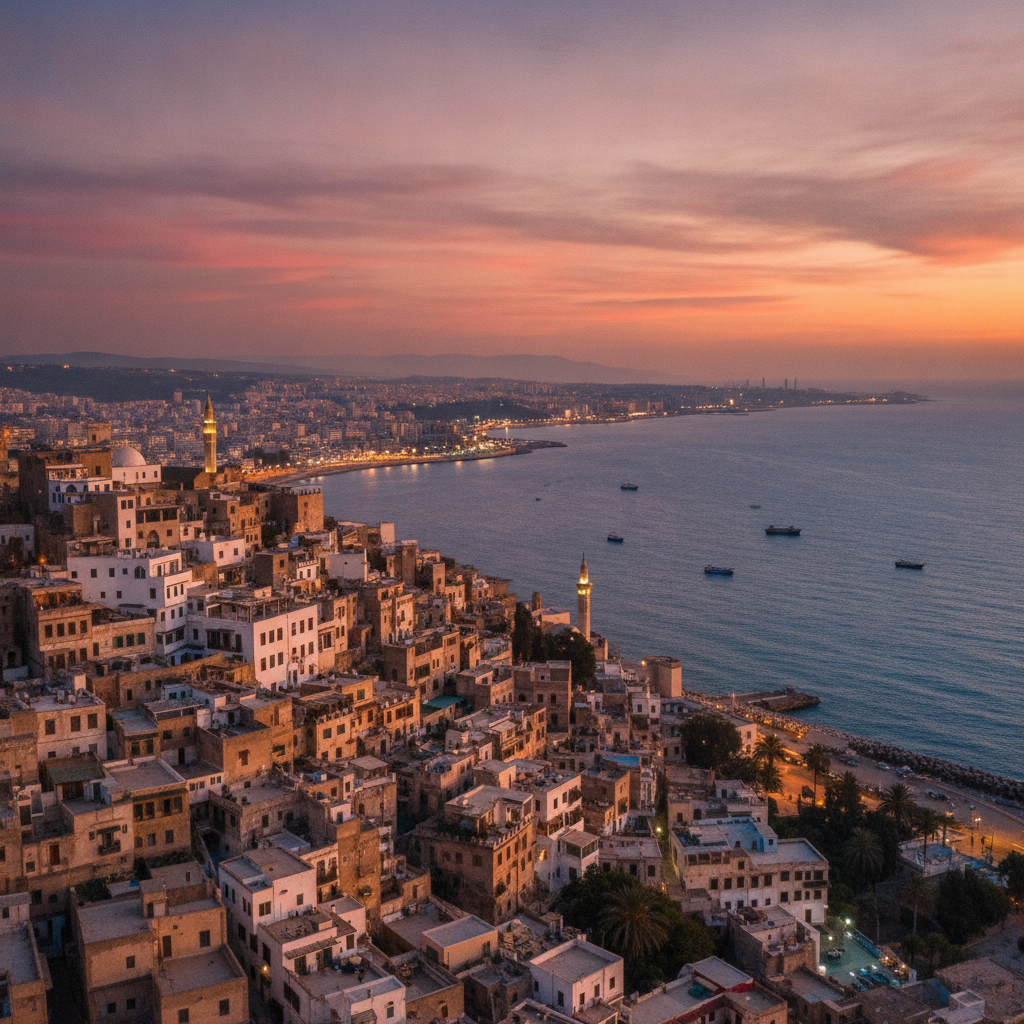
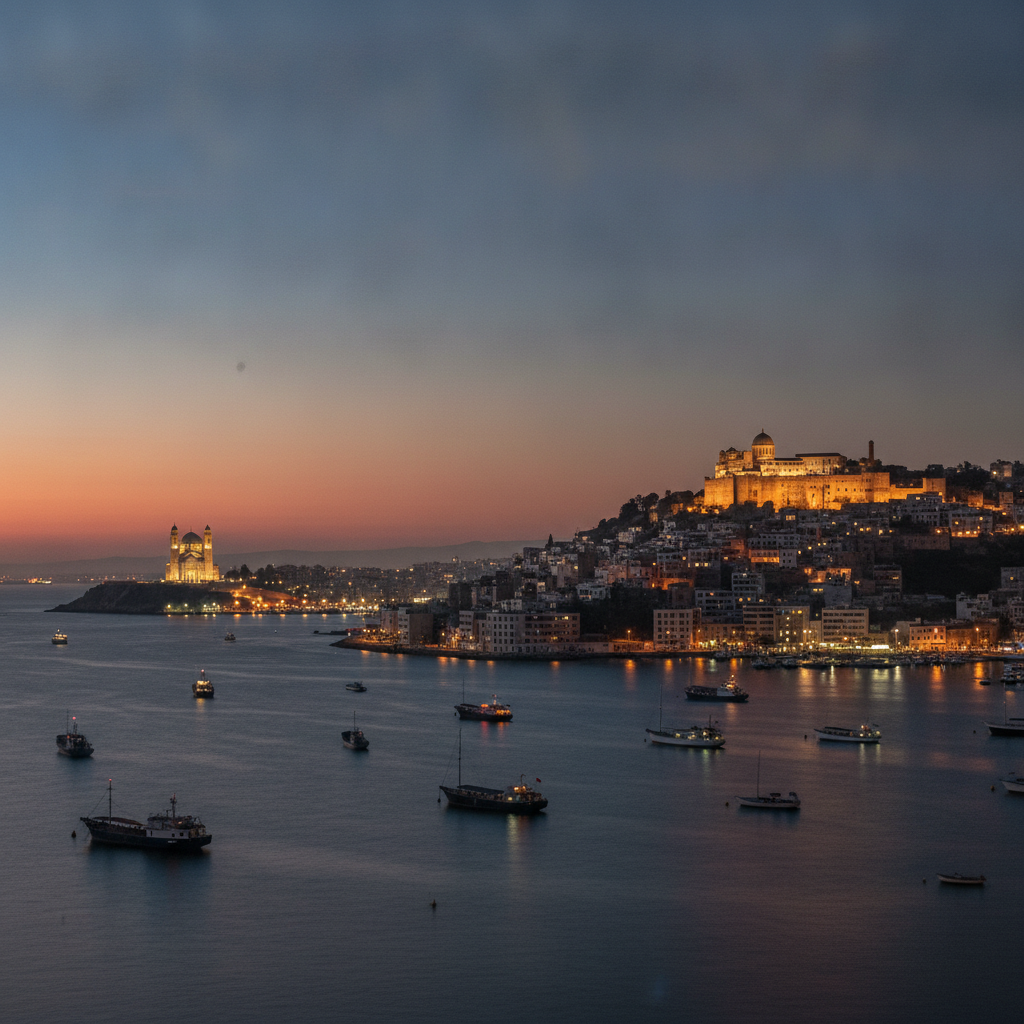
Algiers as the White City (Alger la Blanche) - the extraordinary French colonial urban landscape of the lower city built on the slopes below the Casbah in the 19th-20th centuries: the architecture guide. The White Algiers (the name (Alger la Blanche) refers to the gleaming white limestone facades of the French colonial city that tumble down the hillside above the Mediterranean bay: the French colonial architecture of Algiers is one of the finest examples of Haussmann-inspired colonial urbanism outside Paris: the French conquest (France invaded and occupied Algiers on July 5, 1830 (the date that Algerian independence is now celebrated as a reversal): the French colonial city (the French built a ville nouvelle below and around the existing Casbah using Haussmann-era urban planning principles: wide boulevards, apartment buildings with ornate facades, colonial administrative buildings in a Neo-Moorish Andalusian style: the primary colonial buildings: the Grande Poste (the General Post Office - 1910: a magnificent Moorish-Renaissance hybrid in white limestone): the Opera House: the Gouvernement General building: the Front de Mer (the seafront boulevard - the Boulevard Khemisti and the front de mer overlooking the Bay of Algiers): the Basilica of Notre-Dame d'Afrique (the Neo-Byzantine Catholic basilica on a headland above the Bay of Algiers: built 1858-1872: still intact and used for Catholic worship: the inscription above the main altar reads Pray for us and for Muslims which is notable).
- 4
The FLN and Algerian Independence - November 1 1954 and the Birth of a Nation
The Front de Liberation Nationale (FLN) and the Algerian War of Independence: the political story of how Algeria gained independence from France: the independence history guide. The FLN (the Front de Liberation Nationale (National Liberation Front): founded October 23-24, 1954: the primary nationalist organization that led the Algerian War of Independence: the founding members included Ahmed Ben Bella, Mohamed Boudiaf, Mostefa Ben Boulaid, Larbi Ben Mhidi, and others: the November 1 offensive (the FLN launched coordinated attacks across Algeria on November 1, 1954 (All Saints Day - Toussaint Rouge - the Red All Saints): approximately 70 attacks on military and police targets: the French response (the French Interior Minister François Mitterrand declared that Algeria is France and that France will maintain its sovereignty: the 130 years (Algeria was France's primary colonial possession for 130 years (1830-1962): the French colonization was the most intensive and devastating in the Maghreb: approximately 1 million Algerians were killed during the conquest phase (1830-1870) according to contemporary French military estimates: the pieds-noirs (the approximately 1 million French settlers (pieds-noirs) who lived in Algeria in 1962 were evacuated to France in the weeks following independence: the sudden departure of the pieds-noirs left Algeria with a severe skilled labor shortage in medicine, engineering, administration, and education: the independence (July 5, 1962): Ahmed Ben Bella became Algeria's first President: the FLN became the single ruling party of Algeria: Algeria's political system was a single-party authoritarian state until 1989).
- 5
The Sahara and Algeria - The Largest Desert Country in the World
Algeria and the Sahara: the extraordinary fact that Algeria is the largest country in Africa (since South Sudan's independence in 2011 pushed Algeria from second to first) and approximately 85-90% of its territory is covered by the Sahara Desert: the geographical guide. The size (Algeria: 2,381,741 km2: the largest country in Africa: the largest country in the Arab world: larger than all of Western Europe: the Sahara (the Algerian Sahara covers approximately 2,000,000 km2 of the country's total territory: the human population of the Algerian Sahara: approximately 500,000-700,000 people: approximately 1-2% of the national population of approximately 45 million: the Saharan topography (the Algerian Sahara is topographically diverse: the Grand Erg Oriental (the eastern Grand Erg): a vast sand sea (erg) of towering dunes: the Grand Erg Occidental (the western Grand Erg): the Ahaggar (Hoggar) mountains (the volcanic mountain massif in southern Algeria: elevation up to 2,908m (Tahat peak): the Tassili n'Ajjer plateau (the extraordinary sandstone plateau in southeastern Algeria: UNESCO World Heritage Site (1982): the Tassili n'Ajjer contains approximately 15,000 rock engravings and paintings from the Neolithic period (approximately 8,000-4,000 BCE): the rock art depicts a Green Sahara (the period when the Sahara was grassland and savanna with large wildlife including hippopotami, crocodiles, and cattle): the natural gas (Algeria is the 10th largest natural gas producer in the world: the Algerian natural gas fields in the Sahara (primarily in the Hassi Messaoud and Hassi R'Mel fields) supply approximately 15-20% of European natural gas imports: the Algiers-to-the-Sahara journey (the N1 road south from Algiers to the Sahara: Ghardaia (600 km south): Tamanrasset (2,000 km south - at the foot of the Ahaggar mountains).
- 6
Algiers Practical Guide - The Casbah, the Bay, and Getting Around Algeria
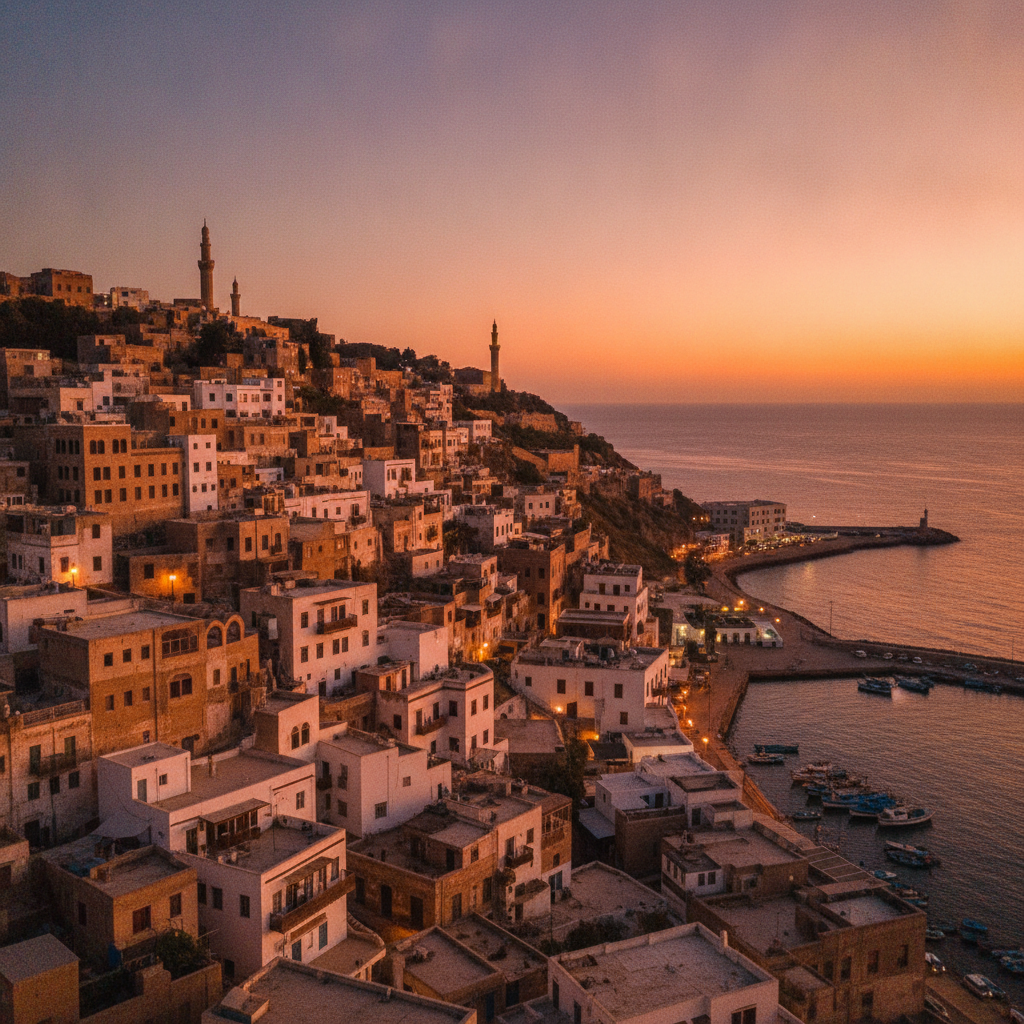
The Algiers practical guide: essential visitor information for Algeria's capital city and the challenges of visiting one of the most rarely visited countries in North Africa: the practical guide. The visa (Algeria requires a visa for most nationalities: the visa application process can be complex and slow: the tourist visa for individuals is difficult to obtain: the easiest entry for independent tourists is through a licensed Algerian tour operator who can arrange the invitation letter required for the visa: the arrival (Houari Boumediene International Airport (ALG) - 20 km east of Algiers: taxi to the city approximately 1,500-2,000 DZD (approximately USD 10-15): the currency (Algerian Dinar (DZD): official rate approximately 130 DZD per USD (2025): the Algerian black market rate has historically been significantly higher: the use of ATMs is limited and credit cards are not widely accepted: the safety (Algiers is generally safe for tourists in the city: the Casbah requires a guide (both for navigation and for safety): the primary security concern for tourists is petty crime in crowded areas: the Casbah (the Casbah is the primary tourist sight: the UNESCO World Heritage designation comes with conservation programs: the primary sights: the Dar Hassan Pacha palace: the Ketchaoua Mosque: the Djemaa al-Kebir: the view from the upper Casbah over the Bay of Algiers: the Notre-Dame d'Afrique: the Bardo National Museum of Prehistory and Ethnography: the Algiers Museum of Fine Arts (the finest collection of French colonial and modern Algerian art): the practical context (Algeria is one of the most difficult North African countries to visit independently: the reward for the persistent traveler is an extraordinary and largely untouched historical and cultural heritage with very few tourists).
Walk this route with audio
Stories play automatically as you reach each stop — no tapping needed.
More in Algiers
The Barbary Corsairs of Algiers Enslaved an Estimated 1-1.25 Million Europeans From 1516 to 1830 and the United States Fought Its First International Wars Against Them in the Barbary Wars of 1801-1815; Le Corbusier Visited Ghardaia in 1931 and the Whitewashed Geometric Minimalism of the Mozabite Ibadi Architecture Directly Influenced His Purist Architectural Philosophy; Cheb Hasni the Algerian Rai Singer Was Shot Dead in Oran in 1994 During the Black Decade Civil War in Which Approximately 100,000-200,000 Algerians Were Killed
Algiers Arts, Museums, Literature, Cuisine, and Photography Guide
Algiers Complete Guide - Practical Tips, Amazigh Culture, Music, and Mediterranean Identity
Djemila, Timgad, and the Roman Ruins of Algeria - North Africa's Best Preserved Roman Cities