Santarém at the Deforestation Frontier: Soy and the Amazon
Santarém is the export point for the Amazon soy frontier — the Cargill terminal here ships soy grown on cleared Amazon forest to global markets; the city is at the epicentre of the world's most debated deforestation issue
- 1
Cargill Soy Terminal
Cargill's grain terminal on Santarém's waterfront – opened in 2003 – made the city a major soy export location; The terminal's opening accelerated deforestation in Santarém's hinterland as farmers converted forests into soybean fields for export
- 2
BR-163 Grain Highway
The BR-163 highway – which connects the Mato Grosso soy fields to the port of Santarém – is the artery of the Amazon's deforestation border; highway paving attracted settlement and agricultural expansion that destroyed large tracts of forest
- 3
Belterra Colony History
The colonies of Fordlândia and Belterra—Henry Ford's failed rubber plantations near Santarém (1928-1945)—were the first major industrial agricultural projects on Tapajós; the ruins of the American city and hospital at Belterra are extraordinary
- 4
Fordlândia Ruins
The ruins of Henry Ford's Fordlândia — 80 km upriver from Santarém — are one of the Amazon's most surreal places; the American-style houses, water tower and factory buildings slowly reclaimed by the forest are a monument to industrial hubris
- 5
Conservation vs Agriculture
The Santarém region has been the battleground for the Amazon's most important conservation debate — the tension between agricultural development that provides income and the preservation of the forest that regulates the global climate; both sides have legitimate claims
- 6
Rights of the countries of origin
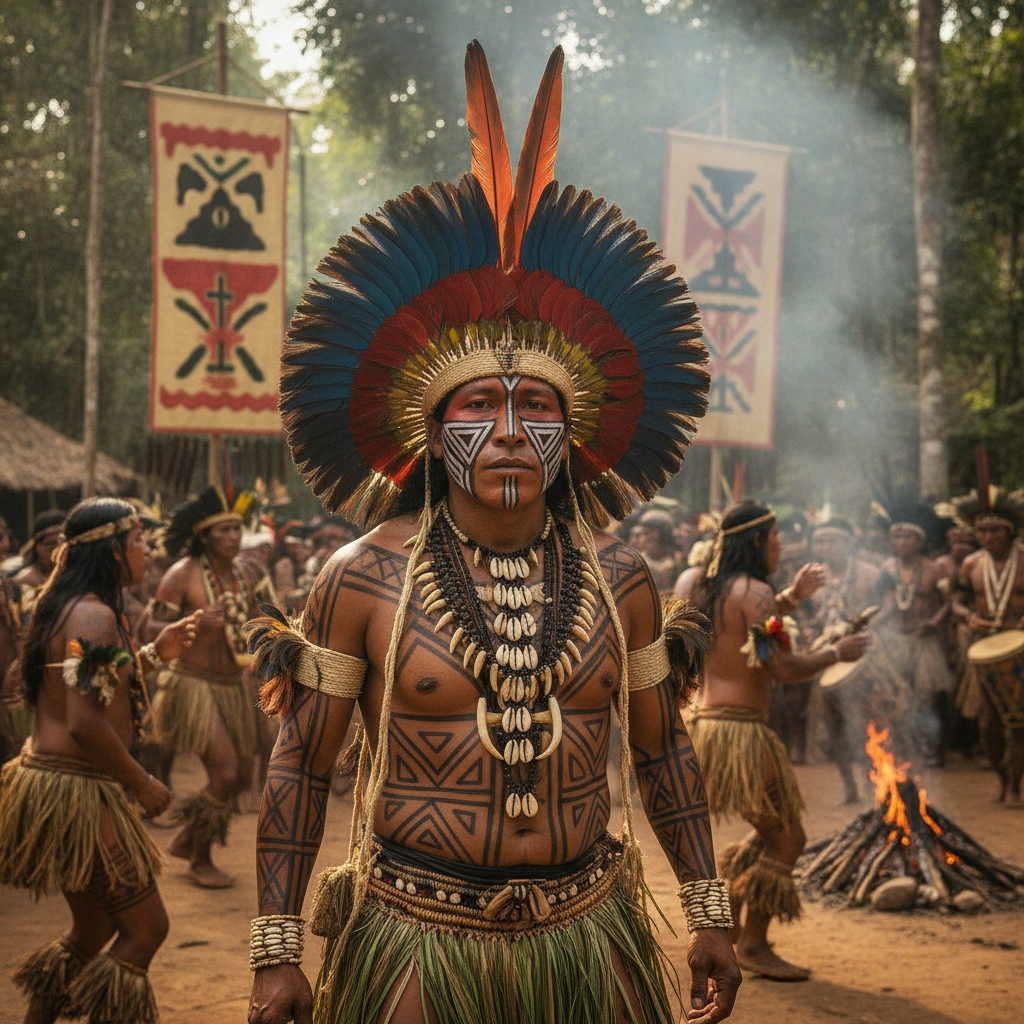
The Munduruku, Tupinambá and other indigenous peoples of the Santarém region use land demarcation and legal tools to resist agricultural expansion; the protection of indigenous territories is the most effective tool to prevent deforestation of the Amazon
Walk this route with audio
Stories play automatically as you reach each stop — no tapping needed.
More in Santarém
Tapajós National Forest: Primary Amazon at Its Finest
Munduruku: Guardians of the Tapajós
Alter do Chão: Indigenous Festival & Tapajós Traditions
Alter do Chão: The Caribbean of the Amazon
Santarém Birding: Amazon and Tapajós Avifauna