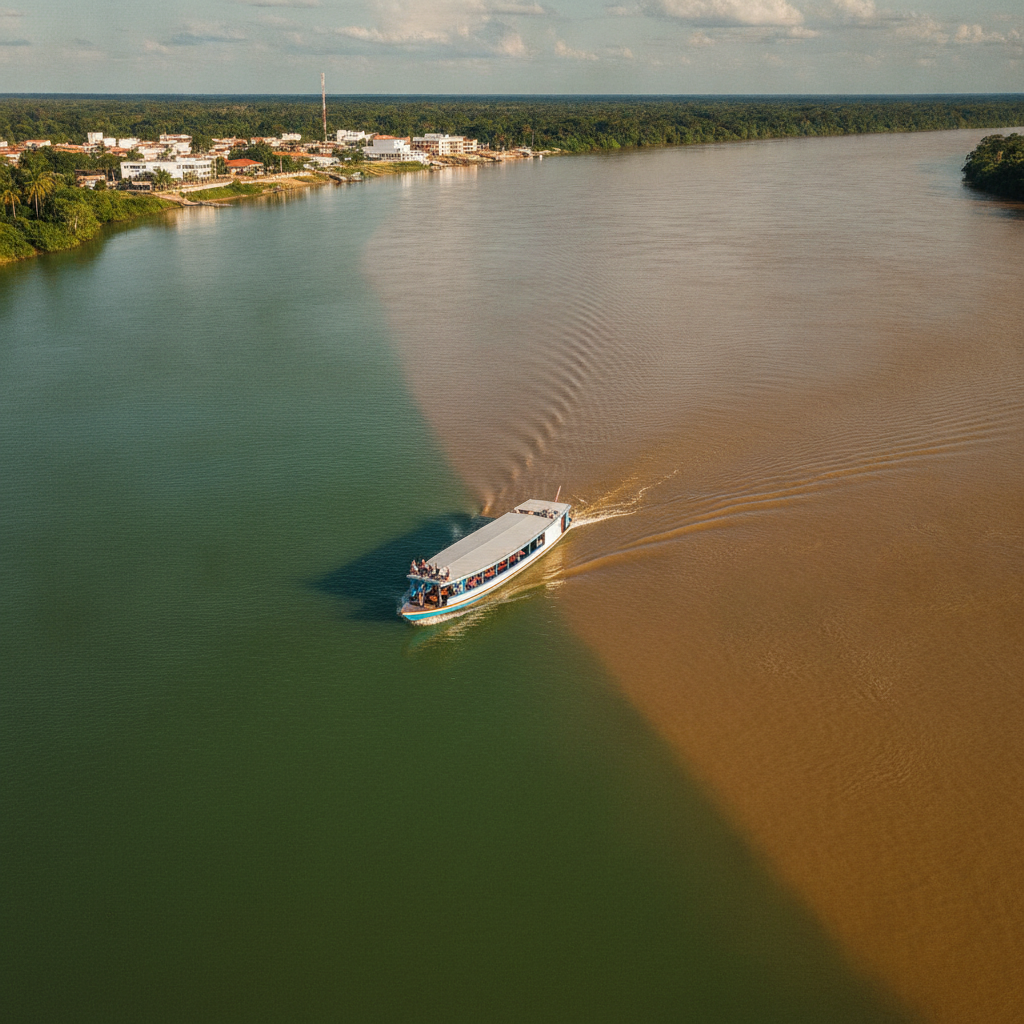
Munduruku: Guardians of the Tapajós
The Munduruku — the dominant indigenous people of the Tapajós River — have a history of fierce independence that repelled both Portuguese and Jesuit missionaries; today they are the leading voices defending the Tapajós against dam projects and illegal mining
- 1
Munduruku History of the Resistance
The Munduruku were known as formidable warriors who resisted colonial penetration by the Tapajós for over a century; the heads of enemies preserved by the Munduruku in their longhouses became the colonial world's most feared symbol of Amazonian resistance
- 2
Anti-Women's Movement
Munduruku's campaign against the proposed São Luiz do Tapajós dam—which would flood indigenous territories—has become the most prominent indigenous environmental resistance movement in the Amazon; Munduruku has appealed to international courts
- 3
Gold Mining Impact
Illegal gold mining (garimpo) in the upper Tapajós has polluted the river with mercury — the bioaccumulation of mercury in the fish the Munduruku eat has caused serious public health consequences in their communities
- 4
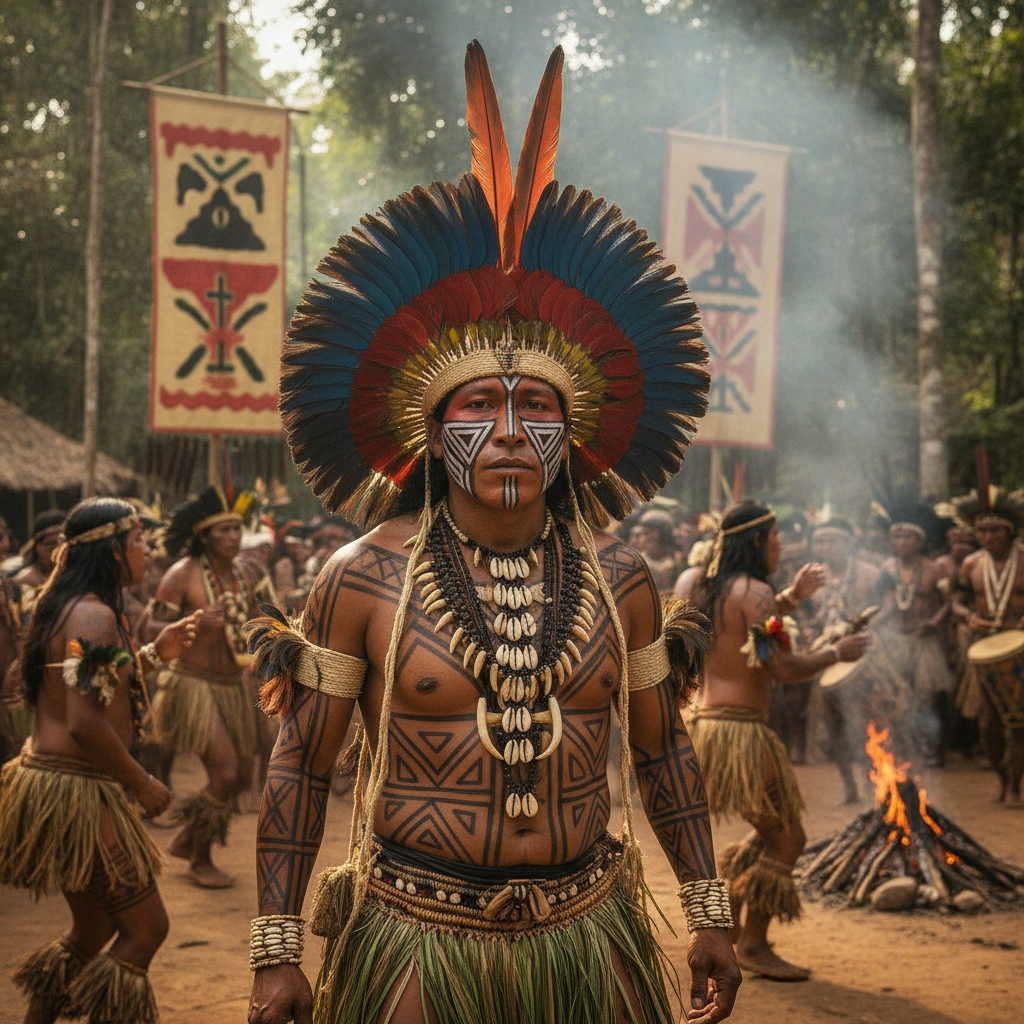
Traditional Munduruku Culture
The Munduruku maintain their language, ceremonial life and traditional ecological knowledge; The Darrã ceremony, body painting and feather work are living traditions supported by the communities' land rights
- 5
Dawïd (Munduruku Chief Ritual)
The Munduruku chieftaincy (cacique) system involves elaborate ritual preparations and the possession of the Dawïd—a spiritual force that connects the chieftain to the forest spirits; the transmission of this power is through ceremonial knowledge
- 6
Santarém as Munduruku Gateway
Santarém serves as the logistical base for access to Munduruku communities in Tapajós — the municipal government and NGOs based in Santarém coordinate between the indigenous population and the outside world
Walk this route with audio
Stories play automatically as you reach each stop — no tapping needed.
More in Santarém
Tapajós National Forest: Primary Amazon at Its Finest
Alter do Chão: Indigenous Festival & Tapajós Traditions
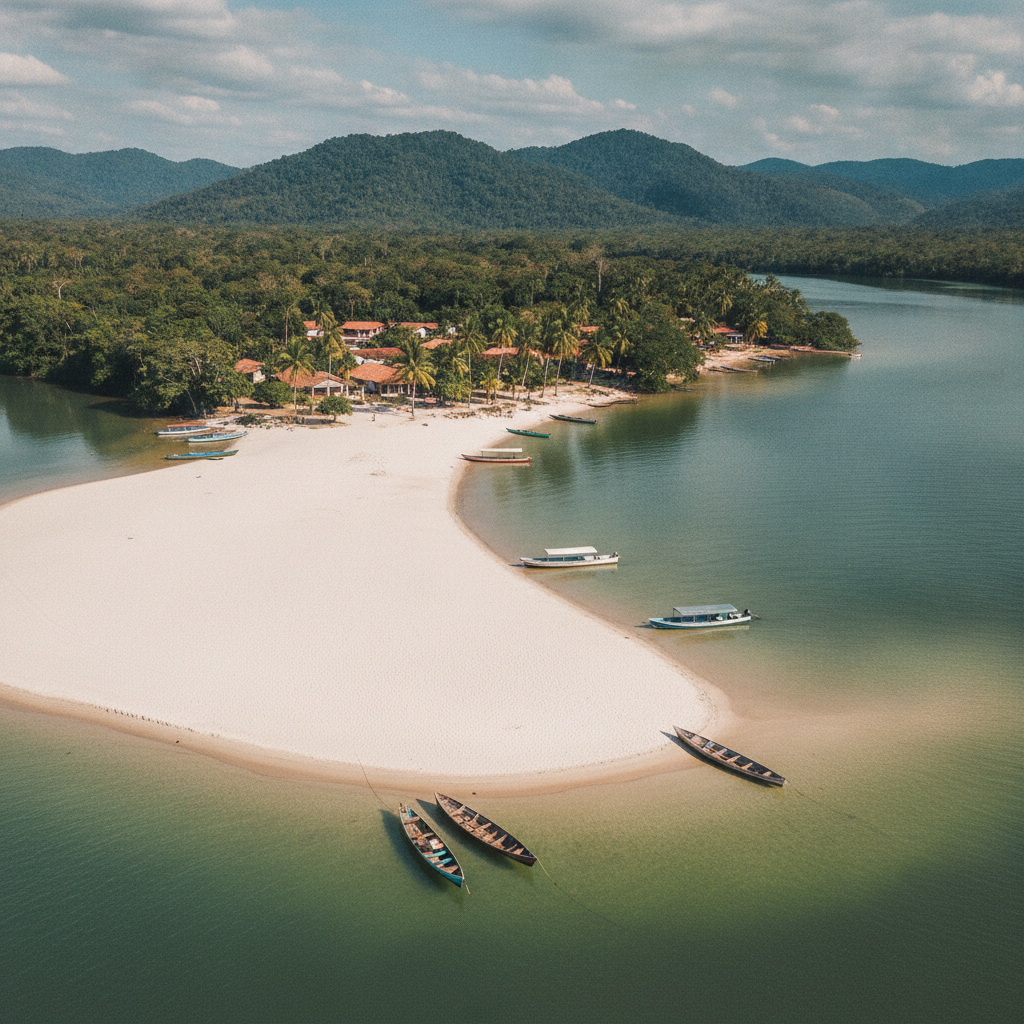
Alter do Chão: The Caribbean of the Amazon
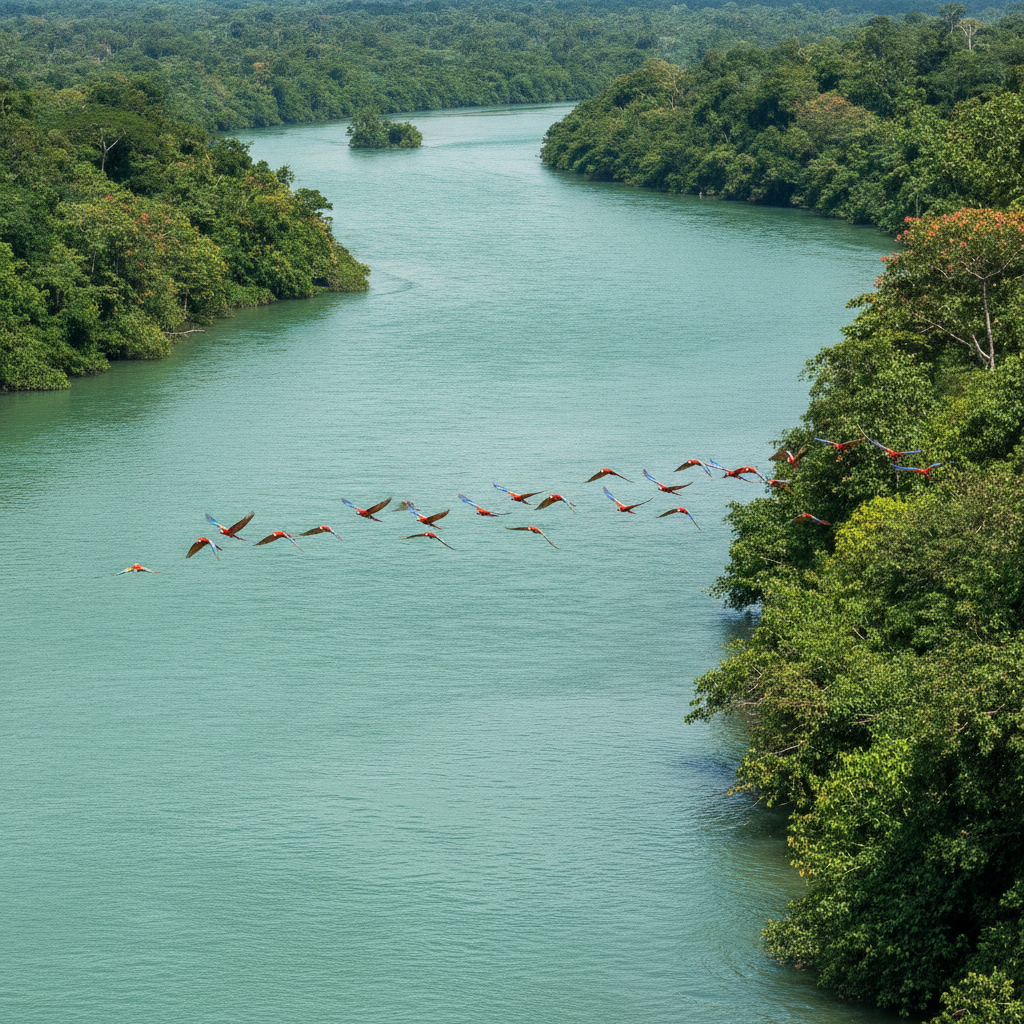
Santarém Birding: Amazon and Tapajós Avifauna
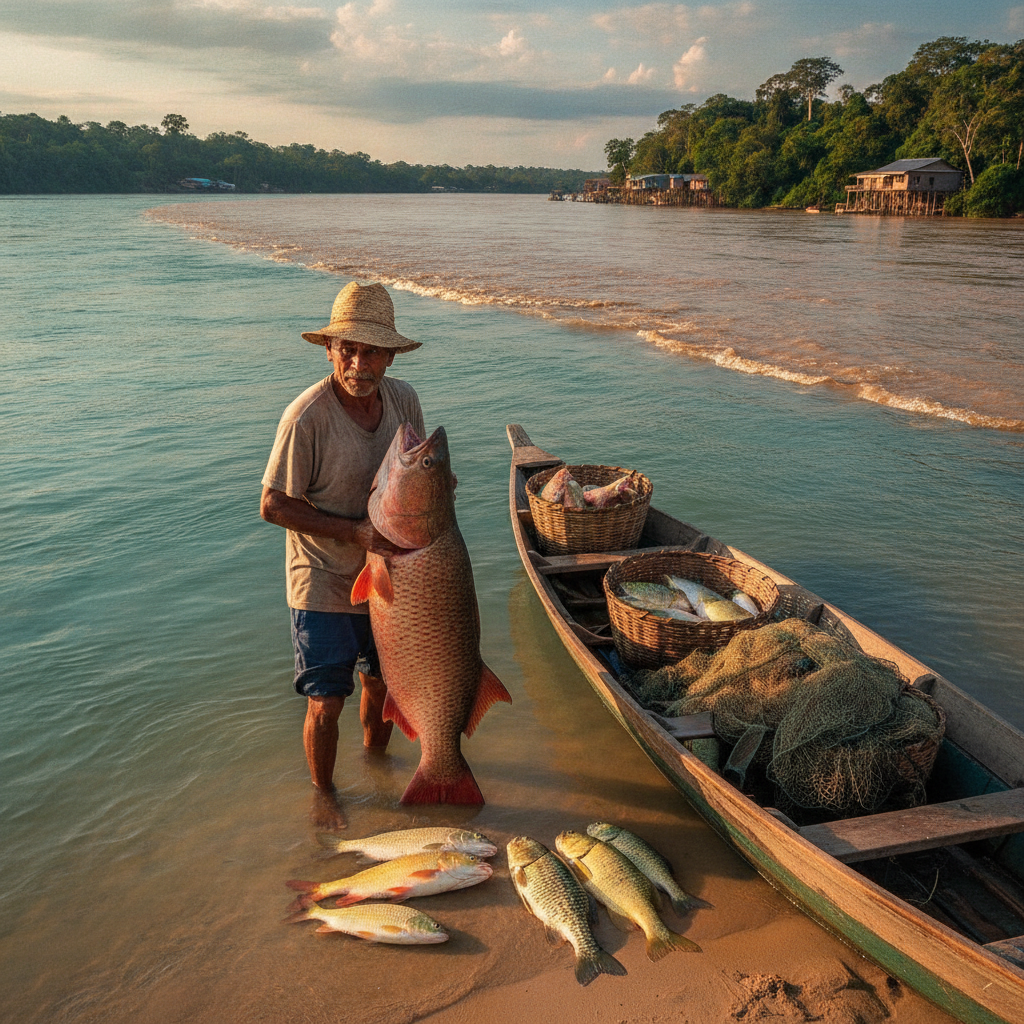
Santarém's Rivers: Fishing the World's Greatest River System