Santarém Birding: Amazon and Tapajós Avifauna
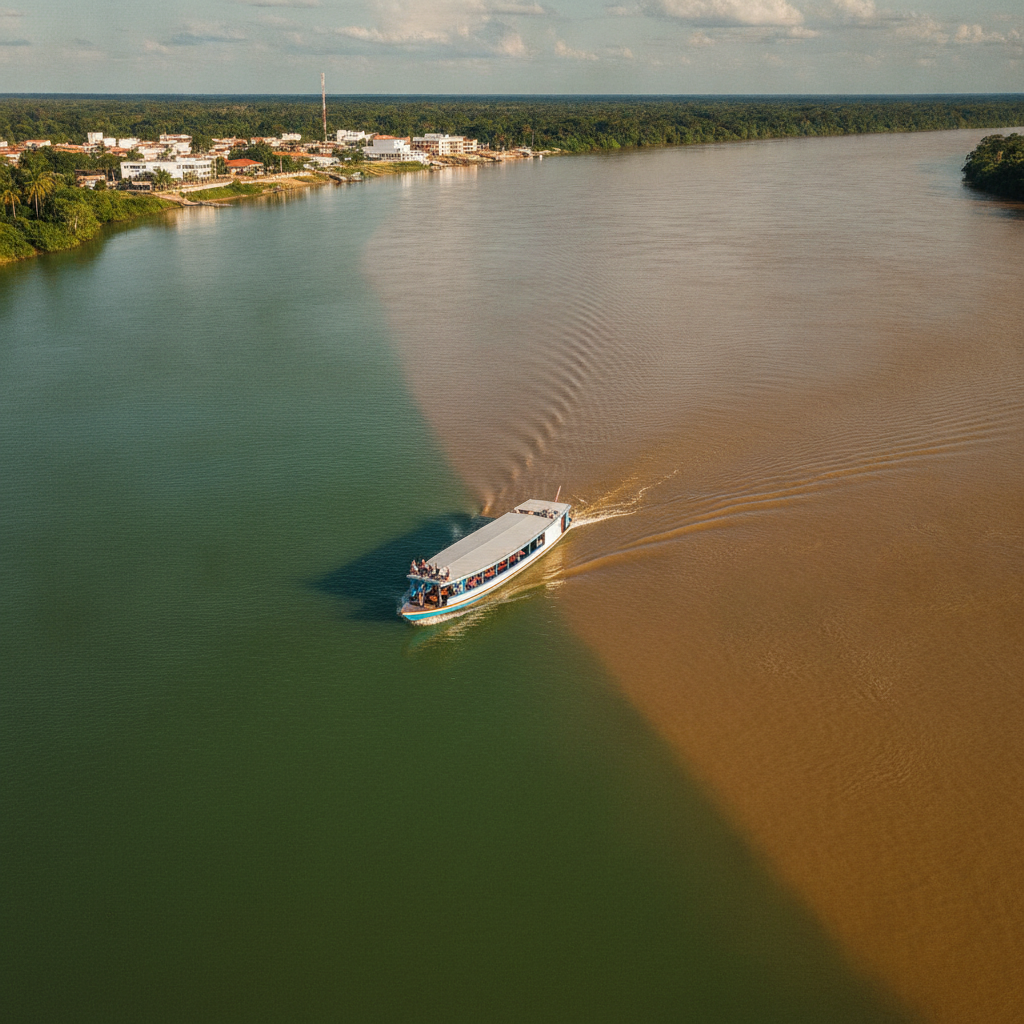
The Amazon-Tapajós confluence at Santarém is one of the world's great birding sites — the intersection of two major river drainage systems creates exceptional bird diversity with many endemics on both the north and south banks
- 1
Tapajós River Endemics
The Tapajós River acts as a biogeographic barrier — many bird species have distinct subspecies or entire species on each bank; The Santarém area has been intensively studied by ornithologists and has documented over 600 bird species
- 2
Scarlet Macaw Flocks
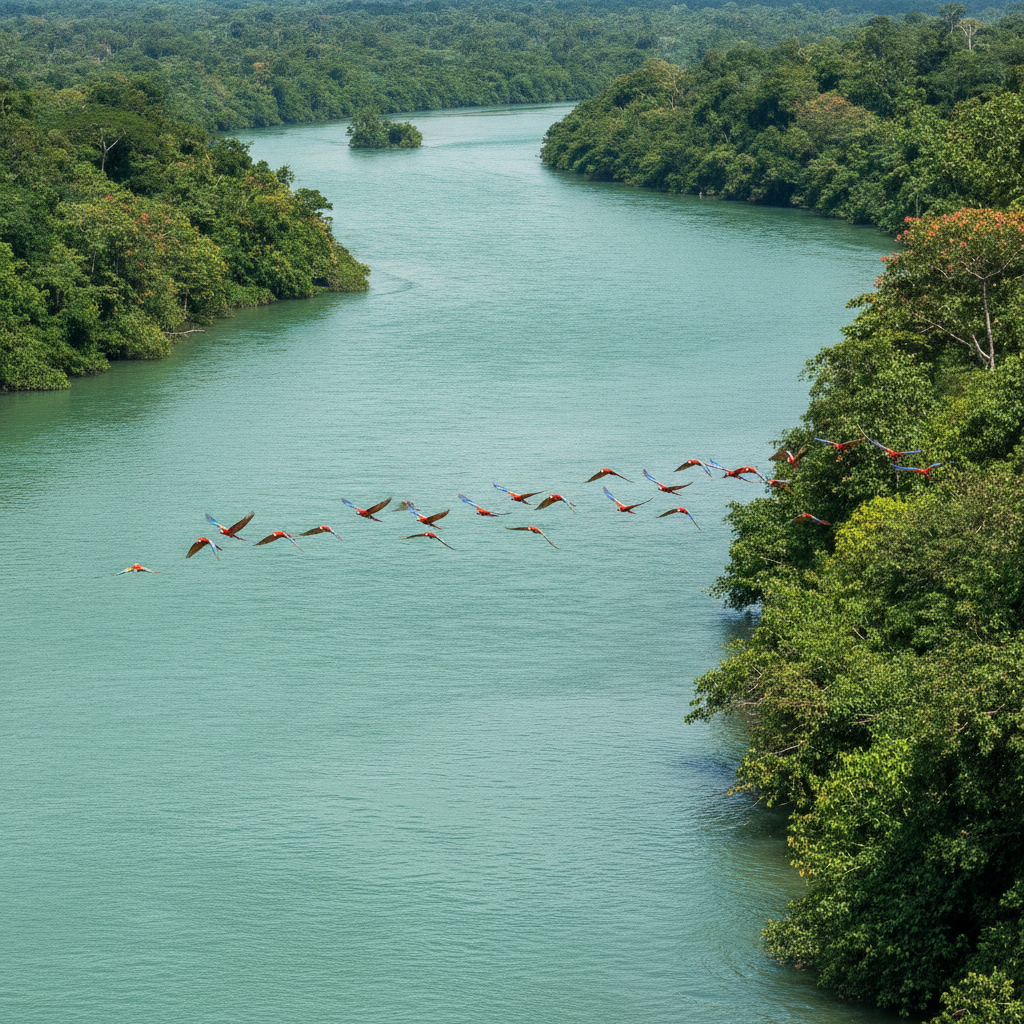
Large flocks of scarlet macaws – flying between roosting and feeding sites over the Tapajós – are one of the Santarém region's most spectacular sights; the macaws use mud licks on the Tapajós banks to detoxify the seeds they eat
- 3
Harpy Eagle sightings
The harrier — one of the world's most powerful birds of prey — nests in the Tapajós National Forest; The Munduruku communities know the nesting sites and guides can arrange viewings of the nesting pairs and their large prey catches
- 4
Antbird diversity
The terra firma forest of the Santarém region has an extraordinary diversity of antbirds — the antbirds that accompany the army in the Tapajós forest represent some of the most complex inter-species collaborations in the bird world
- 5
River Island Specialties
The riverine islands of the Amazon at Santarém have distinctive bird communities — the várzea (floodplain) specialists, the shore-nesting plover and the riverside vegetation hoatzins are all accessible on short boat trips
- 6
Dawn Chorus in the Amazon
The dawn chorus of the Amazon forest – which begins 30 minutes before sunrise – is one of the world's greatest natural sound experiences; The Santarém forest, heard from a boat on the Tapajós before sunrise, produces a wall of bird sounds of extraordinary complexity
Walk this route with audio
Stories play automatically as you reach each stop — no tapping needed.
More in Santarém
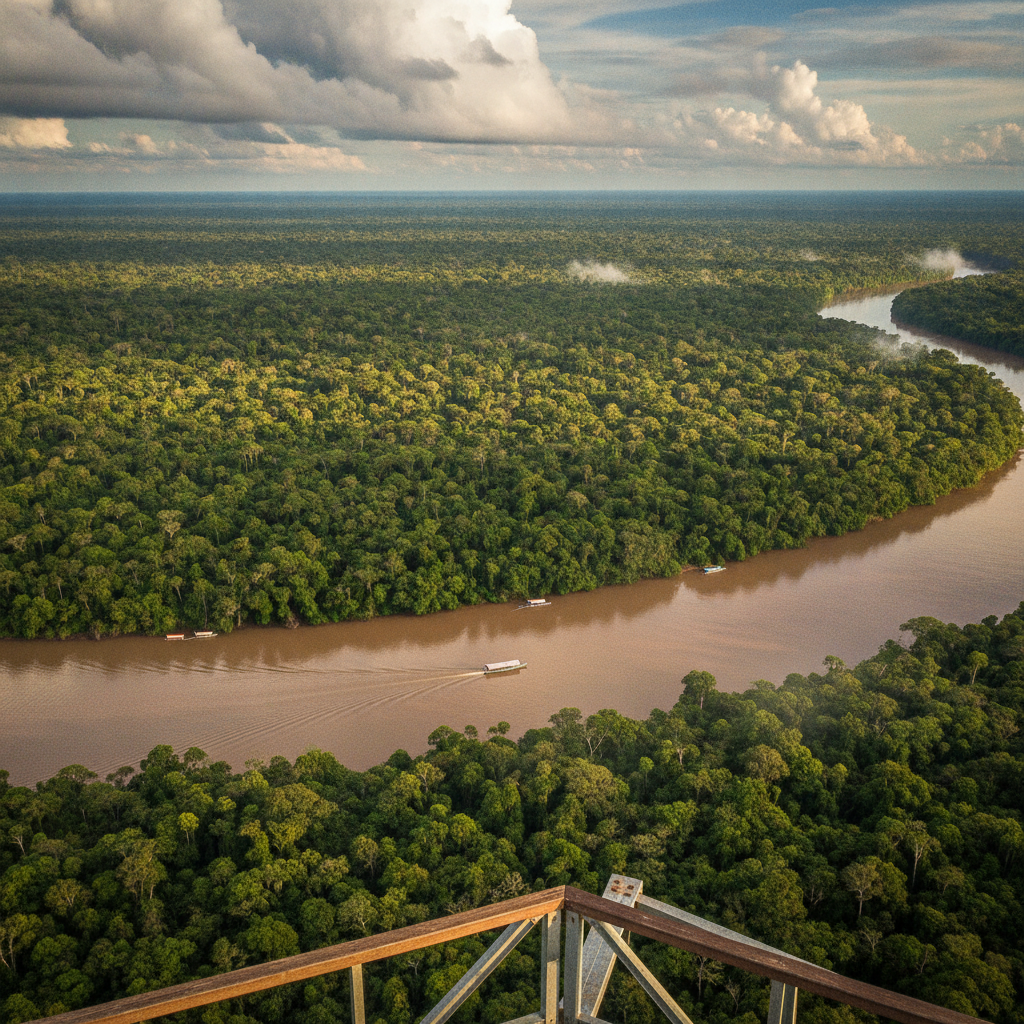
Tapajós National Forest: Primary Amazon at Its Finest
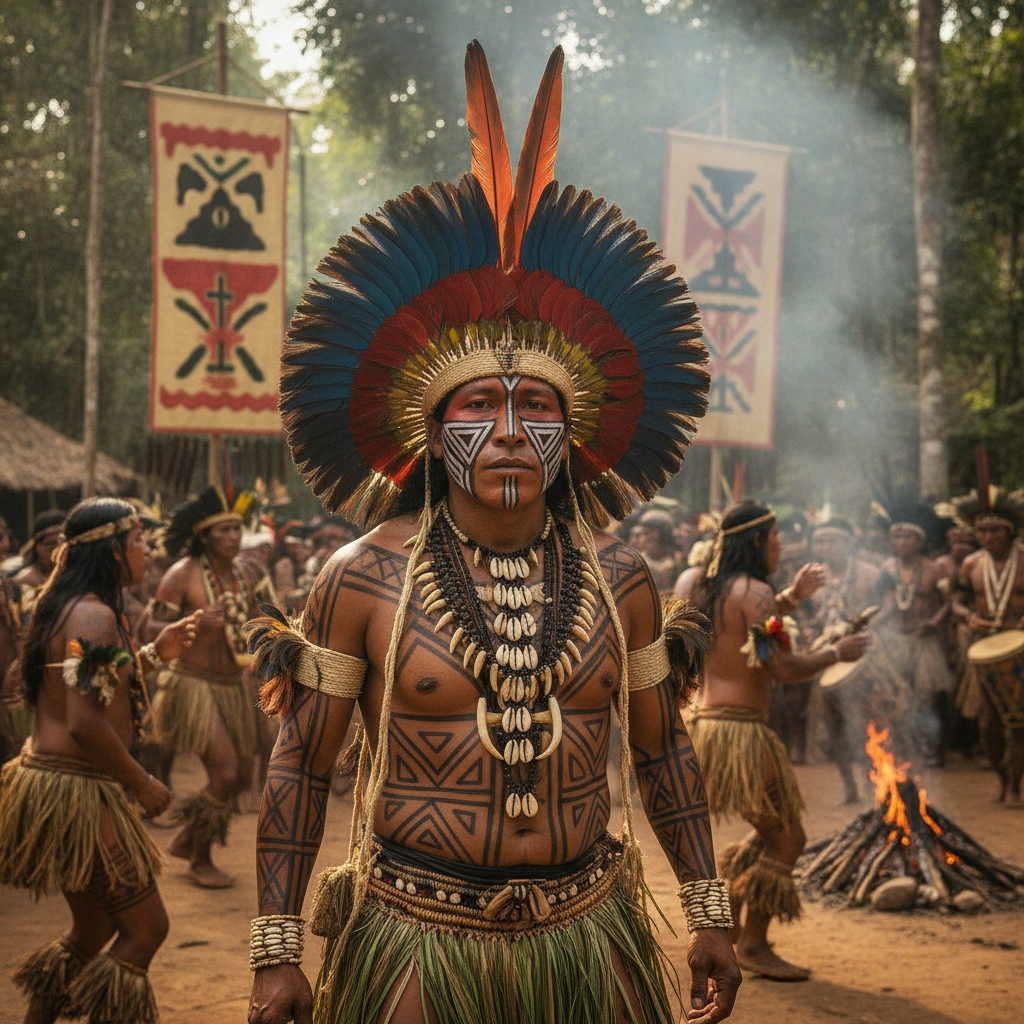
Munduruku: Guardians of the Tapajós
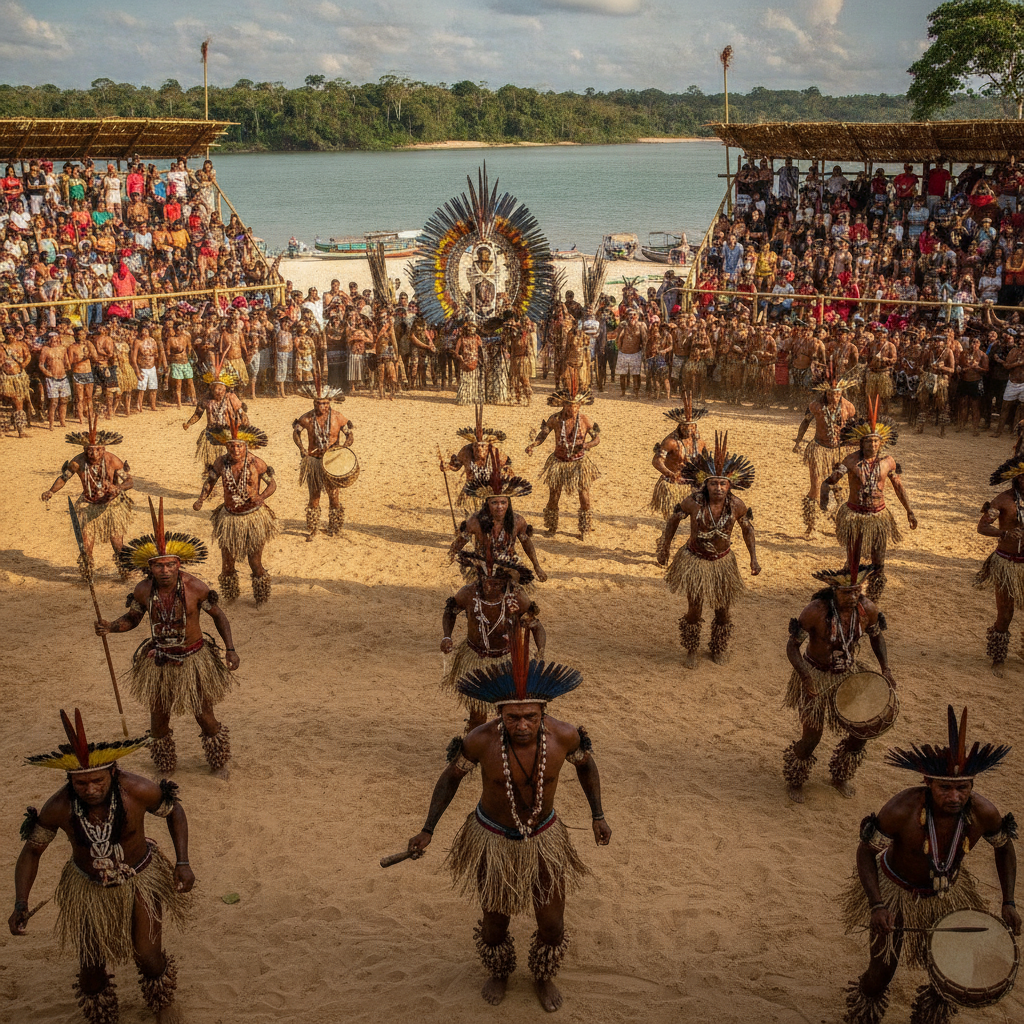
Alter do Chão: Indigenous Festival & Tapajós Traditions
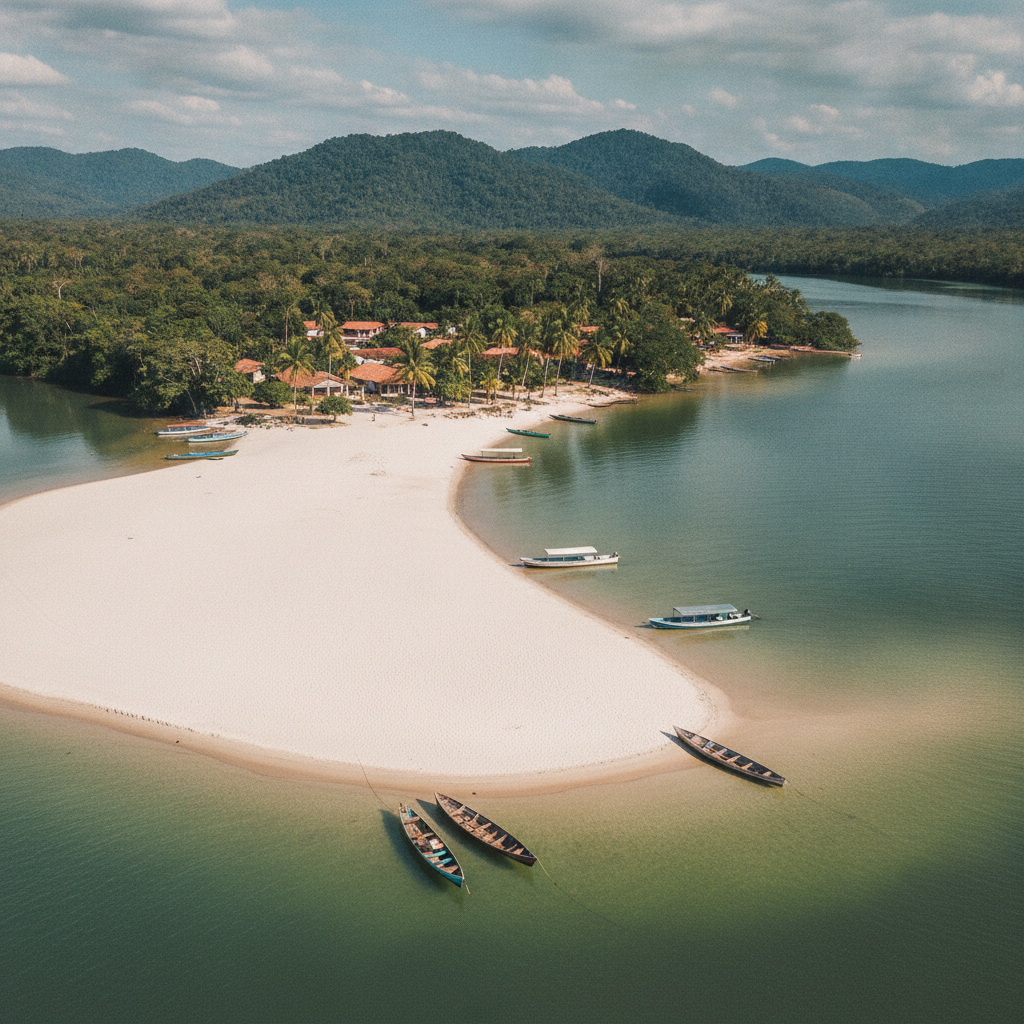
Alter do Chão: The Caribbean of the Amazon
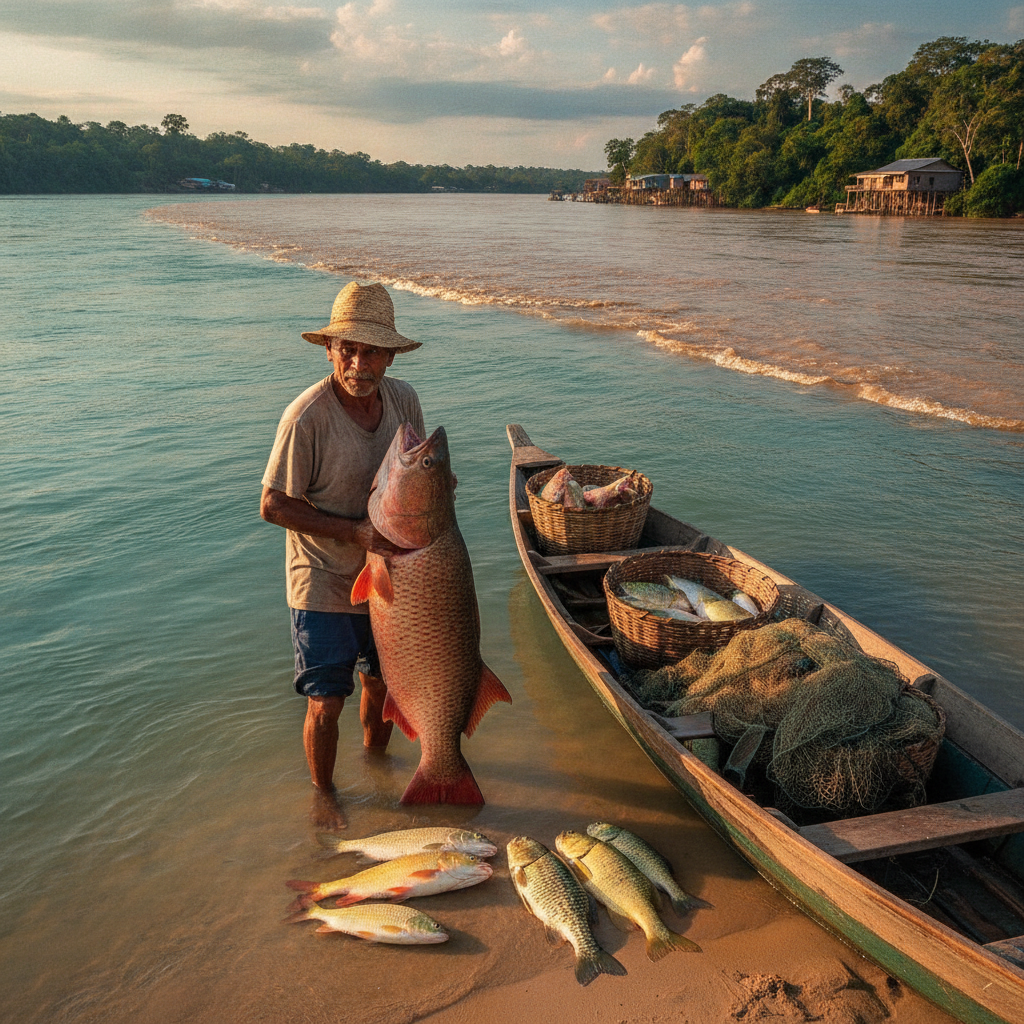
Santarém's Rivers: Fishing the World's Greatest River System