Potosí at 4,090m: Life at the Roof of the World
Potosí is one of the world's highest cities — at 4,090m, the air contains 40% less oxygen than at sea level; the altitude shapes everything in the city — from the cooking time of food to the breathing of its inhabitants
- 1
Elevation Effects
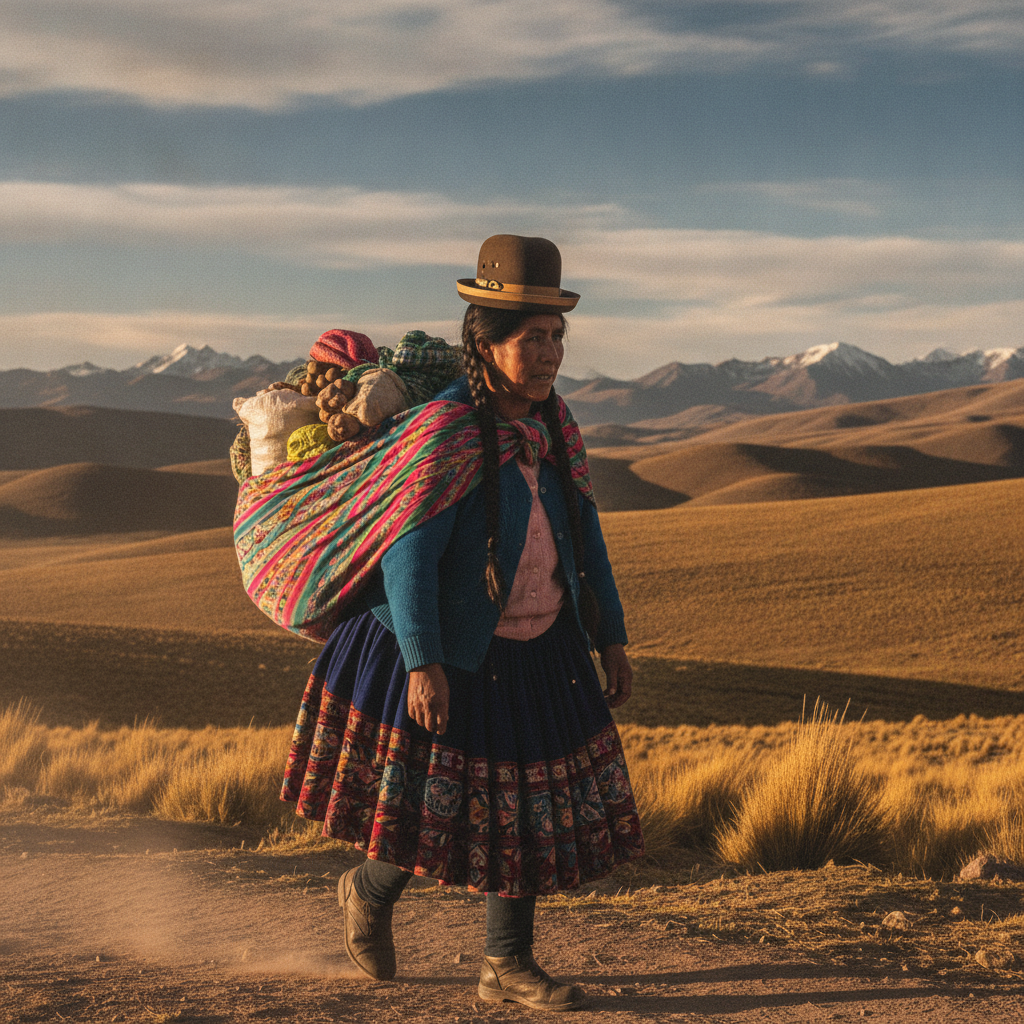
At 4,090 m, the reduced oxygen affects everything — water boils at 87°C (not 100°C), which slows cooking; exertion causes shortness of breath; headaches and nausea (altitude sickness) are common in new arrivals; the indigenous population of the altiplano have developed physiological adaptations (larger lung capacity, higher blood hemoglobin) that give them a natural advantage at altitude
- 2
Coca Leaf Acclimatization
The traditional Andean remedy for altitude sickness is the coca leaf — chewed (not swallowed) or brewed as tea (mate de coca); coca leaf's mild stimulating effect and its ability to increase oxygen uptake are the basis for its traditional use; mate de coca is offered by all hotels in Potosí and La Paz to arriving guests
- 3
Climate extremes
Potosí has extreme temperature swings — the intense Andean sun can warm the day to 15-20°C, but the nights drop to near-freezing temperatures year-round; The UV radiation at altitude is extremely intense; the combination of cold, altitude and UV creates a harsh environment that the colonial inhabitants managed with heated buildings and heavy clothing
- 4
Altitude Agriculture
The Potosí region's extreme altitude limits agriculture – potatoes (especially the freeze-dried chuño) and quinoa are the main crops grown at this altitude; chuñon (made by alternately freezing and drying potatoes in the night-cold conditions of the altiplano) was the high-calorie basis of the pre-Columbian diet at altitude
- 5
Mining and Elevation
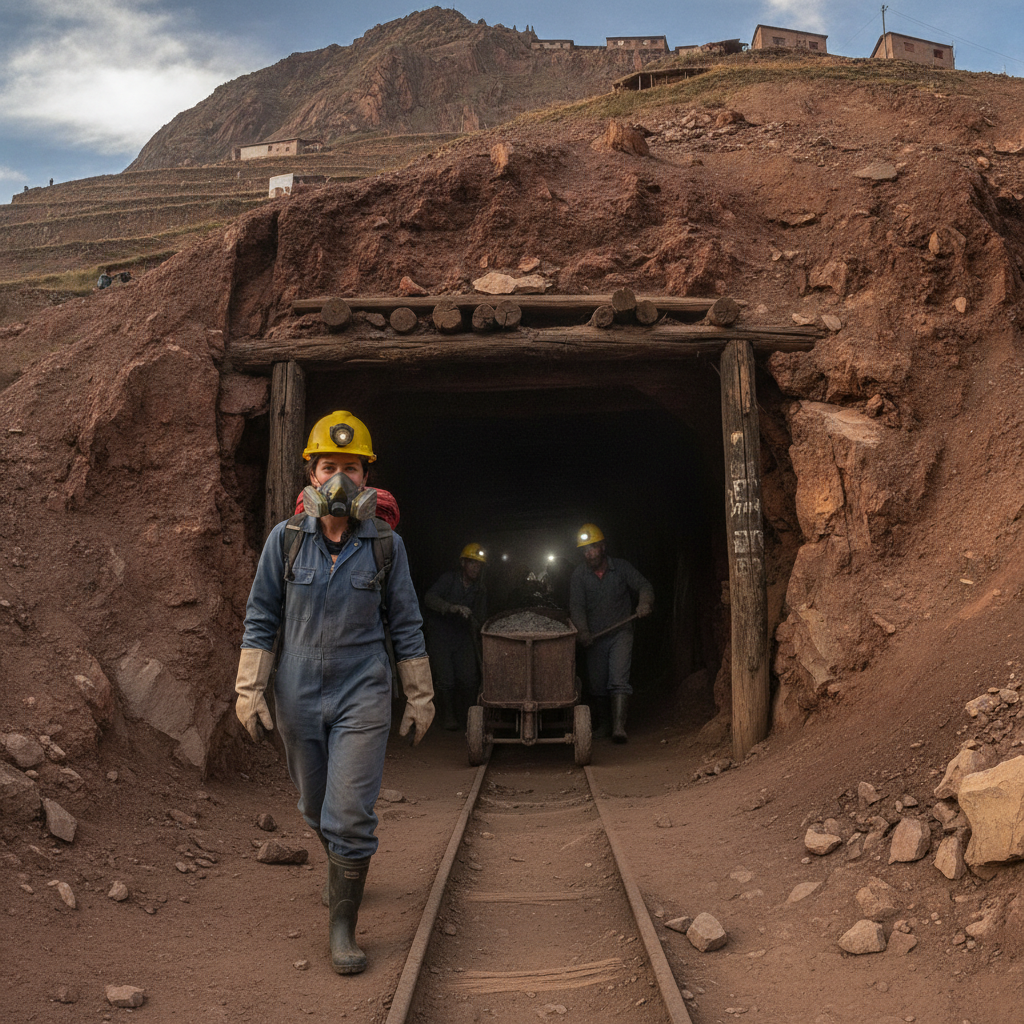
The combination of hard physical labor, extreme altitude and silica dust made the Potosí mines the deadliest workplaces in history; modern miners still suffer the same compounding effects; the body's response to exertion at altitude (increased heart rate, heavier breathing, faster dehydration) makes mining at 4,000m a serious physical challenge even for acclimatized workers
- 6
The Decline of Potosí
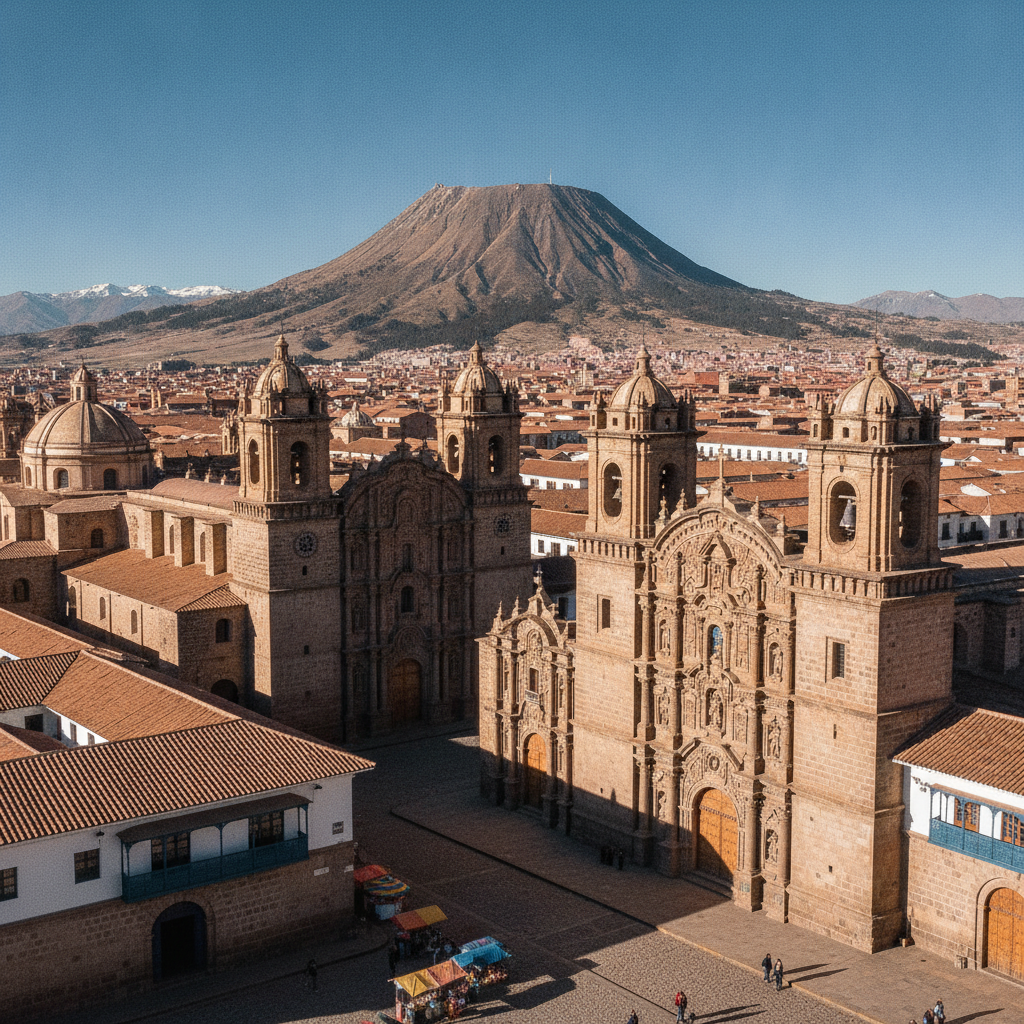
Potosí declined dramatically after the 18th century as silver ore grades declined and Spanish colonial trade networks collapsed; the city's population fell from 200,000 at its peak to under 50,000 in the 19th century; today Potosí (250,000 inhabitants) is one of Bolivia's poorer cities despite still sitting on Cerro Rico — the contradiction between mineral wealth and human poverty remains
Walk this route with audio
Stories play automatically as you reach each stop — no tapping needed.
More in Potosí
Potosí Silver: The Craft of the World's Silver Capital
Potosí: The Mountain That Ate Men
Potosí Region: Altiplano Culture and the Bowler Hat
Potosí: The World's Richest Colonial City
Inside Cerro Rico: The Active Mine Experience