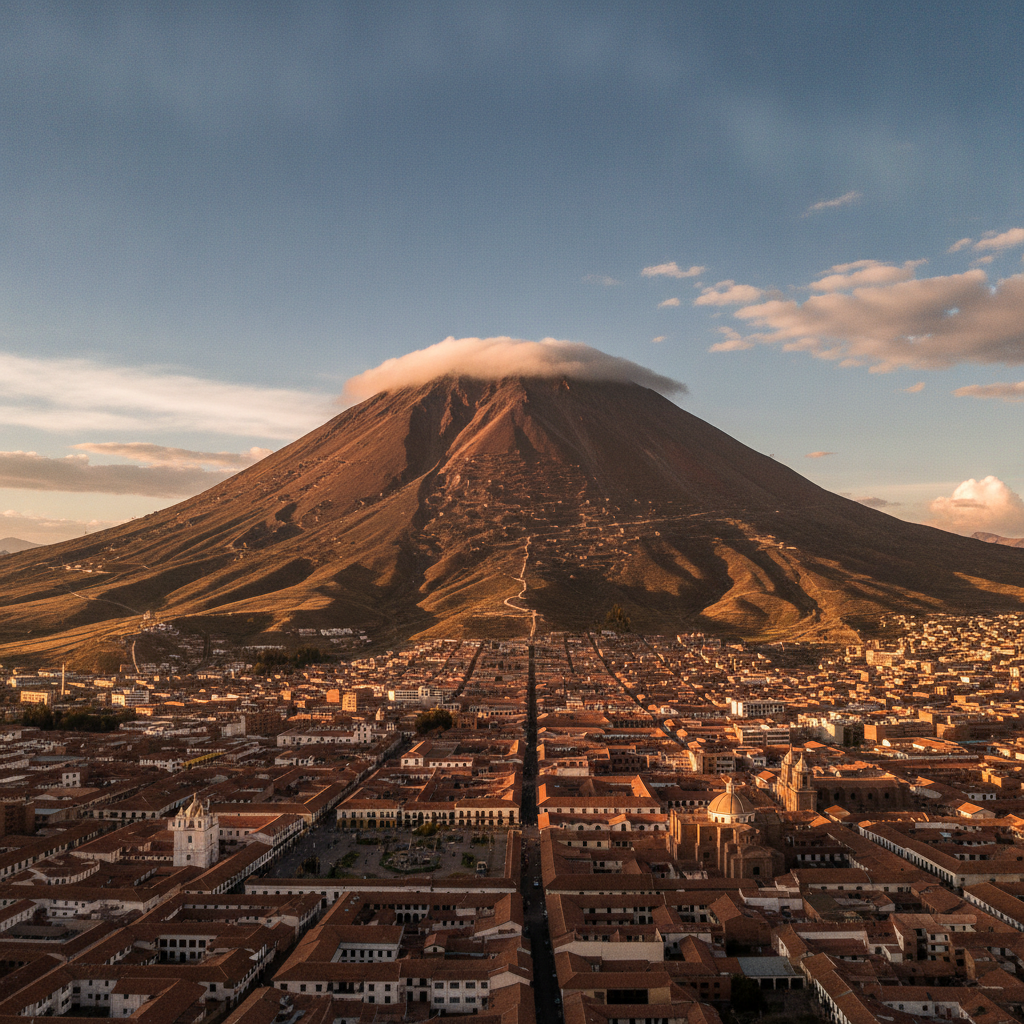
Potosí: The Mountain That Ate Men
Potosí — at 4,090m, the world's highest city of its size — was the engine of the Spanish Empire; the Cerro Rico (Rich Mountain) above the city produced one-third of all silver mined in the Spanish Empire between 1545 and 1800; an estimated 8 million people died mining it
- 1
Cerro Rico — The Rich Mountain
Cerro Rico – the perfectly conical mountain above Potosí – has been quarried continuously since 1545; the mountain has produced the largest silver yield in history; the Spanish used silver to finance their empire, fight their wars and build their cathedrals; the cost was the lives of an estimated 8 million indigenous and enslaved African miners
- 2
Mita — Forced labor
The Spanish colonial mita was a system of forced labor that required every indigenous male between the ages of 18-50 to work in the Potosí mines for one year in seven; the mitan was the most brutal instrument of colonial extraction in the Americas; the death rate in the mines was so high that miners said goodbye to their families before going down as if they were going to die
- 3
The richest city of the 17th century
At its peak in the early 17th century, Potosí had a population of 200,000 – larger than London, Paris or Madrid; the city was the richest in the New World and one of the richest on earth; the silver minted in Potosí circulated across the global economy from China to Europe
- 4
Casa de la Moneda
The Casa de la Moneda (Royal Mint) – the building where Potosí's silver was refined into coins – is one of the finest colonial buildings in South America; the mint was rebuilt in 1773 and has 4 meter thick walls; the museum inside shows the original minting machinery (powered by mules), the silver assay rooms and the colonial administration
- 5
Active Mines Today
Cerro Rico is still actively mined — about 15,000 cooperative miners work in more than 500 individual mine entrances; the mines are dangerous, the pay poor and the conditions (including silicosis from quartz dust) deadly; visitors can enter the active mines on guided tours, meet the miners and experience the working conditions
- 6
Miner's Gift Culture
The miners of Potosí maintain a tradition of offerings to El Tío — the underground deity (a horned devil figure) who controls the ore; each mine entrance has an El Tío statue that regularly receives coca leaves, cigarettes, alcohol and llama blood; the miners' relationship with El Tío reflects the syncretic spirituality of the Andean Andean world
Walk this route with audio
Stories play automatically as you reach each stop — no tapping needed.
More in Potosí
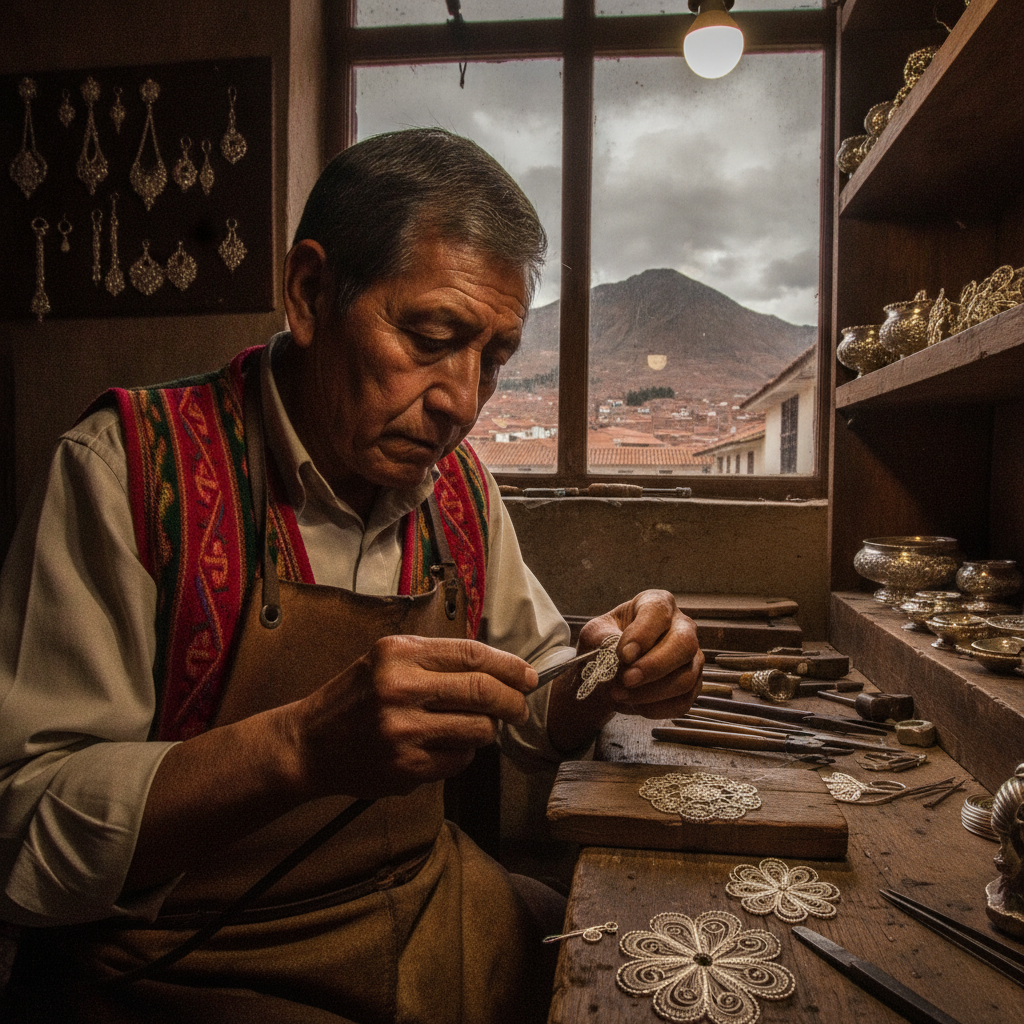
Potosí Silver: The Craft of the World's Silver Capital
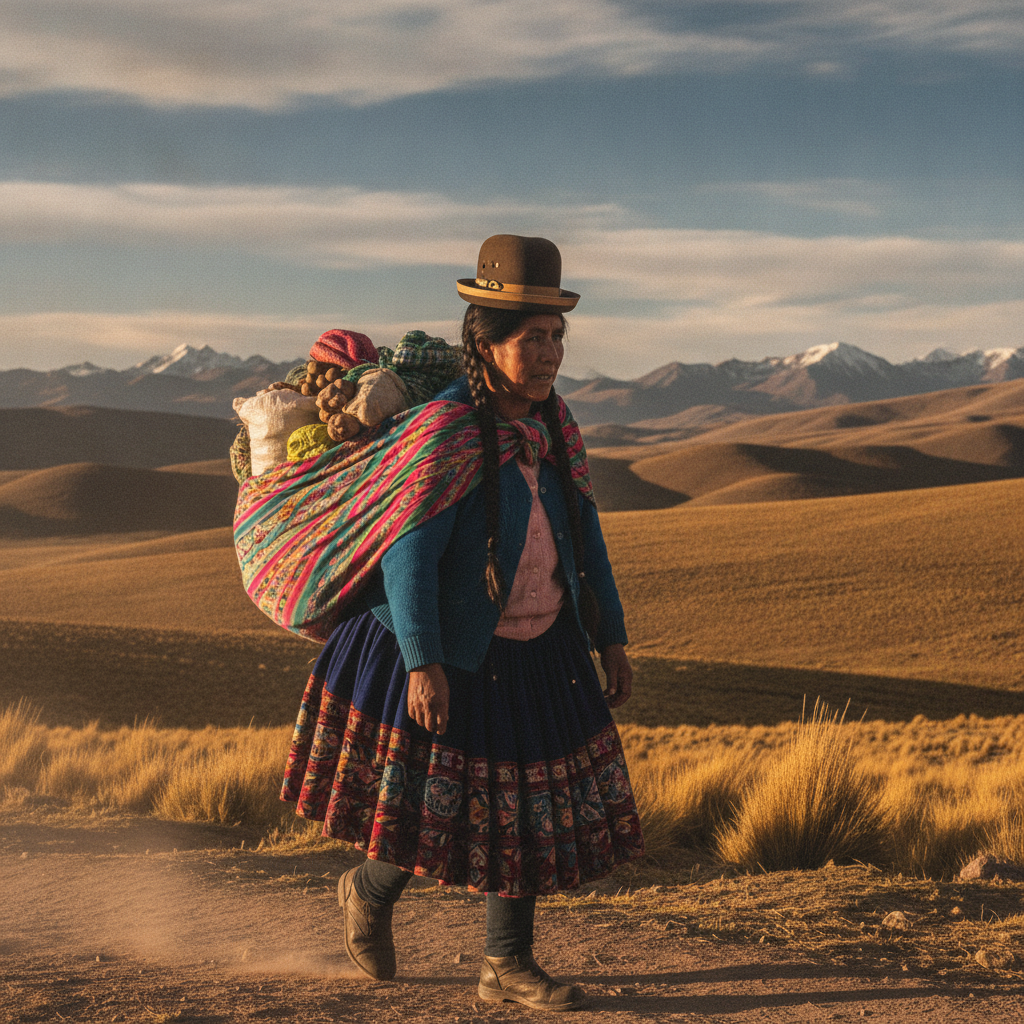
Potosí Region: Altiplano Culture and the Bowler Hat
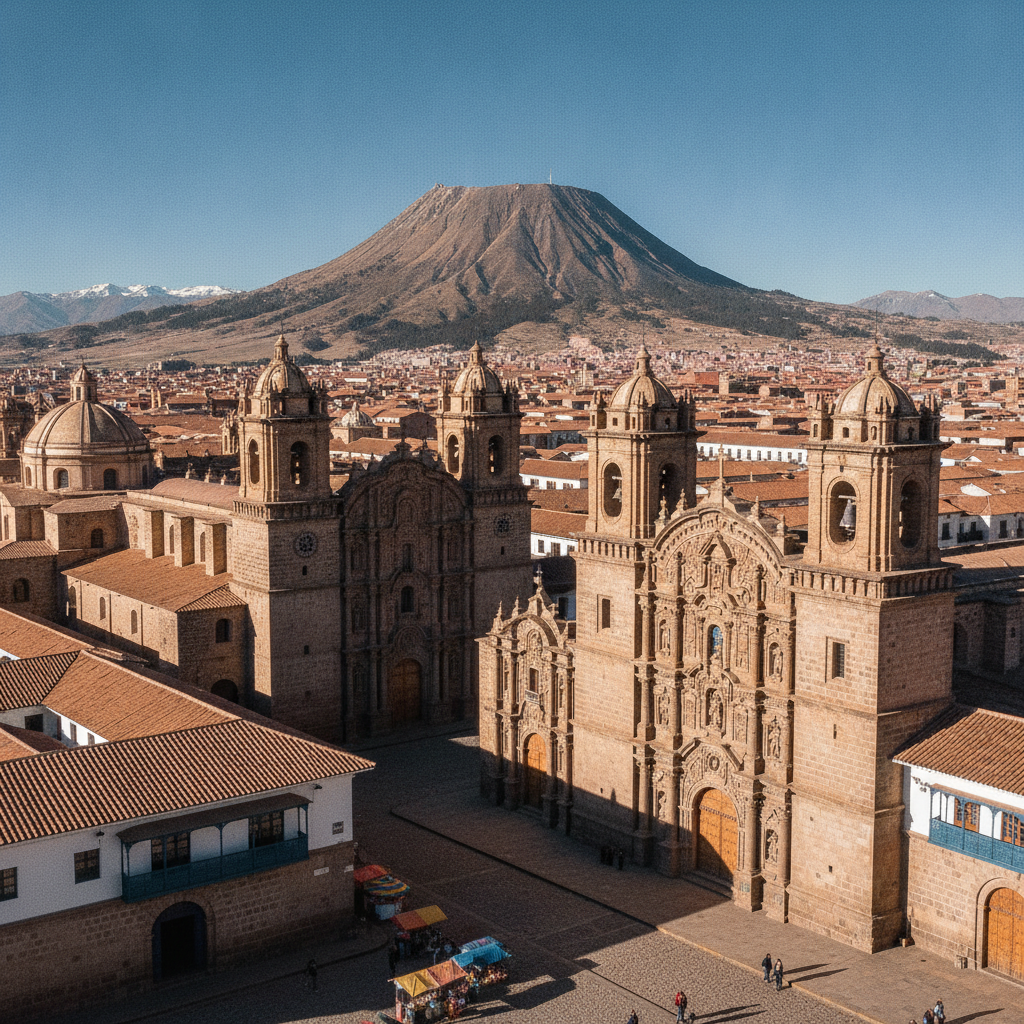
Potosí: The World's Richest Colonial City
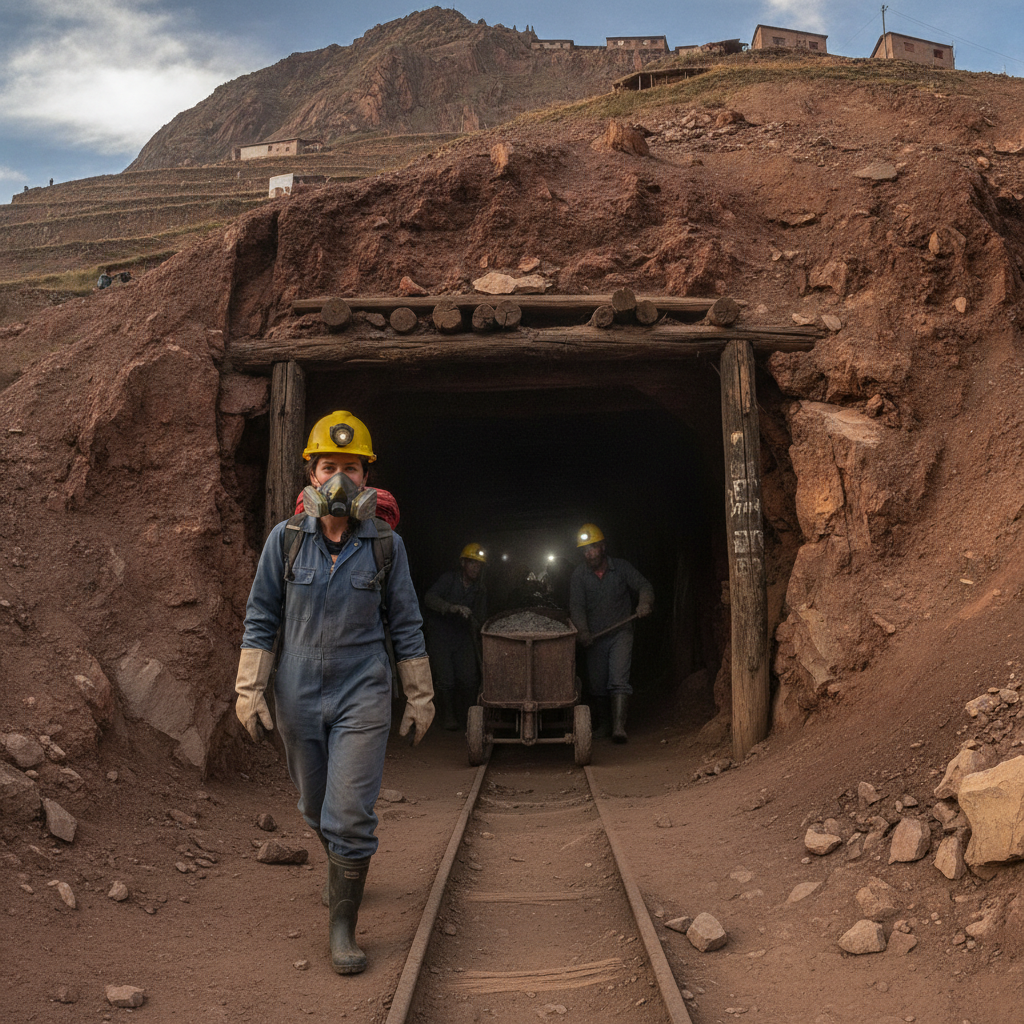
Inside Cerro Rico: The Active Mine Experience
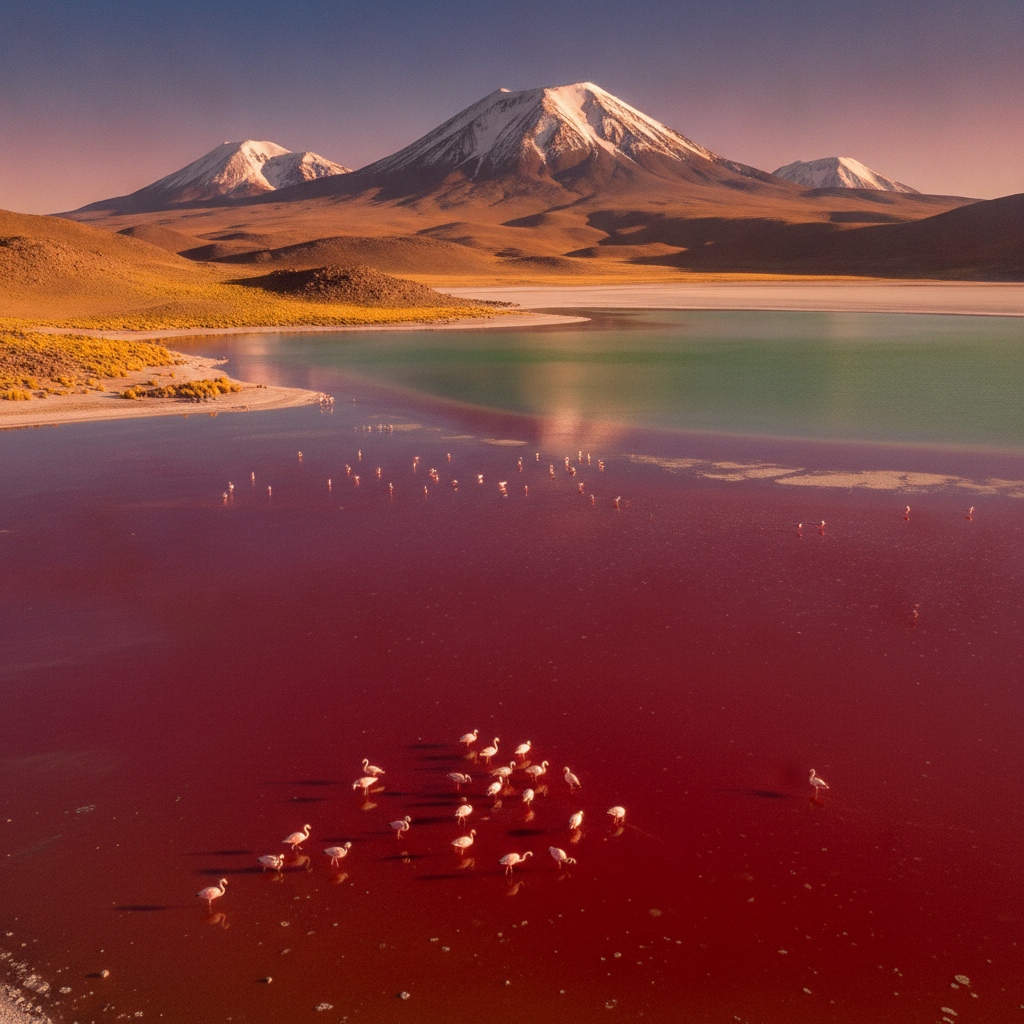
Potosí Department: Lagoons, Geysers, and the Salt Flat
