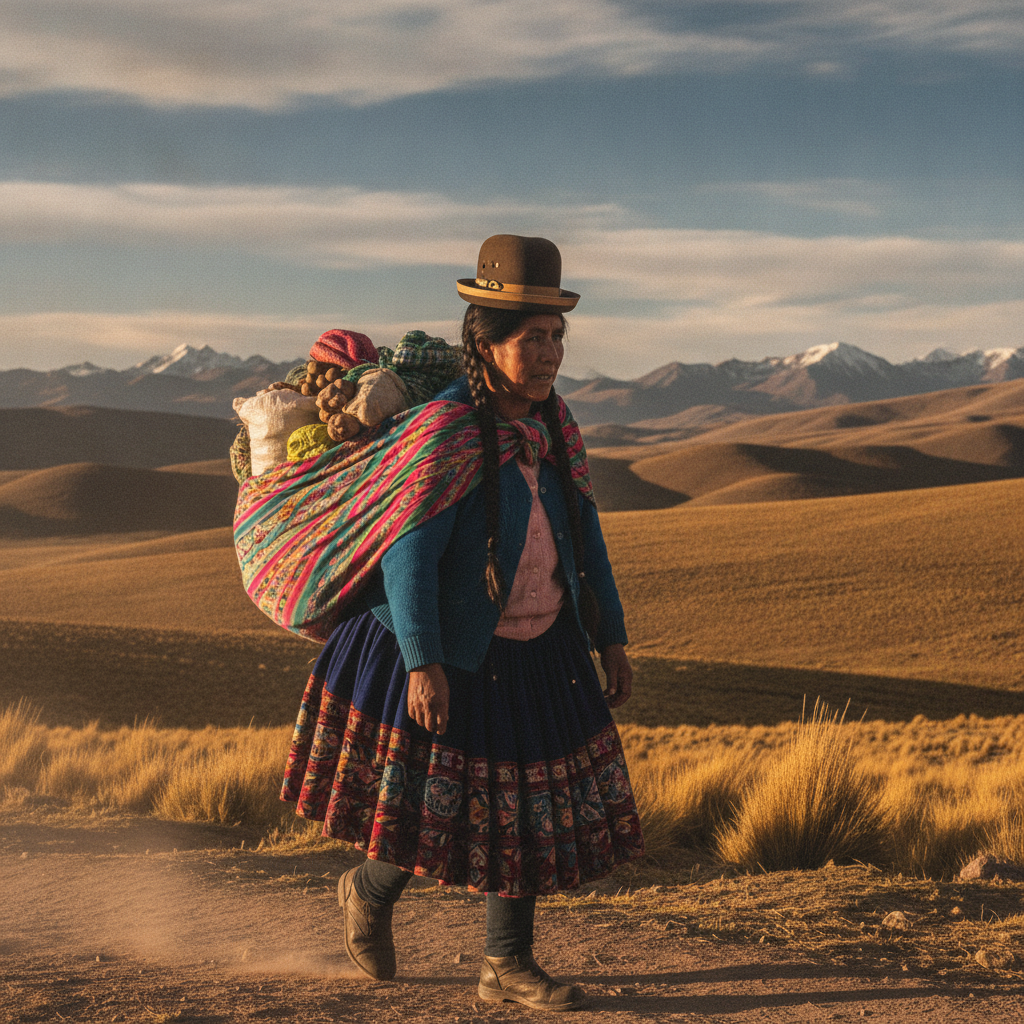
Potosí Region: Altiplano Culture and the Bowler Hat
The Potosí region is the heartland of the Bolivian altiplano culture — the cholita identity (with its distinctive bowler hat, full skirt, and shawl) is the visible expression of a cultural tradition that has transformed colonial-era clothing into a symbol of indigenous pride
- 1
The Cholita identity
The Cholitan – the Andean indigenous or mestizo woman in traditional dress – is the most iconic figure in Bolivian popular culture; the full bollard skirt (Spanish colonial origin), the shawl (Spanish colonial), the bowler hat (introduction from the British mining era) and the long braided hair (pre-Columbian) combine colonial and indigenous elements into a vibrant cultural identity
- 2
Bowler Hat History
The Bolivian bowler hat (sombrero bombín) was introduced to Bolivia by British railway engineers in the 1920s — the story goes that a shipment of bowler hats arrived too small for the British workers and were instead sold to indigenous women; the hat was adopted and transformed from colonial imposition to a symbol of indigenous pride
- 3
Cholita Wrestling
Cholita wrestling – where cholita women in full traditional dress perform professional wrestling moves – began in El Alto (La Paz) and has spread across Bolivia; the wrestling combines domestic costume with a global entertainment format; the cholita wrestlers are cultural celebrities and the events draw large crowds
- 4
Aguayo Cloth
Aguayo – the square woven fabric used by Andean women to carry babies, goods and food on their backs – is the most functional textile in indigenous Bolivian culture; each region has distinct aguayo patterns; Potosí aguayo has a complex geometric design in red, black and white
- 5
Carnival of Oruro Connection
The Potosí region contributes to the Oruro Carnival – Bolivia's most famous festival (UNESCO-listed) – through its traditional music and dance groups; the diablada (dance of the devils) and the morenada (dance of the enslaved) performed in Oruro have their origins in the mining culture of the Potosí and Oruro regions
- 6
Altiplano Festivals
The Potosí region has a rich calendar of festivals — Tinku (ritual fighting festival) in Macha, where communities fight each other to offer blood to Pachamama, and the various carnival celebrations combine Catholic and pre-Columbian elements; the festivals are among Bolivia's most intense and authentic cultural experiences
Walk this route with audio
Stories play automatically as you reach each stop — no tapping needed.
More in Potosí
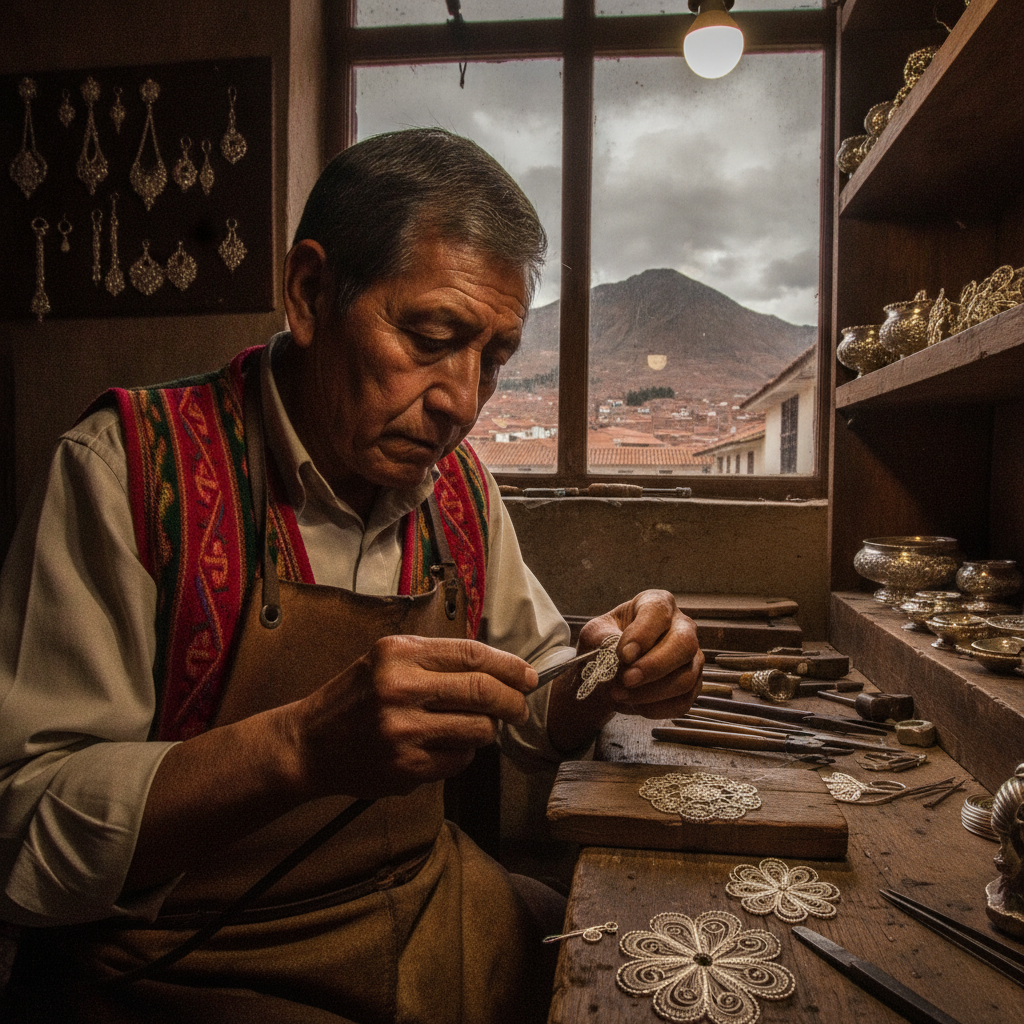
Potosí Silver: The Craft of the World's Silver Capital
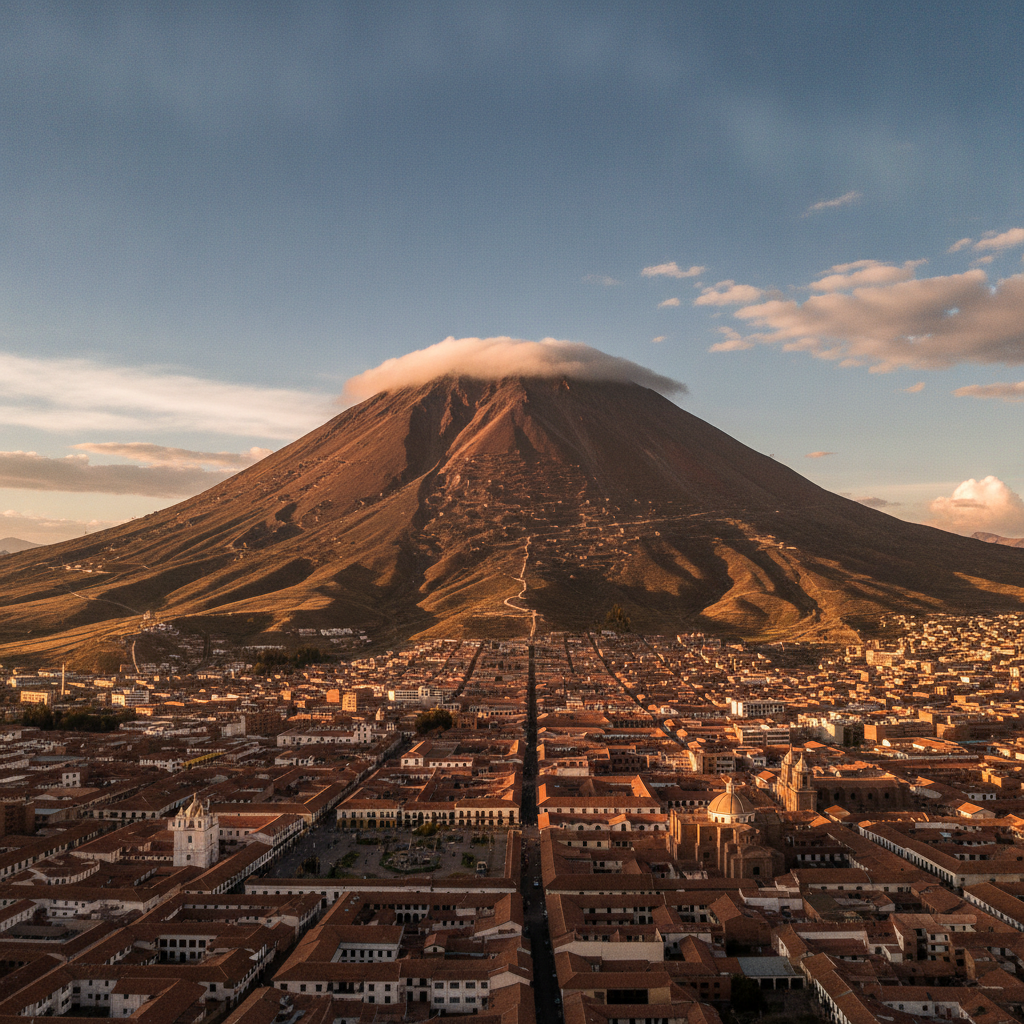
Potosí: The Mountain That Ate Men
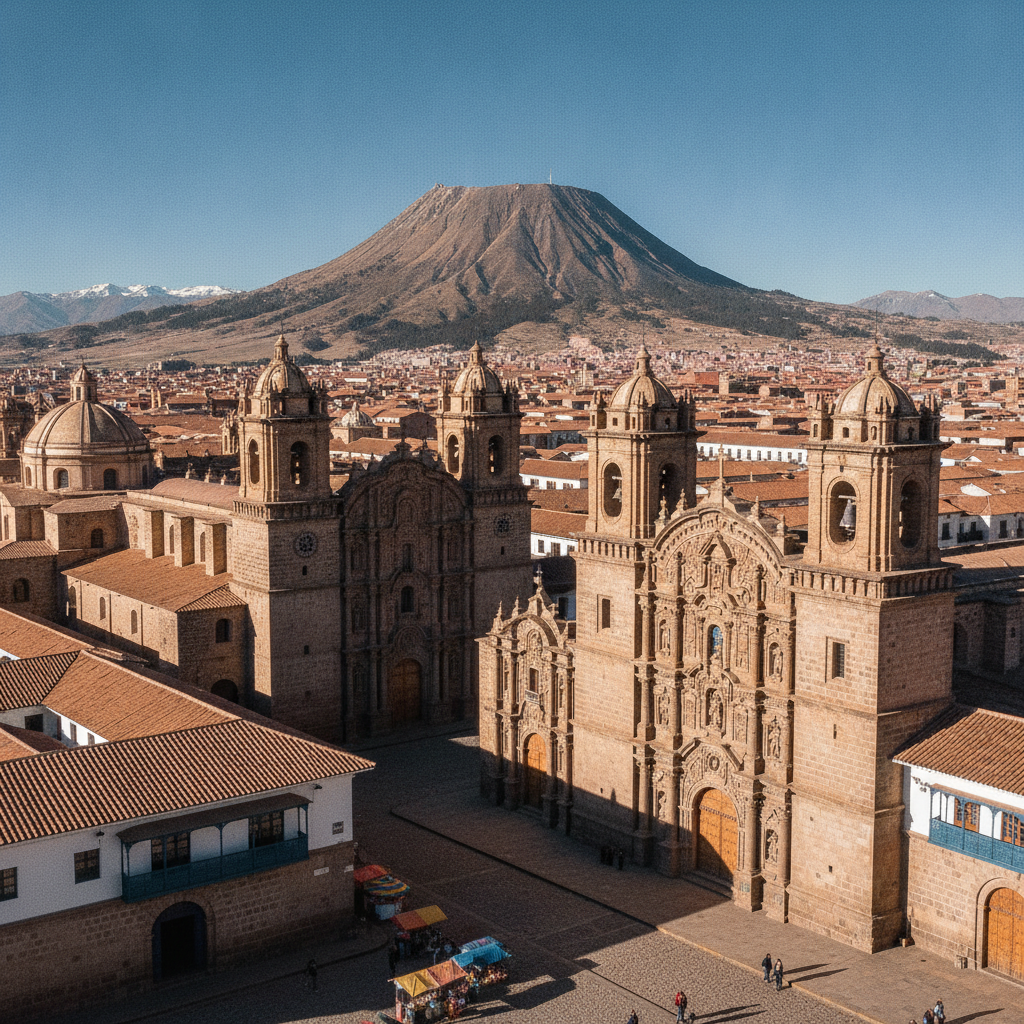
Potosí: The World's Richest Colonial City
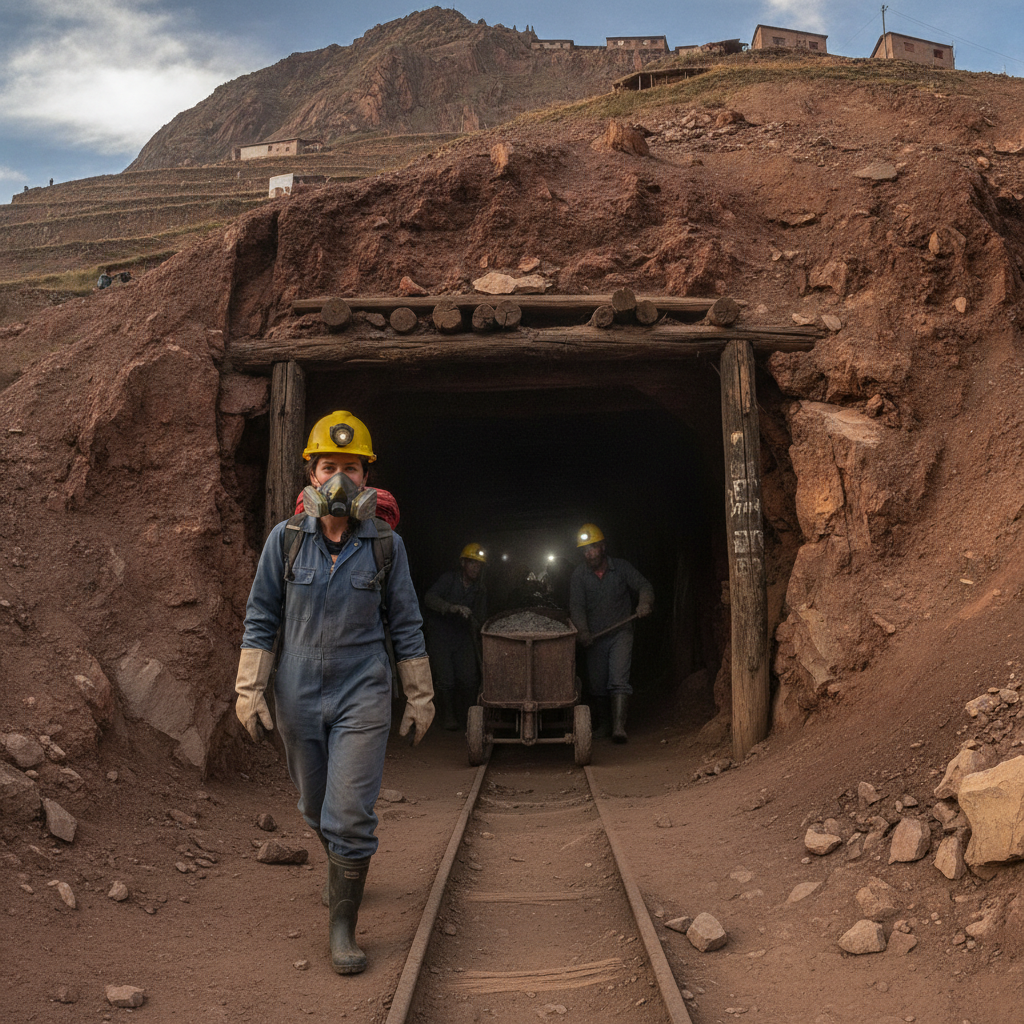
Inside Cerro Rico: The Active Mine Experience
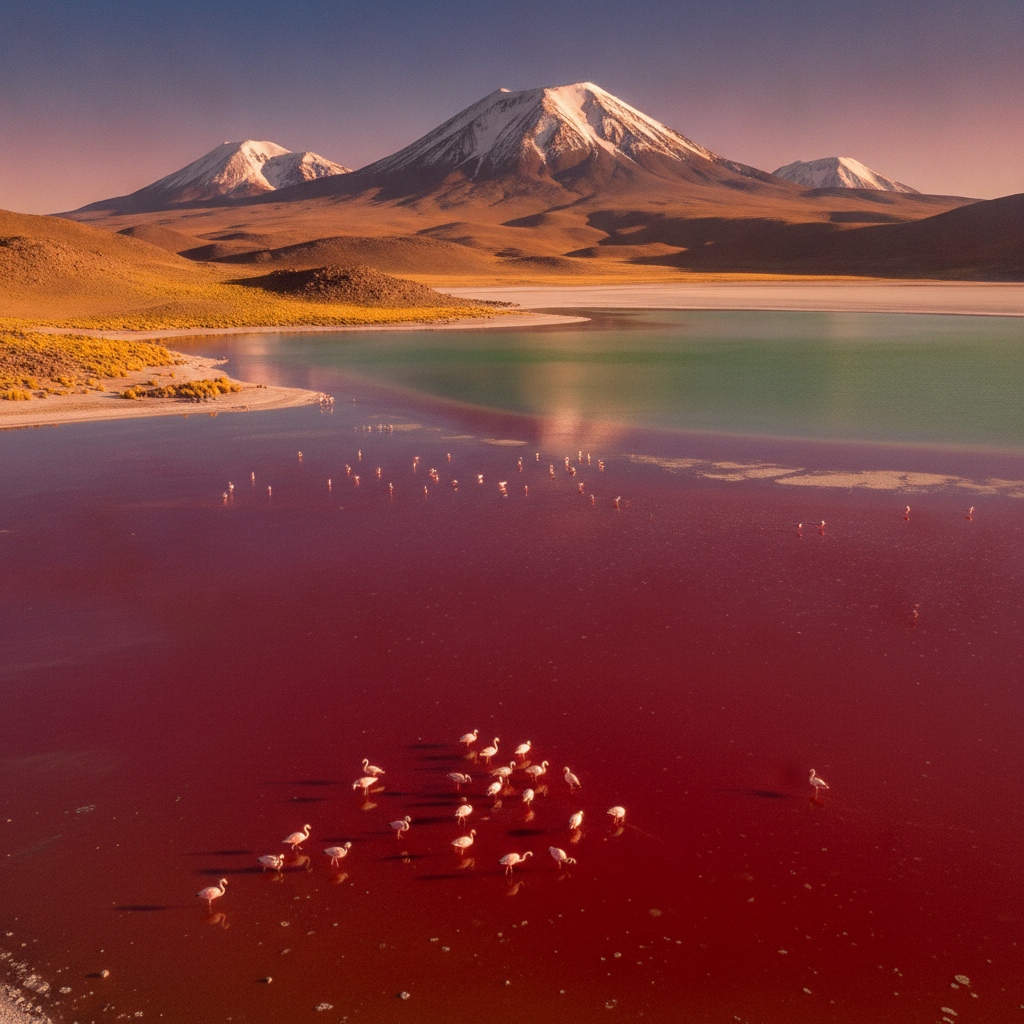
Potosí Department: Lagoons, Geysers, and the Salt Flat
