

La Paz History: From Inca Settlement to the Seat of Government
La Paz was founded by the Spanish on October 20, 1548, on the site of the Inca settlement of Chuquiago Marka in the canyon of the Choqueyapu River, chosen because the canyon provided shelter from the bitter altiplano winds and the river provided water and alluvial gold. The city grew as the commercial center of the Audiencia de Charcas, benefiting from the silver trade from Potosi. The great rebellion of Tupac Katari in 1781, which besieged the city for 184 days with an indigenous army of over 40,000 warriors, came closer to destroying it than any subsequent event. After independence in 1825, La Paz competed with Sucre as the national capital before effectively becoming the seat of government following the Federal War of 1899.

La Paz Adventure: Death Road Cycling, Cholita Wrestling, and Urban Zip Lines
La Paz has developed one of the most distinctive adventure tourism offerings of any city in the world, built on the dramatic topography of the canyon city and the surrounding Andes. The Yungas Road, nicknamed the Death Road, is the most famous downhill mountain bike route on earth, descending 3,500 meters from the altiplano to the subtropical valleys in 64 kilometers of hairpin turns and sheer cliff edges. Cholita wrestling combines Aymara women in traditional dress with lucha libre theatrics in genuinely raucous weekend bouts. The urban zip line crosses the canyon above the city brick houses. This route covers the adventure experiences that make La Paz one of the most unusual activity destinations in South America.

La Paz: The World Highest Seat of Government and the City in a Canyon
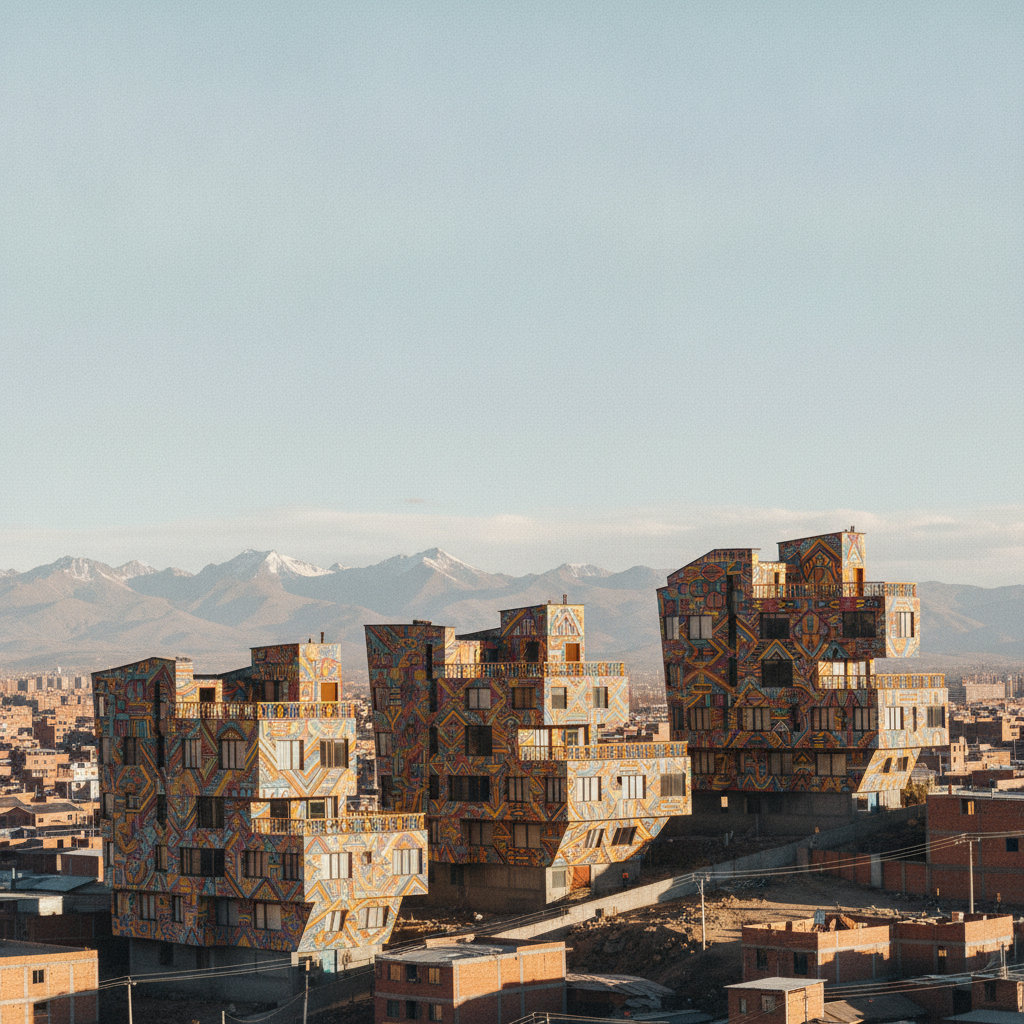
La Paz, the administrative capital of Bolivia at 3,640 meters altitude in the Andes, is one of the most dramatically situated cities on earth, built in a deep canyon below the flat altiplano plateau with the snow-capped Illimani volcano rising to 6,438 meters as its constant backdrop. The city descends from the affluent residential neighborhoods of Zona Sur at the canyon bottom through the dense commercial center to the indigenous city of El Alto on the altiplano rim above, creating a vertical social geography where altitude and wealth are inversely correlated. The Witches Market, the Cholita wrestling, the most dramatic urban zip line in the world, and the extraordinary cable car gondola system connecting the city levels make La Paz one of the most experiential urban destinations in South America.

La Paz Aymara Culture: Language, Cosmology, and Living Indigenous Traditions
The Aymara people are the dominant indigenous group of the La Paz altiplano and the Titicaca basin, with a population of approximately two million in Bolivia and another million in Peru and Chile. The Aymara language is spoken by a majority of the El Alto population and widely understood throughout La Paz despite Spanish dominance in formal and commercial contexts. Aymara cosmology, centered on the concept of the Pachamama earth mother and a complex relationship between the living and dead worlds, continues to shape daily life across the altiplano in ways that coexist with Catholicism and modern political structures. The election of Evo Morales as Bolivia's first indigenous president in 2005 gave formal political expression to an Aymara cultural resurgence that had been building for decades.

La Paz Practical Guide: Altitude, Neighborhoods, Transport, and Bolivia Circuit
La Paz requires acclimatization planning that most other South American cities do not. At 3,650 meters in the city center and 4,150 meters in El Alto, altitude sickness affects a meaningful proportion of visitors arriving from sea level by air, typically manifesting as headache, fatigue, and nausea in the first 24 to 48 hours. The standard advice is to take it easy on arrival, drink coca tea, avoid alcohol, and allow two to three days before attempting high-altitude day trips. The teleférico cable car system connects all major neighborhoods and is the most efficient transport within the city. La Paz serves as the natural hub for a Bolivia circuit covering the salt flats, Sucre, Potosi, Lake Titicaca, and the Yungas, with good domestic flight and bus connections to each destination.

La Paz Arts, Music, and the Cholita Wrestling Scene
La Paz has a vibrant performing arts and music scene that mixes Aymara folkloric traditions with contemporary Bolivian creativity and international influences. The Teatro Municipal Alberto Saavedra Perez in the historic center is the primary venue for classical music, opera, and formal performing arts. The folk music tradition of the altiplano, built around the charango small guitar, the zampoña panpipes, and the bombo drum, is performed both in formal folkloric contexts and informally at festivals throughout the year. Cholita wrestling in El Alto is a genuinely popular working-class entertainment that has also become an international tourist phenomenon. The contemporary art scene is concentrated in the Sopocachi neighborhood galleries. The annual carnival and the Alasitas miniature market festival are the most culturally distinctive events of the La Paz calendar.

La Paz Nature Escapes: Valle de la Luna, Chacaltaya, and the Yungas
La Paz sits at the edge of one of the most dramatic natural transitions on Earth: within 50 kilometers, the altitude drops from the 4,000-meter altiplano to the 1,000-meter subtropical Yungas valleys, passing through cloud forest, dry valleys, and eroded badlands. The Valle de la Luna, a badlands landscape of eroded clay and sandstone pillars within city limits, offers a surreal moonscape accessible in under an hour from the city center. The former ski resort of Chacaltaya at 5,421 meters, once the highest ski area in the world, lost its glacier completely by 2009 due to climate change but remains accessible as a day hike offering views over the entire La Paz basin and toward Lake Titicaca. The Yungas valleys below La Paz produce coffee, coca, and tropical fruits in a lush forested environment that feels like a different planet from the altiplano above.

La Paz Food and Markets: Saltenas, Salteñas, and Aymara Street Food
La Paz food culture operates at the intersection of Aymara highland tradition, colonial Spanish influences, and the street food vitality of a major South American city. The salteña, a baked pastry filled with spiced meat or chicken stew in a gelatinous sauce that melts into the filling during baking, is the defining snack of Bolivian food culture and is consumed as a mid-morning meal throughout the country. The Mercado Rodriguez in La Paz and the El Alto market culture provide the most complete picture of altiplano ingredients and cooking traditions. The Zona Sur restaurant scene offers upscale Bolivian and international dining. This route covers the essential food experiences of La Paz.