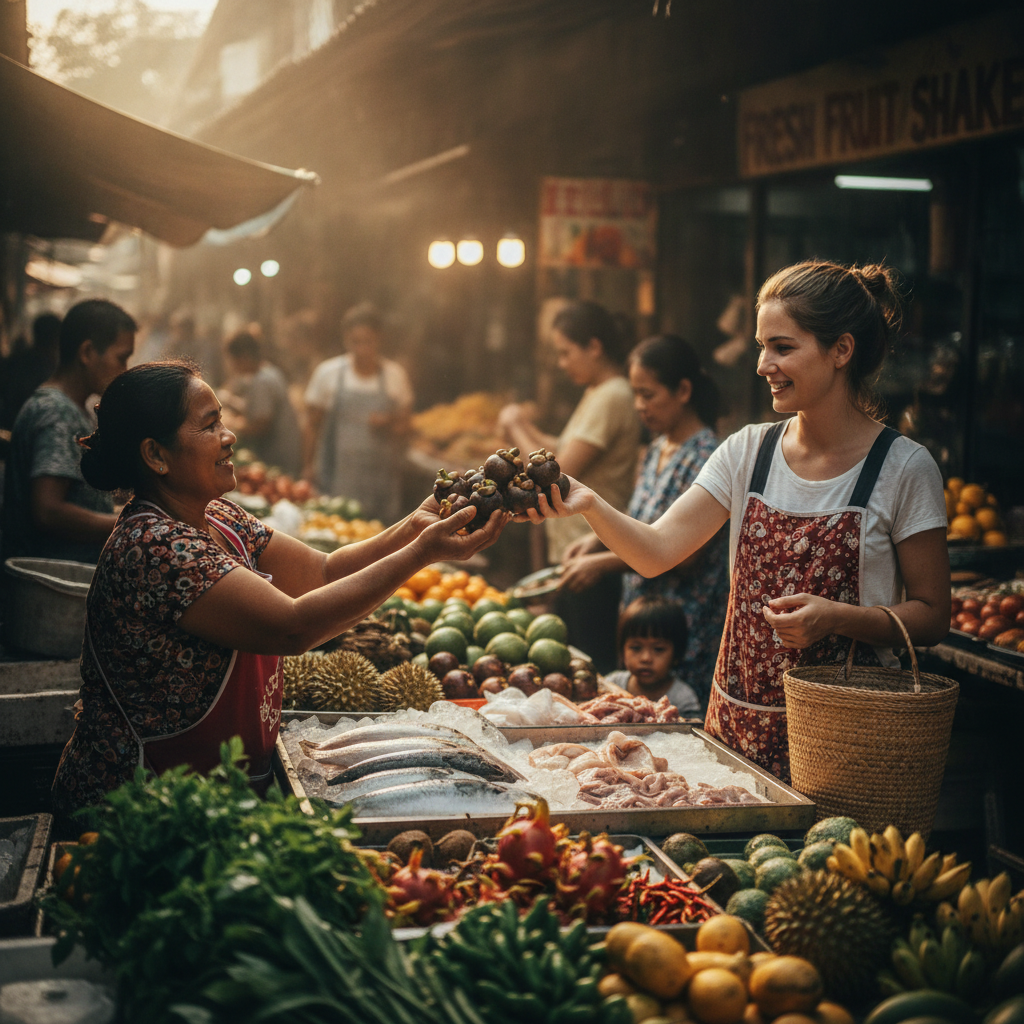
Pai Community & Local Life Walk
Meet the communities of Pai — behind the tourism economy, the Pai valley has a diverse residential community of Thai valley farmers, hill tribe highland communities, long-term foreign residents, and the Thai domestic tourist community that visits the town in the cool season.
- 1
Pai Community Hospital Area
The area around the Pai Community Hospital at the edge of the town centre represents the administrative and service infrastructure that serves the valley's permanent population independent of the tourist economy — the hospital (the government health facility serving both the town's population and the hill tribe communities within its catchment), the government school, and the municipal office are the most visible expressions of the Thai government's administrative presence in the valley. The hospital's dual role (serving the regular healthcare needs of the 3,000 permanent residents and handling the medical emergencies of the 100,000+ annual visitors) illustrates the asymmetric infrastructure demands that tourism places on small-town Thai public services.
- 2
Long-Term Foreign Resident Community
The long-term foreign resident community of Pai — the teachers, the yoga instructors, the café operators, the artists, and the retirees who have chosen the town as a permanent or semi-permanent base — has created a residential expatriate community that is proportionally one of the largest in any northern Thai town of comparable size. The foreign-owned businesses (the coffee shops, the international restaurants, and the guesthouses) visible throughout the town represent the investment of long-term residents who have committed to the town's economy, and the social network of the foreign community (the informal social gatherings, the community events, and the information exchange about Thai bureaucracy and the practical aspects of long-term residence) creates a social infrastructure for the incoming visitor who is considering a longer stay.
- 3
Thai Domestic Tourism Pai
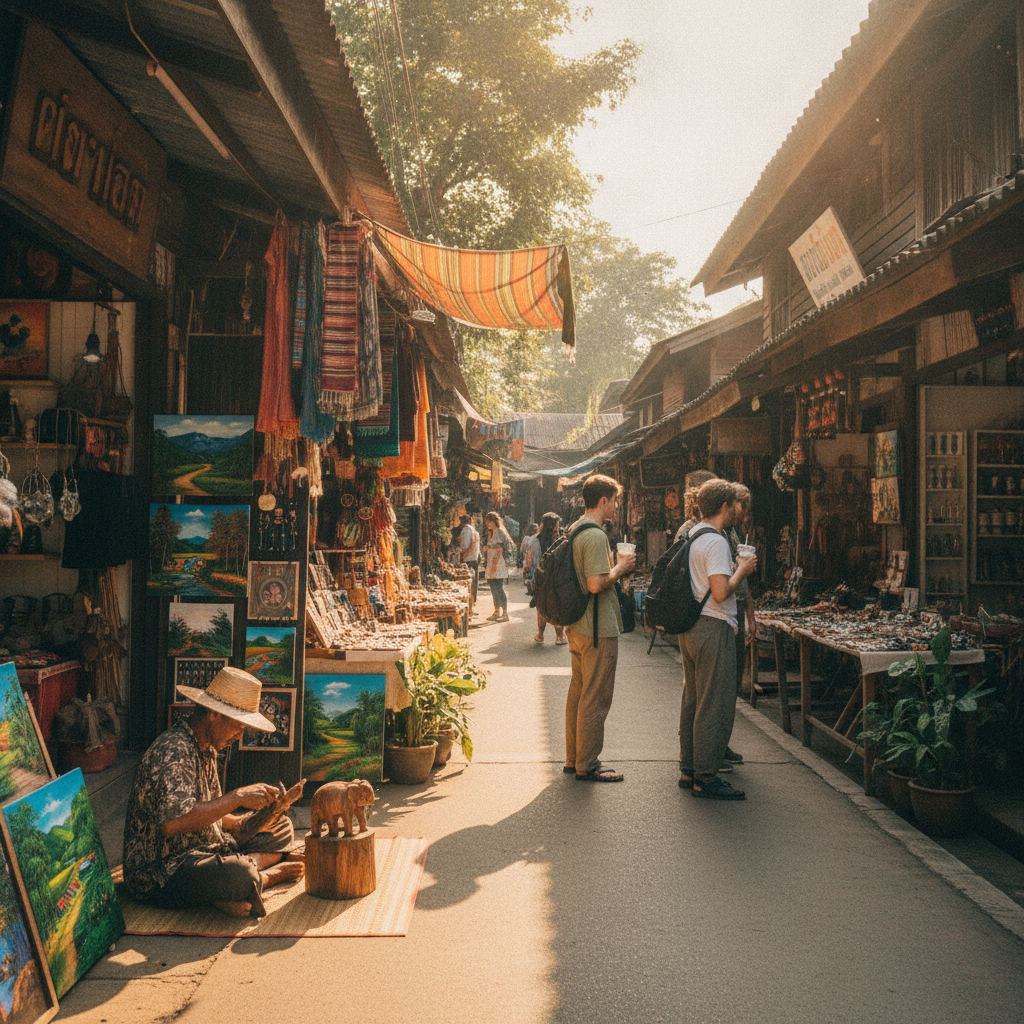
The Thai domestic visitor to Pai (the largest single visitor segment by nationality, particularly in the cool season when the comfortable highland climate is the primary motivation) creates a very different social atmosphere from the international backpacker and alternative lifestyle visitor — the Thai domestic visitors (typically arriving in large tour buses or private vehicles from Chiang Mai, in groups of friends or families, for weekend or long-weekend stays) are primarily interested in the café hopping, the food, and the scenic photography rather than the international traveller's bohemian lifestyle activities. The social mixing of Thai domestic visitors and international backpackers on the Walking Street and at the viewpoints creates the most diverse single-location social gathering accessible in the northern Thai highlands.
- 4
Valley Farming Community
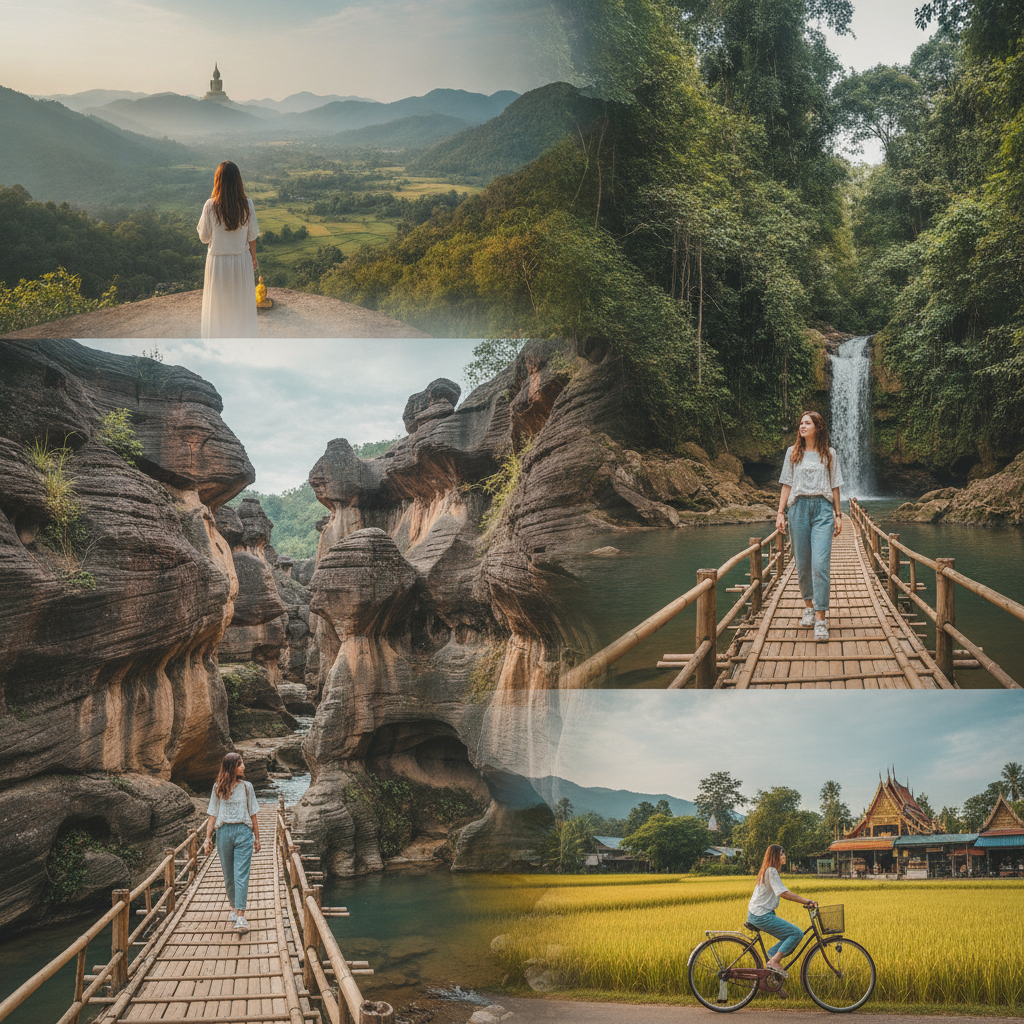
The Thai farming community of the Pai valley floor (the families whose paddy fields, fruit orchards, and vegetable plots provide the agricultural landscape that visitors photograph and cycle through) represents the most economically vulnerable segment of the Pai area's population — the competition between tourism land use (the resort hotel construction on the prime flat valley land, the guesthouse developments taking land out of agricultural production) and agricultural use creates the land-use tension that is visible in the gradual conversion of rice fields to resort developments on the valley floor. The farming families who have maintained agricultural production alongside the tourism economy provide the most direct encounter with the pre-tourism valley community.
- 5
School Children Village Life
The daily school commute visible in Pai town on weekday mornings (the hill tribe children in their traditional costume making the journey from the highland villages to the valley school, the Thai valley children on their bicycles, and the school bus from the more remote communities) provides the most immediate encounter with the human geography of the Mae Hong Son highlands — the diversity of ethnic backgrounds, linguistic traditions, and costume visible in the school population reflects the full cultural mix of the region in the one social institution that serves all communities simultaneously. The school community creates the most direct encounter with the next generation of the valley's diverse population.
- 6
Pai Hospital Junction Food
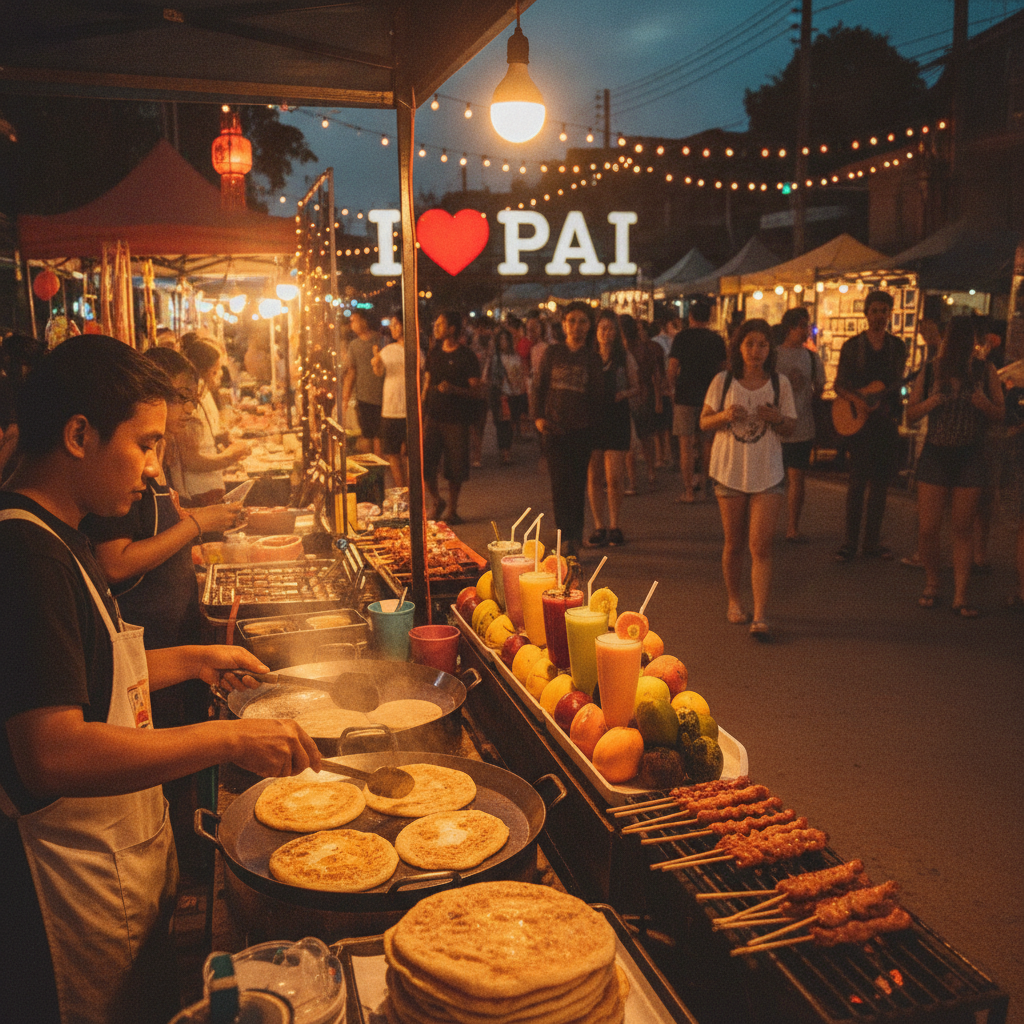
The food stalls at the hospital junction area (serving the hospital staff, the morning market shoppers, and the early-rising members of the farming community) are the most authentic expression of the town's daily food culture outside the tourist economy — the khao tom (rice soup) and the noodle soup stalls serving breakfast to the hospital shift workers from 5:30am, the coffee van with its Nescafé-and-sweetened-milk Thai iced coffee, and the roti vendor serving the morning commuters create a food scene that is the direct expression of the local community's daily routine rather than the tourist market's food preferences. The hospital junction food is the cheapest and most authentic breakfast available in Pai at the price point and quality level of the Thai worker community.
Walk this route with audio
Stories play automatically as you reach each stop — no tapping needed.