Merv Tim Ibn Ali and Medieval Islamic Monuments
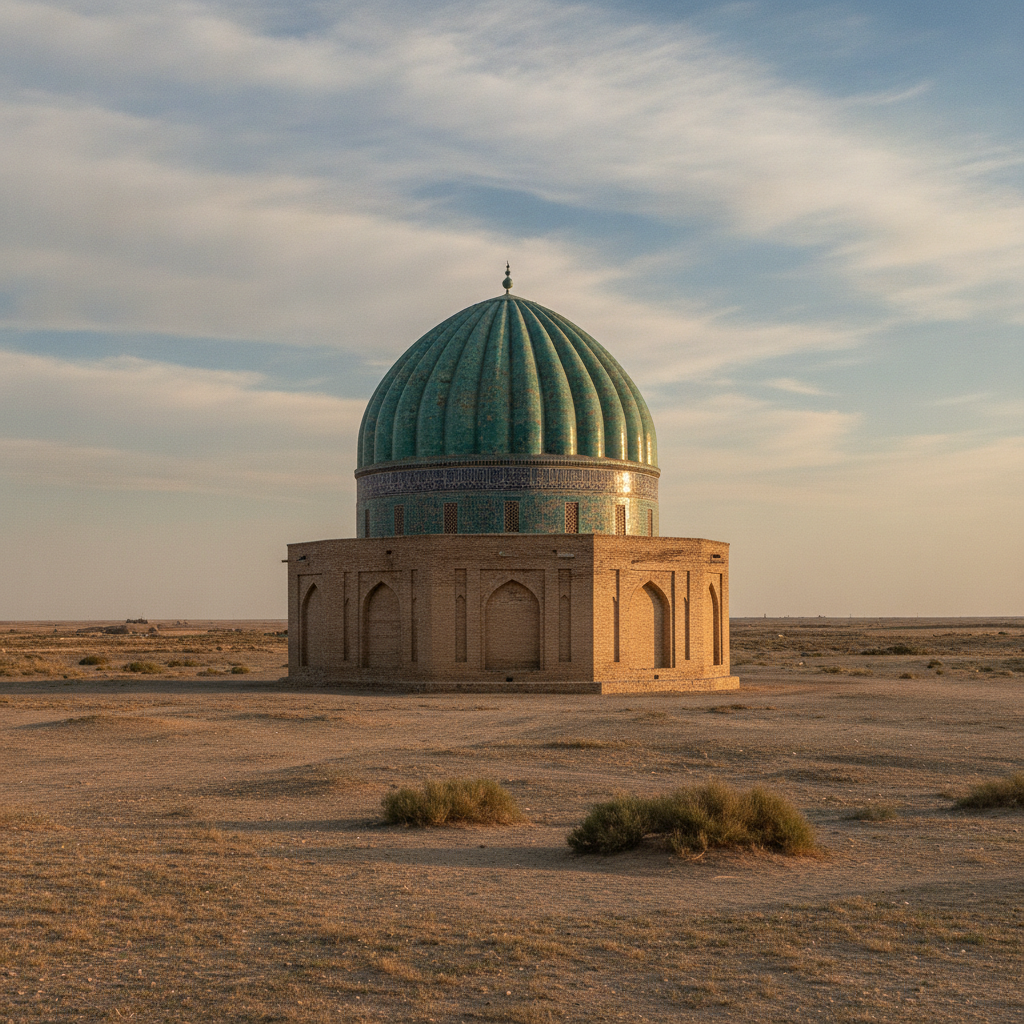
Visit the medieval Islamic monuments of Merv beyond the Sultan Sanjar mausoleum — the 11th-century mausoleum of Tim ibn Ali, the Muhammad ibn Zayd tomb, and the scattered monuments of a city that in its Seljuk peak hosted a university, hospitals, and libraries that made it one of the intellectual centers of the medieval Islamic world.
- 1
Muhammad Ibn Zayd Mausoleum
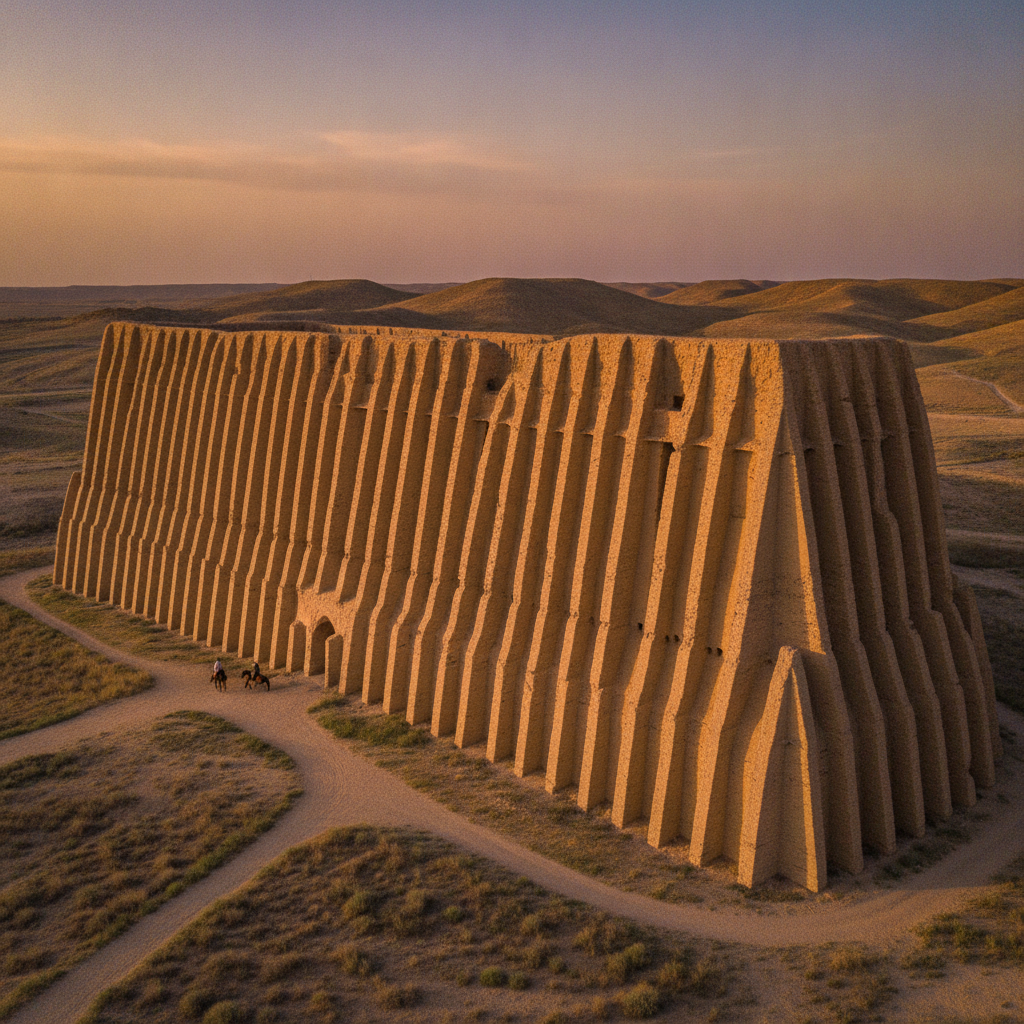
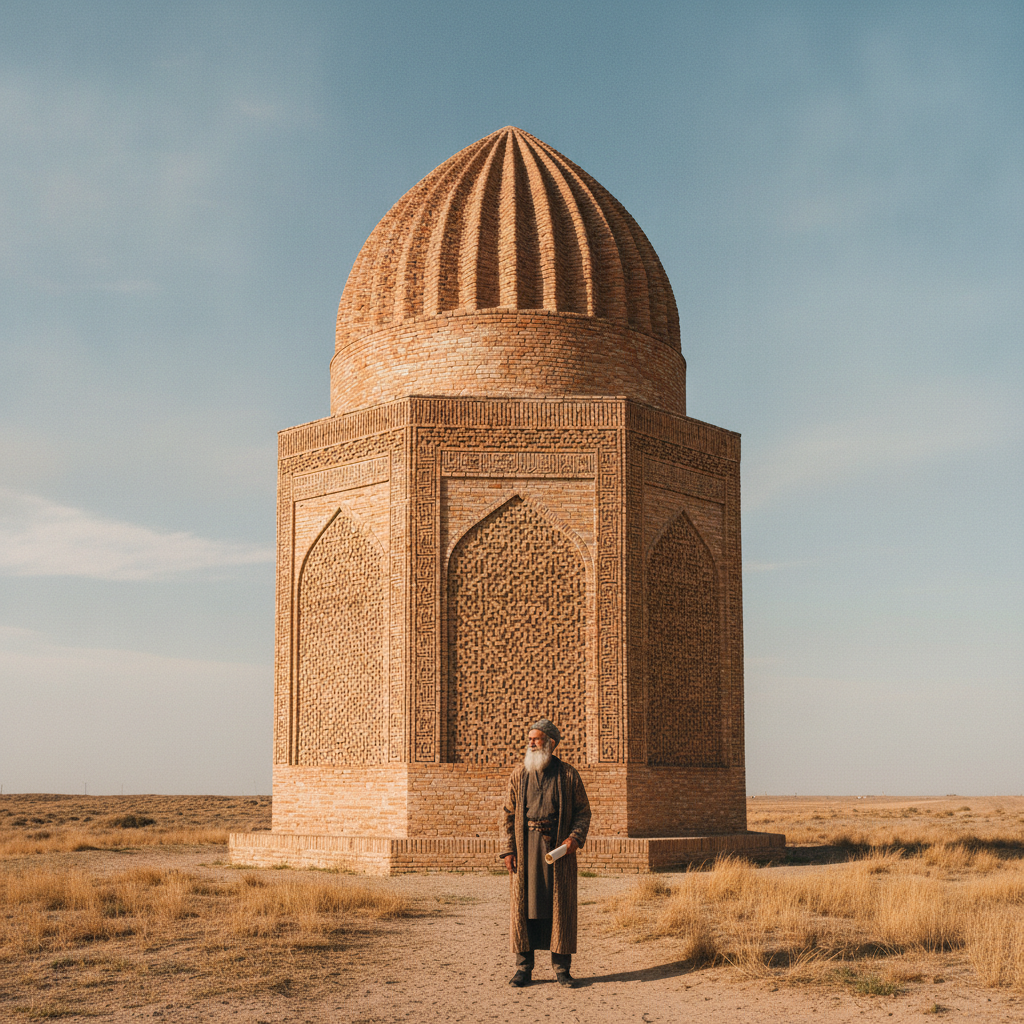
The Mausoleum of Muhammad ibn Zayd — the 12th-century tomb of an Islamic scholar, the fired-brick construction showing the distinctive architectural vocabulary of Seljuk funerary monuments with its tapering cylindrical body and conical roof, the building surviving the Mongol destruction better than most structures at Merv.
- 2
Two Mausolea Adjacent
The two adjacent mausolea in the northwestern corner of Sultan Kala — the pair of domed tombs whose proximity suggests they commemorated related individuals or patrons, the variation in architectural detail between the two buildings showing the range of funerary monument design in Seljuk Merv.
- 3
Medieval Merv Library
The legendary Merv library system — the 12th-century geographer Yaqut al-Hamawi describing ten libraries in the city that he visited before the Mongol conquest, the collections including Arabic, Persian, and Greek manuscripts that made Merv a center of Islamic scholarship rivaling Baghdad and Cordoba.
- 4
Seljuk Hospital Evidence
The archaeological evidence of Seljuk hospitals at Merv — the bimaristan (hospital) buildings where Islamic medicine was practiced, the Merv medical tradition connected to the broader Seljuk investment in urban institutions that characterized the Great Seljuk Empire's approach to its capitals.
- 5
Archaeological Exploration History
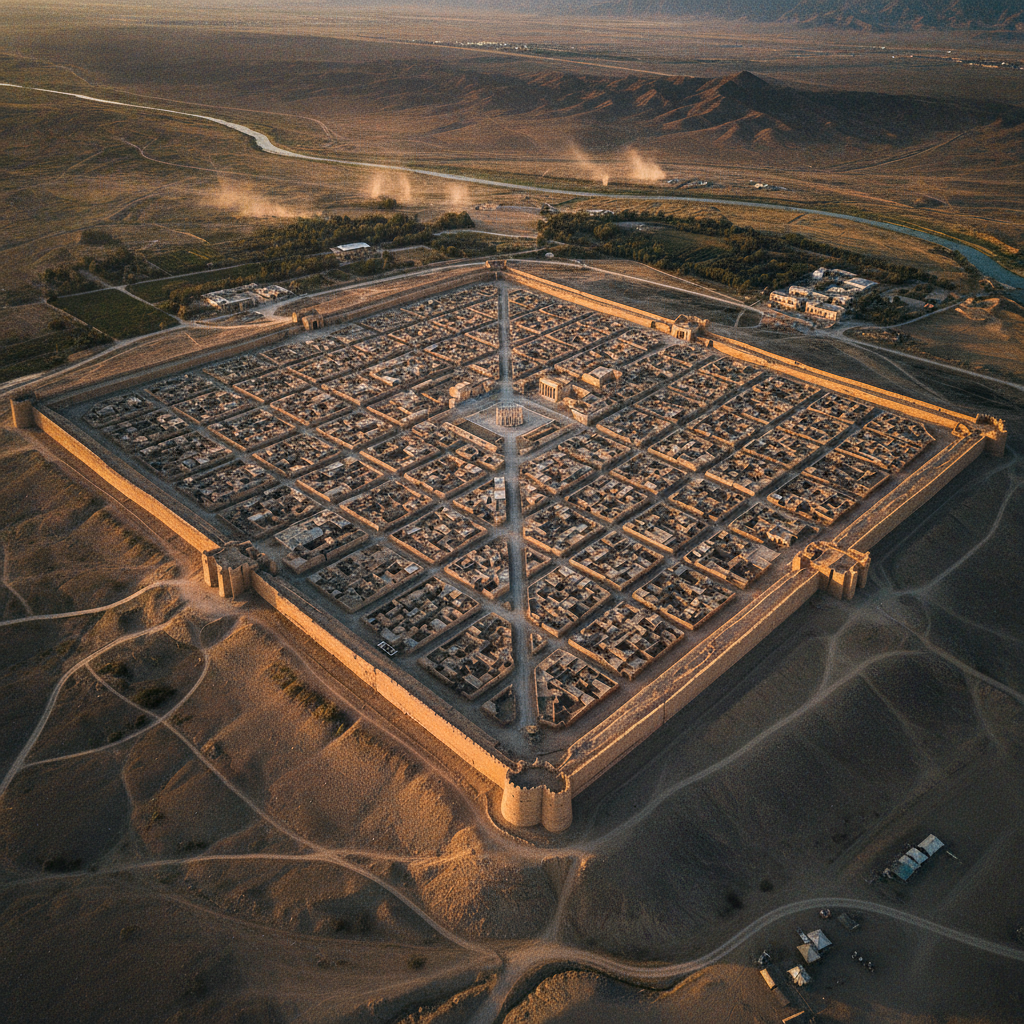
The history of archaeological exploration at Merv — the Russian Imperial expeditions of the 1880s, the Soviet systematic excavations of the 1950s-1980s, and the ongoing International Merv Project led by University College London since 1992, the succession of investigations revealing an ever more complete picture of the ancient city.
- 6
World Heritage Conservation
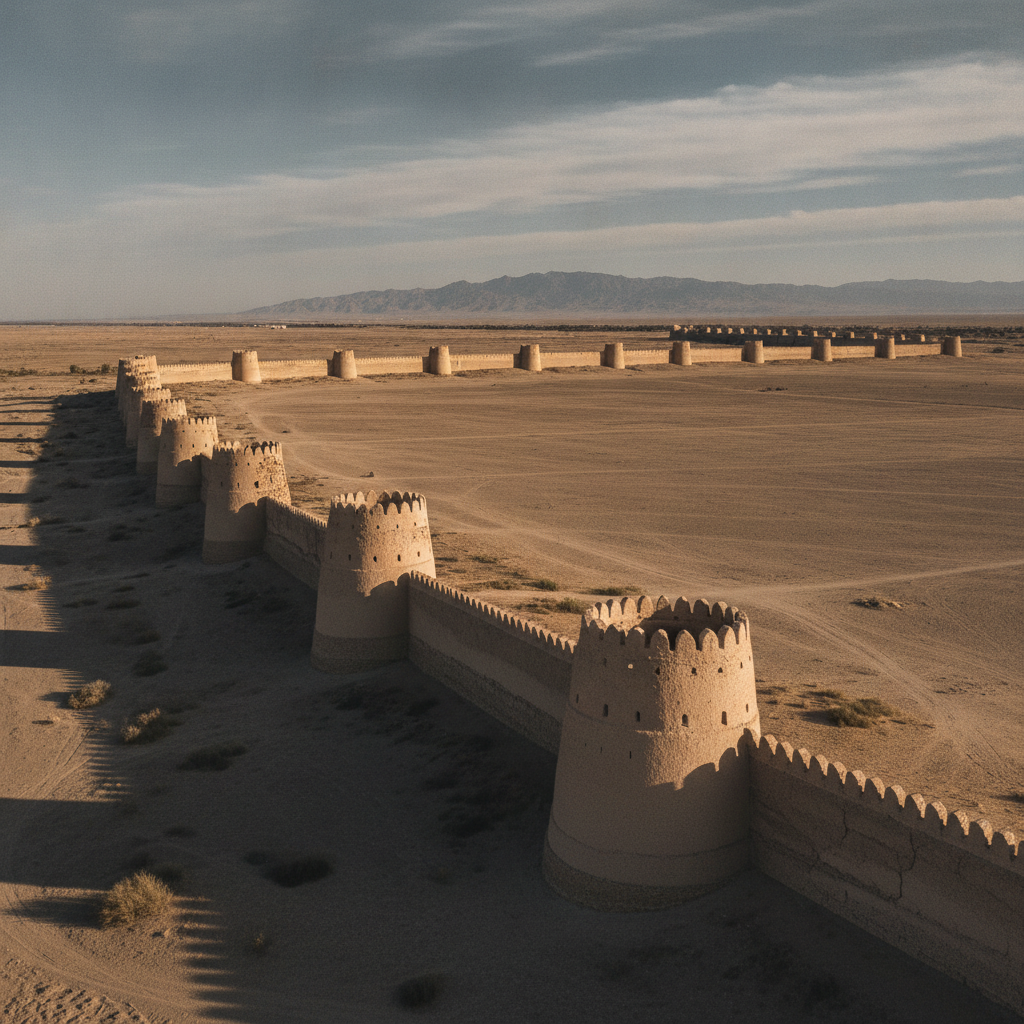
The UNESCO World Heritage conservation work at Ancient Merv — the preservation challenges of a desert site where mud-brick structures are vulnerable to erosion by wind and rare but intense rainfall, the stabilization work on the Sultan Sanjar mausoleum and the documentation of the wider site.
Walk this route with audio
Stories play automatically as you reach each stop — no tapping needed.