Merv Mausoleum of Sultan Sanjar Seljuk Architecture
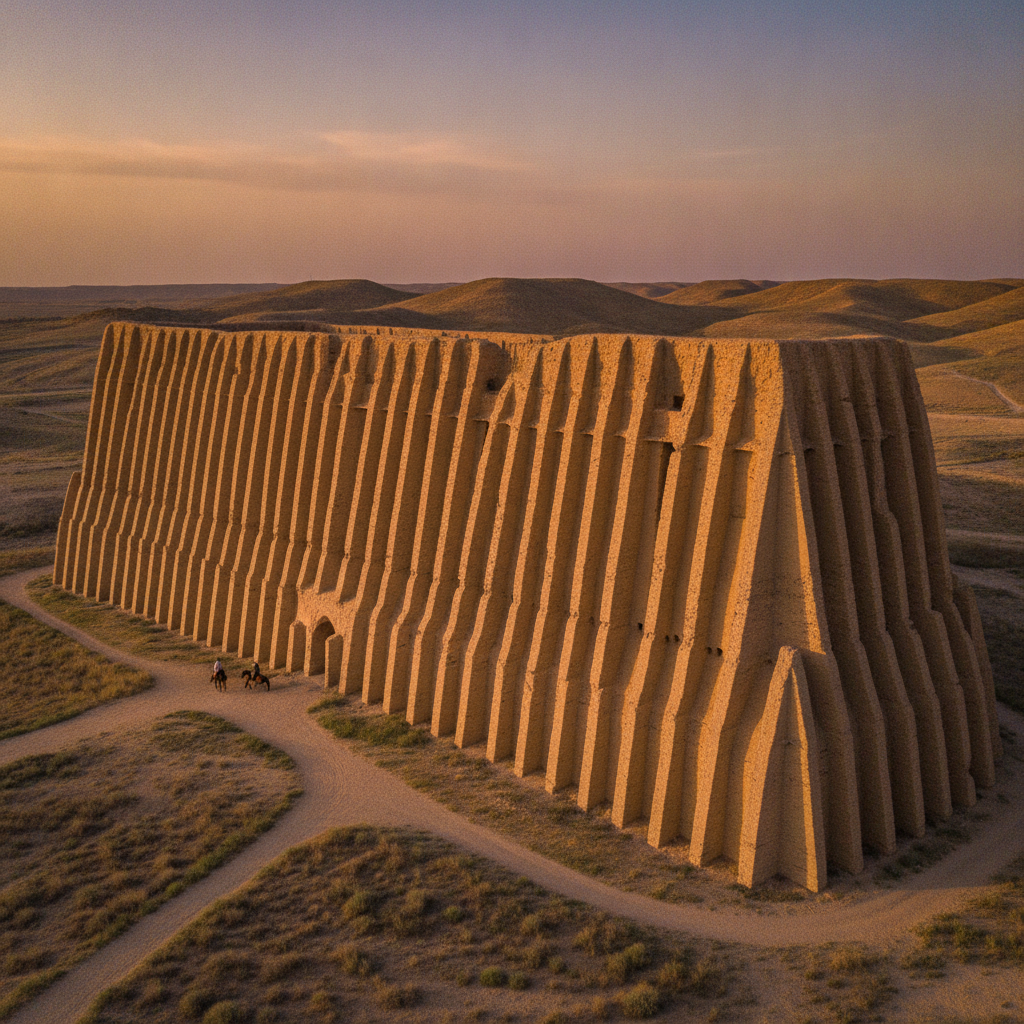
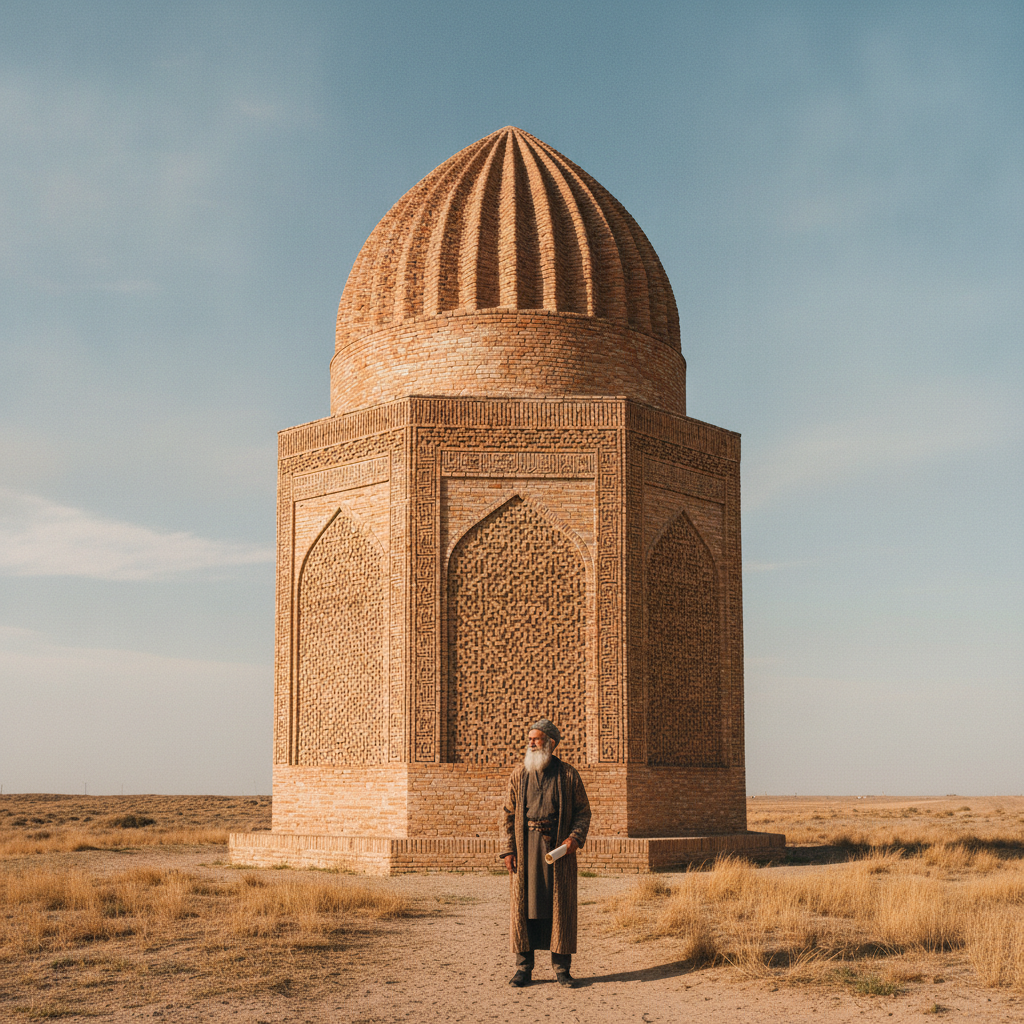
Visit the Mausoleum of Sultan Sanjar — the 12th-century tomb of the last Great Seljuk sultan, the landmark dome visible for 60 kilometers across the flat desert, the finest surviving example of Seljuk funerary architecture and one of the great buildings of the medieval Islamic world, standing in the ruins of the city it once dominated.
- 1
Exterior Dome Profile
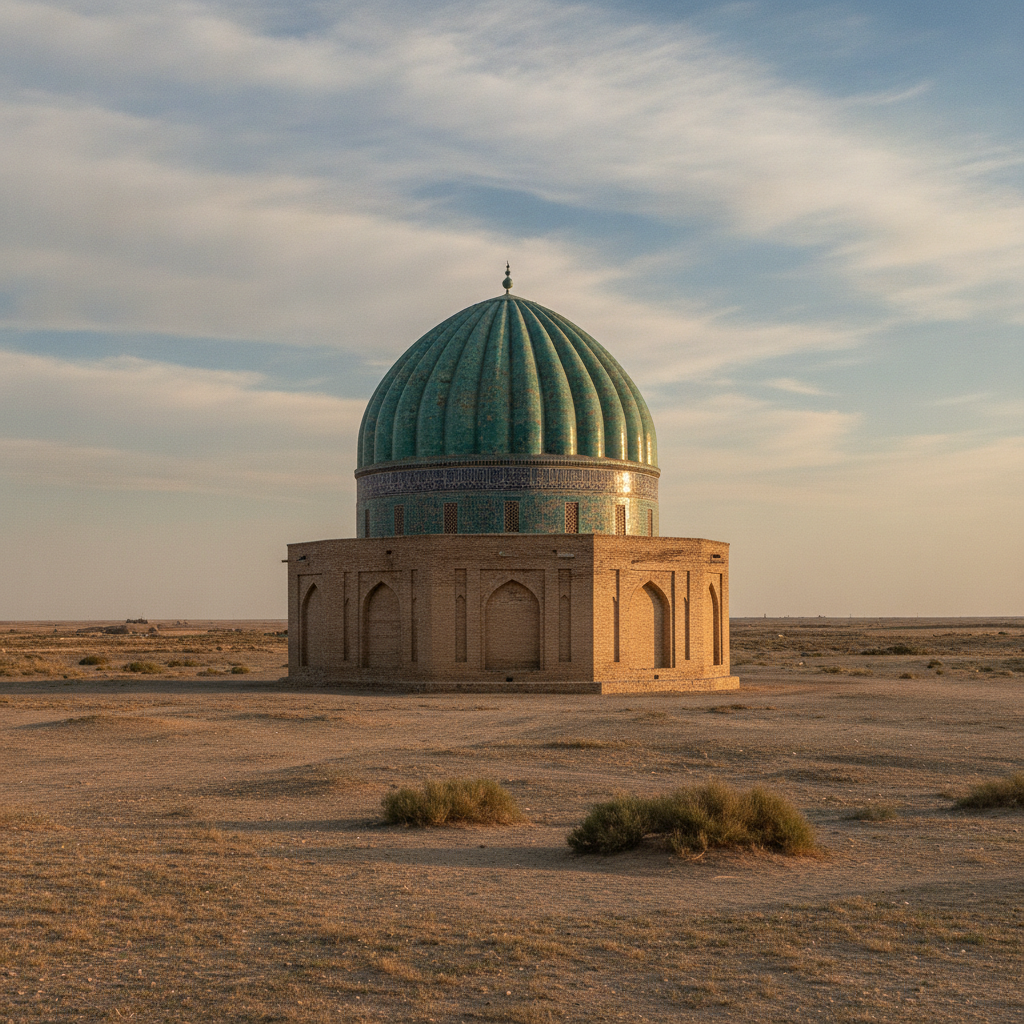
The exterior dome profile of the Sultan Sanjar Mausoleum — the turquoise-tiled outer dome rising 38 meters above the desert plain, visible from every direction for a great distance, the double-shell construction with its inner dome at a lower height and the outer dome elevated on a drum creating the distinctive tall profile of Seljuk architecture.
- 2
Muqarnas Interior Vault
The muqarnas interior vault of the mausoleum — the stalactite vaulting decorating the transition from the octagonal drum to the inner dome, the intricate three-dimensional geometric construction in fired brick and plaster one of the finest examples of muqarnas work from the Great Seljuk period.
- 3
Inscription Bands
The inscription bands on the interior walls — the Quranic calligraphy carved in Kufic and Naskh scripts recording the verses appropriate for a royal funerary monument, the Arabic text of exceptional quality showing the standards of calligraphy maintained in the Seljuk imperial court at Merv.
- 4
Sanjar Historical Context
Sultan Sanjar's historical context — the last ruler of the Great Seljuk Empire (1118-1157) whose reign began as the empire's peak and ended with its collapse after the Oghuz tribal rebellion of 1153, the sultan dying in 1157 and buried in this mausoleum he had built for himself in the city that was his capital.
- 5
Archaeological Surroundings
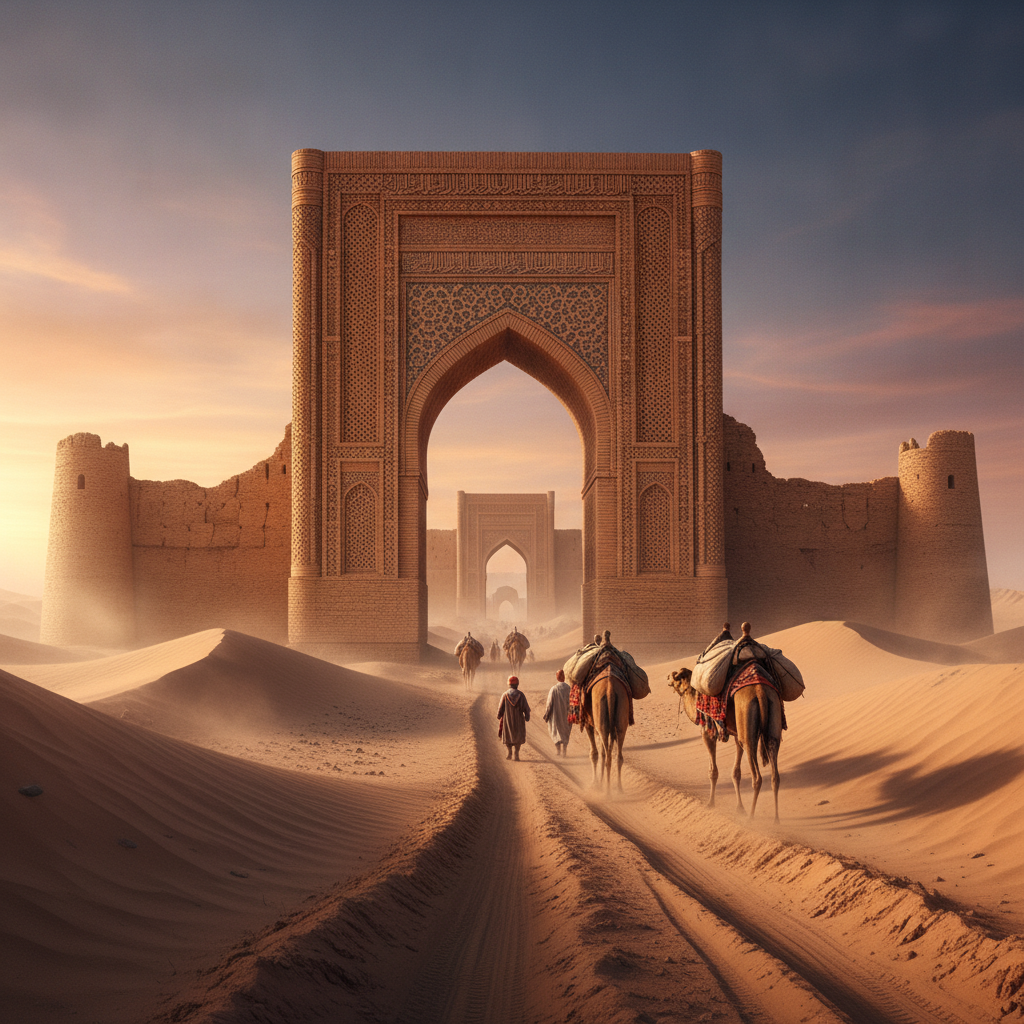
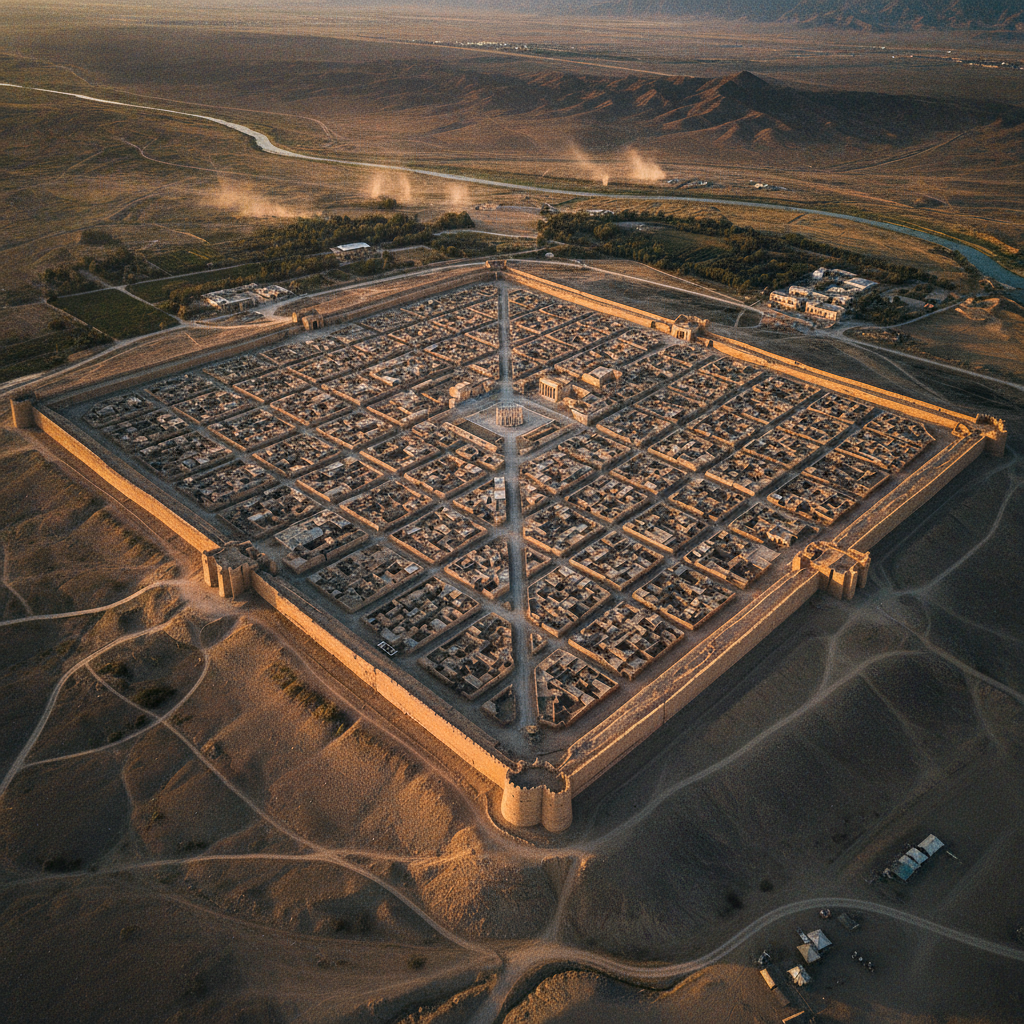
The archaeological surroundings of the mausoleum — the ruins of the mosque and palace complex that once surrounded the sultan's tomb, the mausoleum that was once the centerpiece of an imperial complex now standing in isolation amid the ruins of the city it once dominated, the solitude intensifying the building's sense of historical tragedy.
- 6
Evening Light Desert Setting
The evening light on the mausoleum in its desert setting — the terracotta brick warming in the low sun, the shadow of the dome extending across the flat plain, the building that has watched the sun set over the ruins of Merv for 900 years standing in a silence that contrasts with the busy medieval city it once marked.
Walk this route with audio
Stories play automatically as you reach each stop — no tapping needed.